The Role of Lighting in Interior Design
Lighting is one of the most critical elements in interior design. It has the power to shape a room’s mood, enhance aesthetic appeal, and increase functionality. Whether you are designing a luxury villa, a compact apartment, or a corporate office, lighting plays a fundamental role in determining how a space looks and feels. To achieve a well-balanced and visually stunning environment, proper lighting must be carefully planned and executed.
The Best Interior Designer in Delhi NCR understands that lighting is not merely about illumination. It is a fusion of creativity, strategy, and technology. From ambient lighting to task and accent lights, every element needs careful consideration to complement the overall design. This detailed guide explores the various roles lighting plays in interior design and why consulting professionals like the Best Interior Designer in Delhi NCR is crucial to bringing your vision to life.
Why Lighting Matters in Interior Design
Lighting affects perception. It can alter how we view textures, colors, and space. The right lighting brings warmth to a room, makes small areas appear spacious, and even uplifts your mood. Designers often rely on strategic lighting to highlight architectural features, create focal points, and introduce a sense of harmony in interiors.
A poorly lit room, no matter how expensive the furnishings, can feel dull and uninviting. In contrast, thoughtful lighting can turn even a modest space into a cozy and welcoming environment. That is why the Best Interior Designer in Delhi NCR places immense importance on lighting design.
The Three Main Types of Lighting in Interiors
Understanding the three primary types of lighting is crucial in designing any space:
1. Ambient Lighting
Also known as general lighting, ambient lighting provides uniform illumination throughout a room. It ensures the area is adequately lit for routine activities. Examples include ceiling-mounted fixtures, chandeliers, and recessed lights.
Ambient lighting sets the tone of the room. A space lit with soft, diffused light appears calm and inviting, while one with bright white light feels vibrant and energetic. A seasoned professional like the Best Interior Designer in Delhi NCR knows how to balance ambient lighting to align with the purpose of the room.
2. Task Lighting
Task lighting is focused illumination meant to help you perform specific tasks like reading, cooking, or working. Desk lamps, pendant lights above kitchen islands, and under-cabinet lights are common examples.
The Best Interior Designer in Delhi NCR ensures that task lighting is not just functional but also blends seamlessly with the room’s aesthetics. Placement and intensity are crucial in task lighting to reduce eye strain and enhance comfort.
3. Accent Lighting
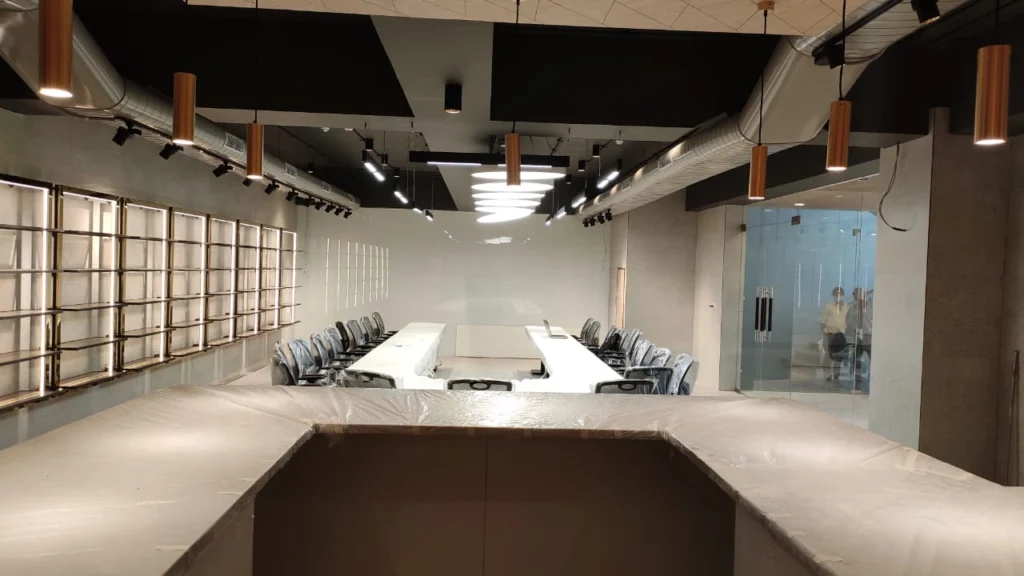
Accent lighting is used to highlight particular objects or architectural elements. It adds drama and character to a space. Wall sconces, track lights, and spotlighting are popular forms of accent lighting.
For instance, a painting, sculpture, or textured wall can be elevated with the right accent light. The Best Interior Designer in Delhi NCR often uses accent lighting to draw attention to design elements and create visual interest.
The Psychological Impact of Lighting
Lighting influences emotions and behaviors. Bright lights are known to energize people and improve focus, which is ideal for workplaces. Warm, soft lighting creates a soothing environment, perfect for bedrooms and relaxation zones.
By hiring the Best Interior Designer in Delhi NCR, clients benefit from designs that not only look beautiful but also promote well-being. Whether it’s using daylight simulation lights to reduce seasonal depression or choosing warmer tones for stress relief, professional designers understand the science behind lighting psychology.
How Natural Light Impacts Interior Design
Natural light is one of the most desirable lighting sources. It enhances color vibrancy, reduces energy consumption, and positively affects mood. Interior designers prioritize architectural layouts that maximize the flow of natural light.
Large windows, skylights, and glass partitions are often used to bring in daylight. The Best Interior Designer in Delhi NCR pays close attention to window placement, curtain materials, and wall finishes to optimize daylight distribution.
Using Lighting to Define Spaces
Open-concept homes and offices are popular for their airy and inclusive layouts. However, defining spaces without physical partitions can be challenging. Lighting offers a creative solution.
With varying light sources and intensities, different zones can be demarcated within a single open space. A pendant light over a dining table signals a dining area, while recessed lights can guide you through hallways.
The Best Interior Designer in Delhi NCR leverages this technique to maintain fluidity while ensuring functional clarity.
Energy Efficiency and Smart Lighting
Modern lighting design is not just about style but also about sustainability. LED lights, motion sensors, dimmers, and smart home systems have revolutionized how we think about lighting.
Energy-efficient lighting lowers electricity bills and reduces environmental impact. The Best Interior Designer in Delhi NCR integrates smart lighting solutions that adapt to natural light availability and user behavior.
How Color Temperature Affects Interiors
Color temperature is measured in Kelvin and determines whether a light appears warm (yellowish) or cool (bluish). This choice drastically changes how a room feels.
Warm White (2700K–3000K): Ideal for bedrooms and living rooms
Cool White (3500K–4100K): Suitable for kitchens and bathrooms
Daylight (5000K–6500K): Great for offices and task-oriented areas
The Best Interior Designer in Delhi NCR selects the appropriate color temperature based on both functionality and ambiance.
Highlighting Textures and Materials with Light
Lighting can enhance the appearance of various materials and textures. For example, a spotlight can reveal the grain of a wooden wall panel or the intricacies of a marble countertop.
Reflective surfaces like glass or metal respond differently to light compared to matte surfaces like raw wood or concrete. The Best Interior Designer in Delhi NCR knows how to play with these contrasts to make interiors visually engaging.
Popular Lighting Fixtures in Modern Interior Design
There are a variety of lighting fixtures, each with its unique contribution to aesthetics and utility:
Chandeliers: Elegant and perfect for living or dining areas
Pendant Lights: Stylish, often used in kitchens or bedrooms
Recessed Lights: Sleek, embedded into ceilings for a minimalist look
Wall Sconces: Decorative and practical for hallways or accent walls
Track Lighting: Flexible and functional for highlighting artworks
By mixing and matching these fixtures, the Best Interior Designer in Delhi NCR creates layered lighting that adds depth and personality to a space.
Lighting in Commercial vs. Residential Spaces
Lighting requirements vary significantly between commercial and residential settings. While a home may prioritize warmth and comfort, commercial spaces focus on clarity and productivity.
Retail stores use lighting to attract attention and guide customer flow. Restaurants use dim lights for intimacy. Offices use bright, even lighting to reduce fatigue.
The Best Interior Designer in Delhi NCR adapts lighting strategies based on the setting and intended usage.
Vastu and Lighting in Indian Interior Design
Vastu Shastra, the traditional Indian system of architecture, also emphasizes the role of lighting. According to Vastu, the direction and type of lighting can influence energy flow and harmony in a space.
Natural sunlight is considered beneficial, especially from the east. Warm lighting in the southwest promotes rest, while brighter lights in the north support productivity.
A Vastu-compliant lighting plan from the Best Interior Designer in Delhi NCR can enhance both design and spiritual well-being.
Layered Lighting: The Key to Dynamic Interiors
Layered lighting involves using multiple types of light sources in a single room to create depth and versatility. Combining ambient, task, and accent lighting allows for greater control and ambiance customization.
For example, in a living room:
Ambient: Ceiling light
Task: Floor lamp for reading
Accent: Spotlights on art
The Best Interior Designer in Delhi NCR implements layered lighting to adapt rooms to different activities and moods.
Lighting for Specific Rooms
Living Room
The central hub of any home, the living room benefits from ambient lighting complemented by floor or table lamps. Wall sconces and spotlights can add a decorative touch.
Kitchen
Functional lighting is crucial. Pendant lights over the island, under-cabinet lighting, and ceiling-mounted fixtures ensure efficiency and style.
Bedroom
Soft, warm lighting is ideal. Dimmer switches, bedside lamps, and ambient lighting help create a restful atmosphere.
Bathroom
Bright, shadow-free lighting is essential, especially around the mirror. LED vanity lights and ceiling fixtures work best.
The Best Interior Designer in Delhi NCR tailors lighting plans according to room functions and client preferences.
Contact the Experts
When it comes to lighting in interior design, expertise makes all the difference. Poor placement or the wrong type of fixture can ruin even the most beautifully designed space. If you want to create interiors that are visually stunning, functionally superior, and energy-efficient, consult the Best Interior Designer in Delhi NCR.
You can call now at 9999899362 to discuss your interior lighting goals with experienced professionals.