Best Interior Designer in Delhi NCR
Best Interior Designer in Delhi NCR: The development of home working culture has revolutionized residential interior design needs in Delhi NCR, with the home office proving to be one of the most important spaces that needs the professional design know-how to reconcile productivity, comfort, and beauty within the existing residential layouts. This change is more than a short-term adjustment to shifting work patterns, an expression of a fundamental change in how we think about the interaction between living and working space that requires high-level design responses that can facilitate professional achievement while sustaining residential harmony and family life balance.
The task of developing efficient home offices within Delhi NCR’s varied housing stock demands knowledge of spatial psychology, ergonomics, and technology incorporation in addition to classical interior design mastery, thus making the Best Interior Designer in Delhi NCR choice a necessity for
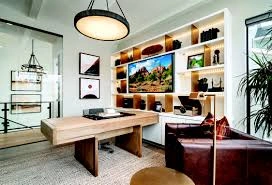
those homeowners looking to enhance both professional efficiency and domestic contentment. Professional home office design solves advanced needs like noise control, privacy establishment, storage efficiency, and unobtrusive coordination with existing home décor while accommodating the technological infrastructure and organizational systems necessary for sophisticated professional work.
Modern home office design goes beyond mere furniture arrangement and decoration to include integrated workspace planning that takes into account natural lighting, air flow, acoustics, and psychological considerations of what affects concentration, imagination, and professional productivity over long periods of work. This integrated approach makes home offices the real productivity hubs instead of the temporary office setups that compromise work quality as well as living room experience, a result creating dedicated professional spaces that facilitate career growth alongside overall home value and usability.
Understanding the Psychology of Productive Home Workspaces
The psychological underpinnings of successful home office design focus on developing spaces that encourage concentration, imagination, and professional frame of mind while ensuring distinct delineations between work life and personal life in shared domestic spaces. The evidence in environmental psychology illustrates how physical settings substantively impact cognitive functioning, levels of stress, and general job satisfaction, which makes well-considered home office design critical to the success of remote working and long-term career development in domestic environments.
The spatial identity becomes especially crucial in home office settings where work activities need to coexist alongside personal and family life without conflicts or compromising the effectiveness of either field. Professional designers know how to establish visual and psychological separation by placing thoughtful space planning, material use, and design components that set up distinct professional areas while keeping integration with overall home design themes and family function requirements in mind.
Color psychology used in home office design has the potential to increase productivity, decrease fatigue, and enhance positive emotional states conducive to continued professional performance during rigorous work schedules. Cool colors of blues and greens enhance focus and mental acuity, and warm accents can be used to give energy and motivate without producing overwhelming or distracting settings. The Best Interior Designer in Delhi NCR uses color psychology concepts strategically to design office spaces that accommodate certain work styles and professional needs while ensuring aesthetical attractiveness and compatibility with home design plans.
Space Planning and Layout Optimization for Maximum Efficiency
Sound home office space planning starts with thorough analysis of the space available, work demands, and integration needs that dictate best layout arrangements for accommodating professional work with residential harmony and usability. This analysis takes into account aspects such as availability of natural lighting, privacy needs, noise control requirements, and technology infrastructure needs that impact core design decisions and long-term space effectiveness.
The ergonomic workplace design principles are essential in home offices where there is long computer work, video conferencing, and document management that needs to be sustained through furniture purchasing and spatial organization that ensures physical comfort and health while avoiding repetitive strain injury and postural issues that can occur over time. Professional workspace planning ensures that desk heights, seating positions, monitor placement, and accessory positioning create optimal working conditions that support productivity while maintaining physical well-being throughout long work sessions.
Traffic flow within home office areas needs to balance both daily professional work activities and convergence with household activities in such a way that professional areas become available and useful without interfering with family life or conflicting with household activities. Careful placement of work areas, storage facilities, and meeting rooms establishes effective flow patterns while keeping distinct boundaries intact for supporting professional concentration and productivity in home settings.
Lighting Design for Increased Concentration and Minimized Eye Strain
Professional home office lighting responds to both functional light requirements and psychological advantages of effective light control in facilitating extended concentration, minimizing eye strain, and circadian rhythm balance influencing health and productivity generally. Natural light optimization is the basis for successful home office lighting with planned workstation placement for optimal favorable daylight exposure while avoiding screen glare and severe shadows causing visual fatigue.
Task lighting integration offers directed light for individual work tasks such as document reading, writing, and precision computer work, with the assurance of sufficient light levels for diverse professional tasks and a limitation on reliance on overhead lighting that can produce unflattering shadows or an insufficiency of light for precision tasks. Professional task lighting choice takes into account adjustability, color temperature adjustment, and positioning flexibility that allows for varying work needs during different times of day and seasonal changes in lighting.
Ambient lighting systems produce comprehensive environmental lighting that promotes professional environment and visual comfort along with enhancing natural illumination and task lighting to design well-balanced, comfortable working environments. Dimmable controls, color temperature control, and automatic timing systems can be integrated into home office lighting to make it adjust to varying requirements at different times during work days while promoting healthy sleep habits and circadian rhythm upkeep influencing overall well-being and professional output.
Technology Integration and Infrastructure Planning
Contemporary home office design involves advanced technology planning to include high-speed internet connection, sufficient electrical capacity, cable management systems, and device integration supporting modern professional work needs with clean, neat appearances that add to and do not detract from design aesthetics. Professional technology planning ensures the home office has enough space for multiple devices, video conferencing units, and professional specialty tools while offering steady connectivity and power distribution across the work area.
Cable management and wire management systems avoid visual clutter and safety risks connected with widespread use of technology while keeping the access open for equipment modifications, maintenance, and upgrades that define changing professional technology needs. Concealed routing of cables, built-in power solutions, and stored technology accessory organization produce tidy, professional looks while accommodating adaptability for technology adjustment and growth over time.
Combining smart home technology with professional office systems presents the potential for increased productivity through automated environmental management, security monitoring, and integration of communication systems that facilitates professional effectiveness while operating seamlessly in household environments. Technology integration must be balanced against demands of simplicity and reliability in order to provide for professional work to continue uninterrupted by technical issues or distractions in any way that might undermine productivity or professional reputation during client contact.
Ergonomic Furniture Choice and Workspace Comfort
High-quality ergonomic furniture becomes a necessity within home workspace settings where prolonged periods of work necessitate supportive seating, proper work surface heights, and adjustable features that cater to unique physical needs while facilitating health and comfort throughout rigorous professional schedules. High-quality office seating ensures lumbar support, adjustability, and durability that benefits long-term physical well-being while enhancing professional ambiance and workspace aesthetics.
Desk and work surface design has to support varying work tasks such as use of computer, document handling, design projects, and video conferencing and offer sufficient storage space and organization elements that enhance professional effectiveness and workspace hygiene. Best Interior Designer in Delhi NCR recommends furniture that reconciles professional functionality with residential aesthetic integration to ensure the home office retains classy, professional looks while integrating with general home design paradigms.
Storage equipment and organizational systems facilitate professional productivity by way of committed places for supplies, documents, tools, and personal items that avoid workspace congestion while maintaining simple access to required materials and tools. Professional storage planning takes into account short-term accessibility needs and long-term organization needs that facilitate continuous workspace management and professional image upkeep through changing career demands and workspace needs.
Sound Management and Acoustic Treatment Solutions
Acoustic control in home office spaces involves mitigating both external intruding noise that would interfere with concentration and internal sound control that avoids professional work from intruding on household members and neighbors. Professional acoustic treatment involves the use of sound absorption, noise masking, and structural changes to establish quiet, concentrated work spaces without sacrificing architectural integrity and aesthetic appeal within domestic environments.
Acoustic materials such as acoustic panels, soft furnishing, and strategic material choice can greatly minimize noise reverberation and increase speech intelligibility during video conferences while generating more comfortable, concentrated working spaces. Such treatments need to be incorporated cleverly with overall design schemes for enhancing and not compromising residential beauty while offering quantifiable enhancement in acoustic comfort and professional performance.
Privacy factors in domestic office acoustic planning ensure confidential professional discussions, video calls, and concentrated working tasks can continue without disrupting household members or infringing on professional confidentiality needs. Careful positioning of rooms, door choices, and sound masking systems provide the right levels of privacy while keeping connectivity with home activities and family life that defines well-performing home office installations.
Storage Solutions and Organization Systems
Complete home office storage planning responds to diverse needs such as active document management, storage of equipment, supply organization, and archive systems that promote professional effectiveness while upholding clean, organized appearance workspace that boosts productivity and professional perception. Professional storage systems balance access, capacity, and aesthetic incorporation to produce systems that enable long-term organizational success in residential design environments.
Filing and document management tools need to be able to handle both physical documents and electronic file organization while ensuring security for confidential information and simple access for commonly used resources. Modern storage devices involve integrated digital scanning technology, secure filing cabinets, and organizational materials that bridge the gap between physical and digital document management needs and professional appearance standards and workspace efficiency requirements.
Personal item incorporation into professional storage systems allows home offices to store personal items, reference materials, and comfort items without detracting from professional appearance or creating distracting clutter that may impact productivity or professional image during client meetings. Personal storage incorporation into overall professional systems preserves professional ambiance while accommodating the comfort and personalization that contributes to long-term workspace fulfillment and productivity.
Designing Professional Meeting and Presentation Areas
Video conferencing functionality is a necessity for home office operations, demanding planning of camera placement, lighting, and management of the background to guarantee professionalism in client meetings and remote collaboration processes. Professional meeting space layout takes into account the angles of view, lighting, and the background attractiveness that enhances positive professional image while at the same time preserving confidentiality and reducing household distractions during professional communication.
Presentation capability integration enables home offices to accommodate client meetings, training, and collaborative work requiring screen sharing, document presentation, and interactive communication capabilities without compromising residential integration and family lifestyle compatibility. Professional presentation systems achieve technical capability combined with simplicity of use and setup requirements that enable professional activities to proceed smoothly without large amounts of technical preparation and household disruption.
Background and staging options for professional video communications guarantee that home offices have suitable, professional-looking settings that support more than detract from business relationships and career-building opportunities. Best Interior Delhi NCR Designer knows how to produce multi-purpose backgrounds and presentation spaces that look good in photographs and on video and remain functional with overall workplace design and residential aesthetic objectives.
Budget Planning and Implementation Strategies
Affordable home office creation involves deliberate budget allocation with a focus on high-impact enhancements at realistic spending levels that respect household financial planning and residential improvement priorities. Expert budget planning determines key components such as furniture, technology, and infrastructure upgrades with the balance between near-term needs and long-term expansion and upgrade opportunities that cater to changing professional needs.
Phased implementation plans facilitate home office improvement to be conducted step-by-step while allowing budgetary management and minimizing household upset during construction and installation processes. Expert project planning sequences different improvement stages such as space preparation, technology installation, furniture arrangement, and aesthetic finishing to achieve efficient timelines and cost controls that enable effective project completion within set budget limitations.
Return on investment factors for home office upgrades include improved productivity, professional career advancement potential, and increased residential values that are justifiable with expenditures and aid in sustained financial and career purposes. Professional cost-benefit analysis assists homeowners in comprehending the ways that home office investments help with both short-term professional attainment and long-term property worth while keeping within sensible spending proportions to overall household finance planning goals.
Long-term Flexibility and Adaptation Planning
Home office design that future-proofs builds in improvements within the workspace so that they are still valid and useful as professional needs, technology trends, and family life continue to change over time without having to call for total redesign or heavy reinvestment in workspace construction. Flexible design methods include flexible furniture, enlarging storage systems, and infrastructure planning that can facilitate shifting professional requirements while retaining underlying functionality and appearance.
Career evolution considerations provide for home office layouts to be able to adapt to emerging professional roles, increasing business needs, and shifting work habits without the need for re-design at the basic level or severe disturbance to developed residential habits. Career planning takes into account possible career growth, business growth, and shifting professional needs that could influence home office performance while holding present relevance and satisfaction.
Family life integration planning makes sure that home office areas are compatible with evolving household dynamics such as expanding children, aging parents, or shifting lifestyle priorities that may influence the way residential space gets used and prioritized over time. Best Interior Designer in Delhi NCR creates home office solutions that are still effective in their professional capacity while accommodating evolving family situations and residential needs that are typical of long-term homeownership and career advancement.
Professional Design Implementation and Excellence
Professional home office design implementation involves coordination of several specialties such as interior design, technology planning, ergonomic evaluation, and residential integration that provides best results at the same time ensuring efficiency of the project and budget management during development and installation processes. Overall project management incorporates coordinating timelines, quality assurance, and client communication that assures effective project completion while reducing household disturbance and final workspace satisfaction.
Quality assurance and finishing criteria guarantee home office installations achieve professional workspace standards without sacrificing residential appearance standards and integration objectives that guarantee long-term satisfaction and effectiveness. Professional attention to detail involves furniture assembly, technology set up, organizational system installation, and ultimate styling creating immediately functional, pleasing workspaces ready for professional utilization upon project delivery.
Regular support and adjustment services guarantee home office rooms remain up to speed with developing professional needs while sustaining best functionality and aesthetic standards despite fluctuating career demands and home conditions. Professional design relationships offer constant consultation, adjustment suggestions, and upgrade planning that ensures continued workspace efficiency and enjoyment as professional and personal needs change over the years.
Conclusion: Achieving Home Office Excellence Through Professional Design
Designing great home office spaces involves high-level integration of business workspace needs with home living requirements, which necessitates a level of expertise beyond standard interior design to include such elements as ergonomics, technology design, acoustic control, and psychological considerations related to productivity and professional achievement. Professional design services guarantee home offices attain their highest level of functionality while preserving aesthetic beauty and residential balance that enhances both career progress and quality of life.
The professional services of the Best Interior Designer in Delhi NCR provide assurance that home office endeavors reach professional work environment standards without neglecting residential contexts, family demands, and budget limitations defining successful home-based professional settings. Professional consulting addresses complicated demands such as space planning, incorporating technology, comfort optimization, and aesthetic coordination while managing implementation procedures that reduce disruption and increase satisfaction with final workspace achievements.
Professional home office design investment offers long-term dividends in the form of improved productivity, better work-life balance, property appreciation, and satisfaction from the opportunity to work in spaces that adequately serve professional aspiration while still providing residential comfort and domestic harmony. As the nature of remote work continues to change and home-based professional pursuits become more central, professional home office design is vital investment in career achievement and residential quality that merits deliberate planning and professional installation for best long-term results