Sustainable Architecture: Key Concepts and Benefits
When considering building or renovating a space, the choice of design philosophy is paramount. Today, one approach stands out not just for its aesthetic appeal but for its profound positive impact on the environment and occupants: Sustainable Architecture. For those seeking a truly forward-thinking and responsible design partner, finding the Best Interior Designer in Delhi NCR who understands and implements sustainable principles is essential. Rishabh Designs and Interior is committed to delivering designs that are both beautiful and ecologically sound, establishing us as a leading choice for the Best Interior Designer in Delhi NCR.
The Core Philosophy of Sustainable Architecture
Sustainable Architecture, often referred to as green building, is a design approach that seeks to minimize the negative environmental impact of buildings. This involves efficiency and moderation in the use of materials,
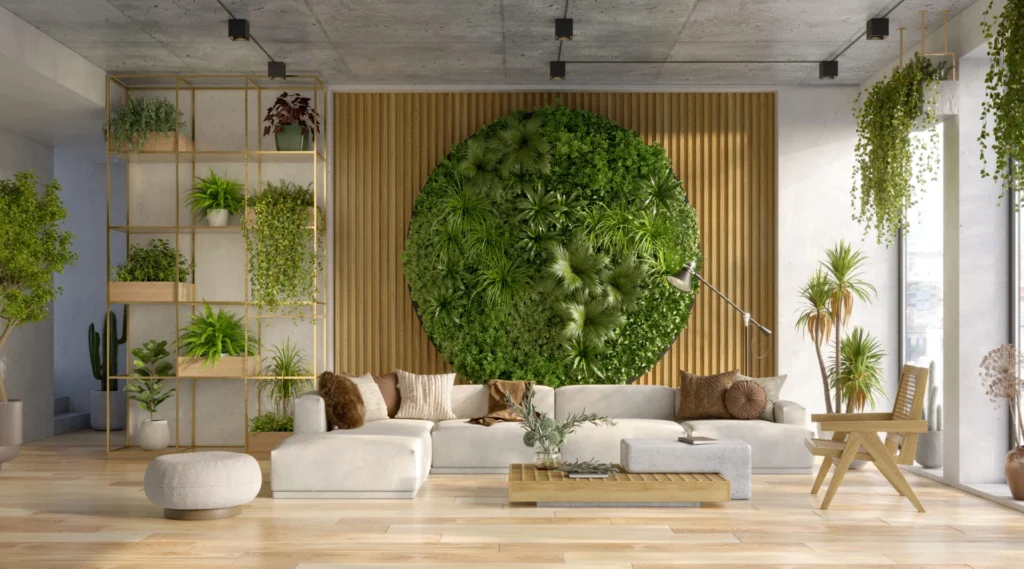
energy, and development space. A building designed sustainably aims to be in harmony with its natural and cultural surroundings. It is a holistic philosophy that encompasses the entire lifecycle of a building, from site selection and design to construction, operation, maintenance, renovation, and eventual demolition. The goal is to create structures that are resource-efficient and environmentally responsible.
For clients in the capital region, choosing the Best Interior Designer in Delhi NCR means partnering with a firm that can seamlessly integrate these concepts. Rishabh Designs and Interior offers this expertise, ensuring your project reflects the highest standards of sustainability.
Key Concepts Driving Sustainable Architectural Design
The principles of Sustainable Architecture translate into specific, actionable design choices. Understanding these concepts is crucial when selecting the Best Interior Designer in Delhi NCR for your project.
1. Energy Efficiency and Renewable Energy Integration
The most significant concept in green building is reducing the energy demand of a structure. This begins with passive design strategies that harness natural elements.
Passive Solar Design Orienting the building to maximize daylight penetration and minimize heat gain in summer while maximizing it in winter reduces the need for artificial lighting and mechanical heating and cooling. The strategic placement of windows, overhangs, and shading devices is key.
High-Performance Envelope This involves using superior insulation in walls, roofs, and floors, along with high-efficiency windows (like double or triple-pane glass), to minimize heat transfer. A well-sealed envelope prevents unwanted air leakage, a major source of energy loss.
Integration of Renewable Energy Solar photovoltaic panels for electricity generation and solar thermal collectors for hot water are common features. This moves the building toward net-zero energy consumption.
Efficient Systems Utilizing energy-efficient HVAC (Heating, Ventilation, and Air Conditioning) systems, smart thermostats, and LED lighting dramatically lowers operational energy use.
Rishabh Designs and Interior, a name synonymous with the Best Interior Designer in Delhi NCR, prioritizes energy modeling and system integration to ensure maximum efficiency in every project.
2. Resource and Material Efficiency
Sustainable architecture demands a thoughtful approach to every material used in a project.
Locally Sourced Materials Using materials found near the construction site reduces the energy required for transportation, lowering the project’s embodied carbon footprint.
Recycled and Upcycled Content Incorporating materials like recycled steel, reclaimed wood, or glass reduces the demand for virgin resources.
Low-Emitting Materials Volatile Organic Compounds (VOCs) found in many paints, adhesives, and sealants can severely degrade indoor air quality. Sustainable design mandates the use of materials with low or zero VOC content.
Durable and Long-Lasting Materials Choosing materials that will last longer reduces the need for frequent replacement, conserving resources over the building’s lifespan.
The expertise of the Best Interior Designer in Delhi NCR in material selection is invaluable for a truly green home or office. Rishabh Designs and Interior meticulously vets all materials for their environmental credentials.
3. Water Efficiency and Conservation
Water is a precious resource, and sustainable buildings are designed to minimize water consumption and manage runoff.
Low-Flow Fixtures Installing low-flow toilets, showerheads, and faucets significantly reduces potable water use indoors.
Greywater Recycling Treating and reusing water from sinks and showers for non-potable purposes, like flushing toilets or irrigation.
Rainwater Harvesting Collecting and storing rainwater for irrigation, toilet flushing, and other uses.
Drought-Tolerant Landscaping (Xeriscaping) Using native, water-wise plants that require little to no irrigation reduces the reliance on municipal water supply for landscaping.
A sustainable project by the Best Interior Designer in Delhi NCR, such as Rishabh Designs and Interior, incorporates these features from the earliest design stages.
4. Indoor Environmental Quality (IEQ)
A truly sustainable building must be healthy for its occupants. IEQ focuses on the conditions inside the space.
Daylighting and Views Maximizing natural light exposure and providing occupants with views of the outdoors boosts mood, productivity, and reduces the need for artificial lighting.
Thermal Comfort Designing systems that maintain a comfortable and consistent temperature and humidity level.
Air Quality Ensuring proper ventilation to bring in fresh outdoor air and exhaust stale indoor air, coupled with the use of low-VOC materials.
As the Best Interior Designer in Delhi NCR, Rishabh Designs and Interior understands that the interior environment is just as critical as the exterior envelope.
The Profound Benefits of Sustainable Architecture
The decision to choose a sustainable approach, guided by the Best Interior Designer in Delhi NCR, yields a multitude of benefits that extend far beyond environmental stewardship.
1. Environmental Benefits
Reduced Carbon Footprint By minimizing energy consumption (which often relies on fossil fuels) and using locally sourced materials, sustainable buildings drastically reduce their lifetime emissions.
Conservation of Natural Resources Less demand for virgin materials, less water use, and reduced waste generation help preserve forests, water tables, and mineral deposits.
Protection of Biodiversity Careful site selection and design minimize disruption to natural habitats and local ecosystems.
2. Economic Benefits
Sustainable design is an investment that pays dividends over time.
Lower Operating Costs Energy and water efficiency measures lead to significantly reduced utility bills, creating substantial savings over the building’s lifespan.
Increased Property Value Green-certified buildings are often more attractive to buyers and command higher resale values.
Reduced Waste Disposal Costs Designing for material efficiency and construction waste management lowers disposal expenses.
Rishabh Designs and Interior works diligently to ensure that the initial investment in sustainability with the Best Interior Designer in Delhi NCR translates into long-term financial gain.
3. Health and Community Benefits
The human element is a central component of sustainable design.
Improved Occupant Health and Productivity Superior indoor air quality and increased daylighting have been proven to reduce sickness, boost cognitive function, and enhance overall well-being and productivity in offices and homes.
Reduced Strain on Local Infrastructure Lower demand for energy and water from the grid and municipal services benefits the entire community.
Enhanced Aesthetic Appeal Sustainable design often results in thoughtful, elegant spaces that connect occupants to the natural world.
The Role of the Best Interior Designer in Delhi NCR
Implementing Sustainable Architecture requires specialized knowledge and commitment. It is not just about adding solar panels; it is about a deep understanding of physics, material science, and ecology. This is where a partnership with the Best Interior Designer in Delhi NCR becomes indispensable.
A firm like Rishabh Designs and Interior acts as a steward, guiding the project through critical sustainable decisions:
Integrated Design Process Bringing together architects, engineers, and builders early in the process to collectively optimize the building’s performance.
Sustainability Goal Setting Establishing clear targets for energy, water, and material use at the project’s inception.
Certification Expertise Guiding the project through green building certification standards like LEED or GRIHA, ensuring compliance with established metrics.
Rishabh Designs and Interior is the Best Interior Designer in Delhi NCR because we don’t view sustainability as an add-on, but as the foundation of excellent design. We ensure that every surface, every fixture, and every system contributes to a healthier planet and a better life for our clients.
To learn more about how Rishabh Designs and Interior, the Best Interior Designer in Delhi NCR, can make your next project a beacon of sustainability and style, please visit our website at https://rishabhinterior.com/ or call us at 9999899362. We are dedicated to creating spaces that reflect beauty, efficiency, and a deep respect for the environment. Choose the Best Interior Designer in Delhi NCR for a sustainable future.