Japandi Interior Design for Indian Homes
Introduction: The Harmony of East Meets North
Interior design trends are always in a state of evolution as per the changes in lifestyle and personal preferences for designs. One of the designs that are currently picking up pace in Indian interiors is Japandi. This design philosophy perfectly combines the concept of Japanese minimalism and Scandinavian coziness in a way that brings about a seamless blend of serenity and coziness to spaces. To integrate this sophisticated design into interiors in Delhi NCR, the Best Interior Designer in Delhi NCR can always prove to be of assistance.
Japandi is more than a current trend. Not to mention, it symbolizes values that deeply connect to current Indian living. The first highly important point is that Japandi is all about quality instead of quantity. The design focuses on natural materials as well as craftsmanship. It is all about creating a tranquil space that is a refuge from the hustle and bustle that is a part of living in a modern city.
Understanding the Japandi Style Philosophy
Jap
The word “Japandi” appeared around 2016, but the combination had existed well before then. The style is a melding of two different but complementary styles. “Wabi-sabi is the aesthetic of Japanese design, which finds beauty in imperfection.” “Hygge is a word used in Scandinavian design to refer to creating cozy space with simple pleasures.”
The Japanese Influence
Japanese interior design is a reflection of Japanese design sensibilities, which are minimalist and traditional and have remained so for centuries. The design sensibilities manifest in clean lines and uncluttered spaces that have a definite function for everything. The furniture is low, and the design minimizes eye clutter. The dominant material is natural, including wood, bamboo, and stone. The color scheme is neutral and allows the architecture to shine.
“Wabi-sabi” is a design philosophy in particular that seems to impact Japandi design. This philosophy celebrates imperfection and the natural process of aging. This philosophy favors items with character because these pieces are made by human hands. This design philosophy will be beneficial to Indian design as it will allow Indian design to embrace craftsmanship. This will mean picking designs with character as opposed to designs for a typical showroom.
The Scandinavian Contribution
“Scandinavian design injects some warmth into the blend.”
The concept of Hygge “prioritizes coziness, and it is a style of interior design that focuses on creating welcoming areas that serve as family centers.”
Add warmth by incorporating wool throws into the space.
“Use wood and wood tones to warm up a space and turn minimalism into a welcoming concept.”
The choices of lighting make a world of difference. Dim lighting can be very inviting and relaxing, creating a warm
Scandinavian designs also emphasize functionality. Multi-functional pieces allow for optimal use of space. Storage systems keep everything neat and clean. Durability is another area that Scandinavian designs emphasize. These aspects are ideal for an Indian apartment. The Best Interior Designer in Delhi NCR knows exactly how to implement these concepts.
Why Japandi is a Great Choice for Indian Homes
Indian homes pose distinct design challenges. The space tends to be smaller than in Western homes. Indians cherish privacy and living spaces. Climate and design of selected materials play significant roles. Japandi design tackles all these points while still retaining its identity.
Function Description
Paralle
flats in the Delhi NCR area are normally small. Japandi’s design is optimized for space. Low furniture adds to the sense of spaciousness. Minimal surfaces give the impression of greater size. Functional furniture arrangement allows easy movement. **Best Interior Designer in Delhi NCR**: This is the best interior designer who knows exactly what is needed to provide spacious environments to smaller homes.
Multi-functional pieces are used for multiple purposes effectively. Examples of multi-functional pieces are the dining table, which acts as a workspace, the storage ottoman that performs the function of seating as well as storage, and the fold-away section, which is used as needed. This is particularly beneficial in a smaller Indian household, as every inch counts.
Environment: Climate Adaptation
The climate in India needs careful consideration while choosing materials. Naturally, in Japandi style, moisture doesn’t affect these materials. Wood has the ability to breathe. With time, wood develops a nice weathered effect. Bamboo possesses naturally moisture-repellent properties. The surfaces made of stone remain cool, even when the weather gets hot. Cotton, linen, and other materials allow for airflow. They are best for the climate, unlike other materials.
Light color schemes are effective at reflecting heat. This helps keep the interior spaces cool during the hot summer season. Larger windows allow for maximum ventilation. Light-filtering curtains reduce the intensity of the sun’s rays while allowing the space to remain bright. Expert interior designers are aware of the regional climate factors. They pick the right materials according to the concerned regions in India.
Important Characteristics of Japandi Style
A well-furnished Japandi space must include specific design features. It is essential to know the components of a harmonious design. In fact, individual components work together to achieve the harmonious effect. Components of a harmonious design include texture, pattern, color, and size.
Beige Color Schemes
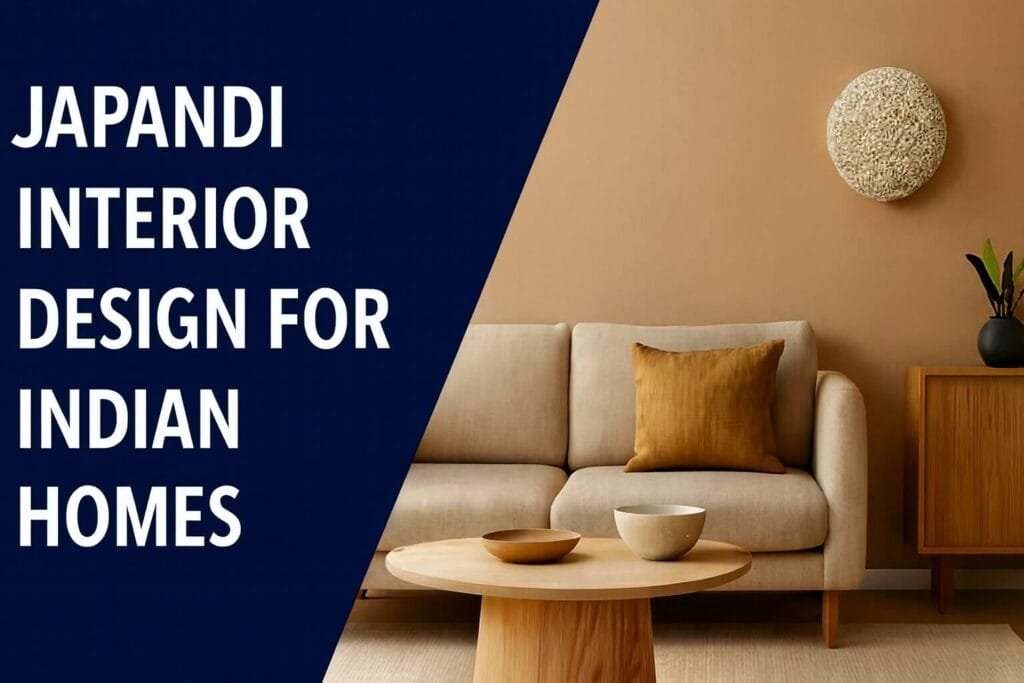
The Japandi style recommends using muted colors. Warm white colors are used to create a clean background. Beige and taupe colors add a natural touch to the room. Soft gray colors are used to add depth to the room. The light colors allow natural materials to be the focal point in the room. Light colors also shine nicely to allow maximum light in a room.
Accent colors are used sparingly. muted green nuances call back to basic foliage. Dusty pink colors add warm nuances. Black colors with a charred finish add elegant contrasts. All these colors do not dominate the space. They add a subtle effect to the basic neutral space. The Best Interior Designer in Delhi NCR uses these colors in the most balanced manner.
Natural Materials and Textures
Japandi design is determined through material choice. The primary role in Japandi design belongs to wood. “Light oak and ash woods provide Scandinavian brightness. Darker walnut and teak woods add Japanese depth. Blending both offers intrigue with harmony.” The natural grain pattern should be dominantly evident in wood. This reflects the natural quality of wood with genuine pride.
Natural materials that help to provide different textures are also important. Rooted in the principles of the Far East, the inclusion of bamboo creates a sense of harmony between nature and the object being designed. Rattan weaving is the addition of “human touch” elements. An element of comfort is provided by linen fabrics’ soft and airy quality. Natural flooring is achieved through the addition of stone surfaces. Natural pottery is the addition of clay pottery elements.
Furniture with the Minimalist Style
Japandi style furniture focuses on clean lines and simple shapes. The furniture has a low profile that aims to promote a sense of calmness. Japandi design removes any unnecessary ornamentation and focuses on functionality instead. Every piece of furniture has a specific purpose. Further, unnecessary ornamentation is completely removed. This creates a serene and clutterless space ideal for both relaxation and concentration.
Quality always triumphs over quantity in home furnishings. Less-is-more and well-made furnishings always stand the test of time against several lower-cost options. Custom-made furnishings have a special touch about them. Only wood furnishings are known to last the longest.
Collaboration with the Best Interior Designer in Delhi NCR will give you opportunities to work with professional furniture makers only. They procure only those home furnishings that are in true Japandi style.
Ample Natural Light
Light makes Japandi interior design dynamical. Natural light stays the base form. Large windows allow maximum entry of natural light. Light-filtered curtains are required to allow natural light to enter the room. Positioning the mirror correctly helps increase the amount of light present in the room.
Lighting is carefully supplemented where natural lighting is present. LED light bulbs produce a warm glow, perfect for creating a cozy evening atmosphere. Paper lanterns offer a diffuse source of illumination. Showpiece pendant lights not only serve as lighting, they also double as a form of artwork. Dimmable lighting designs enable the user to vary moods according to different times of the day.
Applying Japandi in the Indian Scenario
Japandi interior design can be made suitable for Indian houses with proper understanding of the cultural aspects involved with Japandi design. Japandi interior design respects the cultural values and at the same time supports modern design patterns. Japandi interior design easily integrates with the lifestyle patterns of the Indian people. Japandi design brings meaning to local craftsmanship.
SOA “respects cultural elements”
Traditional Indian homes also have a prayer area. Techniques used in Japandi design could beautifully uplift the environment. Sleek shelves hold religious artifacts in a very aesthetic manner. Use of natural components is also appropriate. They exude a sense of reverence. Less decorative design brings attention to religious components. This design technique respects tradition but does it in a modern design setting. This requires sensitivity from the *Best Interior Designer in Delhi NCR*.
Family living areas are still an important part of Indian homes. Japandi meets these requirements by proper arrangement and use of furniture. Low-seating sections enable conversations to take place. Modular sections are adjustable according to the number of people to be seated. Open-plan living areas are merged with kitchen areas.
Incorporating Indian Craftsmanship
“The beauty of India’s craftsmanship is that it is very suited to Japandi style. Handwoven textiles bring that organic touch. Block-printing of fabrics introduces pattern in a subtle manner. Use of brass and coppermetal works beautifully asmetallic highlights. Wooden carvings are a source of local craftsmanship. Stone inlay work is very elegant and has fine details.”
Supporting local craftsmen is sensible. It helps cut carbon footprints by reducing the supply chain. It helps conserve our rich cultural traditions. It helps provide one-of-a-kind interior designs. Designers continue to network with skilled craftsmen. They commission custom-made designs that exude perfection in japandi style and beautifully represent the traditions of the Indian subcontinent.
Balancing Minimalism with Indian Warmth
Minimalistic design may appear too chilly in an Indian setting. There’s no fear of this in Japandi design as it incorporates some innate warmth. Comforting textures provide ease without making it cluttered. Warm wooden tones bring in inviting designs. Adding greenery thoughtfully brings in vibrancy. Personal touches are placed thoughtfully.
Indian families tend to keep family photos on display. Japandi allows for this in a stylish way. Pick a selection of things that are meaningful to you but not clutter every available surface. Display photos in simple, unified ways. Designate areas to place things, rather than just putting things out haphazardly.
Room by Room Japandi Design Examples
Different spaces demand different treatment. Living spaces stress on relaxation and interaction. Bedrooms focus on sleep and relaxation. Kitchens integrate functionality and design. Knowing needs in different spaces in homes promotes successful implementation.
Japandi Living Rooms
The family lounge is a family group meeting area. Japandi style fosters inviting but clutter-free areas. Sliced couches make the seating area inviting and relaxing. Natural fiber mats distinguish the seating areas. Minimal coffee tables promote workspace extension without consuming space. Floor cushions enhance the seating space functionality. This setup fosters engagement and simplicity.
Storage solutions help maintain a clean living room. The use of built-in cabinets helps to conceal electronic devices. Open shelving is used to display specially selected items. Woven baskets assist in creating order out of miscellaneous objects. The above solutions help maintain cleanliness while still meeting all functional requirements. The Best Interior Designer in Delhi NCR designs a storage system that blends seamlessly into its surroundings.
Large windows bridge the spaces between the interior and exterior. Plants seen through the windows are living artwork. Plants keep the interior natural. Basic ceramic planters can go well with a blank color combination.
Japandi Bedrooms
Bedrooms become serene havens with the Japandi style of interior design. This interior design style encourages a healthy and restful sleep experience as a natural effect of the style. Low platform beds induce a sense of stability and groundedness. A simple bedding system with natural materials ensures a comfortable sleeping experience. Neutral colors do not stimulate but calm the senses. A lack of decorations enhances this effect of the interior design style on an individual’s sleep patterns.
Lighting in the bedroom needs special emphasis. The blackout feature creates darkness necessary for a person to sleep. The dimmable option allows for soft evening routines. The bedside lamp acts as a source of light for reading. The natural wake-up light enhances morning alertness. Such different lighting systems help promote effective sleep habits.
Storage systems ensure a clutter-free bedroom. Built-in wardrobes ensure maximum efficiency of space. Use of under-bed storage space is accomplished. Dressers with simple designs ensure ample surface area. Display of fewer things is required for a peaceful environment.
Japandi Kitchen
Kitchens are a blend of functionality and beauty. Japandi-style kitchens are efficient and pleasing spaces to cook in. Streamlined designs eliminate complexity in a space. Hidden appliances keep a space looking minimalist. Showcasing dishware is a way to showcase beauty. Closed cabinet space is used to hide clutter in a space.
Natural materials work well for kitchens. Wood adds a warm touch to an otherwise sterilized area. Hard stone tops make high-quality work surfaces. Ceramic tiles contribute a subtle texture to the space, which holds up well to the requirements of a kitchen. The materials also develop a rich, aged look with time.
Organized kitchens eliminate the potential for visual clutter. Areas designated for preparing, cooking, or cleaning enhance workflow. Drawer organizers keep utensils organized. Labeled containers allow the creation of pantry systems. All the above strategies are employed in Japandi style and resonate with Japandi’s focus on organized living.
Collaborating with Expert Designers
Professional designers
Japandi style cannot be implemented in an expert-free zone. Professionals in interior design have essential knowledge and resources. They know intuitively about proportion and spatial relationships. They know where to acquire quality materials and skillful craftsmen. They know about complicated renovation procedures.
The Value of Expert Advice
The Best Interior Designer in Delhi NCR provides several benefits to the customer. They have in-depth knowledge about the materials. They understand the limitations and possibilities of the structure. They can foresee problems in designs before they occur. They have expertise in dealing with several contractors simultaneously.
Designers also come with an objective viewpoint. They sense solutions that homeowners cannot perceive. Designers are also helpful in forcing homeowners to think differently. Designers also comprehend aesthetics as well as technical realities.
Personalization for Individual Needs
The principles are personalized by professional interior designers according to their clients’ needs. The family compositions and lifestyle trends influence their designs. They also cater to hobbies and interests appropriately. They work within budget limitations rationally. The diverse preferences of family members are balanced appropriately.
They are aware of local building standards and norms as well. They know the ropes of clearance systems. In fact, they know the best people to contract and procure from. These are all experts they work with. They know how to manage project timelines and budgets properly as well.
Rishabh Interior’s Japandi Experience
Rishabh Interior has the expertise in Japandi style. The company’s team keeps up with the latest designs. The company has access to skilled craftsmen and supply sources. They have successfully delivered more than 200 projects. The company has shown the ability to work on various projects for residential and commercial setups.
The company focuses on affordability and quality. Quality should be affordable and accessible to everyone, and beautiful design should not be an exception, they believe. The team has the ability to work creatively within a reasonable budget. The main priority is the customers and their satisfaction, and it’s above all else. The customers are included throughout the entire process. The result is a space truly reflective of the occupants’ values and lifestyles.
Sustainability of the Japandi Style
With the
Sustainability also matches Japandi criteria. Japanese and Scandinavian design emphasize environmental stewardship. Quality, not quantity, practices waste elimination as a design approach in itself. Natural materials are the best choice because they are always more sustainable and preferred over synthetic materials in this aspect. Timeless style doesn’t need season-to-season replacements.
Sustainable Materials Selection
Wood selection affects environmental footprints intensely. Sustainable wood materials are chosen in a responsible manner using sustainable forest principles. Reclaimed wood decreases the demand for new materials. Indigenous hardwoods are transported from distant areas, thus producing less carbon dioxide in the atmosphere. Bamboo is a fast-growing plant; therefore, it is extremely renewable. Stone will translate to generations if maintained properly. The Best Interior Designer in Delhi NCR will employ these sustainable materials.
Natural fibers have certain environmental benefits. Organic cotton prevents the use of pesticides. Linen is lower in water usage compared to cotton. Wool offers natural insulation. Natural fibers can biodegrade easily after disposal. Synthetic fibers generate environmental hazards.
Longevity and Timelessness
This
Japandi style resists obsolescence. This is intentional. Traditional styling also happens to be timeless. High-quality building also makes it durable. Also, the use of neutral colors resists trends. This makes it less frequently updated. Less use of resources translates to fewer resources used.
Furniture repairs and maintenance help extend its lifespan. Wooden furniture can easily be restored several times. Natural materials only improve over time. These are directly opposite to the trends that support disposable furniture. Spending money on quality furniture is a more sustainable practice despite it involving higher upfront costs.
Energy Efficiency Japandi style also promotes energy efficiency. Larger windows mean less use of lighting. The use of natural ventilation cuts the need for air conditioning. Light colors provide reflection, thus excluding heat. The measures above greatly reduce the use of energy. They cut the cost of utilities while conserving the environment. Careful choice of materials offers natural insulation. Wood acts as a temperature regulator. The mass of stone contains thermal energy. Conclusion: Building Your Japandi Space
In conclusion, the Japandi interior design is a perfect blend for Indian homeowners. Japandi interior designs are aesthetically appealing as well as function-oriented. Japandi interior designs produce a peaceful atmosphere in a bustling environment. Japandi interior designs are respectful of contemporary values as well as classical values. Japandi interior designs are sustainable and time-resistant designs. Japandi can be successfully executed only with proper planning. Knowing the basic philosophy would help in maintaining authenticity. Choosing the right material would not only retain the design but also relate to the Indian context when japandi concepts are replicated there. Collaboration with the Best Interior Designer in Delhi NCR helps turn Japandi dreams into realities. Professionals possess required know-how and resources.Experts customize the concept for a given situation. Professionals handle complicated procedures efficiently. They design spaces that actually serve the purpose of residents and meet their dreams. Whether it’s a complete overhaul or just a few select changes, Japandi design elements will allow Indian homes to benefit from its ideas. Japandi design will bring about the creation of sanctums that promote health. Japandi design will bring about the creation of spaces that will mature with age. Japandi design will bring about the creation of modern yet classic spaces. Japandi design will prove to be the right choice for interior designs that exude intelligence for residents of the Delhi NCR region.