New Year Décor Ideas Using Scent, Music & Mood Styling
The New Year celebration extends far beyond visual decorations. True ambiance engages all five senses to create memorable experiences. Most people focus exclusively on what they can see. They overlook the powerful impact of scent, sound, and overall mood. A holistic approach to decorating transforms ordinary spaces into immersive environments.
Professional interior designers understand that atmosphere comes from layered sensory experiences. The right fragrance evokes specific emotions and memories. Carefully curated music sets the perfect tempo for celebration. Strategic lighting adjusts mood throughout the evening. When these elements work together harmoniously, guests feel transported to something special.
The Best Interior Designer in Delhi NCR leverages this scientific understanding when creating spaces. They design environments that feel cohesive across all sensory dimensions. A beautiful room that smells stale or plays jarring music fails to deliver. Complete sensory harmony creates the magic that makes celebrations truly unforgettable.
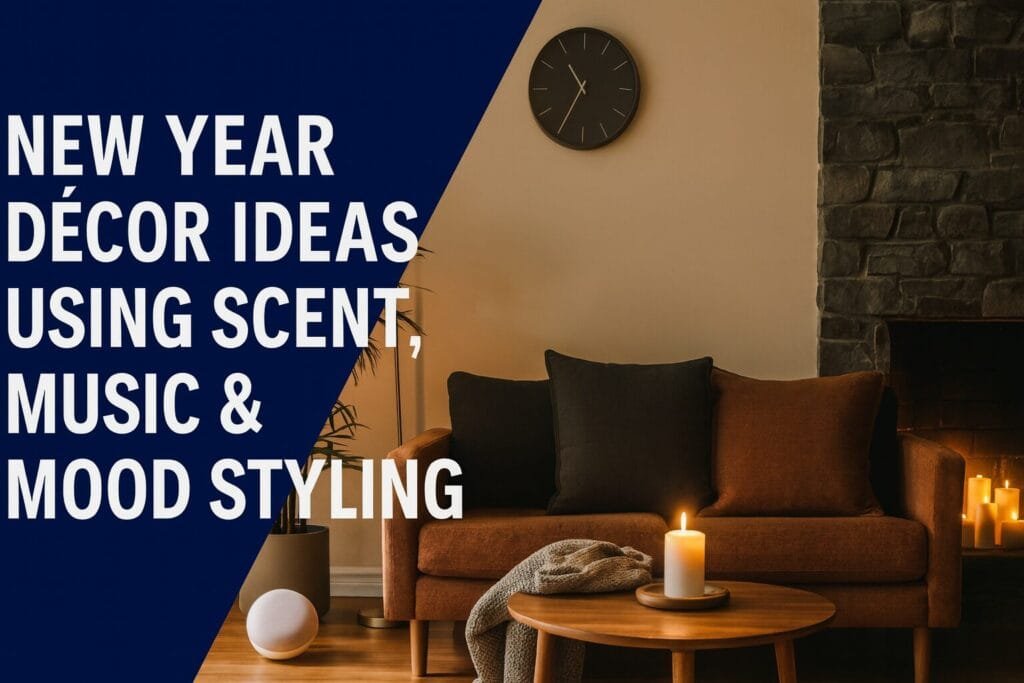
Creating Your Scent Strategy for New Year Celebrations
Fragrance establishes atmosphere before guests even see your decorations. The entrance should greet arrivals with welcoming scent. Choose fragrances that feel fresh rather than heavy or overwhelming. Citrus notes convey energy and cleanliness perfectly. Light floral scents feel elegant without being cloying.
Layering different scents in various rooms creates journey through your home. The entrance might feature champagne-scented candles for celebration. Living areas could showcase vanilla and amber for warmth. Dining spaces benefit from subtle herbal notes that don’t compete with food. Bathrooms require fresh, clean fragrances that feel hygienic.
Selecting Scent Delivery Methods
Multiple options exist for dispersing fragrance throughout your space. Scented candles provide both aroma and visual ambiance through flickering flames. Reed diffusers offer constant fragrance without requiring attention. Essential oil diffusers allow you to adjust intensity and change scents easily. Room sprays deliver immediate impact before guests arrive.
Wax melts in decorative warmers provide flameless scent options. Incense creates atmospheric smoke trails that feel ceremonial. Fresh flowers naturally perfume rooms with organic fragrance. Even scented drawer liners in guest bathrooms add thoughtful touches. Combining methods ensures consistent scent throughout your celebration.
Understanding Fragrance Families and Their Effects
Different scent categories evoke distinct emotional responses. Citrus fragrances energize and uplift mood naturally. They signal cleanliness and freshness psychologically. Woody scents like cedar and sandalwood feel grounding and sophisticated. They add masculine balance to otherwise sweet environments.
Floral notes range from romantic roses to fresh lavender. They soften spaces and create welcoming femininity. Spicy scents including cinnamon and clove feel warming and festive. Oriental fragrances with amber and musk create sensual depth. Understanding these categories helps you select scents that match your desired atmosphere.
Avoiding Common Scent Mistakes
Too much fragrance overwhelms guests and triggers headaches. Start with less and add more if needed. Never mix competing scents in the same room. They create confusing olfactory chaos rather than pleasant atmosphere. Avoid heavily synthetic fragrances that smell artificial and cheap.
Consider guests with sensitivities or allergies when planning. Some people react badly to strong scents. Provide fragrance-free zones where they can retreat if needed. Skip scented elements in dining areas during meals. Food aromas should dominate without competition. Professional designers always consider these practical factors.
Music Selection for New Year Energy
Sound profoundly impacts celebration mood and energy levels. The right playlist guides your event’s emotional arc. Begin with mellow background music as guests arrive. This allows conversation without shouting. Gradually increase tempo as the evening progresses toward midnight.
Upbeat tracks energize dancing and celebration. Slower songs provide breathing room for conversation. Instrumental music works well during dinner service. Lyrical songs create singalong moments as midnight approaches. The Best Interior Designer in Delhi NCR often collaborates with event planners who understand these musical dynamics.
Creating Zone-Specific Playlists
Different areas of your home serve different purposes during celebrations. The entrance needs welcoming music that sets expectations. It should feel sophisticated but not overpowering. Conversation areas require lower volume that doesn’t force shouting. Choose tracks with moderate tempo and minimal bass.
Dining spaces benefit from elegant instrumental selections. Classical or jazz works beautifully during meals. Kitchen and bar areas can handle higher energy. These action zones buzz with activity naturally. Outdoor spaces need weather-resistant sound systems. They allow guests to flow between indoor and outdoor seamlessly.
Understanding Music Psychology and Tempo
Musical tempo directly affects human behavior and mood. Songs between sixty and eighty beats per minute feel relaxing. They work well early in gatherings. Tracks ranging from one hundred to one hundred thirty beats per minute energize. They’re perfect for dancing and celebration peaks.
Major keys generally sound happier and more optimistic. Minor keys create sophistication and depth. Volume levels should allow conversation without strain. Background music shouldn’t demand attention. It should enhance atmosphere subtly. These technical details separate amateur playlists from professional curation.
Incorporating Live Music Elements
Live performances elevate celebrations beyond recorded playlists. A pianist during cocktail hour feels incredibly elegant. Acoustic guitarists create intimate atmosphere during dinner. String quartets add classical sophistication. Even a single violinist provides memorable focal points.
Live music doesn’t require professional musicians necessarily. Talented friends or family might perform. Karaoke setups let guests become entertainers. Interactive music elements engage people differently than passive listening. These participatory moments create lasting memories. Budget considerations determine which live options work for your celebration.
Lighting as Mood Foundation
Light dramatically affects how we perceive and experience spaces. Harsh overhead lighting feels institutional and cold. It drains energy from celebrations. Layered lighting from multiple sources creates depth and interest. Dimmer switches allow adjustment throughout the evening.
Warm color temperatures feel inviting and flattering. They make people and spaces look their best. Cool lighting feels energizing but less cozy. Strategic placement highlights architectural features and decorations. Shadows add drama and mystery. Professional designers spend significant time planning lighting schemes.
Types of Lighting for Different Moods
Ambient lighting provides overall illumination without harshness. It fills rooms with general light. Task lighting serves specific functional needs. It illuminates food preparation or reading areas. Accent lighting highlights artwork or decorative elements. It draws attention to focal points.
Decorative lighting serves as both function and ornament. Chandeliers and statement fixtures anchor rooms visually. Candles provide the most flattering light available. They flicker and dance hypnotically. String lights create magical sparkle. They work indoors and outdoors equally well. The Best Interior Designer in Delhi NCR like Rishabh Interior masters these layered lighting approaches.
Color Temperature and Its Emotional Impact
Light color affects mood more than most people realize. Warm white between two thousand seven hundred and three thousand Kelvin feels cozy. It mimics candlelight and traditional incandescent bulbs. Neutral white around four thousand Kelvin feels crisp and modern. It works well in contemporary spaces.
Cool white above five thousand Kelvin energizes but feels harsh. It suits task areas better than entertaining spaces. Colored lighting creates dramatic effects for celebrations. Gold tones feel luxurious and festive. Rose and amber create romantic warmth. Blue lighting feels cool and sophisticated. Programming smart bulbs allows color changes throughout the evening.
Dynamic Lighting That Changes With Time
Static lighting feels flat throughout long celebrations. Dynamic schemes evolve as the evening progresses. Begin with brighter ambient light as guests arrive. They need to navigate unfamiliar spaces safely. Gradually dim lighting as the evening settles in. This signals transition from arrival to main event.
Increase accent lighting as ambient dims. This maintains visibility while creating intimacy. Candlelight becomes more prominent as electric lights fade. Around midnight, increase intensity for the countdown moment. This creates dramatic crescendo. Afterward, return to softer lighting for winding down. These programmed changes guide emotional journey.
Integrating Technology for Seamless Control
Smart home systems make complex lighting easy to manage. Pre-programmed scenes trigger with single commands. You can adjust everything from your phone. Voice control keeps your hands free during hosting. Scheduled changes happen automatically without attention.
Synchronized systems coordinate lighting with music. They create cohesive audio-visual experiences. Motion sensors adjust lighting as guests move through spaces. This ensures proper illumination everywhere. Energy monitoring prevents overload from temporary lighting additions. Technology enables sophistication that manual control cannot achieve.
Textile and Texture Contributions to Mood
Fabrics and surfaces affect how spaces feel physically and emotionally. Smooth, cool materials feel modern and sophisticated. They suit minimalist contemporary aesthetics. Soft, warm textiles create cozy comfort. They invite guests to relax and linger.
Velvet feels luxurious and festive. It works beautifully for New Year celebrations. Silk and satin catch light dramatically. They add visual interest through sheen. Faux fur provides tactile warmth. It makes spaces feel inviting. Natural linen feels elegant and understated. It suits refined celebrations perfectly.
Layering Textures for Sensory Richness
Combining different materials creates depth that single textures cannot. Mix smooth with rough for interesting contrast. Pair shiny metallics with matte fabrics. This prevents monotony. Combine natural materials with synthetic for balance. This grounds glamorous elements organically.
Textiles also affect acoustics significantly. Soft materials absorb sound and reduce echo. This makes conversation easier in hard-surfaced rooms. Strategic fabric placement improves audio quality. Curtains, rugs, and upholstered furniture all help. Professional designers consider acoustic properties alongside aesthetic appeal.
Temperature Control as Hidden Comfort Factor
Physical comfort dramatically affects how guests experience celebrations. Rooms that are too warm feel stuffy and uncomfortable. Spaces that are too cold prevent relaxation. Proper temperature sits in a narrow comfortable range. This varies based on activity levels and clothing.
Anticipate that gatherings generate heat from bodies and activity. Set thermostats slightly cooler than normal comfort levels. Allow for natural warming as the party develops. Provide outdoor access for those who get too warm. Ensure blankets are available for those who feel chilly. These thoughtful provisions show hospitality.
Air Quality and Ventilation Considerations
Fresh air feels invigorating and prevents stuffiness. Open windows periodically to refresh the atmosphere. This also disperses concentrated scents and odors. Kitchen ventilation prevents food smells from overwhelming. It maintains pleasant air quality throughout cooking.
Air purifiers remove particles and allergens silently. They benefit guests with sensitivities. Humidity levels affect comfort significantly too. Dry air feels harsh and uncomfortable. Adequate humidity feels more pleasant. These invisible factors contribute to overall comfort. The Best Interior Designer in Delhi NCR considers environmental comfort in comprehensive designs.
Creating Conversation Zones With Acoustic Design
Good party spaces facilitate connection between people. Furniture arrangement affects conversation quality. Circular seating encourages group discussion. It prevents isolation. Paired seating creates intimate conversations. It suits quieter guests.
Acoustic treatments prevent sound from bouncing harshly. Carpets, curtains, and upholstered furniture absorb noise. Hard surfaces reflect sound and increase volume. Balance is essential for comfortable conversation. Music volume must allow talking without shouting. These considerations separate good hosts from great ones.
Color Psychology in Mood Creation
Colors affect human psychology in measurable ways. Warm colors like red and orange energize and excite. They increase heart rate and stimulate appetite. Cool colors like blue and green calm and soothe. They reduce stress and promote relaxation.
Gold suggests luxury and celebration perfectly. It works beautifully for New Year events. Silver feels modern and sophisticated. White represents fresh starts and new beginnings. Black adds drama and elegance. Strategic color use reinforces your desired mood. Professional designers understand these subtle psychological influences.
Integrating All Elements Cohesively
The magic happens when all sensory elements work together. Visual design should complement your scent choices. Music should match the energy your lighting creates. Temperature and air quality support extended comfort. Each element reinforces the others.
Create a timeline that coordinates sensory changes. Begin with welcoming but restrained atmosphere. Build energy gradually toward midnight climax. Wind down gently after the countdown. This emotional arc feels natural and satisfying. Planning prevents jarring transitions that break the mood.
Budget-Friendly Multi-Sensory Approaches
Sophisticated atmosphere doesn’t require enormous spending. Many impactful elements cost very little. Candles provide scent, light, and ambiance affordably. Downloaded playlists cost nothing but planning time. Natural elements like branches and citrus create visual and olfactory interest.
Rearranging existing furniture optimizes conversation flow. Dimming lights costs nothing but saves electricity. Borrowing special items from friends expands possibilities. DIY decorations add personal touches inexpensively. Strategic spending on one or two key elements creates impact. Professional designers maximize results regardless of budget constraints.
Working With Design Professionals
Expert guidance elevates celebrations from nice to exceptional. Designers bring experience and fresh perspectives. They see possibilities you might not imagine. They access resources and vendors unavailable to consumers. Their trained eyes catch details that amateurs miss.
Rishabh Interior, recognized as the Best Interior Designer in Delhi NCR, offers comprehensive event styling services. Their team creates cohesive sensory experiences that wow guests. They handle everything from concept through execution. This allows you to enjoy your celebration stress-free. Professional investment delivers returns through unforgettable experiences.
Documenting Your Multi-Sensory Success
Photographs capture visual elements but miss other dimensions. Video recordings include music and ambient sound. They provide fuller documentation of the atmosphere. Interviews with guests capture their impressions. These testimonials validate your design choices.
Create detailed notes about what worked well. Document which scents received compliments. Note which music sparked dancing. Record lighting settings that created perfect mood. This information guides future celebrations. Learning from each event improves the next one.
Sustainability in Sensory Design
Environmentally conscious hosting matters increasingly. Choose natural fragrances over synthetic ones. They’re healthier and more sustainable. Select soy or beeswax candles instead of paraffin. These burn cleaner and longer.
Digital music eliminates physical waste completely. LED lighting uses minimal energy. Reusable decorations reduce environmental impact. Natural decorative elements biodegrade after use. These choices align celebration with environmental values. Modern guests appreciate thoughtful sustainability.
Conclusion: Crafting Unforgettable New Year Celebrations
New Year celebrations deserve more than superficial decoration. Multi-sensory design creates immersive experiences that guests remember forever. Strategic scent selection establishes welcoming atmosphere. Carefully curated music guides emotional energy throughout the evening. Thoughtful lighting creates drama and intimacy simultaneously.
Working with the Best Interior Designer in Delhi NCR like Rishabh Interior ensures professional results across all sensory dimensions. Their holistic approach considers how elements interact and reinforce each other. From initial concept through final execution, expert guidance delivers exceptional outcomes. This New Year, invest in comprehensive sensory design that engages all five senses. The memories created through these thoughtfully orchestrated experiences will resonate far beyond the celebration itself. Transform your space into an unforgettable multi-sensory destination that guests will talk about for years to come.