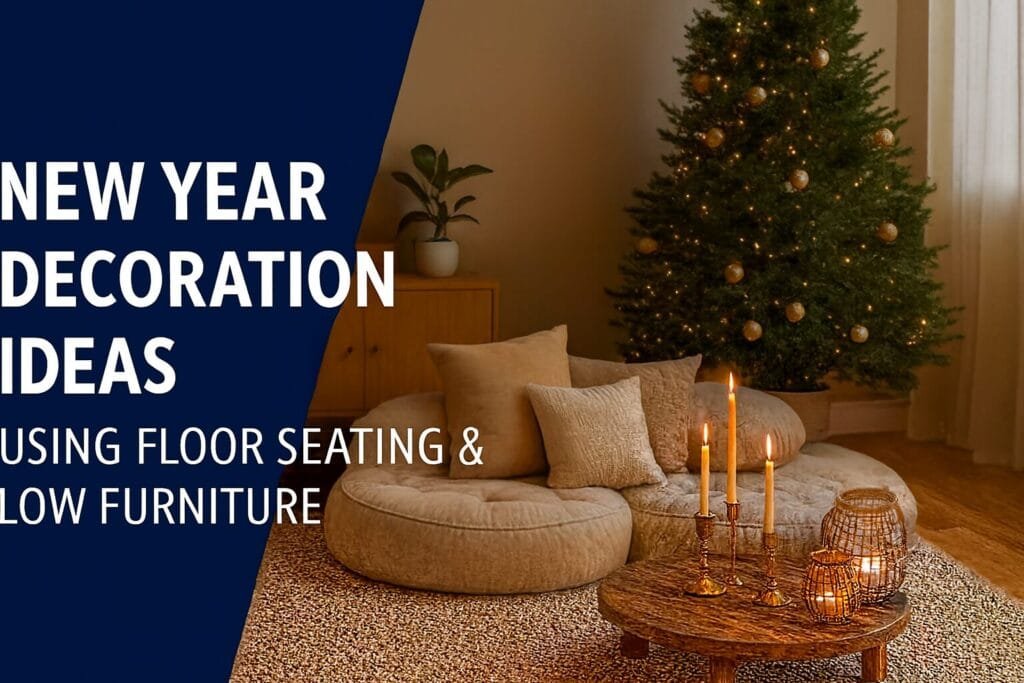
ew Year Decoration Ideas Using Floor Seating & Low Furniture
The new year brings opportunities to reimagine how we live in our spaces. While Western-style furniture dominates many modern homes, floor seating and low furniture offer compelling alternatives that blend tradition with contemporary comfort. This approach creates intimate, versatile spaces that encourage relaxation and meaningful connection.
Floor seating represents more than a design choice. It embodies lifestyle philosophies emphasizing groundedness, flexibility, and mindful living. As we enter 2025, many homeowners rediscover the benefits of living closer to the ground. They appreciate how this arrangement transforms both the functionality and atmosphere of their homes.
Working with the Best Interior Designer in Delhi NCR ensures floor seating arrangements achieve both beauty and practicality. Professional designers understand spatial planning, proportion, and ergonomics essential for successful low furniture layouts. They prevent common mistakes while creating spaces that truly enhance daily life.
Understanding the Appeal of Floor Seating Culture
Floor seating has deep roots in Indian culture and many Asian traditions. For centuries, people gathered on floors for meals, conversations, and celebrations. This practice fostered equality, as everyone sat at the same level. It also promoted flexibility, allowing spaces to adapt easily for different uses.
Modern interest in floor seating stems from multiple factors. Minimalist design movements appreciate the clean lines and open feel low furniture creates. Wellness enthusiasts value the physical benefits of floor sitting, which naturally encourages better posture and flexibility. Parents with young children find floor-level living safer and more child-friendly.
The visual impact of low furniture transforms room proportions dramatically. Removing tall pieces opens sightlines and makes ceilings appear higher. This creates the illusion of more space even in compact homes. The effect proves particularly valuable in urban apartments where square footage comes at premium prices.
Cultural fusion drives contemporary floor seating adoption. Young professionals blend traditional practices with modern aesthetics. They want homes honoring heritage while reflecting current tastes. Low furniture arrangements satisfy both desires beautifully when executed thoughtfully.
Creating Welcoming Entryways with Low Seating Elements
First impressions set the tone for entire homes. Entry areas benefit tremendously from thoughtful low seating arrangements. These spaces become more than transitional zones. They transform into welcoming areas that invite guests to pause and settle in.
Floor cushions stacked near entryways provide casual seating for removing shoes. This practical element aligns with many cultural practices while adding color and texture. Choose cushions in fabrics that complement your overall palette. Patterns can introduce visual interest without overwhelming compact spaces.
Low wooden benches serve multiple purposes in entryways. They offer seating while providing storage underneath. Many traditional designs feature carved details that add character. Modern interpretations use clean lines and natural finishes. Both approaches work depending on your overall design direction.
Console tables at reduced heights maintain functionality while supporting the low furniture aesthetic. These pieces hold keys, mail, and decorative objects at accessible levels. Paired with floor seating nearby, they create cohesive entry arrangements that feel intentional and complete.
The Best Interior Designer in Delhi NCR helps determine appropriate furniture heights for your specific entry dimensions. Professional guidance prevents pieces from feeling too small or disproportionate. Designers also ensure traffic flow remains unobstructed despite added seating elements.
Designing Living Rooms Around Floor Seating
Living rooms represent the heart of most homes. Converting these spaces to floor seating arrangements requires careful planning but delivers remarkable results. The transformation creates relaxed environments perfect for both everyday living and entertaining guests.
Large floor cushions form the foundation of floor seating living rooms. These oversized pillows provide comfortable support for extended sitting. Quality matters enormously here. Well-made cushions maintain their shape and provide proper support. Cheap alternatives flatten quickly and offer inadequate comfort.
Low coffee tables anchor seating arrangements while maintaining the horizontal emphasis. Traditional designs might feature carved legs and brass accents. Contemporary versions use materials like marble, wood, or metal in streamlined forms. The table height should allow comfortable reach from floor level without requiring awkward stretching.
Bolsters and cylindrical pillows provide back support and positional variety. People can lean against them, use them as armrests, or reposition them as needed. This flexibility allows the same space to accommodate different numbers of people and activities comfortably.
Area rugs define conversation zones while adding essential cushioning. Layering rugs creates visual interest and additional softness. Base layers might use natural fiber rugs like jute or sisal. Upper layers can introduce pattern and color through traditional or contemporary designs.
Maximizing Comfort Through Strategic Cushion Selection
Comfort determines whether floor seating succeeds or fails. Uncomfortable arrangements get abandoned quickly regardless of aesthetic appeal. Understanding cushion construction, fill materials, and sizing ensures your floor seating remains inviting long-term.
Cushion thickness significantly impacts comfort levels. Thinner cushions work for short periods but prove inadequate for extended sitting. Aim for cushions at least four to six inches thick. This provides enough padding to prevent discomfort even after hours of use.
Fill materials range from foam to cotton batting to buckwheat hulls. Each offers different characteristics. High-density foam provides firm, consistent support. Cotton creates softer, more moldable cushions. Buckwheat conforms to body shapes while offering excellent support. Consider mixing types for varied seating experiences.
Cushion covers should be removable for cleaning. Floor-level items inevitably encounter more dust and spills than elevated furniture. Machine-washable covers make maintenance manageable. Choose durable fabrics that withstand frequent washing without fading or deteriorating.
Size variety creates more interesting and functional arrangements. Mix large square cushions with smaller rectangular ones. Add round bolsters for contrast. This variety looks better than uniform cushions while accommodating different seating preferences and body types.
Incorporating Low Tables for Functionality
Tables provide essential functionality in any living space. Low furniture schemes require rethinking table heights and proportions. When done correctly, these pieces maintain utility while supporting the overall design aesthetic.
Coffee tables at twelve to eighteen inches high work well with floor seating. This height allows comfortable reach without dominating the visual field. People seated on cushions can easily access items on the table surface.
Nesting tables offer flexibility in low furniture arrangements. Multiple small tables can be spread across a seating area or stacked when not needed. This adaptability proves valuable when entertaining varying numbers of guests.
Tray tables provide portable surface space that can be moved as needed. Traditional brass or wooden trays on folding stands bring authentic cultural elements. Contemporary versions might use acrylic or powder-coated metal. Both approaches add functional beauty.
Storage becomes important when living low. Coffee tables with built-in storage keep spaces organized despite limited vertical furniture. Drawers, shelves, or lift-top designs hide clutter while maintaining clean surfaces.
Working with the Best Interior Designer in Delhi NCR ensures table selections complement cushion heights and overall proportions. Professional designers visualize complete arrangements before purchase. This prevents costly mistakes and creates cohesive, functional spaces.
Creating Dining Areas with Floor Seating
Traditional floor dining offers unique intimacy and cultural authenticity. Modern interpretations blend these benefits with contemporary comfort and style. Converting dining areas to floor seating requires specific considerations around table height, cushion support, and practical functionality.
Low dining tables typically stand twelve to sixteen inches high. This height accommodates cross-legged or stretched-leg sitting positions comfortably. Table surfaces should be large enough for place settings while remaining accessible from all sides without awkward reaching.
Firm cushions work better for dining than lounging. Softer cushions that feel comfortable for relaxing provide inadequate support for meal consumption. Dedicated dining cushions with denser foam help maintain better posture during eating.
Backrests become valuable additions for dining areas. Free-standing cushioned backrests lean against walls, providing support without requiring installed furniture. These pieces allow comfortable dining for extended periods without the fatigue floor sitting sometimes causes.
Storage for dining accessories needs thoughtful planning. Low sideboards or buffets maintain the horizontal design language while providing places for dishes, linens, and serving pieces. Built-in storage along walls maximizes functionality without cluttering floor space.
Designing Bedrooms with Low Furniture Principles
Bedrooms naturally suit low furniture approaches. Beds close to the ground create calm, grounded environments conducive to rest. Additional low furniture reinforces this peaceful aesthetic while maximizing visual space.
Platform beds without legs or with very short legs embrace floor-level living in sleeping spaces. These frames sit directly on the floor or just inches above. The low profile makes rooms feel more spacious while creating modern, minimalist aesthetics.
Floor cushions supplement bedroom seating without requiring space for chairs. Large cushions near windows create reading nooks. Smaller ones can be stacked when not in use. This flexibility proves valuable in smaller bedrooms where permanent seating feels cramped.
Low dressers and storage units maintain the horizontal emphasis while providing necessary functionality. Pieces under thirty inches high keep sightlines open. They also make items more accessible, reducing the reaching and bending that taller furniture requires.
Bedside tables at reduced heights work better with low beds. Standard nightstands look awkward next to platform beds close to the floor. Choosing or customizing pieces that maintain proportional relationships creates more harmonious arrangements.
The Best Interior Designer in Delhi NCR helps balance low furniture with necessary storage in bedrooms. Professional designers maximize functionality while maintaining the aesthetic and psychological benefits of living close to the ground.
Incorporating Traditional Elements with Contemporary Comfort
Successful floor seating design often blends traditional forms with modern comfort innovations. This fusion honors cultural roots while addressing contemporary lifestyle needs. The balance creates spaces feeling both authentic and livable.
Traditional Indian seating includes diwans, which are low couches with cushions. Modern versions adapt these forms using contemporary materials and construction techniques. The result maintains cultural authenticity while meeting current comfort standards.
Carved wooden furniture brings traditional craftsmanship into low furniture schemes. Pieces featuring jali work or intricate carving add visual interest and cultural depth. These elements prevent spaces from feeling too minimal or sterile.
Brass and copper accents connect to traditional Indian design vocabulary. Low tables with metal tops or legs introduce warm metallic tones. These materials develop beautiful patinas over time, becoming more attractive with age.
Contemporary fabrics on traditional forms create interesting juxtapositions. A classic cushion shape covered in modern geometric prints bridges past and present. This approach works particularly well in homes where multiple generations with different aesthetic preferences live together.
Addressing Practical Concerns with Floor Seating
While floor seating offers numerous benefits, practical considerations require honest assessment. Understanding challenges allows you to address them proactively. This prevents disappointment and ensures your low furniture investment succeeds long-term.
Accessibility concerns affect some individuals. People with mobility limitations, joint problems, or certain health conditions may struggle with floor seating. Incorporating varied seating heights accommodates different needs while maintaining overall design direction. A few slightly elevated seats make spaces more inclusive.
Cleaning requires different approaches with floor-level living. Vacuum cleaners must fit under low tables. Cushion covers need regular washing. More floor space remains visible, making dust and debris more noticeable. However, these challenges are manageable with appropriate planning and routines.
Temperature considerations come into play with floor seating. Heat rises, making floor levels cooler than elevated furniture. This can be pleasant in warm climates but uncomfortable in cold ones. Area rugs provide insulation. Radiant floor heating offers more comprehensive solutions in colder regions.
Pet ownership influences floor seating practicality. Dogs and cats gravitate toward floor-level cushions. Washable covers become essential. You might also designate specific cushions for pets, protecting others from fur and wear.
Styling Floor Seating Arrangements for Visual Appeal
Functional comfort matters tremendously, but visual appeal determines whether spaces feel truly successful. Styling floor seating requires understanding color, texture, pattern, and proportion. These elements work together creating cohesive, attractive environments.
Color schemes should consider the increased visibility of floors and lower walls. With less tall furniture obscuring views, these surfaces become more prominent. Coordinating cushions with flooring and lower wall colors creates harmony. Conversely, contrast can define zones and add drama.
Texture layering adds depth and interest to low furniture arrangements. Mix smooth fabrics with nubby weaves. Combine leather with cotton. Include metallic accents with natural fibers. This variety creates visual richness that prevents spaces from feeling flat or monotonous.
Pattern mixing requires restraint and skill. Too many competing patterns create chaos. Too few make spaces feel boring. A balanced approach uses one or two larger patterns with smaller-scale complementary designs. Solid colors provide visual rest between patterned elements.
Proportional balance ensures arrangements feel intentional rather than haphazard. Group cushions of varying sizes thoughtfully. Position small decorative objects on tables without overcrowding. Leave negative space that allows individual pieces to register visually.
The Best Interior Designer in Delhi NCR brings trained eyes to styling challenges. Professional designers create arrangements that photograph beautifully while remaining functional for daily living. This balance proves difficult for untrained homeowners to achieve consistently.
Lighting Considerations for Low Furniture Spaces
Lighting takes on special importance in floor seating environments. Traditional lighting designed for standard-height furniture doesn’t always work well. Rethinking illumination ensures spaces remain functional and atmospheric.
Floor lamps positioned near seating areas provide task lighting for reading or conversation. Adjustable styles offer flexibility for different activities. Choose lamps with weighted bases that won’t tip easily despite their floor-level positioning.
Table lamps on low tables require special consideration regarding shade height and bulb exposure. Shades positioned too low can blind people seated on the floor. Conversely, exposed bulbs create glare. Selecting appropriate lamp proportions prevents these problems.
Ambient lighting becomes more important without tall furniture absorbing light. Ceiling fixtures should distribute illumination evenly. Recessed lighting, track lighting, or decorative pendants all work depending on architectural features and design preferences.
Accent lighting highlights architectural details and decorative objects. Wall sconces at lower heights work better with floor seating than standard installations. LED strip lighting under low shelving or platforms creates atmospheric effects.
Natural light streaming into low furniture spaces feels particularly pleasant. Without tall furniture blocking windows, daylight reaches deeper into rooms. Sheer curtains or blinds provide privacy without sacrificing this valuable natural illumination.
Seasonal Decoration with Floor Seating Elements
Floor seating arrangements adapt beautifully for seasonal decoration. The flexibility inherent to low furniture schemes facilitates easy updates. Small changes create fresh looks without requiring major rearrangement or investment.
Textile swaps offer the easiest seasonal refreshes. Summer might feature light cotton cushion covers in cool colors. Winter brings heavier fabrics like wool or velvet in warm tones. This simple change dramatically shifts the mood and comfort level.
Decorative objects on low tables can reflect seasonal themes. Fresh flowers and light colors celebrate spring. Candles and rich textures embrace fall. These small touches keep spaces feeling current and intentional throughout the year.
Layering rugs creates seasonal depth. Add lighter woven rugs during warm months. Layer plush, thick rugs for winter warmth. This approach adjusts both visual warmth and physical comfort with changing temperatures.
Throw blankets become functional accessories during cooler months. Draped over cushions or folded nearby, they add texture while providing practical warmth. Choose blankets that complement your color scheme while introducing seasonal variety.
The Rishabh Interior Approach to Floor Seating Design
Rishabh Interior exemplifies how the Best Interior Designer in Delhi NCR creates successful floor seating environments. Their approach balances aesthetic vision with practical functionality. They understand that beautiful spaces must also support daily living comfortably.
The firm’s experience across residential and commercial projects provides versatility in applying floor seating concepts. They adapt the approach appropriately for different spaces and uses. A family home requires different considerations than a yoga studio or meditation center, despite both potentially using floor seating.
Client collaboration ensures designs reflect individual lifestyles and preferences. Rishabh Interior invests time understanding how clients live in their spaces. This knowledge informs recommendations about cushion firmness, table heights, and storage needs. The result feels personalized rather than imposed.
Material selection expertise ensures durability and appropriate quality. Professional designers distinguish between pieces that will last and those that appear attractive initially but won’t stand up to regular use. This knowledge protects clients from costly mistakes.
The firm’s project management capabilities handle the complexity of custom furniture and specialized sourcing. Finding quality floor cushions, low tables, and complementary pieces requires knowing where to look. Established vendor relationships provide access to better products and pricing.
Creating Multi-Functional Spaces with Floor Seating
Modern homes demand flexibility. Spaces must adapt for different uses throughout the day and week. Floor seating arrangements naturally support this versatility better than conventional furniture.
Living areas can transition easily from relaxed lounging to formal entertaining. Rearranging cushions takes moments compared to moving heavy couches. Additional seating appears quickly by adding more floor cushions from storage.
Home offices benefit from including floor seating zones. Working from cushions provides postural variety throughout the day. Alternating between desk work and floor-level laptop use prevents the stiffness that extended sitting in one position creates.
Yoga and meditation practices integrate seamlessly into floor seating spaces. The same cushions used for conversation support wellness practices. This efficiency appeals to those wanting homes that support multiple aspects of their lives without requiring dedicated single-purpose rooms.
Children naturally gravitate toward floor-level living. Spaces designed around low furniture become more child-friendly automatically. Parents can supervise play more easily. Young children access tables and storage independently, fostering developing autonomy.
Investment Considerations and Long-Term Value
Floor seating implementation requires financial investment. Understanding costs helps with budgeting and prioritization. While quality pieces command appropriate prices, they also deliver excellent long-term value.
Custom cushions cost more than mass-produced alternatives but fit spaces perfectly and last significantly longer. The investment pays off through years of comfortable use. Off-the-shelf cushions might save money initially but often require replacement within a few years.
Quality low tables can be found at various price points. Solid wood pieces cost more but develop character over decades. Well-made composite alternatives provide good value for tighter budgets. The Best Interior Designer in Delhi NCR helps clients navigate options matching their financial parameters while maintaining quality standards.
Phased implementation makes floor seating more accessible financially. Start with essential pieces for one room. Add elements gradually as budget allows. This approach spreads costs while letting you refine preferences through experience.
Resale value might concern some homeowners. Well-made floor seating furniture holds value similarly to conventional pieces. Quality craftsmanship and materials remain desirable regardless of specific style. Additionally, the growing interest in alternative seating arrangements expands potential buyer appeal.
Future-Proofing Your Floor Seating Investment
Design trends cycle constantly, but floor seating’s cultural roots and practical benefits provide lasting relevance. Creating arrangements that remain functional and attractive for years requires thoughtful planning.
Neutral base elements allow for easy updates through accessories. Invest in quality cushions and tables in versatile colors and materials. Add personality and trend-responsiveness through easily changed elements like covers, throws, and decorative objects.
Timeless design principles transcend temporary trends. Clean lines, quality materials, and proper proportions create foundations that remain attractive indefinitely. Avoid overly trendy colors or patterns in major pieces unless you’re prepared to update them regularly.
Flexibility should be built into floor seating arrangements. Choose pieces that can be reconfigured easily. This adaptability allows spaces to evolve with changing needs without requiring complete replacements.
Quality construction ensures physical longevity. Well-made furniture can be refinished, reupholstered, or updated cosmetically. This extends useful life dramatically compared to disposable alternatives. The initial premium for quality proves economical over time.
Conclusion: Embracing Low Living for the New Year
Starting the new year with floor seating arrangements creates opportunities for meaningful lifestyle changes. These spaces encourage different ways of gathering, relaxing, and connecting. They challenge conventional assumptions about how homes should look and function.
The benefits extend beyond aesthetics. Physical wellness improves through varied sitting positions. Spatial perception shifts as rooms feel larger and more open. Cultural connections deepen when embracing traditional seating practices in contemporary contexts.
Professional design guidance maximizes these benefits while minimizing potential pitfalls. The Best Interior Designer in Delhi NCR brings expertise in spatial planning, material selection, and styling that transforms good intentions into beautiful, functional realities. This guidance proves invaluable whether converting entire homes or creating single floor seating rooms.
As you plan new year home refreshes, consider whether floor seating might enhance your living experience. The initial adjustment period quickly gives way to appreciation for this grounded, flexible, intimate way of inhabiting space. Your home deserves design approaches as unique and intentional as the life you’re building within it.