Sensory-Friendly Interior Design for Adults
Sensory sensitivities affect millions of adults worldwide. Many people experience overwhelm from bright lights or loud noises. Strong scents can trigger headaches and discomfort. Rough textures create anxiety and physical stress. These challenges impact daily life significantly.
The Best Interior Designer in Delhi NCR recognizes these sensory needs. They create spaces that calm rather than overstimulate. Every design choice considers how it affects the senses. Comfort becomes the foundation of aesthetic decisions.
Sensory-friendly design isn’t just for those with diagnosed conditions. Highly sensitive people benefit enormously from thoughtful environments. Introverts find sanctuary in properly designed spaces. Anyone experiencing modern life’s constant stimulation appreciates sensory calm.
Creating a home that supports sensory wellbeing improves quality of life. Sleep becomes more restorative in peaceful environments. Work productivity increases in properly designed home offices. Relaxation happens naturally in spaces built for comfort.
The Science Behind Sensory-Responsive Spaces
Our brains process sensory information constantly and simultaneously. Visual input, sounds, smells, textures, and temperatures all register. This continuous processing can become exhausting quickly. Overstimulation leads to stress, anxiety, and fatigue.
The Best Interior Designer in Delhi NCR applies neuroscience to design. They understand how environments affect brain function. Color choices influence neurotransmitter production. Spatial arrangements impact stress hormone levels.
Research shows that sensory environments affect physical health. Harsh lighting disrupts circadian rhythms and sleep quality. Constant noise exposure raises blood pressure measurably. Poor air quality triggers respiratory and cognitive issues. Thoughtful design mitigates these harmful effects.
Predictable, organized spaces reduce cognitive load significantly. The brain expends less energy navigating familiar patterns. Visual clutter forces constant decision-making and attention shifts. Streamlined environments conserve mental energy for meaningful activities.
Visual Comfort Through Thoughtful Design
Visual processing consumes tremendous mental resources daily. Bright fluorescent lighting causes eye strain and headaches. Busy patterns overwhelm the visual cortex quickly. Harsh color contrasts create discomfort and fatigue.
Soft, natural lighting forms the foundation of visual comfort. Large windows provide gentle daylight throughout the day. Sheer curtains diffuse harsh direct sunlight beautifully. Warm-toned LED bulbs create evening coziness. Dimmable fixtures adapt to changing needs and moods.
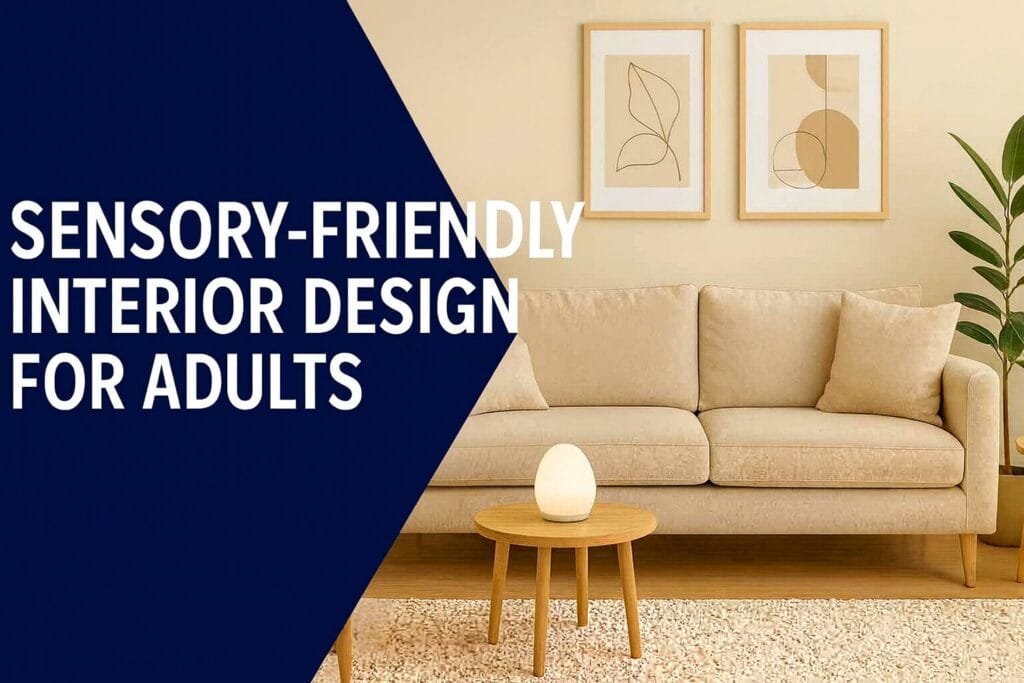
The Best Interior Designer in Delhi NCR selects colors strategically. Muted earth tones create grounding peaceful atmospheres. Soft blues and greens promote relaxation naturally. Warm neutrals provide comfort without stimulation. Monochromatic schemes reduce visual processing demands.
Pattern selection requires careful consideration for sensory comfort. Small-scale patterns work better than large graphics. Organic designs feel more calming than geometric shapes. Minimal pattern use prevents visual overwhelm effectively. Solid colors dominate successful sensory-friendly spaces.
Acoustic Design for Peace and Quiet
Sound sensitivity affects concentration, mood, and stress levels. Urban environments assault ears with constant noise. Traffic sounds penetrate even closed windows. Neighbor activities intrude on personal space. Internal echoes create additional auditory stress.
Sound-absorbing materials transform noisy spaces into peaceful retreats. Thick carpeting muffles footsteps and dropped objects. Heavy curtains block external noise while absorbing internal sounds. Upholstered furniture prevents sound reflection and echoing. Cork and acoustic panels integrate beautifully into modern aesthetics.
The Best Interior Designer in Delhi NCR plans acoustics intentionally. They position bedrooms away from street noise. Living areas buffer between outdoors and sleeping zones. Closets and storage spaces act as sound barriers. Thoughtful layout planning protects auditory peace.
White noise systems mask disruptive unpredictable sounds. Gentle fans provide consistent background ambiance. Water features create soothing natural soundscapes. These controlled sounds feel less stressful than random noises. Predictable audio environments reduce anxiety significantly.
Tactile Considerations for Physical Comfort
Touch sensitivity influences comfort in subtle but important ways. Scratchy fabrics cause constant low-level irritation. Cold hard surfaces feel unwelcoming and harsh. Sticky or rough textures trigger avoidance behaviors. Physical comfort affects emotional wellbeing profoundly.
Natural soft fabrics create welcoming tactile experiences. Cotton and linen feel breathable and gentle. Wool provides warmth without synthetic irritation. Silk adds luxury while remaining soft. Quality natural materials justify their investment through daily comfort.
The Best Interior Designer in Delhi NCR selects furniture thoughtfully. Smooth wood finishes feel pleasant to touch. Soft rounded edges prevent sharp uncomfortable contact. Cushioned seating supports bodies without pressure points. Every surface receives tactile consideration.
Temperature regulation affects tactile comfort significantly. Radiant floor heating provides gentle consistent warmth. Breathable natural materials prevent overheating and sweating. Layered textiles allow personal temperature adjustment. Comfortable temperature maintains sensory calm throughout seasons.
Olfactory Wellness in Interior Spaces
Scent sensitivity varies widely among individuals. Artificial fragrances trigger headaches and nausea. Chemical smells from new materials cause discomfort. Poor ventilation concentrates unpleasant odors. Olfactory overwhelm affects concentration and mood.
Natural ventilation provides the best air quality possible. Cross-ventilation removes stale air and odors effectively. Fresh air reduces chemical concentrations from furnishings. Opening windows regularly prevents stuffiness and staleness. Good airflow supports both comfort and health.
The Best Interior Designer in Delhi NCR selects low-VOC materials. Paints release minimal chemicals after application. Natural wood emits pleasant organic scents. Stone and metal remain odor-neutral. Material selection protects sensitive noses carefully.
Air purification systems remove irritating particles and odors. HEPA filters capture allergens and pollutants. Activated carbon absorbs chemical smells effectively. Plants naturally filter air while adding life. Clean air supports sensory comfort and physical health.
Minimalism and Clutter Management
Visual clutter creates constant low-level stress. Too many objects demand attention simultaneously. Surfaces covered with items prevent relaxation. Disorganization forces continuous decision-making. Simplified spaces calm overstimulated minds.
Strategic storage solutions hide necessary items beautifully. Built-in cabinets provide ample concealed storage. Closed shelving prevents visual overwhelm from contents. Under-bed storage utilizes wasted space effectively. Every item finds a designated invisible home.
The Best Interior Designer in Delhi NCR champions intentional minimalism. They help clients identify truly necessary possessions. Quality replaces quantity in furnishing selections. Each piece serves clear functional or emotional purposes. Restraint creates breathing room for minds and spirits.
Open surfaces provide visual rest for tired eyes. Clear countertops signal completion and order. Empty walls offer peaceful negative space. Minimal decoration prevents sensory overload. Simplicity becomes the ultimate sophistication.
Lighting Layers for Sensory Comfort
Single-source lighting creates harsh uncomfortable environments. Overhead fixtures cast unflattering shadows. Bright general lighting overstimulates sensitive eyes. Flexible lighting adapts to activities and moods.
Ambient lighting provides soft overall illumination. Indirect lighting bounces off ceilings and walls. Wall sconces create gentle perimeter glow. Concealed LED strips offer subtle background light. Base lighting should never feel harsh or bright.
The Best Interior Designer in Delhi NCR creates layered lighting schemes. Task lighting supports specific activities like reading. Accent lighting highlights architectural features subtly. Decorative fixtures add warmth without glare. Multiple sources provide flexibility and control.
Smart controls enable precise lighting adjustments. Dimmer switches modify intensity for comfort. Color temperature controls shift warmth throughout day. Programmable systems automate circadian-friendly patterns. Technology serves sensory needs unobtrusively.
Nature Connection for Sensory Balance
Biophilic design supports sensory regulation naturally. Views of greenery reduce stress measurably. Natural materials ground spaces in organic comfort. Living elements provide dynamic gentle stimulation.
Indoor plants improve air quality while adding life. Low-maintenance varieties suit busy lifestyles perfectly. Greenery creates focal points without visual chaos. The gentle movement of leaves soothes anxious minds. Living elements connect interiors to nature rhythms.
Natural materials offer superior sensory experiences. Wood grain provides pleasing visual texture. Stone feels substantial and timeless. Natural fibers breathe and age beautifully. These materials create authentic grounding environments.
The Best Interior Designer in Delhi NCR integrates nature thoughtfully. Water features provide soothing ambient sound. Natural light exposure supports healthy circadian rhythms. Organic shapes feel more comfortable than harsh geometry. Biophilic principles create inherently sensory-friendly spaces.
Color Psychology for Emotional Regulation
Colors profoundly affect mood and energy levels. Bright reds increase heart rate and alertness. Soft blues calm nervous systems measurably. Yellow can energize or agitate depending on saturation. Strategic color use supports emotional balance.
Cool colors generally promote relaxation and focus. Sage green creates peaceful natural atmospheres. Soft gray provides neutral calming backdrops. Muted blue-greens combine tranquility with freshness. These hues support sensory-sensitive nervous systems.
The Best Interior Designer in Delhi NCR uses color therapeutically. Warm neutrals like beige and cream feel comforting. Soft terracotta adds warmth without overstimulation. Pale pink creates gentle nurturing environments. Each color serves emotional and sensory purposes.
Color intensity matters as much as hue selection. Muted tones feel less demanding than saturated colors. Pastels provide color without visual assault. Near-neutrals offer subtle variation without stress. Gentle palettes create truly restful spaces.
Furniture Selection for Sensory Needs
Furniture choices dramatically impact sensory comfort. Sharp edges create anxiety and physical danger. Hard surfaces lack welcoming comfort. Unstable pieces generate unconscious stress. Thoughtful selection addresses these concerns.
Rounded organic forms feel more approachable and safe. Curved sofas invite relaxation naturally. Oval tables prevent painful collisions. Flowing lines create visual calm. Soft shapes reduce environmental stress.
The Best Interior Designer in Delhi NCR prioritizes comfort ergonomics. Deep seating supports full-body relaxation. Adjustable furniture accommodates individual needs. Stable substantial pieces provide security. Quality construction prevents annoying squeaks and wobbles.
Scale matters in sensory-friendly spaces. Oversized furniture overwhelms small rooms visually. Undersized pieces feel insubstantial and unstable. Properly proportioned furniture creates balanced comfortable environments. Right-sizing prevents sensory strain.
Technology Integration Without Overstimulation
Modern technology offers convenience but creates sensory challenges. Screen glare causes eye strain and headaches. Electronic hums register subconsciously creating stress. Notification sounds interrupt concentration constantly. Thoughtful integration manages these issues.
Hidden technology reduces visual clutter effectively. Built-in speakers eliminate visible equipment. Concealed charging stations prevent cord chaos. Retractable screens disappear when not needed. Technology serves without dominating spaces.
The Best Interior Designer in Delhi NCR creates tech-friendly zones. Dedicated spaces contain work technology separately. Living areas remain screen-free for true relaxation. Bedrooms exclude electronics for better sleep. Boundaries prevent technology overwhelm.
Blue light filtering improves evening comfort. Warm-toned lighting counteracts screen glare. Strategic positioning prevents reflection and glare. Technology becomes tool rather than stressor. Mindful integration respects sensory needs.
Spatial Organization for Predictability
Chaotic disorganized spaces increase anxiety levels. Unpredictable layouts force constant navigation decisions. Unclear zones create confusion and frustration. Organized spaces reduce cognitive load significantly.
Clear zoning defines activity areas intuitively. Living spaces separate from sleeping areas. Work zones exist apart from relaxation spaces. Visual and physical boundaries create order. Predictable organization calms anxious minds.
The Best Interior Designer in Delhi NCR creates logical flow. Circulation paths remain clear and obvious. Frequently used items stay accessible. Rarely needed objects store out of sight. Intuitive organization prevents daily frustration.
Consistent systems maintain long-term order. Everything has a designated location. Similar items group together logically. Visual cues support memory and habit. Sustainable organization respects sensory needs ongoing.
Personal Retreats Within Homes
Everyone needs private space for decompression. Open plans offer minimal escape from stimulation. Dedicated quiet zones support sensory recovery. Personal retreats enable nervous system regulation.
Reading nooks provide cozy isolated comfort. Window seats offer light and views. Corner spaces create natural boundaries. Small dedicated areas serve big purposes. Even compact homes can include retreats.
The Best Interior Designer in Delhi NCR designs sensory sanctuaries. These spaces prioritize comfort over aesthetics. Soft lighting creates peaceful ambiance. Comfortable seating supports extended relaxation. Sound dampening ensures true quiet.
Bedrooms should function as ultimate retreats. Minimal decoration prevents visual stimulation. Blackout capabilities support quality sleep. Temperature control maintains optimal comfort. These private spaces protect sensory wellbeing.
Material Selection for Sensory Comfort
Materials communicate through multiple senses simultaneously. Visual appearance, texture, temperature, and even scent matter. Poor material choices create constant low-level discomfort. Thoughtful selection supports holistic sensory wellness.
Natural materials generally feel more comfortable. Wood provides warmth and organic beauty. Stone offers substantial timeless presence. Cotton and wool feel soft and breathable. Authentic materials create grounding comfortable environments.
The Best Interior Designer in Delhi NCR avoids synthetic irritants. Plastic surfaces feel cold and lifeless. Synthetic fabrics trap heat and moisture. Chemical finishes emit unpleasant odors. Natural alternatives provide superior sensory experiences.
Finish quality affects tactile comfort significantly. Smooth surfaces feel pleasant to touch. Rough textures can irritate or soothe. Temperature matters more than often recognized. Every material choice receives sensory evaluation.
Flexibility for Changing Needs
Sensory needs fluctuate based on stress and circumstances. Bad days require more support than good ones. Seasons affect comfort requirements significantly. Flexible design accommodates these variations.
Adjustable elements provide customization options. Dimmer switches modify lighting intensity. Movable furniture allows configuration changes. Removable textiles adapt to temperature shifts. Flexibility prevents environmental stress.
The Best Interior Designer in Delhi NCR builds adaptability in. Modular systems reconfigure as needed. Multipurpose spaces serve varying functions. Convertible furniture maximizes limited space. Responsive design supports changing lives.
Seasonal adjustments maintain year-round comfort. Light linens replace heavy textiles in summer. Warm layers add coziness during winter. Color accents shift with seasons. Dynamic spaces remain consistently comfortable.
Working With Sensory-Aware Professionals
Creating truly sensory-friendly spaces requires specialized knowledge. Generic designers may not understand these needs. Experience with sensory issues makes crucial differences. Expert guidance ensures successful outcomes.
Professional assessment identifies specific sensory triggers. Comprehensive consultations explore individual sensitivities. Testing reveals which solutions work best. Customization addresses unique personal needs.
The Best Interior Designer in Delhi NCR specializes in sensory design. They understand neuroscience behind environmental comfort. Their portfolio demonstrates successful sensory projects. Client testimonials confirm their sensitivity and skill.
Collaboration ensures spaces meet actual needs. Regular communication prevents misunderstandings. Flexibility allows adjustments during processes. Partnership creates homes that truly nurture.
Conclusion: Investing in Sensory Wellness
Sensory-friendly design improves daily life quality profoundly. Comfortable environments reduce stress and anxiety. Better sleep and focus emerge naturally. Physical and mental health benefit simultaneously.
The Best Interior Designer in Delhi NCR transforms houses into healing sanctuaries. They balance aesthetics with sensory science. Every design choice considers human wellbeing. Beautiful spaces serve and support their inhabitants.
Rishabh Interior understands sensory-sensitive design deeply. Their expertise creates environments that truly nurture. Individual needs guide every decision. Investment in sensory-friendly design pays lifelong dividends.
Your home should support your nervous system. It should calm rather than stimulate. Comfort should come naturally and constantly. Partner with designers who understand sensory needs intimately. Create your personal sanctuary today.