Interior Design Using Soft Modular Furniture
The world of interior design continues to evolve with innovative solutions that blend functionality with aesthetic appeal. Soft modular furniture has emerged as a transformative element in contemporary design. This versatile approach allows homeowners and businesses to create dynamic spaces that adapt to changing needs. Working with the Best Interior Designer in Delhi NCR ensures you maximize the potential of modular furniture while creating environments that reflect your personal style and practical requirements.
Understanding Soft Modular Furniture
Soft modular furniture consists of individual pieces that can be arranged and rearranged according to spatial needs. Unlike traditional fixed furniture, these components offer incredible flexibility. Sofas, ottomans, and seating units can be configured in countless ways. This adaptability makes them ideal for modern living spaces where versatility matters.
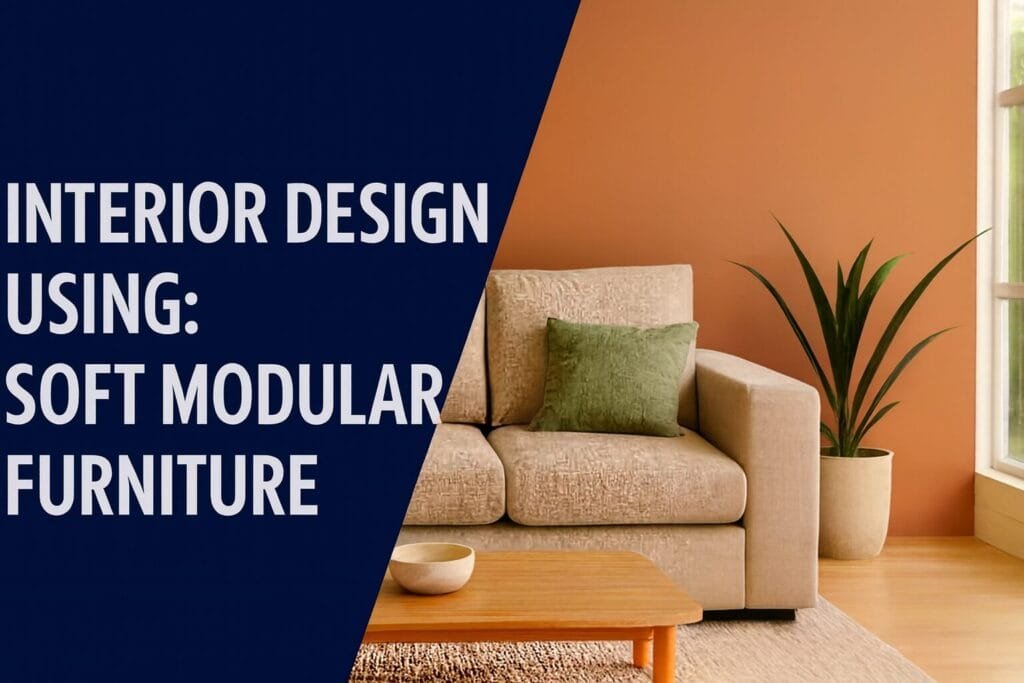
The “soft” designation refers to upholstered pieces that prioritize comfort alongside flexibility. These furniture items feature cushioned surfaces and fabric coverings. They create inviting spaces that encourage relaxation and social interaction. The modular aspect means each piece works independently or as part of a larger configuration.
The Rise of Flexible Living Spaces
Modern lifestyles demand spaces that serve multiple purposes. A living room might function as an entertainment area, workspace, and social gathering spot. Traditional furniture arrangements struggle to accommodate these diverse needs. Soft modular furniture solves this challenge through its reconfigurable nature.
Homeowners increasingly value adaptability in their living environments. Young professionals need furniture that fits small apartments but can expand when they move to larger spaces. Growing families require configurations that evolve as children grow. Modular solutions address these changing requirements without necessitating complete furniture replacement.
Design Principles for Modular Arrangements
Creating successful modular furniture arrangements requires thoughtful planning. The Best Interior Designer in Delhi NCR understands how to balance flexibility with visual coherence. Each configuration should feel intentional rather than random. Color coordination, fabric selection, and proportional balance all contribute to cohesive designs.
Spatial flow remains crucial when working with modular pieces. Traffic patterns should remain unobstructed regardless of configuration. Functional zones need clear definition even as furniture moves. Professional designers consider these factors while maintaining the flexibility that makes modular furniture valuable.
Color Psychology in Soft Furniture Selection
Color choices significantly impact the emotional atmosphere of interior spaces. Soft modular furniture offers opportunities to introduce color strategically. Neutral bases provide timeless foundations that work across multiple configurations. Accent pieces in bold hues add personality and visual interest.
The psychological effects of color influence how people experience spaces. Cool blues and greens create calming environments perfect for relaxation areas. Warm oranges and yellows energize social spaces and encourage interaction. Professional designers understand these nuances and apply them effectively.
Texture and Material Considerations
The tactile quality of soft modular furniture contributes significantly to overall design success. Different fabrics create distinct atmospheres and serve various practical purposes. Velvet adds luxury and sophistication to formal spaces. Linen provides casual elegance suitable for relaxed environments.
Durability considerations influence material selection based on usage patterns. High-traffic areas require performance fabrics that resist staining and wear. Pet owners benefit from materials that repel fur and clean easily. Families with young children need washable, durable options that maintain appearance despite heavy use.
Space Optimization Through Modular Solutions
Small spaces benefit tremendously from modular furniture’s flexibility. Components can be arranged compactly for daily use then expanded for entertaining. This transformation happens without requiring storage space for additional furniture. Urban apartments particularly benefit from this space-efficient approach.
Corner configurations maximize floor space while providing ample seating. L-shaped arrangements create defined conversation areas without walls or dividers. Islands of modular seating establish zones within open-plan layouts. These strategies help the Best Interior Designer in Delhi NCR create functional beauty in challenging spaces.
Scalability for Growing Needs
Modular furniture systems grow alongside changing household requirements. Starting with a basic configuration allows budget-conscious investment. Additional pieces integrate seamlessly as needs expand or budgets allow. This scalability makes modular furniture financially practical for long-term planning.
Young couples might begin with a simple three-piece sectional. As families grow, additional seating units accommodate more people. When hosting large gatherings, the configuration expands to its maximum capacity. This flexibility eliminates the waste associated with replacing entire furniture sets.
Creating Conversation Areas
Thoughtful modular arrangements facilitate social interaction and conversation. Facing seating pieces toward each other encourages engagement. Central ottomans provide shared surface space while maintaining openness. These configurations create intimacy within larger rooms without permanent structural changes.
The distance between seating pieces affects conversation comfort. Too far apart feels disconnected and impersonal. Too close feels cramped and uncomfortable. Professional designers understand optimal spacing for different social contexts. They configure modular pieces to support natural interaction patterns.
Integrating Technology Seamlessly
Modern living requires integrating technology into furniture arrangements. Modular designs accommodate entertainment centers, charging stations, and smart home controls. Strategic placement ensures functionality without compromising aesthetic appeal. Cables and devices can be concealed within modular configurations.
Media viewing requires specific furniture arrangements for optimal experience. Modular sectionals can be configured theater-style for movie watching. The same pieces rearrange for casual television viewing during daily activities. This flexibility supports diverse entertainment preferences within single spaces.
Seasonal Reconfiguration Strategies
Changing seasons inspire different spatial uses and aesthetic preferences. Summer arrangements might emphasize openness and airflow. Winter configurations create cozy, intimate gathering spaces. Modular furniture makes these seasonal transformations practical and accessible.
Fabric changes further enhance seasonal adaptations. Lightweight linens suit warm weather aesthetics and comfort. Plush velvets and heavy textures create warmth during colder months. Swapping cushion covers and throws completely transforms appearance without major investment.
Commercial Applications of Modular Design
Business environments increasingly adopt modular furniture for flexibility and cost efficiency. Office reception areas reconfigure for different client needs. Co-working spaces adapt to varying group sizes throughout the day. Hotels create versatile lobby areas that serve multiple purposes.
Restaurants and cafes benefit from modular seating that adjusts for party sizes. Slow periods allow intimate configurations for couples and small groups. Busy times enable maximum seating density. This adaptability improves both customer experience and operational efficiency.
Sustainability Through Longevity
Modular furniture supports sustainable living through extended usability. Quality pieces remain relevant despite changing needs or aesthetics. Adding new components refreshes appearance without discarding existing pieces. This approach reduces waste while maintaining design currency.
Timeless design principles ensure modular investments remain stylish across decades. Classic shapes and neutral foundations never truly go out of fashion. Trendy elements can be introduced through easily changed accessories. The Best Interior Designer in Delhi NCR balances current trends with enduring appeal.
Child-Friendly Design Considerations
Families with children require special design considerations that modular furniture addresses well. Low-profile pieces reduce injury risks from falls. Removable, washable covers simplify cleaning after inevitable spills. Durable construction withstands energetic play without premature wear.
Modular configurations adapt as children grow and needs change. Nursery seating converts to playroom furniture then teen gathering spaces. This evolution happens through reconfiguration rather than replacement. Families appreciate the financial and environmental benefits of this approach.
Pet-Friendly Material Selection
Pet owners face unique challenges that influence furniture decisions. Modular pieces with performance fabrics resist scratching, staining, and fur accumulation. Removable covers allow thorough cleaning when accidents occur. Durable frames withstand the extra wear that pets introduce.
Color choices can minimize the visible impact of pet fur. Selecting upholstery that matches pet coloring reduces apparent shedding. Textured fabrics hide minor imperfections better than smooth surfaces. These practical considerations ensure homes remain beautiful despite beloved pets.
Lighting Integration with Modular Layouts
Effective lighting design complements modular furniture arrangements. Reconfigurable layouts require flexible lighting solutions. Track lighting adjusts to highlight different configurations. Movable floor lamps provide task lighting wherever seating moves.
Ambient lighting creates atmosphere that enhances soft furniture’s inviting quality. Strategic placement ensures every configuration receives adequate illumination. Professional designers coordinate lighting plans with furniture flexibility. This integration ensures spaces remain functional and beautiful regardless of arrangement.
Accessorizing Modular Configurations
Accessories personalize modular furniture while enhancing comfort and functionality. Throw pillows introduce color, pattern, and textural variety. Blankets add warmth and visual softness. Side tables provide necessary surface space without permanent placement.
The modular nature of furniture extends to accessory arrangements. Pillows can be clustered or distributed based on seating configuration. Throws drape differently across various arrangements. This flexibility allows continuous visual refreshment without purchasing new items.
Balancing Aesthetics and Function
Successful interior design requires harmonizing beauty with practicality. Modular furniture inherently serves functional purposes through adaptability. The challenge lies in ensuring configurations remain visually appealing. The Best Interior Designer in Delhi NCR masters this balance through thoughtful planning.
Symmetry creates visual calm but can feel rigid. Asymmetrical arrangements offer dynamic energy but require careful balance. Professional designers understand when each approach suits specific spaces and purposes. They create configurations that satisfy both aesthetic and practical requirements.
Investment Considerations and Value
Quality modular furniture represents significant investment that delivers long-term value. Initial costs exceed basic furniture but provide superior longevity and flexibility. The ability to reconfigure eliminates expensive replacements when needs change. This financial efficiency becomes apparent over extended ownership periods.
Premium materials and construction ensure durability that justifies higher prices. Well-made modular pieces withstand decades of regular use and reconfiguration. Cheaper alternatives often fail prematurely, requiring replacement that negates initial savings. Investing wisely delivers better long-term outcomes.
Working with Professional Designers
Professional interior designers bring expertise that maximizes modular furniture potential. They understand spatial relationships, color theory, and functional requirements. Their experience prevents costly mistakes and ensures cohesive results. The Best Interior Designer in Delhi NCR transforms modular pieces into stunning, functional environments.
Designer collaboration begins with understanding client lifestyles and preferences. They assess spatial constraints and usage patterns. This information guides furniture selection and configuration planning. The result reflects client personality while incorporating professional design principles.
Maintenance and Care Strategies
Proper maintenance preserves modular furniture’s appearance and functionality. Regular vacuuming prevents dirt accumulation in fabric fibers. Prompt stain treatment minimizes permanent damage. Professional cleaning periodically refreshes upholstery and extends lifespan.
Rotating cushions ensures even wear distribution across all pieces. This simple practice prevents premature sagging in frequently used sections. Periodic reconfiguration also distributes wear patterns. These maintenance habits protect your investment while keeping furniture looking fresh.
Custom Versus Ready-Made Solutions
Modular furniture comes in both custom-designed and ready-made options. Custom pieces allow perfect size and style matching for specific spaces. They accommodate unique requirements and personal preferences. However, custom solutions require longer lead times and higher investment.
Ready-made modular systems offer immediate availability and lower costs. Reputable manufacturers provide quality options in various styles. These solutions work well for standard spaces and common requirements. The choice depends on budget, timeline, and customization needs.
Cultural Influences on Design Choices
Cultural backgrounds influence interior design preferences and modular furniture applications. Traditional aesthetics might favor rich colors and ornate textures. Contemporary minimalism prefers clean lines and neutral palettes. Skilled designers respect cultural preferences while incorporating modular flexibility.
Delhi NCR’s diverse population creates demand for varied design approaches. Some clients desire fusion styles blending traditional and modern elements. Others prefer purely contemporary or traditionally inspired spaces. The Best Interior Designer in Delhi NCR adapts modular solutions to diverse cultural contexts.
Future Trends in Modular Furniture
Innovation continues advancing modular furniture design and functionality. Smart furniture incorporates technology like built-in charging and adjustable firmness. Sustainable materials reduce environmental impact without compromising quality. These trends shape future interior design possibilities.
Customization technology allows consumers to design personalized configurations online. Virtual reality tools preview arrangements before purchase. These advances make modular furniture more accessible and user-friendly. Forward-thinking designers embrace these technologies to enhance client experiences.
Creating Cohesive Multi-Room Designs
Modular furniture facilitates design consistency across multiple rooms. Using coordinating pieces throughout homes creates visual flow. Different configurations suit each space’s specific purpose. This approach achieves unified aesthetics without monotonous repetition.
Color palettes and fabric families tie diverse spaces together visually. The living room’s modular sofa might share upholstery with dining chairs. Bedroom seating could coordinate with living areas. These connections create sophisticated, intentional design throughout homes.
Addressing Common Design Challenges
Every space presents unique challenges that modular furniture helps solve. Awkward room shapes benefit from custom configurations that maximize usability. Limited square footage expands functionally through strategic arrangement. Professional designers identify challenges and deploy modular solutions effectively.
Open floor plans require zone definition without walls. Modular furniture groupings establish distinct areas for different activities. This approach maintains openness while creating functional organization. The flexibility allows adjustments as needs evolve.
Conclusion: Embracing Flexible Living
Soft modular furniture represents the future of adaptable interior design. Its versatility supports changing lifestyles and evolving preferences. Quality pieces provide lasting value through reconfiguration rather than replacement. Working with the Best Interior Designer in Delhi NCR ensures you maximize these benefits while creating beautiful, personalized spaces.
The investment in modular furniture pays dividends through years of flexible functionality. Professional design guidance transforms individual components into cohesive environments that reflect your unique style. Whether furnishing compact apartments or spacious homes, modular solutions deliver the adaptability modern living demands. Embrace this innovative approach through collaboration with experienced designers like those at rishabhinterior.com who understand both the technical and aesthetic dimensions of creating exceptional interiors.