The Future of Homes Is Calm, Not Luxury
A significant shift is transforming how we think about our living spaces. The era of ostentatious displays and excessive luxury is giving way to something more meaningful. Modern homeowners increasingly prioritize tranquility over opulence. They seek environments that nurture mental wellbeing rather than impress visitors. Working with the Best Interior Designer in Delhi NCR helps translate this philosophy into tangible spaces that truly feel like sanctuaries from our chaotic world.
The Cultural Shift Away From Excess
Society’s relationship with luxury has fundamentally changed over the past decade. Previous generations measured success through visible wealth and material accumulation. Marble countertops, crystal chandeliers, and gold accents symbolized achievement. Today’s homeowners view these elements differently. They recognize that true luxury lies in peace, not possessions.
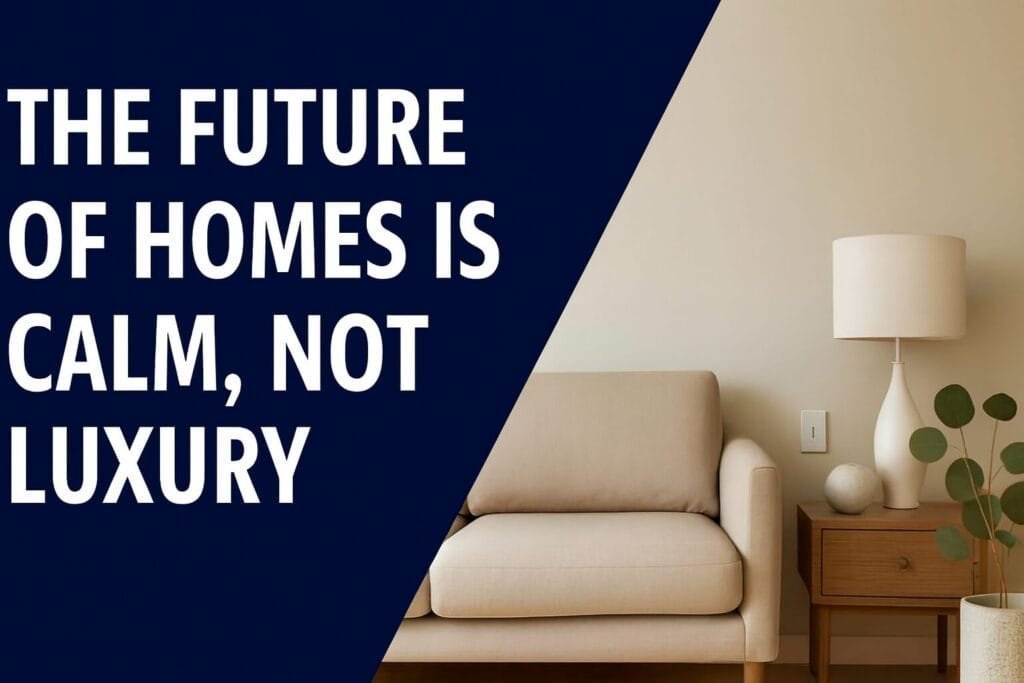
This transformation reflects broader cultural movements toward mindfulness and intentional living. People are questioning consumer culture and rejecting empty status symbols. They want homes that support their actual lives rather than showcase imaginary ones. This shift creates exciting opportunities for thoughtful interior design that prioritizes human experience.
Understanding Calm Design Principles
Calm design revolves around creating environments that reduce stress and promote relaxation. Every element serves the goal of tranquility. Color palettes remain neutral and soothing. Textures feel natural and comforting. Lighting mimics natural patterns that support circadian rhythms. The overall effect feels effortless and uncluttered.
The philosophy extends beyond aesthetics into functional considerations. Spaces are organized to minimize daily friction and decision fatigue. Storage solutions hide clutter from view. Traffic patterns flow naturally without obstacles. These practical elements contribute significantly to the calm atmosphere that modern homes require.
The Psychology of Peaceful Spaces
Research consistently shows that our environments profoundly impact mental health and emotional wellbeing. Cluttered, chaotic spaces increase cortisol levels and anxiety. Calm, organized environments promote relaxation and clear thinking. Understanding these psychological connections helps designers create truly supportive living spaces.
Natural elements particularly benefit mental health through biophilic design principles. Plants, natural light, and organic materials create subconscious connections to nature. These connections reduce stress and improve mood even in urban settings. The Best Interior Designer in Delhi NCR integrates these elements thoughtfully throughout residential projects.
Minimalism Versus Calm
Many people confuse calm design with stark minimalism. However, these approaches differ significantly. Minimalism often feels cold and unwelcoming in its extreme forms. Calm design embraces warmth and comfort while maintaining visual simplicity. The goal is peace, not emptiness.
A calm space might include fewer items than traditional interiors but remains inviting and personal. Carefully chosen objects hold meaning and beauty. Each piece earns its place through function or emotional significance. This thoughtful curation creates environments that feel complete without overwhelming the senses.
Color Psychology for Tranquility
Color choices dramatically influence how spaces feel and function. Calm interiors typically employ soft, muted palettes that don’t demand attention. Whites, creams, and warm grays create neutral foundations. Gentle blues and greens add subtle interest while promoting relaxation. These colors work together to create visual harmony.
Bold colors aren’t completely absent from calm design. However, they appear as carefully considered accents rather than dominant features. A single colorful artwork might provide visual interest without disrupting overall tranquility. Professional designers understand how to balance restraint with personality in color application.
Natural Materials and Textures
Materials significantly impact how calm and grounded spaces feel. Natural options like wood, stone, linen, and wool create warmth and authenticity. These materials age beautifully, developing character over time. Their imperfections feel honest rather than flawed, contributing to the relaxed atmosphere.
Synthetic materials can work in calm design when chosen carefully. The key is avoiding anything that feels aggressively artificial or plasticky. Even manufactured items should possess natural qualities in appearance and texture. This material honesty creates environments that feel genuine and trustworthy.
Lighting Design for Wellbeing
Lighting represents one of the most important yet overlooked elements in creating calm spaces. Harsh overhead lighting creates stress and disrupts natural rhythms. Layered lighting with multiple sources at various heights feels more natural and flexible. Dimmers allow adjustment based on time of day and activity.
Natural light should be maximized wherever possible through strategic window placement and minimal window treatments. When artificial lighting is necessary, warm color temperatures around 2700K mimic evening sunlight. These choices support healthy circadian rhythms while creating inviting atmospheres throughout homes.
Decluttering for Mental Clarity
Physical clutter directly correlates with mental clutter and stress. Calm homes require thoughtful organization systems that keep belongings out of sight. Built-in storage solutions integrate seamlessly into architecture. Closed cabinets hide everyday items while maintaining clean visual lines.
The decluttering process involves more than just organization. It requires honest evaluation of what truly adds value to daily life. Many people discover they own far more than they need or use. Releasing excess creates both physical space and psychological freedom that contributes to overall home tranquility.
Furniture Selection and Placement
Furniture in calm spaces tends toward simple, timeless designs without excessive ornamentation. Clean lines and gentle curves create visual rest. Pieces are appropriately scaled for their spaces, avoiding both overcrowding and emptiness. Each item serves clear functional or aesthetic purposes.
Placement matters as much as selection. Furniture arrangements should facilitate easy movement and natural traffic patterns. Negative space between pieces allows visual breathing room. This thoughtful positioning creates environments that feel spacious and unconstricted regardless of actual square footage.
Technology Integration Without Intrusion
Modern homes require technology, but visible devices disrupt calm atmospheres. Strategic integration hides screens, speakers, and equipment when not in use. Charging stations tuck into drawers. Entertainment systems disappear behind cabinet doors. This approach provides modern convenience without visual chaos.
Smart home technology can actually enhance calm when implemented thoughtfully. Automated lighting adjusts throughout the day. Climate controls maintain perfect comfort. These invisible systems remove small daily annoyances that accumulate into stress. The Best Interior Designer in Delhi NCR understands how to integrate technology seamlessly.
Connecting Indoor and Outdoor Spaces
Blurring boundaries between interior and exterior spaces extends the calming influence of nature into homes. Large windows frame outdoor views like living artwork. Terraces and balconies function as outdoor rooms. Indoor plants bring nature inside. These connections create holistic environments that support wellbeing.
Even urban apartments can achieve this connection through strategic design. Window seats encourage pausing to observe outdoor scenes. Indoor gardens create pockets of nature. Natural materials reference the outdoor world. These elements foster the nature connection that humans inherently crave.
Acoustic Comfort in Design
Sound significantly impacts how calm spaces feel, yet acoustic design often gets overlooked. Hard surfaces reflect noise, creating harsh environments. Soft furnishings, rugs, and curtains absorb sound. Strategic material selection creates quiet spaces that feel inherently peaceful.
Urban homes particularly benefit from acoustic considerations. Street noise and neighbor sounds intrude on tranquility. Sound-absorbing materials and strategic room layouts minimize these disruptions. White noise from water features or sound machines can also mask unwanted ambient sounds.
Personalization Without Clutter
Calm spaces must still reflect the personalities of people who inhabit them. The challenge lies in expressing individuality without creating visual chaos. Curated collections of meaningful objects work better than random accumulations. A few special items displayed thoughtfully have more impact than crowded shelves.
Personal touches might include family photographs in consistent frames. A small collection of meaningful art. Books that genuinely get read and referenced. These elements make spaces feel lived-in and loved while maintaining overall serenity. Professional designers help clients identify what truly matters.
Sustainable Choices for Long-Term Calm
Sustainability contributes to calm living through both environmental and practical benefits. Durable, quality items last for years without replacement stress. Natural materials avoid toxic off-gassing that affects air quality. Energy-efficient systems reduce both environmental impact and utility costs.
The knowledge that your home minimizes environmental harm provides psychological comfort. Guilt about wasteful consumption disappears. Pride in thoughtful choices replaces it. This alignment between values and actions contributes significantly to overall sense of peace and wellbeing.
Cultural Adaptations of Calm Design
Different cultures express calm through varied aesthetic languages. Scandinavian design emphasizes light wood and simplicity. Japanese aesthetics embrace wabi-sabi and natural materials. Mediterranean styles incorporate earth tones and organic textures. Each cultural interpretation shares the core goal of tranquility.
Delhi NCR’s diverse population creates opportunities to blend cultural influences. Traditional Indian elements like carved wood can coexist with contemporary minimalism. The Best Interior Designer in Delhi NCR understands how to honor cultural heritage while embracing calm design principles. This fusion creates unique spaces that feel both peaceful and personal.
Budget Considerations for Calm Interiors
Creating calm environments doesn’t require unlimited budgets. The principles work at any price point. Decluttering costs nothing but time and effort. Paint transforms spaces inexpensively. Strategic purchases of key pieces outperform many random acquisitions.
Investment should focus on items that significantly impact daily experience. A quality mattress affects sleep and wellbeing. Comfortable seating encourages relaxation. Good lighting improves mood. These foundational elements deserve budget priority over purely decorative items. Professional designers help clients allocate resources effectively.
The Role of Professional Design Expertise
While calm design principles seem straightforward, execution requires real skill and experience. Professional designers bring trained eyes that spot opportunities nonprofessionals miss. They understand how colors, materials, and proportions interact. Their expertise prevents costly mistakes that compromise desired outcomes.
Working with the Best Interior Designer in Delhi NCR provides access to resources unavailable to individuals. Trade relationships offer better pricing on quality furnishings. Technical knowledge ensures proper implementation of design concepts. Project management capabilities keep renovations on track and within budget.
Adapting Existing Spaces Toward Calm
Not everyone can start fresh with new construction. Most people must work with existing homes that may not embody calm principles. Fortunately, strategic updates can transform spaces without complete renovations. Fresh paint in soothing colors immediately shifts atmosphere. Removing excess furniture creates breathing room.
Window treatments that maximize natural light make spaces feel more open. Adding plants introduces natural elements economically. Organizing closets and storage reduces visible clutter. These incremental changes accumulate into significant transformation. Professional guidance helps prioritize modifications for maximum impact.
Children and Calm Home Design
Families with children face unique challenges in maintaining calm environments. Kids naturally generate clutter and chaos. However, calm design benefits children tremendously. Peaceful spaces support better sleep and emotional regulation. Organized systems teach valuable life skills.
Child-friendly calm design incorporates durable, easy-clean materials that withstand active use. Dedicated toy storage with simple organization systems helps maintain order. Neutral base palettes allow colorful toys without overwhelming spaces. As children grow, these foundations adapt to changing needs without complete redesigns.
Aging in Place With Calm Design
Calm design principles align perfectly with aging-in-place considerations. Simple, uncluttered spaces reduce fall risks. Good lighting prevents accidents. Minimal maintenance requirements reduce stress. These practical benefits make calm design ideal for long-term living.
Accessible features integrate seamlessly into calm aesthetics. Walk-in showers feel spa-like while eliminating step hazards. Wider doorways accommodate mobility aids without institutional appearance. Lever handles work better than knobs while looking contemporary. Thoughtful design creates beautiful spaces that support changing physical needs.
Measuring Success Beyond Aesthetics
The success of calm design cannot be measured through photographs alone. The true test is how spaces make inhabitants feel. Do you wake refreshed rather than anxious? Does coming home feel genuinely relaxing? Do you have more mental energy for things that matter?
These subjective experiences represent the real goal of calm design. Beautiful spaces that don’t support actual living have failed regardless of aesthetic achievement. The Best Interior Designer in Delhi NCR prioritizes client experience over portfolio photography. This human-centered approach creates homes that genuinely improve quality of life.
Maintaining Calm Over Time
Creating calm spaces represents just the beginning. Maintaining them requires ongoing mindfulness and effort. Regular decluttering prevents accumulation. Seasonal deep cleaning maintains freshness. Thoughtful consideration before acquiring new items preserves intentionality.
Establishing simple routines supports long-term calm. Making beds daily creates instant visual order. Putting items away immediately prevents clutter buildup. These small habits compound over time. They transform calm design from temporary state to sustainable lifestyle.
Commercial Applications of Calm Design
Calm design principles extend beyond residential spaces into commercial applications. Offices increasingly recognize that peaceful environments improve productivity and employee wellbeing. Healthcare facilities use calm design to reduce patient stress. Hospitality venues create relaxing escapes from daily pressures.
These commercial applications demonstrate calm design’s universal appeal and effectiveness. The psychological benefits transcend setting type. Whether at home or work, people respond positively to environments that support rather than stress them. This broader trend will continue shaping design across all building types.
Future Trends in Calm Living
The movement toward calm living will likely accelerate as people recognize its benefits. Technology will increasingly support rather than disrupt tranquility. Materials will become more sustainable and health-conscious. Design education will emphasize human experience over pure aesthetics.
Smart homes will anticipate needs invisibly. Furniture will adapt to changing uses. Lighting will automatically support natural rhythms. These advances will make calm living more accessible and easier to maintain. Forward-thinking designers like those at rishabhinterior.com are already incorporating these emerging trends.
Conclusion: Choosing Peace Over Prestige
The shift from luxury to calm represents more than passing design trend. It reflects fundamental reconsideration of what makes life good. Homes should support wellbeing rather than showcase wealth. They should calm rather than impress. This philosophy creates environments where people truly thrive.
Working with the Best Interior Designer in Delhi NCR ensures your space embodies these principles effectively. Professional expertise transforms abstract concepts into livable reality. The investment in thoughtful design pays dividends daily through improved quality of life. As we move forward, choosing calm over luxury will increasingly define truly successful homes that nurture rather than stress their inhabitants.