Interiors Designed for Nervous System Recovery
Modern life overwhelms our nervous systems daily. Constant notifications, endless tasks, and urban chaos create chronic stress that affects our health and wellbeing. Our homes should offer sanctuary from this overstimulation. Yet many living spaces inadvertently increase stress rather than relieve it. The Best Interior Designer in Delhi NCR understands how thoughtful design can support nervous system recovery and create environments that truly heal.
Understanding the Nervous System and Environmental Impact
The human nervous system responds constantly to environmental stimuli. Colors, lighting, sounds, textures, and spatial arrangements all trigger neurological responses. When surroundings feel chaotic or harsh, our bodies remain in heightened alert states. This chronic activation exhausts our nervous systems and contributes to anxiety, insomnia, and various health issues.
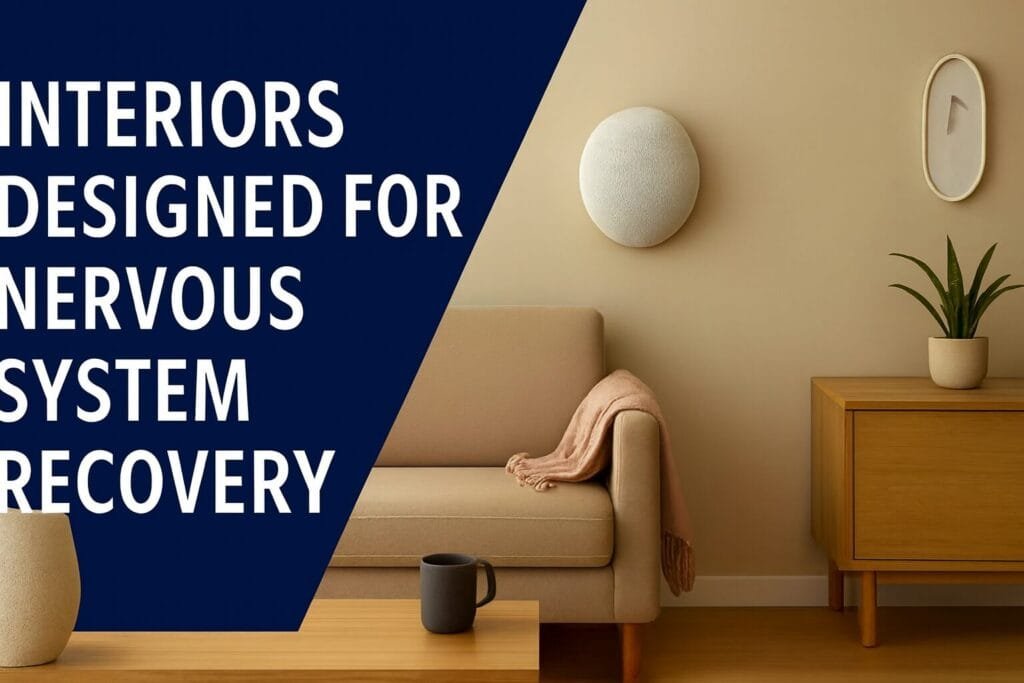
Healing interiors work differently. They engage our parasympathetic nervous system, which governs rest and recovery. Thoughtful design choices help bodies shift from stress responses to relaxation states. This biological understanding transforms how we approach interior design for modern living.
The Science Behind Restorative Interior Design
Research confirms that our environments profoundly affect our nervous systems. Studies show that natural materials reduce cortisol levels. Specific color temperatures influence circadian rhythms. Acoustic design impacts stress hormones. The Best Interior Designer in Delhi applies this scientific understanding to create spaces that actively support wellbeing.
Rishabh Interior recognizes that effective healing design requires more than aesthetic appeal. It demands understanding of human biology and environmental psychology. Their approach integrates current neuroscience research with traditional design wisdom to create spaces that truly restore balance.
Color Psychology for Nervous System Regulation
Colors trigger distinct neurological responses. Cool tones like soft blues and greens activate calming neural pathways. Warm neutrals create feelings of safety and groundedness. Harsh or overly bright colors can overstimulate already taxed nervous systems. Strategic color selection becomes essential for healing spaces.
The Best Interior Designer in Janakpuri carefully considers color palettes that support nervous system recovery. They avoid overwhelming contrasts and jarring combinations. Instead, they create harmonious color schemes that allow eyes and minds to rest. This thoughtful approach to color reduces visual stress and promotes relaxation.
Lighting Design That Supports Natural Rhythms
Artificial lighting disrupts our circadian rhythms and stresses nervous systems. Harsh overhead lights and blue-spectrum screens interfere with natural sleep-wake cycles. Recovery-focused interiors prioritize lighting that aligns with human biology rather than fighting against it.
Layered lighting approaches offer flexibility for different times and activities. Warm-toned ambient lighting creates evening relaxation. Task lighting provides focused illumination without flooding entire spaces. Dimmable options allow adjustment based on needs and natural light levels throughout the day.
Natural Light Integration and Window Treatments
Natural light profoundly influences nervous system regulation. Exposure to daylight helps maintain healthy circadian rhythms. Morning sunlight signals bodies to wake energetically. Evening darkness triggers melatonin production for restful sleep. Interior design that maximizes natural light connection supports these essential biological processes.
Rishabh Interior designs window treatments that balance natural light with privacy needs. Sheer curtains allow soft light diffusion. Blackout options support deep sleep when needed. Strategic window placement maximizes daylight in frequently used spaces while maintaining comfortable brightness levels.
Acoustic Design for Sensory Relief
Sound pollution exhausts nervous systems constantly. Traffic noise, mechanical hums, and neighbor sounds create chronic auditory stress. Recovery-focused interiors incorporate acoustic design principles that create peaceful sound environments supporting nervous system restoration.
Soft furnishings absorb harsh echoes. Strategic material selection reduces sound transmission. Thoughtful spatial planning buffers noisy areas from quiet zones. The Best Interior Designer in Delhi NCR understands that acoustic comfort matters as much as visual appeal for truly healing spaces.
Texture and Tactile Experience
Touch provides powerful nervous system regulation. Soft textures trigger relaxation responses. Natural materials connect us to calming organic experiences. Hard, cold, or rough surfaces can increase feelings of stress and discomfort. Strategic texture selection throughout interiors supports continuous sensory regulation.
Natural fibers like cotton, linen, and wool provide comforting tactile experiences. Wood surfaces offer warmth that synthetic materials cannot replicate. Stone elements ground spaces with substantial presence. These material choices create environments that feel inherently soothing to inhabit.
Biophilic Design Principles
Humans evolved in natural environments. Our nervous systems still crave connection to living systems. Biophilic design intentionally incorporates natural elements that trigger ancestral relaxation responses. This approach goes far beyond adding houseplants to include fundamental design principles rooted in our biological heritage.
The Best Interior Designer in Delhi integrates biophilic elements throughout their projects. Natural materials dominate material palettes. Organic forms replace harsh geometric lines where appropriate. Views to greenery receive priority in spatial planning. These choices honor our deep biological need for nature connection.
Indoor Plant Integration for Air Quality and Calm
Living plants serve multiple nervous system support functions. They improve air quality by filtering toxins and producing oxygen. Their presence triggers measurable reductions in stress hormones. Caring for plants provides grounding daily rituals that support mental health. Strategic plant placement makes these benefits accessible throughout living spaces.
Rishabh Interior selects plant varieties appropriate for specific light conditions and maintenance capabilities. Low-light options thrive in bathrooms and interior rooms. Statement plants create focal points in living areas. Small plants soften hard surfaces on shelves and counters throughout homes.
Spatial Planning That Reduces Overwhelm
Cluttered or chaotic spatial arrangements overstimulate nervous systems constantly. Too many visual elements demand continuous attention. Lack of clear organization creates underlying anxiety. Recovery-focused spatial planning prioritizes simplicity and intentional organization that allows minds to rest.
Open sightlines reduce feelings of confinement while maintaining defined zones for different activities. Strategic furniture placement creates natural flow without obstacles. Adequate storage keeps visual clutter minimal. The Best Interior Designer in Janakpuri understands that well-planned spaces feel inherently calmer to inhabit.
Creating Dedicated Relaxation Zones
Modern homes often lack spaces specifically designed for rest and recovery. Every area serves productivity or entertainment functions. Nervous systems need designated zones where the sole purpose is restoration. These dedicated relaxation areas signal to bodies that it’s safe to fully release stress.
Reading nooks with comfortable seating and soft lighting invite quiet contemplation. Meditation corners with minimal visual stimulus support mindfulness practices. Window seats connect relaxation with natural light and views. These intentional zones make nervous system recovery an architectural priority rather than afterthought.
Bedroom Design for Restorative Sleep
Sleep quality directly impacts nervous system health. Bedrooms must prioritize conditions that support deep, restorative rest. Unfortunately, many bedrooms include televisions, work equipment, and other stimulating elements that interfere with sleep. Recovery-focused bedroom design eliminates these stressors and creates optimal sleep environments.
Cool color temperatures promote melatonin production. Complete darkness supports circadian rhythm regulation. Comfortable temperatures between 60-67 degrees facilitate deep sleep. Natural fiber bedding provides breathable comfort. The Best Interior Designer in Delhi NCR approaches bedroom design with these biological requirements as primary considerations.
Temperature and Ventilation Considerations
Body temperature regulation affects nervous system states significantly. Stuffy or overheated spaces increase stress responses. Fresh air circulation supports cognitive function and emotional regulation. Interior design must address ventilation and temperature control for optimal nervous system support.
Ceiling fans provide gentle air movement and temperature regulation. Operable windows allow natural ventilation when weather permits. Strategic placement of air purifiers improves indoor air quality. These mechanical considerations work with aesthetic design elements to create comprehensively supportive environments.
Material Selection for Chemical Sensitivity
Many conventional building materials and furnishings off-gas volatile organic compounds that stress nervous systems. Paint fumes, carpet chemicals, and synthetic materials create invisible but significant health impacts. Recovery-focused design prioritizes low-VOC and natural materials that don’t compromise indoor air quality.
Natural wood finishes replace synthetic laminates. Low-VOC paints eliminate harmful chemical exposure. Natural fiber textiles avoid toxic flame retardants. Rishabh Interior selects materials that support rather than undermine nervous system health through every design choice.
Minimalist Principles Without Sterility
Minimalism supports nervous system recovery by reducing visual overwhelm. However, extremely sparse environments can feel cold and uncomfortable. The goal is finding balance between simplicity and warmth. Thoughtful minimalism incorporates meaningful objects and comfortable textures while avoiding clutter.
Curated collections replace random accumulations. Each displayed item serves purpose or brings joy. Surfaces remain largely clear but include a few carefully chosen elements. This approach creates calm without sacrificing personality or comfort.
Personal Sanctuary Spaces
Everyone needs private refuge from household activity and external demands. Personal sanctuary spaces provide crucial nervous system recovery opportunities. These might be small reading corners, meditation rooms, or simply well-designed bedrooms that feel like true retreats.
The Best Interior Designer in Delhi creates personalized sanctuaries that reflect individual needs and preferences. Some clients need completely quiet spaces. Others find gentle music or nature sounds soothing. Design approaches adapt to support each person’s unique nervous system regulation needs.
Transition Zones Between Outside and Inside
The shift from chaotic outside environments to calm home interiors should happen gradually. Thoughtful transition zones help nervous systems decompress as residents enter homes. Entry areas designed for this purpose make returning home genuinely restorative rather than just another location change.
Comfortable seating near entrances invites pausing to settle. Storage solutions contain outside chaos at the threshold. Soft lighting eases the transition from harsh outdoor brightness. These design elements create intentional decompression opportunities that support nervous system regulation.
Technology Integration and Digital Wellness
Technology serves important functions but can overwhelm nervous systems when omnipresent. Recovery-focused interiors thoughtfully integrate technology while maintaining screen-free zones. This balance allows modern convenience without constant digital stimulation.
Charging stations consolidate devices in specific areas. Bedrooms remain screen-free for optimal sleep. Living areas include comfortable seating arrangements that don’t center around televisions. The Best Interior Designer in Janakpuri helps clients establish spatial boundaries that support healthy technology relationships.
Furniture Selection for Physical Comfort
Physical discomfort creates nervous system stress even when we’re not consciously aware of it. Uncomfortable seating, poor ergonomics, and inadequate support trigger subtle stress responses throughout the day. Recovery-focused design prioritizes furniture that genuinely supports bodies rather than fighting against them.
Ergonomic desk chairs support healthy posture during work hours. Deeply comfortable sofas invite full relaxation. Adjustable elements allow personalization for different body types and preferences. These choices ensure physical comfort supports rather than undermines nervous system recovery.
Scent and Aromatherapy Integration
Smell directly connects to brain regions governing emotion and stress response. Certain scents trigger relaxation responses while others increase alertness. Strategic scent integration throughout interiors supports nervous system regulation through this powerful sensory pathway.
Natural essential oils provide therapeutic benefits without synthetic fragrance chemicals. Diffusers distribute scents evenly throughout spaces. Seasonal adjustments keep aromatic experiences fresh and intentional. Rishabh Interior incorporates scent considerations into comprehensive design approaches that engage all senses.
Art and Visual Interest
While minimalism reduces overwhelm, completely bare walls can feel institutional rather than healing. Carefully selected art provides visual interest without overstimulation. Nature imagery, abstract pieces with calming colors, and personally meaningful photographs all contribute to spaces that feel both calm and alive.
Strategic art placement creates focal points that guide eyes gently through spaces. Varying scales maintain visual interest at different viewing distances. Frames and mounting approaches keep presentations simple and undistracting. The Best Interior Designer in Delhi NCR curates art selections that enhance rather than overwhelm healing environments.
Seasonal Adaptability
Nervous system needs change with seasons and life circumstances. Recovery-focused interiors incorporate adaptability that allows spaces to evolve. Removable elements, adjustable lighting, and flexible furniture arrangements support this necessary variability.
Lighter textiles replace heavier ones in warm months. Adjustable window treatments respond to changing light angles. Modular furniture rearranges easily when different spatial configurations better serve current needs. This flexibility ensures spaces continue supporting nervous system recovery as requirements shift.
Cultural Considerations in Healing Design
Different cultural traditions offer unique perspectives on healing environments. Vastu Shastra, Feng Shui, and other traditional systems provide time-tested principles for creating supportive spaces. The Best Interior Designer in Delhi respects and integrates these cultural wisdom traditions when appropriate for clients.
Directional orientations, elemental balances, and symbolic elements can enhance spaces when aligned with residents’ cultural backgrounds. This integration honors heritage while applying contemporary understanding of nervous system science. The result is design that feels both culturally resonant and biologically supportive.
Budget-Conscious Approaches to Healing Design
Creating nervous system-supportive interiors doesn’t require unlimited budgets. Strategic improvements can significantly impact how spaces feel. Prioritizing changes that offer maximum nervous system benefit ensures resources create meaningful results regardless of budget constraints.
Paint color changes transform environments affordably. Textile additions soften harsh surfaces. Lighting upgrades dramatically affect ambiance. Rishabh Interior helps clients identify high-impact improvements that fit within various budget parameters while still creating genuinely healing spaces.
Long-Term Health Investment
Viewing interior design as health investment rather than merely aesthetic choice shifts decision-making fundamentally. Quality materials, thoughtful planning, and nervous system considerations create environments that support wellbeing for years. This perspective justifies greater initial investment in design that truly serves health.
The Best Interior Designer in Janakpuri helps clients understand return on investment for health-focused design choices. Reduced stress, improved sleep, and better overall wellbeing provide value that far exceeds initial costs. This long-term perspective creates willingness to invest appropriately in genuinely healing environments.
Professional Expertise for Comprehensive Solutions
Creating truly restorative interiors requires expertise across multiple disciplines. Understanding neuroscience, environmental psychology, material science, and design principles simultaneously demands professional knowledge. Attempting this without guidance often results in spaces that miss crucial elements despite good intentions.
Rishabh Interior brings comprehensive expertise that ensures all aspects of nervous system-supportive design receive appropriate attention. Their experience identifying which interventions create maximum impact helps clients achieve healing environments efficiently. This professional guidance transforms good intentions into genuinely effective results.
Conclusion: Your Home as Healing Sanctuary
Modern life taxes our nervous systems relentlessly. Our homes must provide refuge and restoration. Thoughtful interior design creates environments that actively support nervous system recovery rather than adding to daily stress. This approach transforms houses into true healing sanctuaries.
For residents throughout Delhi, Janakpuri, and the broader NCR region, partnering with experienced professionals ensures homes genuinely serve health and wellbeing. The Best Interior Designer in Delhi NCR brings the expertise needed to create spaces where nervous systems can finally rest, recover, and restore balance. The investment in healing-focused design pays dividends through improved health, better sleep, reduced anxiety, and enhanced quality of life for years to come.