Homes Designed for Mental Stillness
Our minds rarely experience true quiet. Thoughts race continuously. Worries intrude constantly. Digital distractions fragment our attention. Even in our own homes, mental peace feels elusive. The spaces we inhabit either support or undermine our quest for inner stillness. The Best Interior Designer in Delhi NCR understands that thoughtful design can create environments where mental calm becomes naturally accessible rather than perpetually out of reach.
The Modern Mental Overwhelm Crisis
Contemporary life bombards our minds relentlessly. Work emails arrive at all hours. Social media feeds scroll endlessly. News cycles amplify anxiety. Our brains evolved for simpler environments. They struggle under constant information overload. This mental exhaustion has become the defining challenge of modern existence.
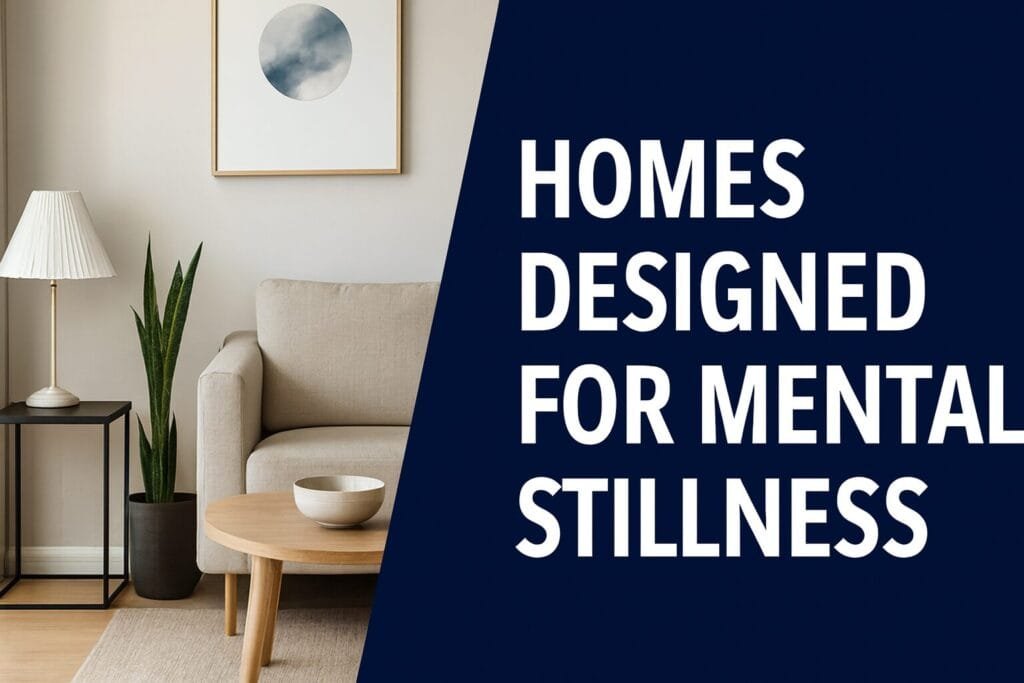
Our homes should offer refuge from this chaos. Yet many living spaces mirror the overwhelm we experience outside. Cluttered rooms, harsh lighting, and chaotic layouts add to mental burden rather than relieving it. Rishabh Interior recognizes that creating genuine mental stillness requires intentional design choices that prioritize psychological peace above all else.
Understanding Mental Stillness Through Design
Mental stillness differs from mere quietness. It represents a state where minds can release constant processing and simply be. External environments profoundly influence our ability to access this state. Certain spatial qualities invite mental settling while others perpetuate agitation.
The Best Interior Designer in Delhi applies deep understanding of how physical spaces affect mental states. They create environments that remove obstacles to inner peace. Every design decision considers whether it supports or disrupts the mental stillness residents desperately need.
Visual Simplicity as Foundation
Cluttered visual environments keep minds perpetually activated. Eyes scan constantly for important information. Brains process endless details. This visual overwhelm prevents mental settling even when we’re trying to relax. Design for mental stillness begins with radical visual simplification.
Clean surfaces allow eyes to rest. Minimal decoration reduces processing demands. Organized storage keeps possessions contained rather than scattered. The Best Interior Designer in Janakpuri masters this balance between functional homes and visually peaceful environments that don’t trigger constant mental engagement.
Color Palettes That Quiet the Mind
Colors trigger distinct psychological states. Bright, saturated hues activate and energize. Soft, muted tones calm and soothe. For spaces designed around mental stillness, color selection becomes crucial. The wrong palette can make genuine peace impossible regardless of other design elements.
Neutral foundations create visual stability. Soft whites, warm grays, and gentle beiges provide calming backgrounds. Accent colors appear sparingly and thoughtfully. Natural earth tones connect spaces to grounding natural environments. These carefully considered palettes allow minds to settle rather than remaining perpetually stimulated.
The Role of Natural Materials
Synthetic materials often feel unsettling at subconscious levels. Our minds register subtle wrongness even without conscious awareness. Natural materials like wood, stone, and fiber create different psychological effects. They feel inherently right to our ancestral brains.
Rishabh Interior prioritizes natural materials throughout their projects. Warm wood tones provide visual comfort. Stone surfaces offer substantial presence. Natural textiles bring soft tactile experiences. These material choices support mental stillness by creating environments that feel fundamentally harmonious rather than subtly jarring.
Lighting Design for Psychological Calm
Harsh lighting keeps minds alert and activated. Soft, layered illumination invites relaxation and mental settling. The quality of light in our homes profoundly affects our ability to access inner stillness. Yet most spaces rely on inadequate overhead fixtures that undermine psychological peace.
Ambient lighting provides gentle overall illumination. Task lights offer focused brightness only where needed. Accent lighting creates visual interest without harshness. Dimmable options allow adjustment for different times and moods. The Best Interior Designer in Delhi NCR orchestrates these lighting layers to support mental stillness throughout the day.
Natural Light Connection and Circadian Rhythms
Disconnection from natural light cycles disrupts our psychological equilibrium. Our minds need morning brightness to feel alert and engaged. Evening darkness signals time for mental winding down. Homes that ignore these biological needs create constant low-level mental disturbance.
Strategic window placement maximizes natural light throughout living spaces. Sheer treatments allow soft daylight diffusion. Outdoor views connect interior spaces to natural rhythms. These design choices align homes with our deep biological needs rather than fighting against them.
Acoustic Design for Mental Peace
Sound pollution prevents mental stillness constantly. Traffic noise intrudes from outside. Mechanical systems hum persistently. Hard surfaces create harsh echoes. Our minds cannot fully settle when aurally bombarded. Acoustic design becomes essential for homes supporting genuine inner quiet.
Soft furnishings absorb sound reflections. Carpets and rugs dampen footsteps. Strategic material choices reduce noise transmission. The Best Interior Designer in Delhi integrates acoustic considerations throughout projects to create the sound environments mental stillness requires.
Creating Intentional Silence Zones
Most homes lack any truly quiet spaces. Sound travels freely between rooms. Activity in one area disturbs others. Mental stillness needs dedicated zones where silence reigns. These protected spaces become sanctuaries for minds desperate for peace.
Meditation rooms offer dedicated quiet spaces. Reading nooks provide peaceful retreat. Well-insulated bedrooms block external noise. These intentional silence zones signal to our minds that deep relaxation is not just permitted but encouraged.
Spatial Flow and Mental Ease
Awkward layouts create subtle mental friction. Navigating cluttered pathways requires constant attention. Poor traffic flow generates ongoing irritation. Even when we’re unaware consciously, these spatial problems prevent true mental settling.
Thoughtful spatial planning eliminates these friction points. Clear pathways allow effortless movement. Logical room relationships make sense intuitively. Open sightlines prevent feelings of confinement. Rishabh Interior designs homes where spatial flow supports rather than disrupts mental ease.
Furniture Arrangement for Psychological Comfort
Furniture placement affects how safe and settled we feel in spaces. Seating with backs to entrances creates subtle anxiety. Uncomfortable conversation distances generate social unease. Poor arrangements keep minds perpetually monitoring rather than relaxing.
Strategic furniture placement creates psychological comfort. Primary seating faces room entrances. Conversation areas maintain comfortable proximity. Arrangement respects natural movement patterns. The Best Interior Designer in Janakpuri understands these subtle psychological dynamics that make spaces feel inherently right.
The Power of Uncluttered Horizons
Open visual horizons allow minds to expand and settle. Cluttered sightlines keep attention trapped in processing details. The ability to see clear, simple views provides psychological relief. This principle applies both to windows looking outward and interior vistas within homes.
Minimalist window treatments preserve outdoor views. Strategic furniture keeps sightlines clean. Artwork placement considers visual flow through spaces. These choices create the open horizons our minds crave for true stillness.
Technology Boundaries for Mental Freedom
Omnipresent technology prevents mental stillness effectively. Devices demand attention constantly. Screens emit stimulating blue light. Digital connectivity makes true disconnection nearly impossible. Homes must establish clear technology boundaries to protect mental peace.
Dedicated charging stations contain devices in specific areas. Bedrooms remain screen-free sanctuaries. Living spaces offer comfortable seating arrangements not centered on televisions. These spatial boundaries support the technology limits mental stillness requires.
Bedroom Design for Deep Mental Rest
Bedrooms serve as primary spaces for mental restoration. Sleep quality directly impacts mental clarity and emotional regulation. Yet most bedrooms include stimulating elements that undermine their restorative purpose. Design for mental stillness makes bedrooms uncompromising sanctuaries.
Cool color temperatures promote relaxation. Blackout capability ensures complete darkness. Comfortable temperatures support deep sleep. Natural bedding provides sensory comfort. The Best Interior Designer in Delhi NCR approaches bedroom design with mental restoration as the absolute priority.
Meditation and Mindfulness Spaces
Formal meditation practice supports mental stillness powerfully. Dedicated spaces for this practice demonstrate architectural commitment to inner peace. These rooms need minimal distraction and maximum serenity to support the challenging work of quieting minds.
Simple cushioned seating provides comfortable meditation positions. Neutral walls offer no visual distraction. Soft natural light creates gentle ambiance. Minimal decoration maintains focus inward. Rishabh Interior creates meditation spaces that honor the profound importance of contemplative practice.
Biophilic Elements for Mental Grounding
Nature connection grounds our minds powerfully. Plants, natural materials, and organic forms trigger deep relaxation responses. Biophilic design leverages these ancestral connections to support mental stillness in contemporary homes.
Indoor plants bring living presence indoors. Natural wood grains provide visual interest that soothes rather than stimulates. Organic shapes contrast with harsh geometric forms. Water features offer gentle natural sounds. These elements create psychological bridges to the natural world our minds instinctively crave.
Window Views and Mental Expansion
Views to nature provide mental restoration scientifically. Even brief glimpses of greenery reduce stress hormones. Access to sky and horizon expands constrained mental states. Window design deserves careful consideration in homes supporting mental stillness.
Large windows maximize nature connection where possible. Strategic placement ensures pleasant views from key locations. Window seats create comfortable viewing positions. The Best Interior Designer in Delhi prioritizes these visual connections that provide ongoing mental nourishment.
Scent and Mental State
Smell influences mental states powerfully through direct neural pathways. Certain scents promote relaxation immediately. Others increase alertness and focus. Intentional scent design supports mental stillness through this often-overlooked sensory channel.
Natural essential oils provide therapeutic benefits. Lavender promotes relaxation and sleep. Sandalwood supports meditation and grounding. Eucalyptus clears mental fog. Strategic diffusion creates subtle aromatic environments that support desired mental states throughout the day.
Transition Rituals Through Design
Mental stillness requires releasing external concerns at home’s threshold. Physical transition zones support this psychological shift. Design elements that facilitate this mental transition make stillness more accessible.
Entry benches invite pausing to settle. Coat storage contains outside chaos. Lighting shifts from bright to soft. These design elements create physical rituals that trigger mental shifting from external engagement to internal peace.
Personal Sanctuary Customization
Mental stillness feels different for each person. Some need complete silence. Others find gentle music soothing. Visual preferences vary widely. Effective design customizes approaches to individual psychological needs.
The Best Interior Designer in Janakpuri discovers what mental stillness means for each client. They ask about relaxation preferences. They understand individual triggers and comforts. This personalized approach creates spaces uniquely suited to each resident’s path to inner quiet.
Seasonal Adaptations for Mental Health
Our mental needs shift with seasons. Winter darkness affects mood differently than summer brightness. Seasonal changes in natural light and temperature require environmental adaptations. Homes should flex to support mental wellbeing year-round.
Lighter textiles brighten winter months. Adjustable window treatments respond to changing light angles. Seasonal color accents shift mood appropriately. These adaptations ensure spaces continue supporting mental stillness as external conditions change.
Art Selection for Contemplation
Carefully chosen art supports mental stillness rather than demanding constant processing. Abstract pieces invite contemplation without narrative complexity. Nature imagery connects to restorative natural environments. Scale and placement determine whether art calms or overwhelms.
Single statement pieces provide visual interest without clutter. Calming colors and compositions support rather than activate. Strategic placement creates natural focus points. Rishabh Interior curates art that enhances rather than disrupts the mental peace spaces are designed to support.
Textile Choices for Sensory Calm
Textures affect our mental states through constant tactile input. Soft, natural fibers feel inherently calming. Harsh or synthetic materials create subtle irritation. Thoughtful textile selection supports mental stillness through this often-subconscious sensory channel.
Natural cotton, linen, and wool provide comfortable tactile experiences. Soft throw blankets invite physical coziness that supports mental settling. Plush area rugs add warmth and sound absorption. These textile choices create sensory environments that feel fundamentally safe and calming.
Temperature and Air Quality
Physical discomfort prevents mental stillness effectively. Stuffy air keeps minds alert and irritated. Poor temperature regulation creates ongoing distraction. Environmental quality deserves serious attention in spaces designed for psychological peace.
Proper ventilation ensures fresh air circulation. Air purifiers remove irritating particles. Temperature control maintains comfortable ranges. The Best Interior Designer in Delhi NCR integrates these environmental systems that support mental wellbeing alongside aesthetic considerations.
Decluttering as Ongoing Practice
Mental stillness requires ongoing maintenance, not just initial design. Clutter accumulates inevitably. Regular decluttering becomes essential practice. Design should support this necessary maintenance through adequate storage and organizational systems.
Built-in storage keeps possessions contained. Closet systems maintain order easily. Regular purging becomes simpler with designated homes for everything. These organizational supports make mental stillness sustainable long-term rather than fleeting.
Minimalism Without Coldness
Extreme minimalism can feel sterile rather than calming. Completely bare environments may increase anxiety rather than reducing it. The goal is finding the balance between simplicity and warmth. Thoughtful minimalism maintains comfort while eliminating overwhelming complexity.
Curated possessions remain visible and accessible. Spaces feel lived-in without feeling cluttered. Personal touches add warmth without creating visual chaos. This balanced approach supports mental stillness while maintaining the comfort that truly feels like home.
Cultural and Spiritual Elements
Many cultural traditions offer wisdom about creating peaceful environments. Vastu principles, Feng Shui concepts, and other traditional systems provide time-tested guidance. Integrating relevant cultural elements can deepen mental stillness for residents connected to these traditions.
The Best Interior Designer in Delhi respects and incorporates cultural wisdom when appropriate. Directional orientations may matter for some clients. Elemental balances resonate with others. This cultural sensitivity creates spaces that support mental stillness through both contemporary science and traditional wisdom.
Investment in Mental Health
Viewing home design as mental health investment shifts priorities fundamentally. Quality environments that support psychological wellbeing justify greater initial expense. This perspective recognizes that mental peace provides value beyond mere aesthetic pleasure.
Rishabh Interior helps clients understand how design investments support mental health long-term. Better sleep improves everything. Reduced anxiety enhances quality of life. Mental clarity supports better decisions. These benefits far exceed the costs of thoughtful design that truly serves psychological wellbeing.
Professional Guidance for Comprehensive Solutions
Creating homes that genuinely support mental stillness requires expertise across multiple domains. Understanding psychology, sensory science, and design principles simultaneously demands professional knowledge. Attempting this independently often misses crucial elements despite good intentions.
Professional designers bring the comprehensive expertise necessary for truly effective results. They identify which interventions create maximum mental health benefits. They avoid common mistakes that undermine psychological goals. This guidance transforms aspirations into actual environments where mental stillness becomes accessible daily.
Conclusion: Your Home as Mental Sanctuary
Modern life challenges our mental peace constantly. Our homes must actively support the inner stillness we desperately need. Thoughtful interior design creates environments where minds can finally rest. This isn’t luxury but essential mental health infrastructure.
For residents throughout Delhi, Janakpuri, and the broader NCR region, partnering with experienced professionals ensures homes genuinely serve psychological wellbeing. The Best Interior Designer in Delhi NCR brings the expertise needed to create spaces where mental stillness transforms from impossible dream to lived daily reality. The investment in psychologically supportive design pays endless dividends through improved mental health, better relationships, enhanced creativity, and the profound peace that comes from finally having a home where your mind can truly rest