Why Bigger Homes Don’t Feel Better
Society tells us that bigger is always better. Larger homes signal success and prosperity. More square footage promises greater happiness. Yet countless homeowners discover that expansive properties often feel empty rather than luxurious. The promise of spacious living frequently delivers isolation instead of comfort. Understanding why size alone doesn’t create satisfying homes reveals important truths about design and wellbeing. The Best Interior Designer in Delhi NCR recognizes that thoughtful design matters far more than sheer square footage for creating spaces that truly feel like home.
The Cultural Obsession with Square Footage
Real estate marketing emphasizes size above all other factors. Listings highlight total square footage prominently. Bigger homes command higher prices automatically. This cultural emphasis on size shapes expectations about what makes a home desirable.
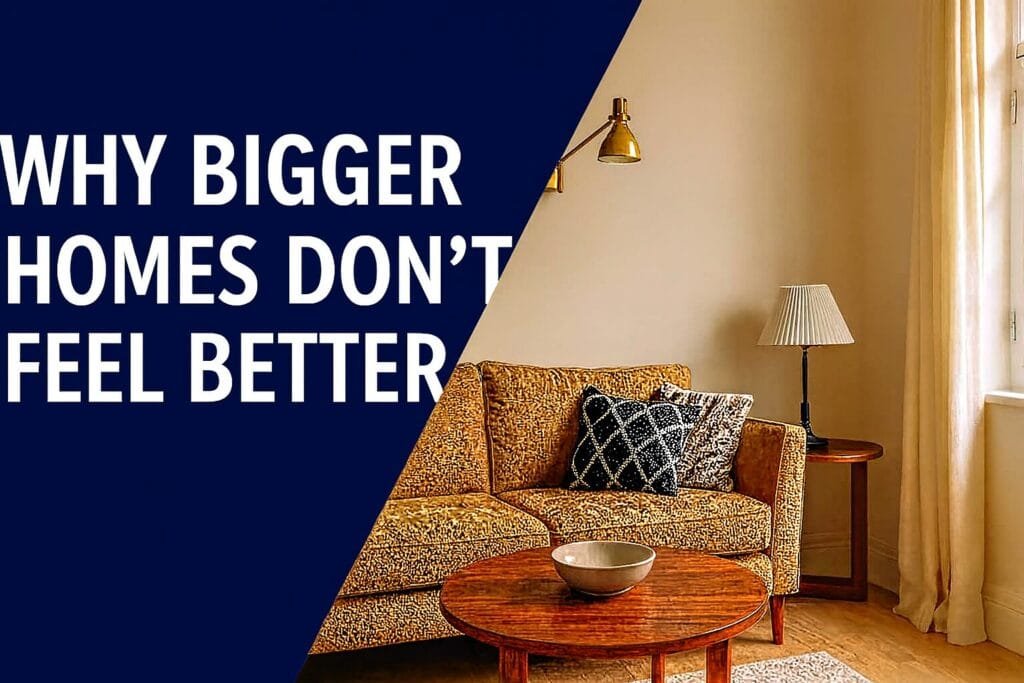
However, square footage alone determines very little about how spaces actually feel. A poorly designed large home feels worse than a thoughtfully planned smaller space. The relationship between size and satisfaction is far more complex than simple measurements suggest.
The Paradox of Empty Space
Large homes often contain rooms that rarely get used. Formal dining rooms sit empty except during holidays. Guest bedrooms remain vacant most of the year. Expansive living areas feel cold and uninviting. This unused space creates feelings of waste rather than abundance.
The Best Interior Designer in Delhi understands that every space should serve genuine purposes. Rooms that sit empty contribute nothing to daily life. They require maintenance, cleaning, and heating without providing real value. This paradox makes larger homes feel burdensome rather than beneficial.
Emotional Distance in Oversized Homes
Physical distance creates emotional distance within families. When bedrooms are far apart, spontaneous interactions decrease. Large spaces separate family members rather than bringing them together. Children retreat to distant rooms. Parents occupy different zones. The home becomes a collection of separate spaces rather than a unified gathering place.
Intimate connection requires proximity. Conversations happen when people share spaces naturally. Smaller, well-designed areas encourage interaction. Oversized layouts work against the human connections that make houses feel like homes.
The Maintenance Burden
Large homes demand enormous maintenance effort. More rooms mean more cleaning. Additional bathrooms require constant attention. Larger yards need ongoing care. The time and energy required for upkeep becomes exhausting.
Rishabh Interior helps clients understand maintenance realities before committing to oversized spaces. They calculate realistic cleaning time requirements. They consider ongoing maintenance costs. They help clients choose sizes that match actual lifestyle needs rather than abstract aspirations.
Energy and Environmental Costs
Heating and cooling large spaces consumes enormous energy. Utility bills for oversized homes can be staggering. The environmental impact of unnecessary square footage is significant. These ongoing costs create financial and ethical burdens.
The Best Interior Designer in Janakpuri prioritizes sustainable design that minimizes waste. They help clients right-size homes to actual needs. They design efficient spaces that require less energy. This environmental consciousness creates homes that feel good ethically as well as physically.
Financial Stress from Oversized Mortgages
Stretching financially to afford larger homes creates constant stress. Mortgage payments that consume too much income limit other life choices. The burden of excessive housing costs undermines the quality of life the larger home was supposed to provide.
Financial stress poisons enjoyment of any home regardless of size. A modestly sized home owned comfortably feels far better than an oversized property creating financial anxiety. Smart design maximizes smaller footprints rather than maximizing debt.
The Illusion of Status
Larger homes signal status in our culture. This social messaging drives purchasing decisions more than actual lifestyle needs. People buy size to impress others rather than to serve their real requirements. This status-seeking creates homes that look impressive but don’t actually feel good to inhabit.
Authentic satisfaction comes from spaces that serve real needs rather than performing for others. The Best Interior Designer in Delhi NCR helps clients distinguish between status symbols and genuine comfort. They create homes that prioritize inhabitant wellbeing over external impressions.
Poor Space Utilization
Many large homes use space inefficiently. Grand foyers serve no functional purpose. Hallways consume square footage without adding value. High ceilings look impressive but make rooms harder to heat and furnish appropriately. These design choices prioritize appearance over functionality.
Efficient design maximizes every square foot. Storage integrates seamlessly. Circulation spaces serve multiple functions. Ceiling heights match room purposes. Rishabh Interior specializes in space planning that eliminates waste while maximizing usefulness and comfort.
The Challenge of Furnishing Large Spaces
Filling large rooms with furniture becomes expensive and challenging. Proportional furnishing requires more pieces. Larger items cost more. Many rooms end up either sparsely furnished and uncomfortable or cluttered with unnecessary furniture purchased just to fill space.
The Best Interior Designer in Delhi helps clients furnish appropriately for actual space. They create comfortable arrangements regardless of room size. They know when to leave space open and when to add elements. This expertise ensures homes feel finished and comfortable rather than empty or cluttered.
Acoustic Problems in Large Spaces
Sound behaves differently in large volumes. Voices echo in oversized rooms. Conversations become difficult across large spaces. High ceilings create acoustic challenges. These sound problems make homes feel less intimate and comfortable.
Thoughtful acoustic design creates appropriate sound environments. Materials absorb echoes properly. Room volumes match intended uses. The Best Interior Designer in Janakpuri considers acoustics carefully to ensure spaces sound as good as they look.
Temperature Control Difficulties
Maintaining comfortable temperatures throughout large homes is challenging. Some rooms become too hot while others stay cold. Large volumes are difficult to heat evenly. Air conditioning struggles to cool expansive spaces efficiently. These temperature inconsistencies create ongoing discomfort.
Well-designed smaller spaces maintain temperature easily. Every area stays comfortable. Heating and cooling systems work efficiently. This consistent comfort contributes enormously to how good a home feels daily.
The Psychology of Cozy Spaces
Humans feel most comfortable in appropriately scaled spaces. Rooms that are too large feel institutional rather than homey. We seek the psychological comfort of enclosure. Cozy spaces trigger feelings of safety and contentment that vast rooms cannot provide.
The Best Interior Designer in Delhi NCR understands the psychology of scale. They create rooms sized for genuine comfort. They use design techniques to make necessary large spaces feel more intimate. This psychological sensitivity creates homes that feel emotionally right.
Cleaning and Organization Challenges
Keeping large homes organized becomes overwhelming. More closets mean more places for clutter to accumulate. Larger garages fill with possessions. Additional storage enables hoarding rather than simplifying. The organizational burden grows with square footage.
Smaller, well-designed homes naturally encourage organization. Limited storage forces intentionality about possessions. Cleaning stays manageable. This organizational ease reduces daily stress significantly.
Social Isolation in Large Homes
Large homes can increase social isolation paradoxically. When spaces are too big, hosting feels formal and difficult. Smaller gatherings get lost in oversized rooms. The effort of maintaining large properties reduces energy for social connection. Homeowners become isolated in their impressive but lonely houses.
Appropriately sized spaces feel welcoming and social. Gatherings feel natural and comfortable. The ease of maintenance leaves time for relationships. Rishabh Interior designs homes that facilitate connection rather than isolation.
Children and Spatial Needs
Children don’t need enormous bedrooms to thrive. Oversized kids’ rooms become dumping grounds for toys. Play happens where parents are, not in distant playrooms. Children benefit more from well-designed shared family spaces than from individual territory.
Thoughtful family home design prioritizes shared spaces over individual rooms. Common areas become the heart of the home. Bedrooms serve sleeping and focused activities. This allocation creates family connection that large individual rooms cannot provide.
The Flexibility Limitation
Very large homes become difficult to adapt as needs change. Oversized rooms resist repurposing. The scale limits furniture rearrangement options. As life circumstances shift, these inflexible spaces create problems rather than adapting gracefully.
Well-proportioned rooms adapt easily. Furniture rearranges to serve new purposes. Spaces flex with changing needs. The Best Interior Designer in Delhi creates adaptable designs that serve evolving lifestyles rather than locking families into fixed arrangements.
Quality Versus Quantity
Limited budgets force choices between size and quality. Larger homes often mean cheaper finishes and materials. Smaller homes can incorporate better quality throughout. Quality materials and craftsmanship contribute more to satisfaction than extra square footage with budget finishes.
Investment in quality over quantity creates homes that feel luxurious regardless of size. Beautiful materials delight daily. Quality craftsmanship lasts decades. This emphasis on quality over size delivers superior long-term satisfaction.
The Natural Light Problem
Light penetrates only so far into deep floor plans. Central rooms in large homes often lack natural light. This darkness creates depression and discomfort. No amount of square footage compensates for rooms that feel like caves.
Thoughtfully designed smaller homes maximize natural light throughout. Every room connects to windows. Daylight reaches all spaces. The Best Interior Designer in Janakpuri prioritizes light over size, knowing brightness contributes more to wellbeing than square footage.
Neighborhood and Community Connection
Smaller homes often exist in more connected neighborhoods. Walkable communities encourage social interaction. Large estate homes isolate families from neighbors. This isolation reduces quality of life despite impressive square footage.
Community connection matters more for happiness than home size. Neighborly relationships provide support and friendship. Walkable amenities reduce car dependence. These community benefits outweigh the appeal of isolated large properties.
Environmental Footprint Consciousness
Growing environmental awareness makes oversized homes feel ethically problematic. The carbon footprint of unnecessary space weighs on conscientious homeowners. Heating, cooling, and maintaining excess square footage contributes to climate problems unnecessarily.
Right-sized homes align with environmental values. Efficient designs minimize resource consumption. This ethical alignment allows homeowners to feel good about their choices rather than guilty about excess.
The Right-Sizing Movement
Growing numbers of people are choosing smaller, better-designed homes intentionally. This right-sizing movement rejects bigger-is-better assumptions. It prioritizes quality, efficiency, and sustainability over sheer size. Participants report higher satisfaction with appropriately scaled spaces.
Rishabh Interior serves this growing market of clients seeking thoughtfully sized homes. They maximize every square foot through clever design. They create spaces that feel generous despite efficient footprints. This expertise helps clients achieve more with less.
Maximizing Smaller Footprints
Skilled designers make smaller spaces feel surprisingly spacious. Open floor plans maximize sight lines. Built-in storage eliminates clutter. Multi-functional furniture serves multiple purposes. High ceilings create vertical volume. These techniques prove that perceived spaciousness comes from design rather than measurements.
The Best Interior Designer in Delhi NCR specializes in space-maximizing techniques. They create storage solutions that keep surfaces clear. They design furniture layouts that optimize flow. They use color and light to enhance perceived space. These skills transform compact footprints into comfortable, generous-feeling homes.
The Importance of Outdoor Connection
Quality outdoor space matters more than interior square footage. A beautiful garden or terrace extends living area naturally. Indoor-outdoor connection makes homes feel larger. This relationship to nature enhances wellbeing more than additional interior rooms.
Strategic design prioritizes outdoor access and views. Large windows connect interiors to gardens. Terraces become outdoor rooms. This outdoor orientation creates expansive feeling without excessive square footage.
Personal Scale and Comfort
Everyone has a personal comfort scale for spaces. Some people feel anxious in very open areas. Others feel confined in small rooms. Right-sized homes match individual psychological needs rather than following generic bigger-is-better assumptions.
The Best Interior Designer in Delhi helps clients understand their personal scale preferences. They create spaces matching individual comfort zones. This personalization ensures homes feel psychologically right for their specific inhabitants.
Investment in Experience Over Space
Forward-thinking homeowners invest in experience rather than square footage. They choose smaller homes in better locations. They allocate budgets to quality finishes and smart technology. They prioritize designs that enhance daily life. This experiential focus creates higher satisfaction than size alone ever could.
Rishabh Interior guides clients toward these experience-focused investments. They help prioritize budgets toward elements that matter daily. They create homes that delight through quality rather than impress through size.
Long-Term Satisfaction Research
Studies consistently show that home size correlates poorly with satisfaction after basic needs are met. Beyond adequate space, additional square footage provides diminishing returns. Design quality, location, and functionality matter far more. These research findings challenge cultural assumptions about size and happiness.
Professional designers apply this research to client projects. They help families identify actual space needs. They resist cultural pressure toward unnecessary size. They create homes optimized for real satisfaction rather than status display.
Conclusion: Rethinking Home Size and Happiness
The assumption that bigger homes create better lives deserves serious questioning. Square footage alone determines almost nothing about how spaces actually feel. Design quality, appropriate scale, efficient planning, and thoughtful details create the comfort and satisfaction we seek from our homes.
For families throughout Delhi, Janakpuri, and the broader NCR region considering new homes or renovations, partnering with experienced designers ensures size serves genuine needs. The Best Interior Designer in Delhi NCR helps clients resist cultural pressure toward unnecessary size. They create beautifully designed, appropriately scaled homes that feel better than oversized properties ever could. The investment in thoughtful design rather than sheer size delivers superior long-term satisfaction, lower ongoing costs, reduced environmental impact, and homes that truly feel like the comfortable, welcoming sanctuaries we all deserve.