Interior Design for People Who Hate Visual Clutter
Visual clutter creates mental chaos. Too many objects demand constant attention. Busy patterns overwhelm the eyes. Disorganized spaces trigger anxiety and stress. For people sensitive to visual noise, traditional decorated interiors feel suffocating rather than welcoming. These individuals crave simplicity, order, and visual peace. Their homes should be sanctuaries from overwhelming stimulation, not sources of it. Understanding how to create beautiful spaces without visual chaos requires specialized design expertise. The Best Interior Designer in Delhi NCR knows how to balance aesthetic appeal with the visual calm that clutter-averse people desperately need.
Understanding Visual Clutter Sensitivity
Some people genuinely struggle with cluttered environments. Their brains process every visible object. Busy spaces prevent mental rest. This isn’t pickiness or preference. It’s genuine cognitive and emotional overwhelm from too much visual information.
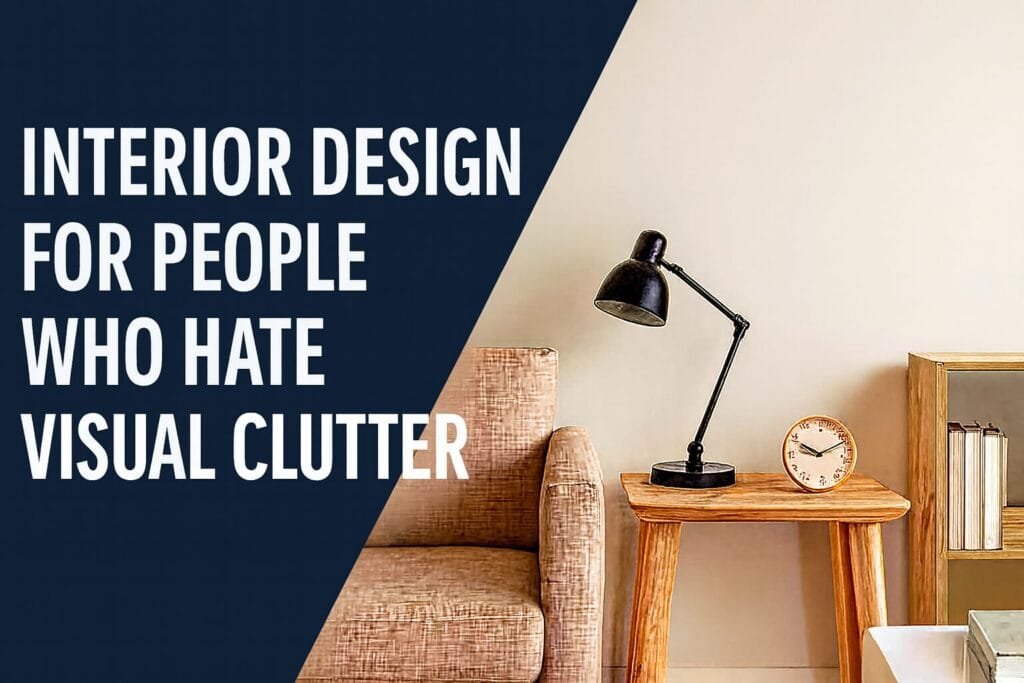
This sensitivity affects daily wellbeing significantly. Cluttered homes create constant low-level stress. People avoid their own spaces. They feel anxious and unsettled. Recognizing this sensitivity validates the need for thoughtfully simplified environments rather than dismissing concerns as excessive minimalism.
The Difference Between Empty and Calm
Visual calm doesn’t mean sterile emptiness. Extremely bare spaces can feel institutional and unwelcoming. The goal is creating environments that feel peaceful without feeling cold. This balance requires thoughtful design rather than simply removing everything.
The Best Interior Designer in Delhi masters this distinction. They create spaces with visual interest that doesn’t overwhelm. They include warmth without clutter. They design homes that feel lived-in while remaining visually restful. This sophisticated balance makes spaces both functional and psychologically comfortable.
Color Strategies for Visual Peace
Color choices profoundly affect visual complexity. Too many colors create chaos. High contrast feels jarring. Busy color combinations demand constant visual processing. Strategic color limitation reduces visual load dramatically.
Monochromatic or analogous color schemes create inherent calm. Limited palettes allow eyes to rest. Subtle variations provide interest without overwhelm. Neutral foundations with restrained accents offer flexibility without visual noise. Rishabh Interior specializes in color strategies that satisfy aesthetic requirements while maintaining visual simplicity.
Surface Management and Clear Horizons
Cluttered surfaces signal disorder visually. Countertops covered with items feel chaotic. Shelves packed with objects overwhelm. Coffee tables crowded with magazines create stress. Clear surfaces are essential for people who hate clutter.
This doesn’t mean surfaces must be completely empty. A few intentionally placed items can provide warmth. The key is discipline and restraint. Everything visible should serve clear purpose or bring genuine joy. The Best Interior Designer in Janakpuri creates storage solutions that enable this surface clarity without sacrificing functionality.
Strategic Storage Solutions
Generous, well-organized storage is fundamental for clutter-free living. Everything needs designated homes. Storage should be abundant and accessible. Closed storage hides visual complexity. These infrastructure elements make visual peace sustainable long-term.
Built-in cabinets maximize storage without consuming visual space. Closet systems organize possessions invisibly. Under-bed storage utilizes hidden areas. Wall-mounted cabinets add capacity without floor clutter. Professional designers ensure storage capacity matches real household needs rather than aspirational minimalism.
The One-In-One-Out Principle
Maintaining clutter-free spaces requires ongoing discipline. The one-in-one-out principle helps manage accumulation. When something new enters, something else leaves. This practice prevents gradual clutter creep that undermines visual peace.
Design can support this principle through finite display spaces. Limited shelving encourages curation. Designated areas for specific items prevent spread. Built-in constraints make decluttering automatic rather than requiring constant willpower.
Furniture Selection for Visual Simplicity
Furniture choices significantly affect visual complexity. Ornate pieces add decorative noise. Too many furniture items create crowding. Oversized furniture overwhelms. Thoughtful selection reduces visual load while maintaining function.
Clean-lined furniture with simple forms reads as visually quiet. Multi-functional pieces reduce furniture quantity. Appropriately scaled items avoid overwhelming rooms. The Best Interior Designer in Delhi NCR selects furniture that serves needs without adding unnecessary visual complexity.
Open Floor Plans and Sight Lines
Open floor plans reduce visual boundaries and compartmentalization. Clear sight lines create expansive feelings. Minimal walls eliminate visual interruption. This openness particularly benefits those who find visual clutter stressful.
However, completely open plans can feel chaotic without proper zoning. Subtle definition through furniture arrangement maintains function. Area rugs suggest zones without walls. Lighting variations create implied boundaries. Professional designers balance openness with necessary functional separation.
Textile and Pattern Restraint
Busy patterns create significant visual noise. Mixed patterns multiply complexity. Too many textile types feel chaotic. For clutter-sensitive individuals, pattern restraint is essential for visual peace.
Solid textiles provide visual rest. Subtle textures add interest without pattern business. When patterns appear, they should be simple and contained. One patterned element per space prevents visual overwhelm. Rishabh Interior carefully controls pattern use to maintain visual calm while avoiding sterility.
Lighting for Visual Clarity
Good lighting reduces visual clutter perception. Well-lit spaces feel more organized. Shadows hide clutter but create dim unpleasantness. Layered lighting provides clarity without harshness.
Natural light is especially valuable for clutter-averse individuals. It reveals spaces clearly. It supports organizational efforts. It makes clutter immediately visible for addressing. The Best Interior Designer in Delhi maximizes natural light while providing appropriate artificial lighting that maintains clarity without creating visual harshness.
Minimalist Artwork and Wall Treatments
Walls offer opportunities for visual interest or sources of clutter. Too much wall art creates gallery chaos. Busy wallpaper overwhelms. However, completely bare walls feel institutional. The balance requires restraint and intention.
A few carefully selected pieces provide visual interest without overwhelm. Large-scale art makes impact without multiplying visual elements. Simple frames avoid decorative complexity. Neutral wall colors provide calm backgrounds. Professional designers curate wall treatments that enhance rather than complicate visual environments.
Kitchen Design Without Clutter
Kitchens easily become clutter epicenters. Appliances cover counters. Utensils fill spaces. Papers accumulate constantly. For clutter-haters, kitchen design requires special attention to maintaining clear surfaces.
Appliance garages hide small appliances. Integrated appliances maintain clean lines. Abundant drawer storage contains utensils invisibly. Command centers manage papers systematically. The Best Interior Designer in Janakpuri designs kitchens where functionality doesn’t compromise visual peace through thoughtful storage and organizational systems.
Bathroom Simplicity Strategies
Bathrooms accumulate products quickly. Counters fill with bottles and containers. Towels create visual mess. Maintaining bathroom calm requires specific design strategies.
Medicine cabinets hide products completely. Drawer organizers contain small items. Towel hooks maintain order better than towel bars. Matching containers reduce visual variety. Designers create bathroom systems that accommodate necessary items without visible chaos.
Bedroom Design for Visual Rest
Bedrooms serve as rest sanctuaries. Visual clutter particularly undermines this purpose. Nightstands shouldn’t overflow. Dressers should remain clear. Clothing should stay contained. Visual peace is essential for quality sleep.
Built-in wardrobes hide clothing completely. Nightstands with drawers contain necessities invisibly. Minimal bedding reduces visual complexity. Empty floors create psychological spaciousness. Rishabh Interior designs bedrooms as true visual retreats where eyes can rest as much as bodies.
Entryway Organization Systems
Entryways easily become dumping grounds. Coats pile up. Shoes scatter. Mail accumulates. Keys disappear. This entry chaos sets negative tones for entire homes.
Dedicated coat closets contain outerwear. Shoe storage keeps footwear organized. Mail sorting systems prevent paper piles. Key hooks designate specific spots. Professional designers create entry systems that prevent chaos from entering living spaces.
Living Room Balance
Living rooms should feel welcoming without feeling cluttered. Seating needs balancing with open space. Entertainment systems require integration without dominance. Personal items need presence without overwhelming.
Strategic furniture arrangement creates conversation areas without crowding. Media cabinets hide technology when not in use. Display areas contain meaningful items carefully. This curated approach maintains livability while preventing visual chaos. The Best Interior Designer in Delhi NCR creates living spaces that feel both comfortable and visually peaceful.
Office and Work Space Clarity
Home offices require functionality without clutter. Papers, supplies, and equipment can quickly create chaos. Maintaining work space clarity supports both productivity and mental peace.
Filing systems manage papers invisibly. Drawer organizers contain supplies. Cable management eliminates visual tangles. Minimalist desk accessories reduce surface clutter. Designers create work environments where focus isn’t constantly interrupted by visual disorder.
Children’s Spaces and Clutter Control
Children’s rooms present special challenges. Toys multiply constantly. Artwork and projects accumulate. Maintaining order feels impossible. However, even children’s spaces can accommodate clutter-averse parenting.
Toy rotation systems limit visible toys. Art display areas contain and frame creations. Generous toy storage makes cleanup straightforward. Defined play zones contain mess. Professional designers help families create child-friendly spaces that remain visually manageable for clutter-sensitive parents.
Technology Integration Without Visual Chaos
Modern homes contain significant technology. Televisions, speakers, routers, and cables can create terrible visual clutter. Thoughtful integration hides technology when not in use while maintaining functionality.
Media consoles with doors hide equipment completely. In-wall and in-ceiling speakers eliminate visible components. Cable management systems eliminate tangles. Smart home integration reduces physical controls. The Best Interior Designer in Delhi integrates technology seamlessly without compromising visual simplicity.
Seasonal Decoration Strategies
Many people enjoy seasonal decorating. However, excessive decorations create clutter quickly. Restrained seasonal touches allow festivity without overwhelming spaces.
A few statement pieces create seasonal feeling. Rotation prevents accumulation. Storage systems contain seasonal items between uses. This disciplined approach allows celebrating seasons without sacrificing year-round visual peace.
Plants Without Visual Mess
Plants add life and air quality. However, too many plants create visual clutter. Inconsistent containers multiply visual complexity. Dead leaves create ongoing mess. Strategic plant use adds benefits without problems.
A few substantial plants make impact without quantity clutter. Matching planters reduce visual variety. Easy-care varieties minimize maintenance mess. Professional designers incorporate greenery thoughtfully rather than filling every surface with small plants.
Maintenance Systems for Sustained Clarity
Beautiful, clutter-free spaces require ongoing maintenance. Design should support rather than fight this reality. Built-in systems make maintenance straightforward and sustainable.
Everything having designated homes prevents clutter accumulation. Surfaces designed for easy cleaning stay cleaner. Durable materials tolerate regular cleaning. Rishabh Interior designs spaces with maintenance realities in mind rather than creating beautiful but unsustainable environments.
Material Selection for Visual Calm
Materials affect perceived clutter significantly. Too many different materials create visual variety that feels chaotic. Shiny surfaces reflect and multiply visual information. Thoughtful material selection reduces visual complexity.
Limited material palettes create coherence. Matte finishes absorb rather than reflect. Natural materials provide warmth without complexity. The Best Interior Designer in Janakpuri selects materials that support visual simplicity while providing durability and beauty.
Budget Considerations
Creating clutter-free spaces doesn’t necessarily cost more than traditional design. However, investment should prioritize storage infrastructure and quality over quantity. Fewer, better items serve clutter-averse individuals better than abundant mediocre ones.
Custom storage solutions represent worthwhile investments. Quality furniture lasts longer and maintains appearance better. Professional design prevents costly mistakes. These strategic investments create environments that remain satisfying long-term.
Working with Household Members
Clutter sensitivity varies within households. One person’s necessary items feel like clutter to others. Navigating these differences requires compromise and communication.
Designers facilitate these conversations productively. They create systems serving all household members. They balance competing needs thoughtfully. They ensure solutions work for everyone rather than prioritizing one person’s preferences completely.
The Psychological Benefits
Living without visual clutter provides measurable psychological benefits. Stress decreases significantly. Focus improves noticeably. Sleep quality often increases. These wellbeing improvements justify the effort required to create and maintain clutter-free environments.
People who hate clutter aren’t being difficult or demanding. They’re responding to genuine psychological needs. Creating appropriate environments supports their mental health and life quality. Professional design expertise makes these supportive environments beautiful and functional simultaneously.
Long-Term Satisfaction
Clutter-free design approaches create lasting satisfaction. Unlike trend-driven designs that date quickly, visual simplicity remains appealing indefinitely. The calm these spaces provide never gets old. This longevity makes thoughtful investment worthwhile.
The Best Interior Designer in Delhi NCR creates timeless spaces that serve clients for decades. They prioritize fundamental principles over fleeting trends. They design environments that continue supporting wellbeing year after year.
Conclusion: Design That Supports Your Nature
Hating visual clutter isn’t a flaw requiring accommodation. It’s a valid preference deserving thoughtful design response. Creating beautiful spaces without visual chaos requires expertise, discipline, and understanding. The result is homes that truly serve their inhabitants’ psychological needs rather than fighting against them.
For residents throughout Delhi, Janakpuri, and the broader NCR region who struggle with cluttered environments, professional design guidance transforms living spaces. The Best Interior Designer in Delhi NCR brings the expertise needed to create homes that feel both beautiful and psychologically comfortable. They understand that for clutter-sensitive individuals, visual simplicity isn’t optional luxury but essential infrastructure for daily wellbeing. The investment in thoughtfully simplified design delivers returns through reduced stress, improved focus, better sleep, and the profound peace that comes from finally having a home where your eyes can rest as completely as your body.