Best furniture layout for small living rooms
Small living rooms present unique design challenges that require creative solutions. Limited square footage doesn’t mean sacrificing comfort or style. The right furniture layout transforms cramped spaces into functional, inviting rooms. Understanding spatial principles and smart design strategies makes all the difference. The Best Interior Designer in Delhi NCR specializes in creating beautiful, efficient layouts for compact living spaces.
Understanding Your Small Living Room Dimensions
Before arranging furniture, measure your space carefully. Note exact room dimensions including ceiling height. Mark door swings, windows, and architectural features on a floor plan. These measurements guide all furniture decisions.
Consider traffic flow patterns through your living room. People need clear paths to move comfortably. Doorways require adequate clearance. Windows should remain accessible. Understanding these constraints prevents layout mistakes.
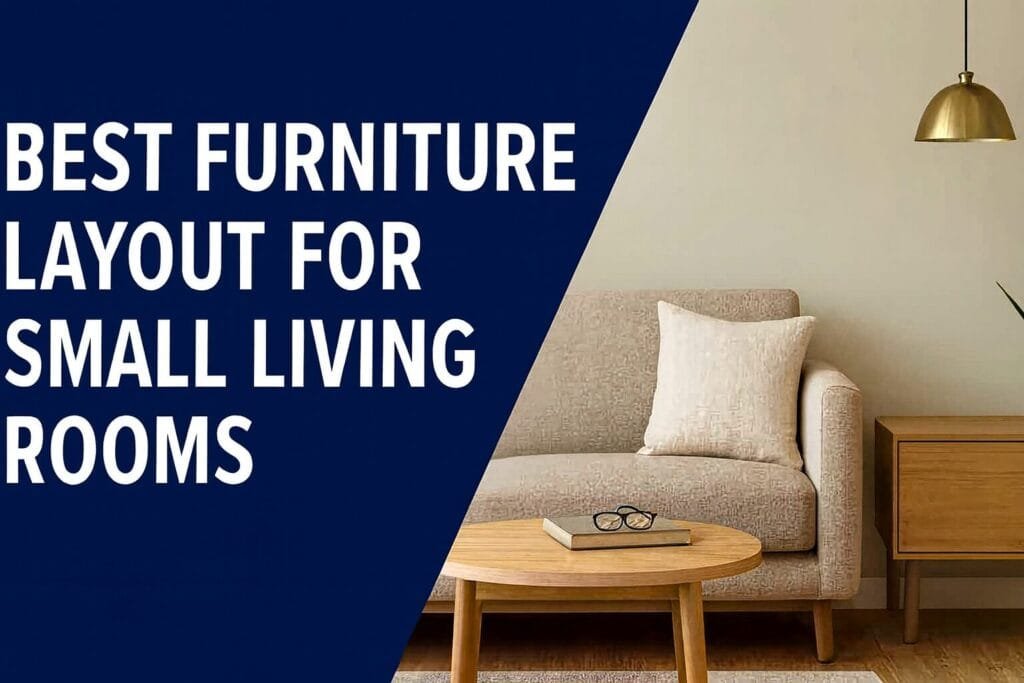
Best Furniture Layout for Small Living Rooms: Maximizing Space and Style
Small living rooms present unique design challenges that require creative solutions. Limited square footage doesn’t mean sacrificing comfort or style. The right furniture layout transforms cramped spaces into functional, inviting rooms. Understanding spatial principles and smart design strategies makes all the difference. The Best Interior Designer in Delhi NCR specializes in creating beautiful, efficient layouts for compact living spaces.
Understanding Your Small Living Room Dimensions
Before arranging furniture, measure your space carefully. Note exact room dimensions including ceiling height. Mark door swings, windows, and architectural features on a floor plan. These measurements guide all furniture decisions.
Consider traffic flow patterns through your living room. People need clear paths to move comfortably. Doorways require adequate clearance. Windows should remain accessible. Understanding these constraints prevents layout mistakes.
The Importance of Scale and Proportion
Furniture scale dramatically affects how small rooms feel. Oversized pieces overwhelm limited space. Tiny furniture looks lost and awkward. Finding the right balance requires careful consideration.
Select furniture proportional to room size. A massive sectional sofa dominates small living rooms. Compact sofas or loveseats work better. Coffee tables should allow easy movement around them. The Best Interior Designer in Delhi understands these critical scale relationships.
Creating Functional Zones in Limited Space
Even small living rooms can accommodate multiple functions. Define distinct zones for different activities. A seating area for conversation occupies one section. A reading nook fits in a corner. A small work surface creates a mini office.
Use furniture placement to delineate these zones visually. Rugs anchor seating areas. Bookcases separate spaces without blocking light. Strategic arrangement creates organization without physical walls.
Maximizing Seating Without Overcrowding
Seating is essential in living rooms but shouldn’t dominate space. Choose pieces that serve multiple purposes. A storage ottoman provides seating and stores items. Armless chairs take less visual space than bulky recliners.
Consider versatile seating arrangements. Poufs and floor cushions store easily when not needed. Folding chairs provide extra seating for guests. These flexible options maintain openness in everyday use.
Strategic Sofa Placement Techniques
Sofa placement sets the foundation for entire room layouts. Against walls, sofas maximize floor space. Floating sofas create intimacy but require adequate room. Consider your priorities and space constraints.
L-shaped or sectional sofas fit corners efficiently. They provide ample seating while utilizing awkward spaces. However, ensure they don’t overwhelm room proportions. The Best Interior Designer in Janakpuri assesses whether sectionals suit specific small spaces.
Smart Coffee Table Solutions
Coffee tables anchor living room layouts but must be sized appropriately. Oversized tables obstruct movement. Tables with storage maximize functionality. Glass tops create visual lightness.
Consider alternative coffee table arrangements. Nesting tables provide flexibility. Ottoman coffee tables offer soft edges and storage. Round tables ease traffic flow better than rectangular shapes in tight spaces.
Wall-Mounted and Floating Furniture Benefits
Wall-mounted furniture frees precious floor space. Floating TV consoles create airy looks. Wall-mounted shelving provides storage without footprint. These solutions make rooms feel larger.
Floating desks serve as work surfaces without dominating space. Wall-mounted drop-leaf tables extend when needed and fold away. These smart solutions support functionality without permanent space commitment.
Multipurpose Furniture for Space Efficiency
Multipurpose furniture maximizes small living room potential. Sofa beds accommodate overnight guests. Storage ottomans hide clutter while providing seating. Console tables function as desks or dining surfaces.
Murphy beds fold into walls, transforming living rooms into bedrooms. Extendable dining tables serve daily use and entertaining. The Best Interior Designer in Delhi NCR recommends specific multipurpose pieces for individual needs.
Vertical Space Utilization Strategies
Small rooms often have unused vertical space. Tall bookcases draw eyes upward and provide storage. Wall-mounted shelving displays items without consuming floor area. Floor-to-ceiling curtains create height illusions.
Stack storage vertically rather than horizontally. High-mounted cabinets store seasonal items. Vertical storage keeps frequently used items accessible while maximizing capacity.
Creating Visual Space Through Color
Light colors make small rooms feel larger and brighter. White and pale neutrals reflect light effectively. Soft pastels create openness without coldness. Monochromatic schemes reduce visual clutter.
Strategic accent colors add personality without overwhelming. One accent wall creates depth. Colorful accessories inject life while remaining changeable. The Best Interior Designer in Delhi balances color psychology with spatial perception.
Lighting Design for Small Spaces
Lighting profoundly affects how small spaces feel. Multiple light sources at different heights create depth. Avoid single overhead fixtures that flatten spaces. Layer ambient, task, and accent lighting.
Wall sconces save table space while providing illumination. Floor lamps light corners without requiring surface area. Under-shelf lighting adds ambiance. Good lighting makes small rooms feel welcoming and spacious.
Mirror Placement for Space Expansion
Mirrors visually double room size through reflection. Large mirrors opposite windows maximize natural light. Mirrored furniture adds function and light reflection. Strategic mirror placement creates depth.
Avoid mirror overuse which creates confusion. One large mirror impacts more than many small ones. Position mirrors to reflect attractive views or light sources. The Best Interior Designer in Janakpuri knows optimal mirror placement for each space.
Choosing the Right Entertainment Center
Entertainment centers often dominate living rooms. In small spaces, choose streamlined options. Wall-mounted TV eliminates bulky stands. Minimal media consoles provide necessary storage without bulk.
Consider TV size relative to room dimensions. Oversized screens overwhelm small spaces. Adequate viewing distance requires surprising room depth. Balance entertainment needs with spatial realities.
Rug Selection and Placement
Rugs define spaces and add warmth but require careful sizing. Too-small rugs make rooms feel choppy. Oversized rugs can overwhelm. Proper rug size unifies seating areas.
All front furniture legs should rest on the rug ideally. This creates cohesive groupings. Light-colored rugs enhance spaciousness. Patterns add interest without visual weight.
Window Treatment Considerations
Window treatments affect light and perceived space significantly. Heavy drapes darken and shrink rooms. Sheer curtains maintain privacy while allowing light. Mounting curtains near ceilings creates height illusions.
Avoid treatments that protrude far into rooms. Slim blinds or simple panels work best. Light-filtering options balance privacy and brightness. The Best Interior Designer in Delhi NCR selects treatments enhancing spatial perception.
Decluttering and Organization Systems
Clutter destroys small room functionality. Regular decluttering maintains openness. Everything needs a designated storage place. Hidden storage prevents visual chaos.
Baskets and boxes organize items attractively. Closed storage hides everyday clutter. Display only meaningful items. Minimalism serves small spaces well.
Furniture with Exposed Legs
Furniture with visible legs creates airiness. Solid, ground-reaching pieces feel heavy. Exposed legs allow light flow underneath. This visual trick makes rooms feel less crowded.
Sofas, chairs, and tables on legs appear lighter. Choose slender legs rather than chunky bases. Glass or acrylic furniture maximizes this effect.
Corner Utilization Strategies
Corners often waste valuable space. Corner shelving maximizes these areas. L-shaped desks fit corners efficiently. Corner seating creates cozy spots.
Diagonal furniture placement sometimes works better than parallel walls. This creates dynamic arrangements. However, ensure diagonal placement doesn’t obstruct traffic. The Best Interior Designer in Delhi evaluates which approach suits specific rooms.
Open Shelving Versus Closed Storage
Open shelving displays items while providing storage. It creates less visual weight than closed cabinets. However, open storage requires careful curation to avoid clutter.
Closed storage hides messy items completely. It creates clean, streamlined looks. Balance both storage types for optimal functionality and aesthetics.
Creating Focal Points in Small Rooms
Every room needs a focal point that anchors design. In living rooms, this might be a fireplace or artwork. Arrange furniture to highlight this feature. Focal points create intentional arrangements.
Avoid competing focal points which fragment attention. One strong feature creates cohesion. Built-in features often serve as natural focal points.
Traffic Flow Optimization
Maintain clear pathways through living rooms. People need approximately three feet of walking space. Avoid furniture that forces awkward navigation. Smooth traffic flow prevents frustration.
Consider how people enter and move through space. Arrange furniture facilitating natural movement patterns. The Best Interior Designer in Janakpuri plans layouts supporting comfortable circulation.
Balancing Function and Aesthetics
Beautiful rooms that don’t function well ultimately disappoint. Prioritize how you actually use your living room. Aesthetic choices should support lifestyle needs.
If you entertain frequently, ensure adequate seating. If you work from home, incorporate desk space. Honest assessment of needs guides successful layouts.
Flexible Arrangements for Changing Needs
Design layouts that adapt to evolving needs. Modular furniture rearranges easily. Lightweight pieces move without struggle. Flexibility prevents redesign when circumstances change.
Avoid built-in solutions that lock in specific arrangements. Maintain ability to refresh layouts seasonally or as tastes evolve.
Technology Integration in Small Spaces
Modern living requires technology integration. Plan charging station locations. Conceal cords and cables. Ensure adequate outlets at furniture locations.
Smart furniture includes built-in charging. Cable management systems prevent tangled messes. The Best Interior Designer in Delhi NCR incorporates technology seamlessly into small space designs.
Avoiding Common Layout Mistakes
Pushing all furniture against walls doesn’t maximize space. This creates empty centers and uncomfortable distances. Floating furniture often works better when space allows.
Blocking windows wastes natural light. Oversized artwork overwhelms small walls. Too many small accessories create visual clutter. Learning from common mistakes prevents frustration.
Seasonal Layout Adjustments
Consider seasonal furniture arrangement changes. Summer layouts might emphasize airflow and lightness. Winter arrangements create coziness. Simple adjustments refresh spaces without major overhaul.
Store seasonal items that aren’t currently needed. Rotate decorative accessories to maintain freshness. These minor changes prevent boredom in small spaces.
Professional Design Consultation Value
Professional interior designers bring expertise that prevents costly mistakes. They visualize spatial potential that untrained eyes miss. They source furniture perfectly scaled for small rooms.
The Best Interior Designer in Delhi NCR, serving Delhi and Janakpuri, transforms challenging small living rooms into functional showcases. Their experience with space planning ensures optimal furniture layout from the start.
Budget-Friendly Layout Strategies
Effective small room layouts don’t require expensive furniture. Strategic arrangement matters more than cost. Use what you have creatively before purchasing new items.
Rearrange existing furniture experimentally. Sometimes simple repositioning transforms spaces completely. Add affordable accessories for impact. Professional designers maximize budgets through smart planning.
Conclusion: Transforming Your Small Living Room
Small living rooms can be stylish, comfortable, and highly functional. Success requires understanding spatial principles and making intentional choices. Proper furniture layout maximizes every square foot available.
The Best Interior Designer in Delhi NCR, Delhi, and Janakpuri brings specialized expertise to small space challenges. They create layouts balancing aesthetics with practical needs. Their guidance prevents common mistakes while revealing spatial potential.
Whether you’re furnishing a compact apartment or maximizing a cozy home, professional design insight proves invaluable. Small living rooms become favorite spaces when thoughtfully arranged. With careful planning, the right furniture selection, and expert layout strategies, your small living room can feel spacious, welcoming, and perfectly suited to your lifestyle. Invest in professional design consultation to unlock your small space’s full potential and create a living room you’ll love for years to come.