Scandinavian Interior Design Explained
Understanding the Philosophy Behind Scandinavian Design
Best Interior Designer in Delhi NCR: Scandinavian interior design has captivated homeowners and design enthusiasts worldwide with its unique blend of functionality, simplicity, and natural beauty. Originating from the Nordic countries of Denmark, Norway, Sweden, Finland, and Iceland, this design philosophy emerged in the early twentieth century and has since become one of the most influential and enduring interior design movements globally. The beauty of Scandinavian design is that it upholds the ideal of providing both visually pleasing and functional spaces that embody the Nordic lifestyle of quality, sustainability, and harmony with nature.
The core principle that characterizes Scandinavian interior design is the idea of designing beautiful living spaces that emphasize people’s welfare and comfort without excess ornamentation. This style developed as a response to the region’s specific geographical and
climatic realities, where winters would be long and dark, requiring the design of light, warm, and welcoming interiors that would improve moods and offer protection from rough weather. When collaborating with the top interior designer in Delhi NCR, it is essential to learn these key principles in order to implement this style successfully in Indian houses, where climate and cultural realities differ enormously compared to countries in the Nordics.
The Central Pieces That Characterize Scandinavian Design
At the core of Scandinavian interior design is a thoughtfully selected color scheme dominated by whites, pale grays, and muted colors that provide a perception of space and calm. These colors provide the ideal canvas for injecting subtle bursts of color with accessories and textiles, enabling homeowners to add a personal touch while still maintaining the minimalist feel. Strategic use of white and light shades mirrors the Nordic need to get maximum daylight during winter’s shorter days, which provides bright and airy interiors with a sense of welcome all year round.
Natural materials are another foundation of Scandinavian design, where wood stands as the hero material of choice. Light woods like pine, beech, ash, and birch are preferred for the way they bring warmth and texture to otherwise sparse environments. These woods are generally left raw or stained with light colors that enhance the natural beauty and grain of the wood. The best interior designer in Delhi NCR will know how to source and use these materials well, striking the balance between authenticity and availability in the local area and climate in order to design spaces that pay tribute to the Scandinavian style while also being sensible for Indian living conditions.
Lighting Design: The Heart of Scandinavian Interiors
Lighting in Scandinavian interior design plays a completely fundamental role, way beyond its practical function of lighting. With restricted natural lighting in Nordic winters, designers in Scandinavia are experts at designing layered lighting designs that blend ambient, task, and accent lighting to create warmth and mood throughout the day. Large windows are maximized to utilize every ray of available natural lighting, usually left open or dressed in light-filtering, sheer curtains which provide privacy without denying vital sunlight.
The classic pendant lights and sculptural lamps that are so representative of Scandinavian design are both functional and beautiful, serving as eye-catching design elements while offering necessary light. Louis Poulsen, Muuto, and Normann Copenhagen have produced lighting fixtures that best embody the Scandinavian dedication to form meeting function, where designs are aesthetically pleasing while also being purposeful. When discussing with the top Delhi NCR interior designer about applying Scandinavian lighting philosophy, residents must prioritize forming several sources of light at varied heights within every room to make areas feel welcoming and cozy in the evenings while harmonizing the vast amount of natural light to be found within India’s generally sunnier weather.
Furniture Choice and Space Layout
Scandinavian furniture design is known for simplicity, natural curves, and remarkable craftsmanship that prioritizes quality rather than quantity. The selected furniture pieces to feature in Scandinavian spaces tend to be multi-functional, exemplifying the Nordic culture’s respect for utility and organized use of space. Master designers such as Arne Jacobsen, Hans Wegner, and Alvar Aalto created instantly iconic designs that have since become timeless design classics, exemplifying the capacity of furniture to be both sculptural and comfortable, minimalist yet inviting.
The Scandinavian interior’s spatial planning is about designing open, uncluttered areas that facilitate smooth movement and social interaction. In contrast to more elaborate design schemes that support covering every nook and corner, Scandinavian design celebrates negative space as a design in itself, so that every piece of furniture and ornament can breathe and stand on its own. This strategy necessitates diligent curation and restraint in choosing only those items that provide a definite function or bring true happiness. The top interior designer in Delhi NCR with expertise in Scandinavian design will lead clients through this process of selection, explaining to them that sometimes less can be more when each item is selected with purpose and attention.
Textiles and Soft Furnishings: Bringing Warmth and Comfort
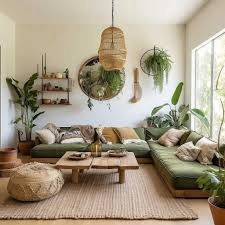
Although Scandinavian style is traditionally linked with minimalism and cool colors, textiles and soft furnishings are an integral part of creating warmth, texture, and comfort within such spaces. The art of “hygge,” a Danish word that translates very loosely to coziness and contentment, lies at the heart of how Scandinavians employ textiles to build warm, welcoming spaces. Throws, cushions, rugs, and curtains made in natural fibers such as wool, linen, cotton, and sheepskin add levels of tactile interest without compromising the overall aesthetic coherence.
Patterns and textures added through textiles lean towards geometric patterns, muted stripes, and organic patterns with an inspiration from nature instead of busy or elaborate patterns. They add visual interest without overwhelming the space without compromising the tranquil and peaceful atmosphere that characterizes Scandinavian interiors. In collaboration with the top interior designer in Delhi NCR to incorporate such a balance, homeowners must think through how the humid Indian climate would impact natural textile options and research treatments or substitutes that retain the aesthetic while providing durability and functionality in regional conditions.
Integrating Nature Inside: The Biophilic Link
The Scandinavian relationship with nature heavily impacts interior design decisions, which is expressed in many ways in the home. In addition to the employment of natural materials such as wood and stone, Scandinavian design expressly integrates living greenery, daylight, and vistas of the outside environment to forge a direct relationship with nature. This biophilic design aesthetic acknowledges that humans have an intrinsic desire to engage with nature, and that integration of natural materials indoors enhances health, lessens tension, and enhances quality of life.
Room plants that are as much as trees in size or as small as succulents are strategically located in Scandinavian homes, contributing life, color, and better air quality to the interiors. The choice generally tends towards hardy, low-maintenance types that grow well indoors, a nod to the practical nature that informs all Scandinavian design choices. The top interior designer in Delhi NCR may be able to assist house owners in choosing right plants that fit both the Scandinavian look and Indian weather, possibly even tropical ones that introduce an interesting blend to the Nordic feel but are still consistent with the element of bonding with nature.
Balancing Minimalism and Coziness
Perhaps the toughest part of Scandinavian design is achieving the ideal balance of minimalism and warmth, so that the rooms are neither sterile nor busy. This fine balance needs a keen eye for proportion, scale, and how contrasting elements interact with each other. The trick is to realize that Scandinavian minimalism is not about deprivation or chill, but about intentional selection and giving each element a meaningful role in the composition as a whole.
The coziness in Scandinavian homes results from the deliberate stacking of textures, the thoughtful employment of warm wood colors, and the addition of personal elements that communicate the personalities and experiences of the residents. Family portraits, sentimental art, special books, and homemade items contribute personality and individuality without undermining the clean, streamlined look. When meeting with the top interior designer in Delhi NCR, homeowners ought to involve their own collections and cultural aspects on how to integrate in ways that complement instead of detract from the Scandinavian basis, producing spaces that are truly their own yet still respect the design principles.
Color Accents and Seasonal Variations
While the background of Scandinavian color schemes is neutral, the addition of color accents by careful design gives it personality and mirrors seasons changing throughout the year. Classic Scandinavian color options for accents include pale blues found in Nordic skies, warm terracotta, muffled greens inspired by forests and mosses, and an occasional addition of bold colors like mustard yellow or deep red. These hues are generally introduced through readily interchangeable elements such as throw pillows, blankets, paintings, and decorative items so that the room may change with the seasons and the emotions of the homeowners.
The Scandinavian seasonal decorating philosophy is very different from more maximalist practice in that it focuses on very subtle changes in fabrics and natural features over dramatic redecorations. Heavier woolens and sheepskins may be added during colder weather, whereas the summer season introduces lighter linens and maybe additional whites and new greenery. This flexibility makes Scandinavian style especially well-suited to Delhi NCR’s changing climate, enabling homeowners to modify their interiors to match various seasons without deviating from the underlying style. The greatest interior designer Delhi NCR has to offer will know the way to develop this flexibility, creating rooms that are perfectly capable of adapting to changing seasons with careful planning of fixed components and careful choice of flexible accessories.
Storage Solutions and Organization Systems
Invisible storage is one of the most functional elements of Scandinavian interior design, the philosophy being that everything finds a place and that visual clutter takes away from the serene environment that these interiors work so hard to achieve. Built-in furniture, minimalist cabinetry, and versatile piece of furniture with concealed storage enable home owners to keep the clean lines and unadorned surfaces that characterize the design while still being able to meet the realities of contemporary life and the accumulation of possessions.
The Scandinavian design for storage is quality-oriented, with systems well made and that fit within the design as a whole rather than looking like an afterthought. Open shelving, if utilized, is tastefully dressed with a few choice lovely objects, volumes of reading matter, and useful items that add to instead of take from the look. While collaborating with the top interior designer in Delhi NCR on a Scandinavian-themed project, thorough discussion of storage requirements right at the beginning helps ensure the final design effectively meets both aesthetic and functional demands, producing spaces that are functional and organized in the long term.
Sustainability and Ethical Concerns
Sustainability aligns as a core component of Scandinavian design philosophy, echoing greater Nordic values regarding environmental care and accountability. This is expressed in the use of locally derived, sustainable materials, the emphasis on quality items that will be around for generations over trendy pieces that have limited lifespans, and the focus on craft and age-old manufacturing methods. Scandinavian design is inherently anti-disposable culture for fast furniture, with a focus on investing in well-crafted pieces that can be repaired, refinished, and handed down from generation to generation.
The green awareness inherent in Scandinavian design is also present in thoughts regarding energy efficiency, with precise attention to insulation, placement of windows, and heat systems that have little environmental footprint yet ensure comfort. For Delhi NCR homeowners who hire the region’s top interior designer, applying these sustainability tenets to the Indian environment could mean choosing Indian-sourced green materials, patronizing local craftspeople and artisans, and adding energy-saving solutions specific to India’s climate, like clever window placement for natural ventilation and passive cooling techniques that minimize the use of air conditioning.
Adapting Scandinavian Design for Indian Homes
Effectively applying Scandinavian principles of design to Indian living spaces involves careful adaptation that honors the philosophy of beauty and the practicalities of Indian living. Climate variations between Nordic nations and India offer challenges but also opportunities for creative reinterpretation. While Scandinavian homes are designed to maximize warmth and light during cold, dark winters, Indian homes must address intense heat and bright sunlight for much of the year, potentially requiring modifications to window treatments, flooring materials, and ventilation strategies.
Cultural considerations also play an important role in adapting Scandinavian design for Indian contexts. Most Indian homes have multi-generational family accommodations, have specific needs for religious observances, and have storage for traditional attire and ritual objects that may not be found in the average Scandinavian home. The finest Delhi NCR interior designer will have expertise in crossin’ these cultural and functional demands, designing spaces that pay homage to Scandinavian design while still being truly appropriate to Indian lifestyles. This may include integrating Indian traditional craftsmanship into Scandinavian structures, employing locally sourced materials reflecting Nordic tastes, or discovering innovative means of incorporating functional components as required without degrading the overall aesthetic vision.
The Role of Professional Expertise in Achieving Authentic Results
While the seeming simplicity of Scandinavian design may lead one to believe it is simple to achieve, attaining successfully genuine results calls for tremendous experience, skill, and knowledge of the principles behind it. The seemingly simple looks actually call for precise attention to proportion, scale, material quality, and the delicate interplay among disparate design components. Inadequate execution may lead to spaces that are cold and uninviting instead of peaceful and cozy, or disheveled instead of deliberately minimalist.
Collaborating with Delhi NCR’s best interior designer specializing in Scandinavian design ensures homeowners don’t fall into usual traps and get outcomes that pay respect to the design philosophy while staying practical and gorgeous. Expert designers also bring experience of fitting materials and vendors, knowledge of spatial planning principles, expertise in lighting design, and the skills to reconcile competing priorities while keeping designs intact. They are able to walk clients through tough choices, prevent them from making pricey missteps, and ultimately design spaces that will be enduring and fulfilling for years to come. Professional design services are well worth the investment through the production of homes that genuinely improve everyday life and express the homeowners’ values and aesthetic sensibilities.
Scandinavian Design as a Lifestyle Choice
Aside from its aesthetic, the adoption of Scandinavian interior design is also a lifestyle decision that favors quality over quantity, experience over acquisition, and conscious living over unconscious consumption. The design philosophy invites homeowners to think long and hard about every buy, investing in items that are long-lasting, rather than chasing after the latest fad. This becomes the natural path towards more sustainable consumption patterns and rooms that are more personal and authentic because everything in them was consciously selected.
The focus on establishing warm, inviting spaces that foster well-being and social connection is indicative of Scandinavian values that cherish work-life balance, family life, and uncomplicated joys. The adoption of Scandinavian design principles also tends to accompany an embrace of such concepts as hygge and lagom, enjoying the simple pleasures of life and establishing homes that are refuges from the pressures and stresses of contemporary life. For Delhi NCR homeowners who are hiring the region’s top interior designer, this integrated design philosophy can change not only their physical environments but even their relationship with their homes and belongings.
Conclusion:
Creating Your Scandinavian Sanctuary
Scandinavian interior design provides a classic solution to building beautiful, functional homes that emphasize human well-being and harmony with nature. Its ideals of simplicity, quality, sustainability, and comfort are as applicable today as they were when the movement first emerged, demonstrating that good design is beyond trend and cultural boundaries. Although the aesthetic began in Nordic nations with particular climatic and cultural contexts, its universality is found in its inherent wisdom of what makes spaces really livable and pleasurable.
For Delhi NCR homeowners looking to adopt Scandinavian design philosophies, collaborating with the top interior designer in the area who knows the philosophy and the realities of execution is pivotal. The ideal designer will assist in guiding the process of adaptation so that the end product respects Scandinavian aesthetics without compromising on appropriateness for Indian living conditions and cultural inclinations. With careful consideration, meticulous material choice, and respect for the subtle nuances that elevate great design above mere copy, it is very much possible to design Scandinavian-style rooms in Indian homes that provide the same feeling of serenity, relaxation, and ageless elegance that has made this philosophy of design so reassuringly long-lived around the globe.
Whether embarking on a full-home remodel or merely looking to bring Scandinavian style into current spaces, the path toward building a wiser, more beautiful, and more functional home environment starts with learning the fundamental principles and hiring experts who can take theory and turn it into reality. The investment in careful planning reaps infinite rewards through the development of space that really makes everyday life better, facilitates health and well-being, and yields enduring satisfaction and happiness.