How Top Interior Designers in Delhi NCR Are Designing Smarter in 2026
As 2026 wears on, the face of interior design has changed forever, replacing decoration for decoration’s sake with intelligence and intentionality. The best designers in Delhi NCR are leading the charge in putting together some of the most pioneering approaches, seamlessly integrating innovative technology, sustainable practices, and deeply personalized aesthetics to create spaces that look beautiful but also actively enhance daily living. For homeowners looking to make sense of this evolving art form, partnering with the best interior designer in Delhi NCR grants access to a world of knowledge far beyond conventional design services, into the realm of smart integration, adaptive functionality, and future-ready solutions that respond not just to current but evolving needs and lifestyles.
The Intelligence Revolution: From Static Spaces to Adaptive Environments
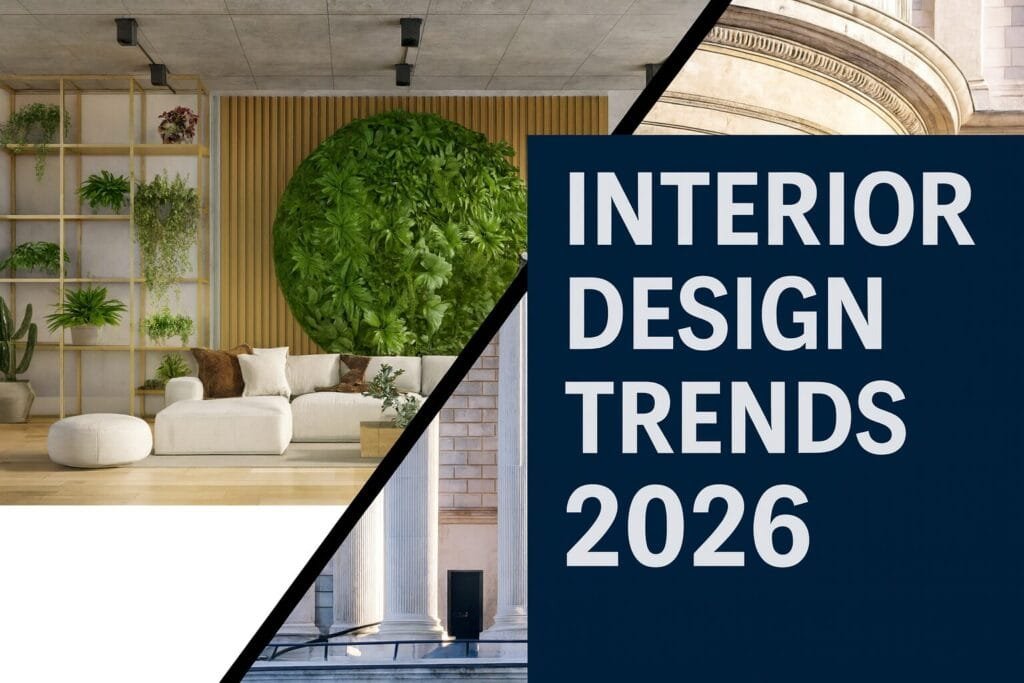
The global smart home market is expected to reach six hundred twenty-two point five nine billion dollars by 2026, reflecting a fundamental shift in how we conceive and experience residential spaces. Top designers in Delhi NCR recognize that smart design in 2026 encompasses far more than just the installation of new gadgets; it is about creating an environment that can learn, adapt, and pre-empt the needs of its occupants through sophisticated interplays of invisible technologies. In fact, this is a transition away from interiors determined by static authenticity toward environments characterized by dynamic, adaptive, and profoundly personal spaces responsive to mood, health, memory, and changing needs through the day.
The best interior designer in Delhi NCR approaches smart integration with strategic sophistication rather than purely technological enthusiasm. They know that actually successful intelligent spaces call for a well-planned design phase, keeping in mind infrastructure that supports today’s technologies but is flexible to adapt to innovations of the future. This foresight involves concealing wiring within architectural elements, creating dedicated technology closets, implementing robust networking infrastructure, and selecting systems that communicate seamlessly rather than fragmented experiences requiring multiple apps and interfaces.
Proactive Technology: Spaces That Anticipate Rather Than React
Home technology goes beyond user-activated devices to environments that anticipate needs via AI analysis of usage patterns and preference, automatically tuning temperature, lighting, and acoustic levels for comfort and well-being. This proactive approach represents a quantum leap beyond voice-activated controls toward environments that understand occupant rhythms and adjust accordingly. The leading designers in Delhi NCR are now working on automated circadian lighting systems that effectively mimic the natural solar cycles through the day. These systems optimize color temperature and intensity to reinforce natural biorhythms and demonstrably improve sleep patterns and overall wellness.
It integrates into climate control systems, which learn household patterns and preferences, adjusting temperatures preemptively rather than reactively. Such systems take weather forecasts, occupancy patterns, individual room usage-even biometric data when integrated with wearable wellness devices-into consideration. To the homeowner, working with the Best Interior Designer in Delhi NCR means experiencing intuitively comfortable homes sans constant manual adjustments, where energy consumption is reduced to enhance daily comfort through intelligent anticipation versus brute-force conditioning.
Invisible Integration: Technology that disappears into design
Hidden technologies of acoustics in the wall, recessed outlets, and appliances concealed behind panels are just a few that define technological minimalism, whereby functionality can exist without visual interference. This will, in fact, perfectly align with the leading aesthetic trend in 2026, where visual stillness and uncluttered space are psychological havens for the increasingly complicated lives of modern people. Professional designers achieve this integration by carefully considering the technology demands of a given design at the very outset instead of trying to fit systems into finished designs.
Sophisticated solutions include in-ceiling speakers, TVs that disappear behind artworks or mirrors when not in use, furniture with dissolving charging stations, and voice assistants responding without visible hardware cluttering the surface area. The Best Interior Designer in Delhi NCR has contacts with specialized integrators in technology who understand technical requirements and aesthetic considerations to make sure smart features enhance rather than compromise design integrity. It’s the collaboration of interior designers and technology professionals to create seamless experiences where intelligence operates invisibly, supporting daily life without demanding constant attention or visual real estate.
Data-Driven Personalization: Design That Learns Individual Preferences
Intelligent design in 2026 incorporates data analytics to create increasingly personalized environments that adapt to the individual household members, rather than having everyone in the house accommodate rigid systems. Advanced platforms track usage patterns, lighting preferences, temperature comfort zones, entertainment habits, and daily routines for optimizing settings automatically. Personalization goes beyond simple preferences to predictive intelligence that may anticipate needs based on contextual factors like time of day, weather conditions, calendar events, and historical patterns.
For families working with the Best Interior Designer in Delhi NCR, this will mean the automatic adjustment of spaces when different family members occupy rooms, recognition of entertaining versus relaxation modes, and even seasonal preferences-all without manual programming. The technology operates transparently in the background, making homes feel more intuitive and responsive while reducing the cognitive load of constantly managing environmental controls. This data-driven approach means the coming together of interior design and behavioral science in the development of spaces that actually comprehend and support how occupants really live, instead of imposing some preconceived notions of ideal environments.
Sustainable Intelligence: Smart Design for Environmental Responsibility
In 2026, sustainability informs every aspect of design, from low-VOC paints and eco-friendly flooring to locally sourced materials. The best designers bring in smart technologies specifically to reinforce environmental performance: systems that optimize energy consumption, monitor air quality, regulate water usage, and even enable waste reduction through intelligent appliances. Melding sustainability and technology together is giving way to homes that not only minimize environmental impact but also maximize the comfort and health of occupants.
Smart energy management systems can track consumption patterns in real time, enabling a homeowner to achieve insights into how different activities and appliances contribute towards overall energy consumption. Solar integration is seamless with intelligent systems optimizing solar generation, battery storage, and grid interaction based on usage patterns and utility pricing. In fact, the Best Interior Designer in Delhi NCR incorporates these sustainable technologies right from project inception. This ensures that they are integrated architecturally, instead of appearing as an afterthought addition to compromise aesthetic cohesion.
Wellness-Centric Design: Spaces That Actively Support Health
Biometric data integration allows for environmental sensors, combined with personal wellness metrics, to tune climate and comfort settings for individual health, shifting wellness from an abstract trend to a core home function that has quantifiable benefits. This advanced solution acknowledges that indoor environment quality significantly affects both physical and mental well-being, and all factors such as air quality, lighting conditions, acoustic environment, and temperature regulation contribute to the overall well-being of a person.
Advanced air purification systems will integrate invisibly into the HVAC infrastructure, constantly monitoring and improving indoor air quality by smart filtration, ventilation optimization, and pollutant detection in real time. Acoustic management through strategic material selection and sound masking systems creates environments that support concentration, relaxation, or social interaction depending on room function and occupant needs. When working with the Best Interior Designer in Delhi NCR, holistic wellness approaches that take environmental health into consideration along with aesthetic and functional needs provide one with the opportunity to create spaces that actively contribute to physical and mental well-being, rather than just passively housing occupants.
Multifunctionality Adaptability: Flexible Spaces to Meet Evolving Needs
The spaces are becoming a necessity rather than a luxury, as home offices are used as guest rooms, dining becomes homework territory, and clever storage is found under stairs. Smart design reinforces this adaptability through technological innovations that can reconfigure spaces with the touch of a button: motorized partitions that create or dissolve the division between rooms, depending on immediate needs; transformable furniture that changes from work into relaxation configurations; and intelligent lighting that alters ambiance to support different activities within the same space.
This flexibility is especially valuable in Delhi NCR, given the premium pricing of space wherein every square foot needs to work harder through intelligent design and smart integration. The best designers create rooms that morph almost magically from professional video conference settings into family entertainment spaces through a carefully orchestrated adjustment of furniture, lighting, acoustics, and even artwork display. The Best Interior Designer in Delhi NCR executes these multi-use solutions without aesthetic compromise or leaving the space feeling temporary and unfinished but rather creates an environment in which adaptability feels natural and elegant, not makeshift or compromised.
Material Innovation: Smart Surfaces and Intelligent Finishes
Materials technology keeps on improving, and designers are now using a number of active, innovative surfaces that help homes perform better beyond mere aesthetic roles. Self-healing materials simply repair minor scratches and other damages on their own without much fuss in maintaining appearance. Anti-microbial surfaces inhibit bacterial growth actively and are very useful in both kitchens and bathrooms. Phase-change materials absorb and release heat to moderate temperature fluctuations, reducing demands on HVAC and improving comfort. Photocatalytic finishes can purify air when exposed to light, contributing to indoor air quality through architectural surfaces.
These material innovations combine with more traditional natural elements to create interiors that feel both cutting-edge and grounded in timeless materiality. The Best Interior Designer in Delhi NCR has knowledge of the latest material technologies, together with a deep understanding of how they perform in local climate conditions, ensuring selections deliver promised benefits rather than expensive experiments that disappoint in real-world application. In this way, a balance is struck between innovation and proven performance, protecting client investments while pushing the boundaries of what is possible in residential design.
3D Visualization and Virtual Reality: Design with Confidence
Computer-Aided Design remains pivotal in this respect, as it allows designers to create detailed three-dimensional depictions of spaces before they actually exist, thereby affording the opportunity to virtually explore the space and visually understand how a design might impact a space. Advanced visualization technologies are moving beyond two-dimensional static renderings into immersive virtual reality experiences where clients virtually walk through proposed designs, experiencing spatial relationships, lighting conditions, and material selections in ways flat images cannot convey.
This technology proves transformative for client communication, eliminating ambiguity and misunderstanding that historically plagued design projects. Clients wearing the VR headset experience exactly how a proposed design will feel, allowing them to make informed decisions about layout, finishings, and furnishings before any construction takes place. The Best Interior Designer in Delhi NCR uses such visualization to fine-tune designs collaboratively with clients, incorporating feedback iteratively until perfect alignment between vision and reality is reached. This will lead to massive reductions in expensive changes at the construction stage, with clients satisfied that finished projects will meet expectations.
Integrated project management: Seamless execution enabled by technology
Smart design extends beyond the physical to the execution of projects through sophisticated management tools that coordinate timelines, budgets, relationships with vendors, and quality control. Top designers use cloud-based systems that provide real-time project visibility to their clients through the tracking of progress on shared dashboards that eliminate communication gaps and reduce anxiety around project status. The platforms integrate scheduling, procurement, budget tracking, and documentation into unified systems that keep complex projects organized and on track.
These management technologies, for clients who work with this Best Interior Designer in Delhi NCR, translate into smoother project experiences with fewer surprises, better timeline adherence, and financially transparent tracking to avoid budget overruns. The systems allow for coordination of various contractors, vendors, and artisans involved in typical projects to make sure that everybody is working off current information while quality standards are maintained throughout. This behind-the-scenes technological sophistication enables design firms to handle larger volumes of projects without sacrificing attention to detail or quality in client service.
The Rishabh Interior Approach: Intelligent Designs Backed by Experience
Rishabh Designs and Interior exemplifies how leading Delhi NCR firms are embracing smarter design approaches while keeping their eyes squarely focused on timeless principles for ensuring project success. At Rishabh Designs and Interior, advanced three-dimensional visualization capabilities allow clients to walk through proposed designs virtually before the start of construction, which rules out surprises and assures that the executed project would precisely be what was envisioned. This tech-savvy combines with deep local market insight, established relationships with vendors, and proven project management methodologies accrued from completing over three million square feet across seventeen plus states since the company’s founding in 2007.
Their all-inclusive service offerings on residential, commercial, and industrial projects position them to understand varied client needs while bringing cross-sector insights into every engagement. The firm’s determination to stay abreast of the latest trends and innovations, while making sure that practical functionality is not sacrificed on the altar of fleeting fashion, results in balanced outcomes that feel both contemporary and enduring. For homeowners seeking the Best Interior Designer in Delhi NCR, one that combines technological sophistication with design excellence, Rishabh Interior represents the evolution of the traditional design practice into the intelligent, adaptive, and deeply client-focused approach that defines success in 2026.
Investment Value: Smart Design as Long-Term Asset
While smart integration requires an investment beyond traditional design approaches, the value proposition is strong in the long term with reduced operating costs, enhanced property values, improved quality of life, and future-ready infrastructure that accommodates technological evolution. Energy-efficient systems reduce monthly utility expenses substantially, often paying for themselves within several years while continuing to deliver savings throughout building life. Smart home features increasingly have a bearing on property valuations; buyers who are conscious of and savvy about technology pay premiums for homes with well-integrated intelligent systems.
The Best Interior Designer in Delhi NCR helps the client understand these value propositions and make informed decisions about where to invest in smart technologies for maximum return versus areas where traditional approaches remain more appropriate. Such a balanced perspective will avoid over-investment in gadgetry that is not necessary but will make sure critical systems receive adequate attention and budget allocation. The goal is to create homes that feel more valuable, comfortable, and capable than traditional alternatives without becoming science experiments that sacrifice livability for technological showcase.
Looking Forward: The Continuous Evolution of Smart Design
As we progress through 2026 and beyond, the integration of intelligence into interior design will only deepen and become more sophisticated. Artificial intelligence will enable increasingly predictive and personalized environments, augmented reality will transform how we visualize and interact with spaces, and material science will continue producing innovations that enhance performance while reducing environmental impact. Staying current with these developments while maintaining focus on timeless design principles requires ongoing commitment to learning and adaptation that separates leading designers from those content with established approaches.
For homeowners beginning design projects, collaboration with the Best Interior Designer in Delhi NCR who leads this evolution and bases decisions on proven methodologies secures projects that stay relevant and functional for years rather than feeling out of date shortly after completion. Such smart, intentional design investment pays dividends daily through enhanced comfort, reduced operating costs, improved wellness, and deep satisfaction from living in spaces that truly support and enhance life rather than just provide shelter. In the year 2026, designing smarter means creating homes that think, adapt, learn, and evolve alongside their occupants; this represents the future of residential design, which is already arriving in leading projects across Delhi NCR.