Coworking Interiors That Support Creativity
The modern workplace has transformed dramatically over the past decade. Traditional office cubicles and rigid hierarchies have given way to flexible, collaborative environments that prioritize human connection and creative thinking. Coworking spaces represent this evolution perfectly, offering professionals dynamic settings that inspire innovation while fostering community. Finding the Best Interior Designer in Delhi NCR becomes essential for coworking operators who want spaces that truly support creativity rather than merely providing desks and WiFi.
Creative work demands environments that stimulate minds without overwhelming senses. The physical space where people work profoundly influences their cognitive performance, emotional state, and collaborative capacity. Thoughtfully designed coworking interiors acknowledge these connections by incorporating elements that reduce stress, encourage interaction, and provide the variety human brains crave. Working with the Best Interior Designer in Janakpuri ensures your coworking space becomes a destination that attracts and retains creative professionals seeking more than just affordable rent.
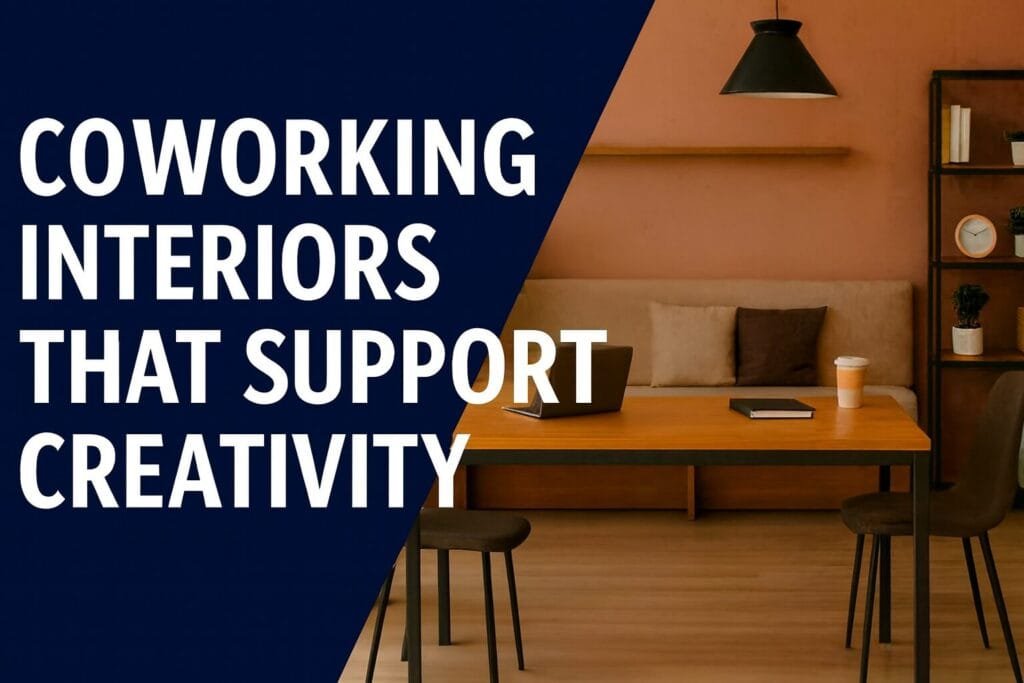
Coworking spaces compete intensely in major metropolitan areas. Differentiation through superior design creates competitive advantages that justify premium pricing while building member loyalty. Generic spaces with basic furniture and white walls fail to inspire the creativity that modern professionals seek. Distinctive, well-designed environments become Instagram-worthy destinations that members proudly showcase, generating organic marketing while supporting the focused work that drives business success.
Understanding the Creative Professional’s Needs
Creative professionals require different environmental qualities than traditional office workers. They need flexibility to shift between focused solo work and energetic collaboration. They benefit from visual inspiration that sparks new ideas and connections. They value authenticity and character over corporate sterility. Understanding these preferences guides every design decision in creativity-supporting coworking spaces.
The creative process itself involves distinct phases requiring different environmental support. Ideation benefits from stimulating, social settings with diverse inputs. Development work demands quiet focus without interruptions. Refinement often involves collaboration with feedback loops. Successful coworking interiors provide varied zones supporting each creative phase rather than one-size-fits-all environments.
Psychological research reveals how physical environments affect cognitive performance. Natural light improves mood and productivity. Color influences energy levels and emotional states. Acoustic control reduces stress and supports concentration. The Best Interior Designer in Delhi applies this research practically, creating spaces that enhance rather than hinder creative work through evidence-based design decisions.
Spatial Zoning for Creative Flexibility
Effective coworking spaces organize into distinct zones serving different work modes and energy levels. This intentional zoning allows members to choose environments matching their current tasks and mental states. Without clear zones, spaces feel chaotic and fail to support either focused work or collaborative energy effectively.
Quiet zones provide sanctuary for deep concentration work. These areas feature comfortable seating, excellent task lighting, and acoustic treatments that minimize distractions. Visual separation through partial walls or strategic furniture placement creates psychological privacy even in open environments. Members appreciate knowing where to find silence when they need complete focus.
Collaboration zones encourage interaction and creative exchange. These areas might include comfortable lounge seating arranged in conversation clusters, large tables for group work, and whiteboards or writable surfaces for visual thinking. Higher energy levels and moderate noise are acceptable here since social interaction is the primary purpose.
Social zones facilitate the informal interactions that often spark creativity. Coffee areas, lounges, and casual seating near entrances create natural gathering points. These transitional spaces support the spontaneous conversations that build community while generating unexpected collaborations and ideas. Professional designers understand how furniture arrangement and pathway design encourage or discourage these valuable interactions.
Color Psychology in Creative Environments
Color profoundly affects human psychology and behavior. Strategic color application in coworking spaces can energize, calm, focus, or inspire depending on desired outcomes for different zones. Understanding color psychology enables intentional mood creation that supports various creative activities and work styles.
Blue tones promote focus and productivity. They create calm, professional atmospheres suitable for concentrated work. However, excessive blue can feel cold or sterile. Balancing blue with warm accent colors maintains professionalism while adding human warmth. Many quiet zones benefit from blue’s focusing qualities without overwhelming occupants.
Yellow stimulates creativity and optimism. This energizing color works beautifully in collaboration zones and social areas where energy and interaction are desired. However, intense yellow can cause anxiety or overstimulation. Using yellow as accent color rather than dominant wall treatment captures benefits without drawbacks.
Green reduces stress while maintaining alertness. This balanced color connects spaces to nature, providing psychological restoration during intense work. Green works well in various zones since it neither energizes excessively nor calms so much that productivity suffers. The Best Interior Designer in Delhi NCR often incorporates green through both paint and abundant plant life.
Neutral bases with bold accents provide flexibility while maintaining interest. Gray, beige, and white backgrounds allow furniture, art, and accent walls to create visual interest without overwhelming senses. This approach enables easy updates and seasonal changes that keep spaces feeling fresh without major renovations.
Natural Light Optimization and Supplemental Lighting
Natural light represents the most valuable environmental feature in any workspace. Humans evolved outdoors and continue requiring sunlight for optimal physical and mental health. Coworking spaces with abundant natural light command premium rates while reporting higher member satisfaction and retention.
Window placement and space orientation determine natural light potential. Spaces with large windows on multiple exposures provide consistent lighting throughout the day. Corner locations with windows on two walls offer particularly desirable natural light conditions. When selecting coworking locations, light access should weigh heavily in decisions.
Window treatments balance light control with view preservation. Sheer curtains or adjustable blinds allow glare reduction without completely blocking beneficial daylight. Eliminating heavy drapes that block windows maximizes light penetration. Members appreciate controlling light at individual workstations while maintaining overall brightness.
Artificial lighting supplements natural light rather than replacing it. Layered lighting with ambient, task, and accent components creates depth and flexibility. Warm color temperatures feel more comfortable than harsh cool lighting. Dimmable systems adjust to changing daylight levels and different activities. Working with the Best Interior Designer in Janakpuri ensures lighting design addresses both functional needs and aesthetic quality.
Biophilic Design Elements for Mental Restoration
Biophilic design incorporates natural elements into built environments, recognizing humans’ deep connection to nature. Research consistently shows that nature exposure reduces stress, improves focus, and enhances creativity. Coworking spaces integrating biophilic principles support member wellbeing while differentiating themselves from competitors.
Living plants provide the most direct nature connection in interior spaces. They improve air quality, reduce noise, and create visual interest through organic forms and textures. Various plant types suit different light conditions and maintenance capabilities. Large floor plants make statements while smaller desk plants personalize workstations.
Natural materials like wood, stone, and leather bring nature indoors through texture and visual warmth. Exposed wood beams, stone accent walls, or leather seating create sensory richness that synthetic materials cannot match. These materials often improve acoustics while adding sophisticated character that creative professionals appreciate.
Water features add soothing ambient sound while creating focal points. Small fountains or aquariums introduce movement and natural sounds that mask distracting noise without creating new disturbances. The gentle sound of flowing water particularly benefits meditation spaces or quiet zones.
Nature-inspired patterns and imagery extend biophilic benefits when actual nature incorporation proves difficult. Botanical prints, landscape photography, or organic patterns in fabrics and wallcoverings reference nature visually. These elements provide some psychological benefits of nature exposure even in challenging urban environments.
Acoustic Design for Focus and Collaboration
Sound management critically affects coworking functionality. Spaces must support quiet concentration while enabling energetic collaboration without one zone disrupting another. Poor acoustics represent the top complaint in most coworking environments, making acoustic design essential for member satisfaction.
Sound absorption materials reduce overall noise levels and prevent sound amplification. Acoustic ceiling tiles, wall panels, carpeting, and upholstered furniture all absorb sound rather than reflecting it. Open spaces without absorption become overwhelming echo chambers where every conversation and keyboard click multiplies into distracting noise.
Sound masking systems introduce gentle background noise that makes individual sounds less distinct. White noise or nature sounds at barely perceptible volumes prevent the cognitive distraction caused by understandable speech from nearby workstations. This technology works particularly well in open areas where physical sound barriers are impractical.
Physical sound barriers create acoustic separation between zones. Partial walls, tall bookshelves, suspended acoustic baffles, or strategically placed plants interrupt sound travel without completely enclosing spaces. Glass partitions provide visual openness while blocking sound effectively. The Best Interior Designer in Delhi balances acoustic control with the openness that makes coworking spaces appealing.
Furniture Selection for Comfort and Adaptability
Furniture quality and variety significantly impact member satisfaction and space functionality. Creative professionals spend long hours working, making ergonomic comfort essential for health and productivity. Furniture variety supports different work styles and activities that creative work demands.
Ergonomic desk chairs represent the foundation of comfortable workspace design. Adjustable height, lumbar support, and breathable materials prevent the back pain and discomfort that plague workers in poor seating. Investing in quality chairs demonstrates commitment to member wellbeing while reducing turnover from discomfort-driven departures.
Variety in seating types accommodates different work preferences and activities. Some people focus best in traditional desk chairs while others prefer lounge seating or standing options. Providing alternatives lets members choose what works for their current tasks and personal preferences. This variety also creates visual interest that makes spaces more engaging.
Adjustable-height desks enable posture changes throughout the day. Standing periodically improves circulation and energy while reducing sedentary health risks. Adjustable desks accommodate different body sizes better than fixed-height alternatives. While more expensive initially, these desks pay dividends in member satisfaction and health outcomes.
Modular and mobile furniture enables space reconfiguration for changing needs. Lightweight tables on wheels allow quick arrangement changes for events or team projects. Modular seating can separate for individual use or combine for group activities. This flexibility maximizes space utility while keeping environments feeling dynamic rather than static.
Technology Integration for Modern Work
Today’s creative professionals require robust technology infrastructure supporting their digital work. Reliable high-speed internet represents the bare minimum expectation. Additional technology features differentiate premium coworking spaces from basic offerings while supporting the collaborative, mobile work styles that creative professionals embrace.
Universal power access eliminates the anxiety of dying devices. Abundant outlets at desks, in lounge areas, and throughout spaces ensure members always access power. Wireless charging pads integrated into furniture surfaces provide convenient charging without cable clutter. USB ports supplement traditional outlets for modern device charging.
High-quality video conferencing facilities support remote collaboration. Dedicated rooms with professional cameras, microphones, and large displays enable virtual meetings that feel nearly as effective as in-person gatherings. These facilities become increasingly valuable as remote work and global collaboration continue expanding.
Display technology supports presentations and collaborative work. Large monitors in conference rooms, wireless screen sharing capabilities, and writable surfaces for visual thinking all enhance creative collaboration. These tools enable the visual communication that creative work often requires beyond verbal discussion.
Smart booking systems streamline space reservation and usage. Digital displays outside meeting rooms show availability and upcoming reservations. Mobile apps allow quick booking without desk visits. These systems reduce friction in space usage while providing data about utilization patterns that inform future design decisions.
Inspiring Art and Cultural Elements
Art transforms utilitarian spaces into inspiring environments that stimulate creativity. Original artwork, photography, sculptures, and installations create visual interest while communicating space personality and values. Art also supports local creative communities while providing conversation starters that facilitate member connections.
Local artist features build community connections while ensuring authentic cultural relevance. Rotating exhibitions keep spaces feeling fresh while providing artists exposure opportunities. This approach creates mutually beneficial relationships between coworking spaces and creative communities they serve. Members appreciate supporting local talent while enjoying ever-changing visual environments.
Cultural elements reflecting local identity create authentic sense of place. Materials, colors, patterns, or imagery connected to regional heritage ground spaces in their locations rather than feeling generic. This cultural authenticity particularly attracts creative professionals who value genuine experiences over corporate sameness.
Inspirational quotes, messages, or mission statements displayed creatively reinforce space values while motivating members. These elements work best when designed beautifully rather than appearing as cheap motivational posters. Custom typography, creative installations, or integrated architectural features convey messages with sophistication that creative professionals respect.
Member-created art opportunities build ownership and community. Dedicated walls where members can display work, contribute to collaborative murals, or share inspiration create participatory environments where everyone contributes to space character. These elements transform spaces from service providers into true creative communities.
Wellness Spaces for Mental and Physical Health
Creative work can be mentally exhausting and physically sedentary. Incorporating wellness features demonstrates commitment to holistic member health while differentiating spaces from competitors focused solely on desks and connectivity. Wellness amenities support the sustainable productivity that creative professionals need for long-term success.
Meditation or quiet rooms provide mental restoration spaces. Comfortable cushions, calming colors, dim lighting, and complete silence create refuges where members can recharge during stressful days. Even small rooms offer significant value since the space itself signals wellness prioritization and provides actual restoration opportunities.
Fitness facilities or partnerships encourage physical activity. On-site gyms, yoga studios, or partnerships with nearby fitness centers support member health while building community through shared activities. Exercise breaks improve creativity and problem-solving while preventing the health issues that sedentary work creates.
Healthy food options demonstrate wellness commitment practically. Kitchens stocked with nutritious snacks, filtered water stations, or partnerships with healthy meal services support energy and focus. Many creative professionals appreciate avoiding the coffee and donuts that traditional offices relied upon for energy.
Outdoor access connects members with nature and fresh air. Balconies, patios, or nearby parks provide quick nature breaks that restore mental energy. Even urban coworking spaces can incorporate outdoor elements through rooftop terraces or relationships with adjacent green spaces. The Best Interior Designer in Delhi NCR identifies and maximizes any outdoor connection opportunities.
Creating Instagram-Worthy Moments
Social media marketing drives coworking awareness and desirability. Spaces with distinctive design elements become natural content for member social sharing, generating authentic marketing that paid advertising cannot match. Intentionally creating photogenic moments amplifies this organic promotion while reinforcing space identity.
Statement pieces create focal points that draw cameras. Unique light fixtures, distinctive furniture, bold murals, or striking architectural features become signature elements that members photograph and share. These investments in memorable design generate ongoing marketing returns through organic social sharing.
Good lighting makes spaces naturally photogenic. Natural light supplemented with warm artificial lighting creates flattering conditions for both people and spaces. Dark, poorly lit environments discourage photography regardless of design quality. Excellent lighting enables the social sharing that builds awareness and desirability.
Varied environments provide diverse content opportunities. Members tire of photographing identical settings repeatedly. Offering distinct zones with different aesthetic characters gives members fresh content opportunities while showcasing space diversity. This variety also demonstrates the flexibility and thoughtfulness that creative professionals value.
Brand consistency across photogenic moments reinforces identity. While providing variety, maintaining consistent color palettes, material choices, or design motifs creates recognizable visual identity. This consistency builds brand recognition as members share images across social platforms.
Sustainability and Environmental Responsibility
Environmental consciousness increasingly influences purchasing decisions, particularly among younger creative professionals. Sustainable design practices demonstrate values alignment while often improving space quality through better materials and systems. Green building features differentiate spaces while supporting planetary health.
Energy-efficient systems reduce environmental impact and operating costs. LED lighting, smart thermostats, and energy-efficient appliances minimize electricity consumption. These systems typically pay for themselves through reduced utility bills while supporting sustainability commitments. Government incentives often subsidize green technology investments.
Sustainable materials reduce environmental footprints throughout product lifecycles. Reclaimed wood, recycled content carpeting, low-VOC paints, and responsibly sourced furnishings minimize environmental harm. These materials often prove more durable than cheaper alternatives, providing long-term value beyond environmental benefits.
Waste reduction programs demonstrate operational sustainability. Comprehensive recycling, composting programs, and reusable alternatives to disposable items reduce waste generation. These programs engage members in sustainability efforts while reducing environmental impact. Many creative professionals appreciate contributing to environmental protection through their workspace choices.
Transparency about sustainability efforts builds trust and differentiation. Communicating green features, certifications, and ongoing improvements demonstrates authentic commitment rather than superficial greenwashing. Working with the Best Interior Designer in Janakpuri who understands sustainable design ensures authentic implementation rather than marketing-focused appearances.
Transform Your Coworking Vision into Reality
Creating coworking interiors that genuinely support creativity requires expertise spanning psychology, design, technology, and community building. These spaces must balance aesthetic appeal with functional performance while staying true to budgets and timelines. Professional interior design guidance ensures your vision manifests successfully rather than disappointing members and investors.
The coworking market continues evolving as work patterns shift and member expectations rise. Spaces designed thoughtfully for creativity, community, and wellbeing will thrive while generic offerings struggle. Investment in superior design pays returns through premium pricing, higher occupancy, and reduced member turnover.
Whether you’re launching your first coworking location or refreshing existing spaces, expert interior design transforms aspirations into physical reality. Professionals bring experience, connections, and creative problem-solving that ensures success. Begin your coworking interior journey today with design partners who understand how environments shape human creativity and community.