Design for Remote-First Living: The Future of Home Workspaces
The way we work has fundamentally changed. Remote work has shifted from being a temporary arrangement to a permanent lifestyle for millions of professionals. This transformation requires a whole new approach to residential interior design. The home now needs to provide for professional needs in addition to personal comfort. The demarcation between work and living areas has significantly blurred.
The Remote Work Revolution and Its Design Implications
Working from home was once a periodic privilege. Today, it represents the main work arrangement for countless professionals across India. Technology enables collaboration seamlessly from anywhere. Video conferencing replaces meetings that happen around the boardroom. Digital alternatives replace face-to-face interactions. This shift has brought unique spatial challenges within residential environments.
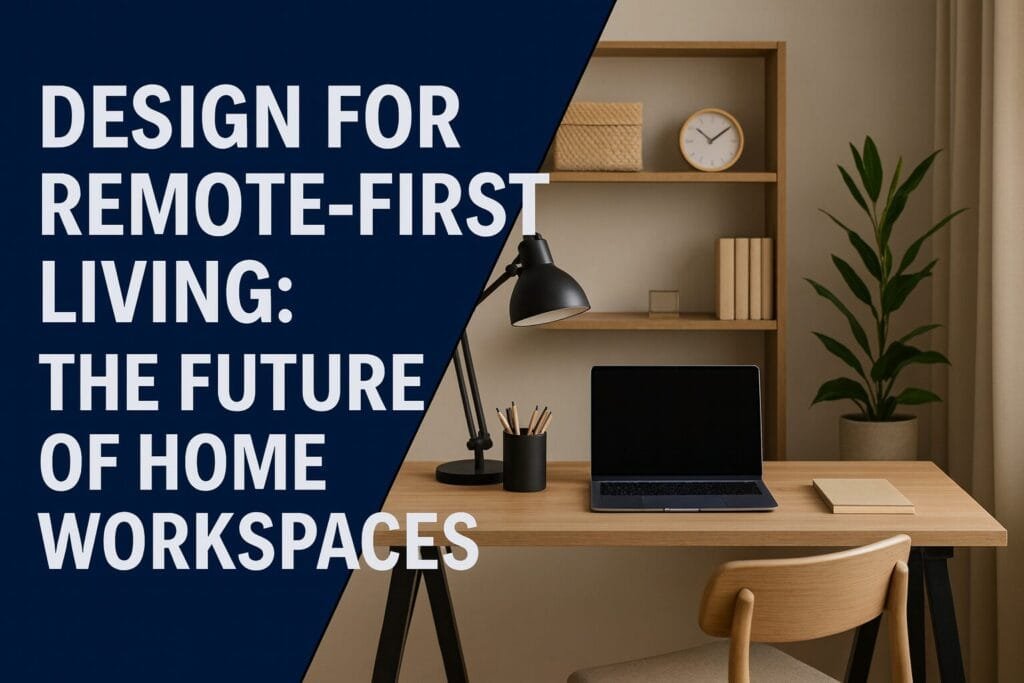
Delhi NCR has felt this change more dramatically than most regions. The area’s large professional populace took to working from home quite fast. Corporate employees, entrepreneurs, and freelancers all set up their homes thus. The result was an unprecedented demand for specialized interior design expertise. A Best Interior Designer in Delhi NCR now needs to know about workspace ergonomics as much as about aesthetic principles.
The pandemic accelerated trends already emerging. Companies learned that productivity remained high with distributed teams. Employees enjoyed the eliminated commutes and flexible schedules. Real estate considerations changed as office space became less critical. All of these put together made remote work a permanent feature rather than a temporary solution.
Understanding the Modern Home Workspace
The home office has changed drastically from the cardboard box arrangements of yesteryear. Home offices today require very thoughtful planning and professional execution. Proper lighting prevents eye strain during long work sessions. Ergonomic furniture protects physical health over years of use. Acoustic treatment ensures clear audio for virtual meetings. Technology infrastructure supports multiple devices at once.
Space constraint is a big challenge for people in metros. Apartments in Delhi NCR can hardly spare any separate room for home offices. Creative solutions maximize the minimal available square footage. Multifunctional furniture serves dual purposes throughout the day, while inconspicuous storage solutions minimize clutter in small spaces. Innovative designs convert corners and nooks into productive work zones.
More than ever, privacy considerations are crucial in their own right. Video conferencing exposes home environments to colleagues and clients alike. Background settings either communicate professionalism or undermine it. Soundproofing prevents household noise from disrupting critical conversations. Visual barriers tend to psychologically separate the work versus relaxation areas. The elements themselves need to be carefully integrated into overall design schemes.
Essential Elements of Effective Home Workspaces
Natural light greatly enhances mood and productivity alike. Placing desks near windows has various advantages. Daylight minimizes the need for artificial lighting during the day. Scenarios of outside areas allow breaks from the screen mentally. However, sunlight is actually causing glare on computer screens. The proper positioning balances the trade-offs nicely.
Artificial lighting needs to be planned with consideration for a variety of eventualities. Task lighting provides illumination for work surfaces without fatigue to the eyes. Ambient lighting provides overall illumination comfort. Adjustable fixtures accommodate different day activities. Color temperature impacts alertness and concentration a great deal. Warm tones suit evening relaxation, while cool tones enhance daytime focus.
Technology integration goes beyond providing just the number and placement of electrical outlets. Cable management systems keep countless wires from causing visual chaos. Dedicated circuits safely handle power-hungry equipment. Network infrastructure provides reliable connectivity for video conferencing. Charging stations can hold multiple devices conveniently. These are just some of the technical considerations required during the initial design phases.
Ergonomics as a Foundation for Long-Term Health
Eight or more hours are spent every day by professionals at their desks. Poor ergonomics result in serious health problems over time. Back pain, neck strain, and repetitive stress injuries turn into chronic problems. Proper furniture selection prevents these debilitating conditions. Adjustable chairs provide comfortable support for the natural curves of the spine. Desk heights position keyboards and monitors at optimal levels.
Setting up the monitor greatly affects neck and eye health. The screen should sit at arm’s length from seated positions. The top of the monitor should be aligned roughly with eye level to avoid constant upward and downward gazing. Setting up multiple monitors requires even more caution. Curved arrangements reduce excessive head turning while working on them.
Movement throughout the workday allows for better health outcomes. Standing desks allow changes in position without interruption of workflow. Walking pads allow gentle movement during calls or reading. Stretching areas encourage brief breaks from seated positions. The Best Interior Designer in Delhi NCR incorporates these elements into workspace designs naturally. The aim is to create an environment that nurtures physical well-being and is productive.
Acoustic Design for Professional Communications
Sound quality is what makes or breaks virtual meeting experiences. Background noise distracts participants and undermines professional image. Acoustic treatment effectively and systematically addresses such challenges. Soft furnishings absorb the sound reflections that cause echoing. Upholstered panels on walls dampen the ambient noise levels. Placement of these elements strategically improves audio clarity dramatically.
Household sounds are special challenges that in residential settings create a lot of unpredictable interruptions from family members, pets, and appliances. Solid doors afford better sound isolation than hollow ones do. Weather stripping seals the gaps that allow sound to be transmitted. Heavy curtains add one more layer of acoustic dampening. All of these solutions combined provide quieter work environments.
Active noise cancellation technology supplements passive ones: the quality headphones filter out background sounds during focused work, while the white noise machines mask distracting household activities. Soundproofing in the walls, which is permanent, is another solution for dedicated offices. The appropriate combination depends on specific spatial constraints and budget considerations.
Aesthetic Considerations That Inspire Productivity
The surroundings definitely have a profound effect on the mental state and quality of work. A disorganized, cluttered area contributes to feelings of confusion and being overwhelmed. A clean, organized space offers clarity of thought and concentration. Color psychology can play a significant role in influencing mood and energy. Cool blues and greens generally invite calm concentration, while warm colors tend to activate, though becoming overstimulating in excess.
Personal touches make workspaces feel less sterile and institutional. Artwork that reflects individual interest adds character without creating distraction. Plants improve air quality while providing visual appeal. Meaningful objects inspire creativity and remind the worker of their motivations. However, too much personalization detracts from a professional look on video calls. Balance is key to both comfort and credibility.
Brand consistency is important to entrepreneurs and consultants who meet their clients virtually. Background environments need to reflect professional identity effectively. Color schemes can subtly reinforce brand colors. Furniture styles should be appropriate for the company positioning. These all come together in cohesive professional presentations. Design firms like Rishabh Interior understand how visual environments communicate brand values.
Accommodate an ever-changing set of work requirements.
Professional needs change as careers evolve. Workspaces must adapt to these shifting needs with ease. Modular furniture systems reconfigure as needs shift. Mobile storage solutions move without fuss between locations. Adjustable lighting accommodates everything from tasks to times of day. Flexibility allows the avoiding of expensive redesigns when circumstances change.
Multi-use spaces serve dual purposes throughout daily cycles. Guest rooms become offices during working hours; dining areas serve as conference spaces when required. Murphy desks fold up to regain living space in evenings and weekends. Smaller urban apartments especially benefit from such solutions. Creative design makes every square foot work harder.
Technology evolves rapidly and workspace design must keep pace. Cable management systems should accommodate future additions easily. Power infrastructure should include capacity for growth. Network designs should support increasing bandwidth demands. Future-proofing prevents obsolescence and extends the lifespan of design investments.
The Psychology of Separated Work-Life Boundaries
When work and personal life become completely blurred, mental health suffers. Physical separation helps establish psychological boundaries. A dedicated workspace signals the brain to enter professional mode; leaving these spaces at day’s end facilitates mental disengagement. This separation is key for long-term wellbeing and sustainable productivity.
Rituals reinforce these boundaries even in compact spaces. Opening a laptop in a specific location becomes a work signal. Closing it and storing it away marks the workday’s end. Visual cues like lighting changes reinforce these transitions. Even simple actions create powerful psychological associations over time. Design should facilitate rather than hinder these helpful routines.
Separate entrances to home offices provide ideal separation. This is difficult to achieve in most residential settings. Other approaches offer similar psychological effects. Room dividers create visual boundaries in open areas. Pocket doors shut off work areas when not in use. These options offer separation without necessarily needing additional square footage.
Material Selection for Durability and Maintenance
Home workspaces endure intensive daily use for years. Materials must withstand this constant wear gracefully. Desktop surfaces resist scratches, stains, and heat damage. Flooring handles rolling chair traffic without showing damage. Upholstery fabrics clean easily and resist permanent staining. Durable selections prevent premature wear and costly replacements.
Indoor air quality plays a significant role in both health and cognitive function. Low-VOC paints prevent harmful chemical off-gassing. Natural materials like wood and stone avoid synthetic toxins. Plants naturally filter air while adding aesthetic value. Adequate ventilation removes stale air and introduces fresh oxygen. These considerations are most important within enclosed home offices.
Sustainability considerations are driving the choice of materials increasingly. Reclaimed wood reduces environmental impact while adding character. Recycled materials offer an eco-friendly alternative to virgin resources. Energy-efficient lighting decreases electrical consumption over time. These choices bring together personal values with practical functionality. Many professionals place a premium on sustainability when selecting design partners.
Technology Integration Done Right
Modern work relies on frictionless technology operation. Dependable connectivity is the core of remote productivity. Mesh network systems eliminate dead zones throughout homes. Hardwired connections do not drop like their wireless counterparts. It is also important to have backup power systems to save data in case of an outage. These technical components require skillful integration during design phases.
Intelligent home technologies greatly help in enhancing functionality within one’s workspace. Lighting controlled through voice maintains consistency in one’s workflow. Climate control automatically regulates a comfortable temperature in the room at all times. Smart plugs manage equipment in order to minimize energy waste. Integration platforms bundle these discrete systems into cohesive experiences. However, there is a danger that this complexity compromises basic functionality.
Cable management maintains clean looks while keeping things accessible. Grommets route the wires through desktops neatly, while raceways cover cables along walls nicely. Under-desk baskets organize power strips and adapters. In addition, wireless charging pads reduce tangles of cables on work surfaces. These solutions combine to create organized, professional appearances.
Storage Solutions for Productive Organization
Even with digital transformation, physical documents still exist. Filing systems maintain the important papers in order and at easy reach. Storage should be able to accommodate the current needs and have room to grow. Closed cabinets hide clutter during video calls. Relevant materials are shown attractively on open shelving. Whichever balance is appropriate depends on each individual’s requirements for their job and preferences.
Office supplies need to be readily available, but not visually clutter a space. Drawer organizers keep small items sorted out logically. Desktop organizers make oft-used items accessible immediately. Vertical storage makes the most of tight spaces. Labels and consistent systems prevent the breakdown of organization over time. It’s the little things that make all the difference in daily efficiency.
Digital storage augments physical organization systems. Cloud backups safeguard important files against hardware failure. External drives offer local backup redundancy. Network-attached storage allows access from multiple devices. These digital systems require periodic maintenance but are highly valuable. Design must account for this equipment in convenient locations.
Working with Professional Interior Design Experts
Professional guidance brings immense value in the case of complex projects. Experienced designers avoid costly mistakes common to amateurs. They understand the building codes and structural limitations. From their industry relationships, they have sources for quality materials and craftspeople. This experience will be particularly valuable on major home workspace projects.
The Best Interior Designer in Delhi NCR brings regional market knowledge into each project. They understand local architectural styles and constraints, have vendor networks of reliable local suppliers and contractors, and navigate regulatory requirements specific to Delhi NCR with ease. Such localization of expertise accelerates project timelines manifold.
The collaborative design process ensures that the outcome meets the client’s vision. Initial consultations firm up preferences, needs, and budget boundaries. Presentation of concepts then allows the client to visualize a proposed solution in advance of construction. Communication at every juncture ensures alignment of implementation. Such a partnership in the design development phase yields superior results to imposed designs.
Investment Considerations and Budget Planning
Quality design of a home workspace requires substantial financial investment. However, returns justify the costs in the form of improved productivity and health. Ergonomic furniture prevents medical expenses due to repetitive strain injuries. Proper lighting reduces eye strain and all its associated problems. Effective design pays dividends over many years of use.
Budgeting should be apportioned to elements that have the greatest impact. Ergonomic seating is worthy of a substantial investment, as it is used daily. Quality desks will provide stable platforms for decades to come. Lighting plays an important role in function and wellbeing. These core elements are worth the premium selections. On decorative elements, it’s acceptable to use more economical options initially. Phased implementation spreads costs across longer periods. Essential elements are installed during initial phases, while enhancements add functionality and refinement over time. This approach makes comprehensive workspace design more financially accessible. It also allows learning what works before committing to permanent solutions. Residential Workspace Design of the Future Remote work will continue to evolve over the coming years. Hybrid arrangements blend office and home time. Virtual reality has the potential to transform how we experience digital collaboration. Artificial intelligence may automatically personalize environments based on activities. Forward-thinking designers prepare for emerging possibilities today. Wellness is going to be at the heart of workspace design. Biophilic elements link occupants to nature indoors. Circadian lighting fosters natural biological rhythms. Movement-friendly designs foster physical activity throughout workdays. These health-focused approaches will define next-generation workspace design. Firms like Rishabh Interior position themselves at this innovation frontier. They blend traditional design acumen with emerging trends. Their projects reflect both current needs and future possibilities. This forward-thinking approach serves clients’ long-term interests effectively. The result is workspace designs that remain relevant and functional for years ahead. The transformation of residential spaces into productive work environments represents the defining design challenge of our time. Professional expertise makes sure these environments support both immediate needs and long-term wellbeing. Investment in quality workspace design pays returns through enhanced productivity, improved health, and greater life satisfaction. As remote work continues to evolve, the importance of expertly designed home workspaces will continue to grow.