How to Plan a Budget Home Makeover in India (Step-by-Step)
It takes neither unlimited funds nor drastic renovations to turn your house around. More and more Indian homeowners are finding out that strategic planning and smart choices bring in remarkable results within small budgets. A well-planned makeover not only enhances daily living but also significantly improves the property value. It all comes down to understanding your priorities and working with the right professionals.
Budget constraints are one of the most common problems of many families when wanting to improve their interiors. Because of the increased cost of materials and labor charges, it deters people from renovation jobs. However, multi-economic makeovers are still fully possible provided one has the right guidance in place and systematic approaches towards it. This is why working with the best interior designer in Delhi NCR creates cost-effective solutions while never compromising on quality or aesthetics.
Understanding Your Budget Reality
Financial planning is an imperative basis for any successful home makeover.
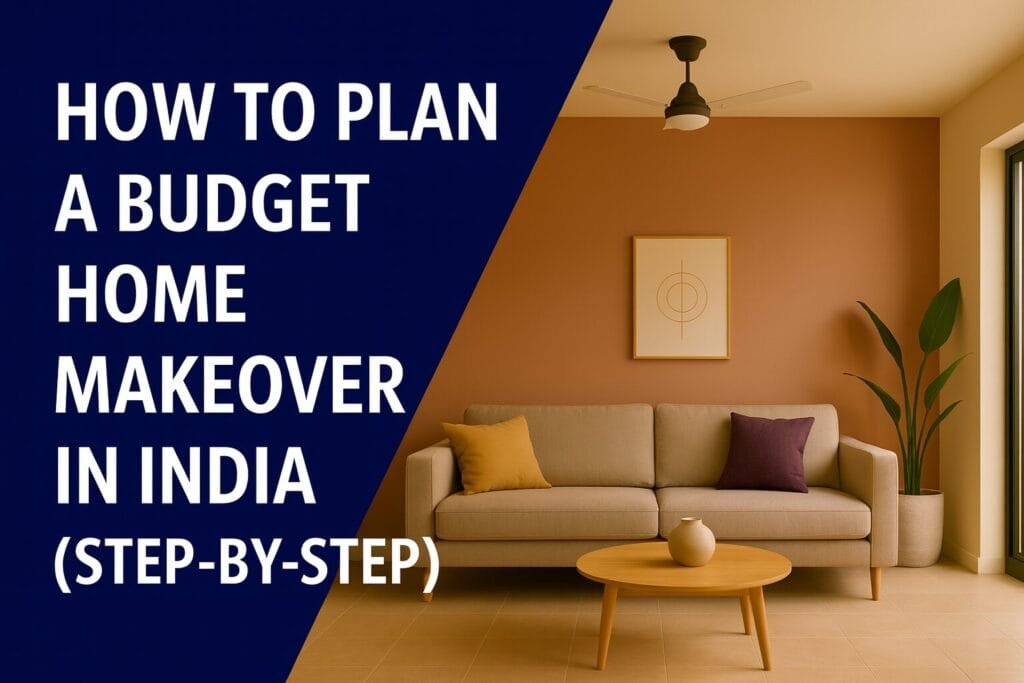
The homeowner first needs to honestly conduct an analysis of available funds before embarking on any project. Savings put aside for renovation, what financing may be considered, and a realistic monthly budget all need consideration. Clearly defined budget boundaries prevent overspending and abandonment of a project midstream.
Generally, for small remakes in Delhi NCR, homeowners spend anything between one to three lakhs. This price range covers crucial improvements in various rooms if your money is utilized judiciously. Naturally, larger spaces or more comprehensive renovations will require higher investment. Understanding industry standards helps set expectations from the outset of the project.
Hidden costs often topple planning on budgets. Transportation charges, disposal fees, and temporary accommodation costs soon add up. Professional designers allow such variables for in initial consultations. The best interior designer in Delhi NCR presents clear cost breakdowns that avoid shocks later.
By Building Your Priority List
Every home has areas that need immediate attention. Some rooms are used daily and more often than others. Determining high-impact spaces increases the return on investment. Living rooms and bedrooms usually deserve priority, since family members will spend most of their time there.
Functional improvements ought to come before making solely aesthetic changes. Repairing acute storage shortages, poor lighting, or insufficient ventilation may considerably improve everyday life. These can be followed by decorative elements once practical issues receive valid solutions. This order of execution ensures that the budget is invested in improvements worth the cost.
Family members often have renovation priorities that conflict with one another. Parents may want to ensure the kitchen is functional, while the children need new bedrooms. Open discussions assist in a consensus before spending begins. Professional designers facilitate these conversations and propose solutions that accommodate multiple needs within budget constraints.
Assessment of Current Space Limitations
Understanding challenges in existing space guides effective makeover planning. Small apartments have different problems compared with spacious independent houses. Compact urban homes in Delhi NCR require ingenious space optimization strategies. Every square foot needs to be utilized for useful purposes and should look pretty as well.
Traffic patterns in the home demonstrate how families really use their space. Observe daily movement through rooms during various activities: Bottlenecks and stiff transitions show areas that need redesign. Sometimes simple furniture rearrangement solves circulation problems with minimum expenses.
The availability of natural light radically changes the ambience and functionality of a room. Thus, north-facing rooms should be treated differently in Delhi’s climate compared to south-facing ones. The treatment will also depend on window placement, surrounding buildings, and seasonal changes. The best interior designer in Delhi NCR assesses all these factors when strategizing renovations.
Setting Realistic Timeline Goals
Home makeovers require time as much as they require financial investment. Projects that are rushed often involve poor decisions and costly mistakes. Realistic scheduling considers material procurement, craftsman availability, and unexpected delays. Most budget makeovers require four to eight weeks to complete.
Phased approaches work for families who can’t vacate the homes during renovations. It maintains livable conditions throughout, as completion of one room precedes the initiation of another. This approach spreads the costs over several months instead of making a lump sum payment. Financial flexibility increases when renovation occurs in manageable stages.
Seasonal timing also impacts costs and convenience. During summer months, the demand for contractors is higher, and thus prices could be higher. The monsoon season complicates outdoor work and material transportation. Planning around the weather of Delhi avoids delays and complications due to bad weather conditions.
Research on design inspiration
Visual research makes your personal style preference clear before the professional consultations. There are so many options to be viewed online, in magazines, or social media displays of various design possibilities. Save images that speak to you and reflect your aesthetic sensibilities. These references will make it very clear to the designers what is in your mind.
Indian design sensibilities intrinsically marry traditional elements with contemporary functionality. Most homeowners want modern conveniences but also want to respect the cultural aesthetics. The balance between the two requires thoughtful planning and expert guidance. Designers accustomed to the local context negotiate these preferences diplomatically.
Visiting completed projects creates realistic expectations for finishes and materials. Many designers show portfolio properties to prospective clients. There is no substitute for seeing actual spaces to understand scale and quality. The Best Interior Designer in Delhi NCR invites studio visits and project tours.
Choosing the Right Design Professional
Professional expertise converts those same budget limitations into creative opportunities. Experienced designers know cost-effective materials, reliable vendors, and efficient construction methods. Their industry relationships can yield better pricing than individual homeowners may obtain. This knowledge justifies design fees through overall project savings.
Selection of a designer should not be strictly based on portfolio reviews. How they communicate, how responsive they will be, and their genuine interest in your project-are all very significant in this regard. Chemistry between the client and designer can be quite instrumental for the smoothness of the entire project. Initial consultations will reveal if working relationships are going to prove productive or not.
Budget transparency differentiates professional designers from opportunistic operators. For reputable firms, they would provide a quotation line by line, explaining each cost component. Further, they would explain where your money will go and justify such recommended expenditures. The Best Interior Designer in Delhi NCR also ensures that their communication is crystal clear right from the planning phase through to the execution phase.
Maximizing Resources in Place
Budget makeovers utilize existing furniture and fixtures whenever possible. Reupholstering sofas costs a fraction of the cost of purchasing new ones. Fresh paint can turn dated cabinets into contemporary features. Creative reuse reduces landfill waste, while freeing up the budget for essential new purchases.
No renovation plans should overlook pieces of furniture that have sentimental value. It could be your grandmother’s old wooden chest or that dining table that you had inherited. Professional designers make it a point to incorporate these things into fresh designs. Personal history adds much character to a space that no amount of money can replace.
Placement of furniture in strategic places changes room functionality without a single cent being spent. Angling beds serves to improve the flow of circulation. Relocating bookcases creates natural room divisions. These zero-cost adjustments sometimes achieve desired improvements before the purchase of anything new.
Choice of Economical Materials
Materials selected greatly affect budgets and final aesthetics. The more expensive is not always better for all applications. Knowing material properties allows for specifying appropriate levels of quality for intended uses. High-traffic areas demand high-quality materials, whereas spaces used very little may accept less costly options.
Local materials have lesser transportation cost and encourage regional craftsmen. Delhi NCR has great resources for stone, wood, and textile products. Many of these materials are often more value-for-money than their imported versions. The replacements and maintenance are also easier later on when sourced regionally.
Laminate finishes can now convincingly emulate many expensive materials at a fraction of the cost. Quality laminates also reproduce appearances of marble, wood, and metal. Such laminate finishes offer practical benefits, including ease of cleaning and durability. The Best Interior Designer in Delhi NCR chooses laminates that match the required aesthetic while respecting budget realities.
Planning Storage Solutions
Most houses in India suffer from insufficient storage, be it large or small. The primary reason for clutter is because things do not have a place of their own. Good storage planning converts a messy room into an orderly haven. Inbuilt solutions ensure full utilization of the space available in the bedroom of small apartments.
Kitchen storage needs special attention during renovations. Efficient cabinet organization doubles available space without actual expansion. Pull-out systems, corner units, and tall pantries optimize every inch. These improvements enhance cooking experience while reducing frustration.
Bedroom storage goes way beyond traditional wardrobes. Under-bed spaces, wall niches, and full-height cabinets multiply the storage capacity of a room. An organized bedroom encourages better sleep and can make mornings less stressful. Time and money invested in smart storage systems pays off in improved daily routines.
Optimizing Lighting Strategies
More than most people actually think, lighting completely changes room ambiance. Natural light maximization should come before any plans for artificial lighting. The removal of heavy curtains, cleaning the windows, and the addition of mirrors can multiply daylight. These very simple changes brighten rooms without requiring electrical work.
Lighting in layers allows for versatility in any given space to adapt to different activities. Ambient lighting provides overall illumination, task lighting supports activities like reading or cooking, and accent lighting draws attention to architectural features or adds highlights to artwork. This kind of combination allows great flexibility for different moods and functions.
LED technology reduces the long-term cost of electricity while providing excellent illumination. Quality LED fixtures pay back an initial investment through several years of energy savings. The Best Interior Designer in Delhi NCR will specify appropriate lighting solutions, balancing the upfront costs with operational efficiency.
Selecting Smart Color Palettes
Paint is the cheapest makeover there is. Fresh colors make even the wearied spaces look refreshing. Light hues make small rooms appear larger, and dark tones create a cozy, intimate atmosphere. Color psychology affects mood and energy within homes.
Neutral base colors offer the best versatility for future changes. Beige, gray, and white backgrounds are preferred to accommodate evolving tastes and seasonal decorative updates. Bold colors work best as accent walls rather than whole rooms, which helps a person experiment without overwhelming a space.
Color preference plays a role in the cultural makeup of Indian homes. Most families prefer warm tones that reflect the traditional aesthetic of the home. Others prefer contemporary cool palettes. The professional designer will balance personal preference with the psychological effects that color might have along with spatial considerations. Color choice is meant to enhance the space, not overwhelm it.
Incorporating Smart Space Planning
Furniture scale significantly impacts both functionality and aesthetics of the room. Large-scale pieces overpower a small room, while minutely scaled furniture gets lost in a large, open area. Properly scaled furniture creates balanced and comfortable environments. The Best Interior Designer in Delhi NCR chooses appropriately scaled furniture for the space.
Multifunctional furniture maximizes utility in compact homes. Sofa beds accommodate guests without dedicated guest rooms. Dining tables with storage drawers serve dual purposes. These versatile pieces often demand a higher price than specialized furniture but justify the cost through extended functionality.
Traffic patterns need good clearance to move comfortably. Narrow pathways cause frustration and accidents. Designers ensure minimum clearances are met considering safety and comfort standards. Proper space planning prevents cramped feelings no matter what the actual room size is.
Managing Vendor Relationships
Project success is determined by reliable contractors and vendors as much as by design quality. Experienced craftsmen complete the work in a shorter timeframe and correctly. Poor craftsmen waste money by making mistakes and delaying construction. A designer’s network of proven vendors reduces the risk for homeowners.
Clear contracts ensure that both parties are protected and that misunderstandings do not occur. Written agreements cover materials, timelines, payment schedules, and quality standards, which provide avenues in case problems arise. Professional designers provide comprehensive contracts that will cover all aspects of the project.
Payment schedules should match work completion milestones. Avoid big advance payments before starting the work. Staggered payments motivate timely completion while protecting homeowner investments. The Best Interior Designer in Delhi NCR structures fair payment terms for its clients and vendors.
Coping with the Unexpected
Renovation projects inevitably meet with unexpected challenges. Concealed structural issues, material shortages, or unavailable craftsman disrupt schedules. Contingency budgets cushion these surprises without having to derail entire projects. Seasoned designers foresee common problems and build buffer allowances.
Flexibility creates constructive ways to deal with unexpected situations. In no cases can ideal conformation to the original plans be carried out, since to do so would often be unwise or impossible. Many times better solutions are developed in the field during construction. A close rapport with the designers will help solve such problems quickly.
Emotional resilience, however, can help to counteract the often-long periods of renovation. The temporary inconvenience and dust stir up a pot of stress for a family living through makeovers. Focusing on the end result rather than the discomforts throughout each day sustains positive attitudes when patience and persistence will see one through the tough periods.
Implementing of Sustainable Practice
Eco-friendly choices favor both the environment and long-term budgets. Energy-efficient appliances cut down on monthly electricity bills, while water-saving fixtures bring utility costs down. Thus, such investments pay for themselves while supporting environmental friendliness.
Reusing materials reduces both waste and costs simultaneously. Reclaimed wood creates character and saves resources. Recycled glass and metal products provide unique aesthetics. Sustainable materials have greater appeal to an increasingly environmentally conscious homeowner base in Delhi NCR.
Indoor air quality plays a significant role in family health. Low-VOC paints, formaldehyde-free materials, and proper ventilation make for healthier living. Non-toxic materials protect families from harmful chemical exposure, a main priority when it comes to interior design.
Adding a Personal Touch
Generic makeovers are soulless, even when done to perfection technically. It is the personal touches that make a house a home. Photos of the family, souvenirs from journeys, and handmade products add character. It needn’t be expensive, just meaningful.
Indian home design is heavily influenced by cultural and religious considerations. There are prayer rooms, traditional art, and craft pieces that reflect regional identity. A professional designer incorporates these things into the design tastefully within a modern framework. The result balances modernity with cultural identity.
Gradual decoration allows for budget spreading and prevents impulsive decisions. Complete makeovers right after construction often encompass regrettable purchases. Living in renewed spaces briefly uncovers those additional items that truly enrich functionality. Patience brings better satisfaction in the long run rather than rush completion.
How to maintain your renovated space
Proper maintenance can protect renovation investments for many years. Regular cleaning prevents dirt accumulation from causing destruction to finishes. Prompt repairs address those minor problems before they become major expenses. Maintenance routines require minimal time but extend renovation lifespans significantly. Warranty documentation and care instructions also deserve a place in organized storage. Understanding the proper cleaning methods for various materials will help avoid accidental damage. Contact information for vendors and contractors will facilitate future repairs or modifications. These types of records will prove invaluable in years to come after the project is complete. Periodic refreshing keeps spaces feeling current without major renovations. New cushion covers, updated artwork, or seasonal accessories provide novelty inexpensively. These small changes maintain visual interest and personal engagement with surroundings. Conclusion: Your Transformation Journey Planning, patience, and professional advice are required for budget home makeovers. Amazing changes are possible within limited budgets among Indian homeowners. The process requires a judicious mix of realistic expectations and creative ambitions. Success works its way through systematic approaches rather than impulsive decisions. Experienced professionals help multiply the effectiveness of a budget many fold. The Best Interior Designer in Delhi NCR brings experience in cost optimization, vendor management, and aesthetic excellence. Their guidance avoids costly mistakes while achieving superior results. Professional fees represent investments rather than expenses through overall project savings and quality outcomes. Your house deserves spaces that will support daily life in both beautiful and functional ways. Budget doesn’t need to compromise the quality or aesthetic when approached properly. Take a journey from clear goals through realistic budgets to expert guidance to achieving results rewarding in years of enhanced living comfort and pride with your thoughtfully designed home.