Indian Aesthetics Meet Global Design: The New Era of Fusion Interiors
The transformation in the interior design landscape of India is amazing, as traditional elements merge well with contemporary trends around the world. The fusion creates spaces that respect cultural heritage by embracing functional modernity.
Homeowners across Delhi NCR are seeking designs that have a story to tell. They need interiors that reflect both their roots and their cosmopolitan aspirations. The best interior designer in Delhi NCR understands this delicate balance and crafts spaces that create resonance on so many levels.
How has the concept of interior design evolved in India over time?
Indian homes have traditionally been rich in colour, texture, and symbolism. Everything had a meaning, from the rangoli at the entrance to brass utensils in the kitchen. These spaces reflected family values and cultural pride.
Modern Indian families now lead globally connected lives: they travel internationally, work in cross-cultural teams, and consume global media. Their aesthetic preferences naturally followed suit and widened to accommodate this increased exposure to the world.
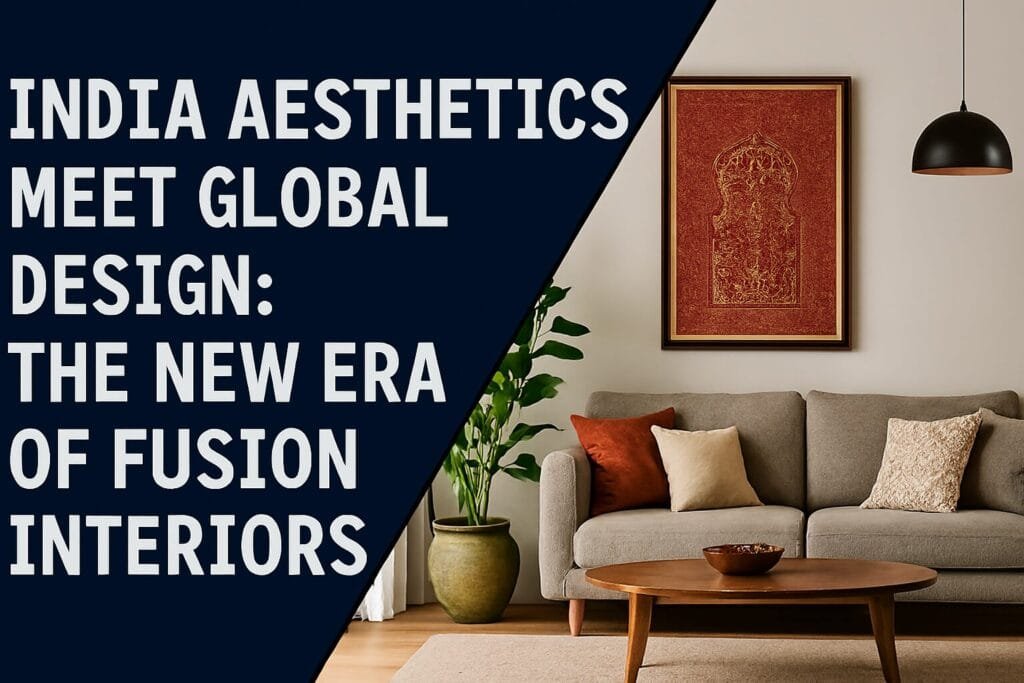
The challenge is to create interiors that do not abandon tradition but reinterpret it. Smart designers are finding innovative ways of incorporating traditional craftsmanship into a contemporary framework. This approach creates homes that feel both timeless and current.
Understanding Fusion Design Philosophy
Fusion in interior design is not an arbitrary mixture of elements from random cultures. It has to be curated thoughtfully and rooted in deep understanding. The harmony of it all is the objective, not the contrast.
The core elements from each tradition need to be identified to bring in successful fusion. Indian design brings in warmth, ornamentation, and handcrafted details. Western design contributes clean lines, functional minimalism, and innovative materials.
The best interior designer in Delhi NCR would know just how to balance these elements. They create visual conversations between the old and the new. For instance, a traditional jaali screen might frame a sleek modern workspace. Hand-painted Madhubani art could complement Scandinavian furniture.
Color Palettes Bridging Cultures
Traditional Indian homes used bold and saturated colors. The space was dominated by vibrant reds, deep blues, and golden yellows. These colors reflected festive spirits with auspicious meanings.
Neutral palettes are often favored in contemporary global design. Whites, grays, and earth tones can create calm, sophisticated environments. These colors provide versatile backdrops for a range of lifestyle needs.
Fusion design strikes the balance between these ideas. Base palettes may use contemporary neutrals for walls and large surfaces, while pops of traditional color come via textiles, artwork, and decorative objects.
This approach adds some visuals without jolting the senses. It allows homeowners to get the color intensity adjusted through accessories. Seasonal changes or evolving tastes and preferences can be attested with ease.
Incorporation of Traditional Craftsmanship
The artisan traditions of India represent centuries of built-up skill and knowledge in culture. Block printing, wood carving, metalwork, and weaving techniques form part of an irreplaceable heritage. These crafts rightfully deserve prominence in modern homes.
The challenge is incorporating handcrafted elements without creating museum-like spaces. Contemporary homes need to feel lived-in and comfortable, not precious or untouchable.
Smart designers use traditional crafts in unexpected ways: vintage doors become headboards, antique textile fragments frame modern mirrors, and traditional brass vessels become planters for contemporary succulents.
Working with the best interior designer in Delhi NCR guarantees that such elements are sourced ethically and applied appropriately. They maintain connections with skilled artisans and know their craft histories, using this knowledge to make authentic and respectful design choices.
Furniture That Tells Dual Stories
In a fusion interior, furniture selection will play an important role. Pieces need not only to function but also to support the aesthetic narrative. This is where scale, proportion, and style come in.
Traditional Indian furniture tends towards ornate carving and rich materials. Teak, rosewood, and sheesham woods have become synonymous with intricate details. These pieces really make a statement, visually.
Contemporary global furniture makes use of clean lines and multifunctionality. The designs are modular and space-saving, with minimalist forms that address modern living needs. These pieces are functional first.
Successful fusion spaces blend both approaches thoughtfully. A sleek Italian sofa might be paired with a carved wooden coffee table. Modern dining chairs could surround an antique farmhouse table. Creating visual balance and functional coherence is the key.
Textiles as Connectors to Culture
Indian textile traditions are among the richest in the world, from Banarasi silk to Kalamkari cotton. Regional techniques produce extraordinary fabrics. The textiles contain a host of cultural stories and artistic excellence.
Incorporating traditional textiles into modern spaces requires restraint and strategy. Too many patterns compete visually, while too few make spaces feel cold and disconnected.
The best interior designer in Delhi NCR uses textiles as accent elements. A vintage sari may become curtain fabric. Block-printed cushions bring color to neutral sofas. Dhurrie rugs ground modern furniture groupings.
Interest and depth are added when different textures are layered. Smooth, contemporary surfaces contrast well against handwoven textiles. This interplay adds warmth and personality to fusion interiors.
Lighting Design in Fusion Spaces
Lighting dramatically impacts how spaces feel and function. Traditionally, Indian homes let in lots of natural light and used decorative lamps. The sunlight came in beautifully filtered through the jaali screens. Brass diyas and lanterns provided atmospheric evening illumination.
Contemporary lighting design uses layers. There is ambient, task, and accent lighting to serve specific purposes. Controls can be smart to customize for activity and mood.
Fusion interiors blend traditional and modern lighting strategies. Statement pieces may include contemporary chandeliers with traditional metalwork details. Floor lamps might boast modern forms with handcrafted shades.
Natural light is still the most essential factor in fusion design. Large windows and open plans maximize daylight, while traditional screening techniques allow for privacy without compromising brightness. Historical wisdom is respected here, combined with meeting modern needs.
Spatial Planning for Contemporary Indian Families
Conventional Indian houses were built to house their joint families. Various generations shared spaces for multiple purposes. All houses had their courtyard that acted as a common area.
Modern Indian families are often small and nucleated, with different space requirements. The need for home offices, entertainment zones, and personal retreats has become a necessity. Flexibility and privacy now compete with communal living values.
The top interior designer in Delhi NCR understands these evolving requirements. They design spaces to accommodate the changing dynamics in families. An open floor plan allows for togetherness, while strategic divisions of rooms allow for privacy.
Limited square footage is maximized by multi-functional spaces. Guest rooms double as home offices. Dining areas turn into work areas. Smart furniture and thoughtful planning make this flexibility seamless.
Kitchen Design Bridging Tradition and Modernity
Indian kitchens form vital spots for family gatherings. Traditional cooking required specific spatial arrangements. Spice storage, grinding areas, and ventilation were considerations.
The modern kitchen is now designed to combine efficiency, hygiene, and aesthetic appeal. It embraces modular designs, integrated appliances, and easy-clean surfaces. These kitchens are all about convenience and style.
The concept of fusion kitchen design honors cooking traditions by incorporating modern conveniences. Traditional masala boxes sit next to sleek appliances, while granite mortar-pestles complement food processors and brass utensils that have become decorative displays in contemporary open shelving.
The best interior designer in Delhi NCR balances these elements thoughtfully. They understand that kitchens must function efficiently and still feel emotionally connected to users. That dual awareness creates spaces that truly serve families.
Bathroom Spaces That Blend Wellness Traditions
Indian well-being traditions stress rituals with water and elements of nature. Traditional bathrooms were utilitarian and Spartan, accommodating a person’s need for cleanliness. Modern bathrooms have become private retreats, places for relaxation.
Fusion bathroom design incorporates these philosophies beautifully. Natural stone and copper fixtures recall traditional materials. Modern comfort comes from contemporary fixtures and smart technology.
Spa features like rain showers and soaking tubs evoke traditional wellness values. Ayurvedic principles guide choices of materials and spatial organization. The result feels ancient and modern at the same time.
Working with the best interior designer in Delhi NCR ensures that bathrooms will balance aesthetics with practical concerns. Proper waterproofing, ventilation, and ease of maintenance considerations guide every design decision.
Art and Decor in Fusion Interiors
Art selection can make or break a fusion interior. Pieces must contribute to the cultural conversation and support visual cohesion. It requires a curatorial sensibility and, yes, cultural knowledge.
Traditional Indian art forms reflect incredible variety: miniature paintings, temple sculptures, folk art, and contemporary Indian artists are a few of the options. These pieces introduce cultural depth and visual interest.
Global contemporary art can be in a beautiful conversation with traditional Indian pieces. The abstract works complement the ornate traditional items. Photography speaks a different aesthetic language. The key lies in finding thematic or visual connections.
The best interior designer in Delhi NCR is engaged in developing valuable art collections among the clients. They connect their clients with artists and galleries, while their advice ensures purchases that improve aesthetic and investment value.
Sustainable Practices in Fusion Design
Sustainability also aligns with traditional Indian values. Historical practice focused on the conservation of resources and natural materials. Nothing was ever wasted, and craftsmanship guaranteed longevity.
Both values are shared in contemporary sustainable design, but it also adds several modern technologies. Energy-efficient systems, recycled materials, and low-impact construction methods reduce environmental footprints.
Fusion interiors, by nature, support sustainability. Using traditional materials that are locally sourced reduces transportation impacts. Reclaiming and repurposing vintage pieces reduces waste. Supporting artisan crafts maintains economic and cultural sustainability.
The best interior designer in Delhi NCR prioritizes these considerations. They source responsibly, specify durable materials, and design for longevity. These choices benefit both clients and the environment.
Technology Integration in Cultural Contexts
Modern homes rely on infrastructure for sophisticated technology. Today, smart lighting, climate control, security systems, and entertainment networks are all part of the package. This requires serious planning and integration.
The challenge is in including technology without affecting aesthetic harmony. Visible wires, bulky equipment, and modern screens clash with traditional elements.
A skilled designer conceals technology thoughtfully. Traditional screens mask modern televisions. Vintage cabinets house audio equipment. Smart controls are integrated invisibly into architectural details.
Top-rated Delhi NCR interior designers balance technological needs with aesthetic goals. They work with technical specialists to make sure that the systems function seamlessly while remaining visually subtle.
Fusion Design in Commercial Spaces
The principles of fusion design are mushrooming beyond houses and into restaurants, hotels, offices, and retail stores. Such places attract clients who wish to have an authentic experience combined with modernity.
Fusion approaches in hospitality venues: Traditional ambiences evoke memories, while modern amenities provide comfort and convenience. This is a surefire combination to enhance guest experiences.
Corporate offices that use fusion design communicate cultural pride along with global competence. They attract talent seeking workplaces that respect heritage and innovation equally. These are creative and belonging-friendly environments.
Working with the best interior designers of Delhi NCR helps businesses create branded, distinctive environments. These differentiating spaces support companies in terms of functionality.
Regional Variations in Indian Fusion Design
The geographic and cultural diversity of India creates regional differences in design expressions. Rajasthani interiors are vastly different from Kerala homes, while Bengali aesthetics contrast with Gujarati styles.
Designing a fusion can celebrate these regional distinctions with their integration of global elements. A Delhi home may feature Rajasthani miniatures with Italian furniture. A Bangalore apartment could have a mix of South Indian bronze with Scandinavian minimalism.
Understanding regional traditions requires deep knowledge of culture, which the best interior designer in Delhi NCR can possess through research and experience. They guide clients to an authentic expression of regional identity.
This regional consciousness inhibits generic fusion without cultural specificity. It roots interiors in place and history while continuing to be relevant globally.
Investment Value of Quality Fusion Design
Well-executed fusion interiors are big investments. The quality materials, craftsmanship, and design require substantial budgets. However, these investments offer great value in the long run.
Timeless fusion design is not trend-driven. Instead, it promises enduring beauty that ages elegantly. Superior quality materials and construction mean long life. This makes the space both relevant and functional for decades to come.
Property values increase substantially when the professional interior designer is involved. Unique, well-designed homes bring premium selling prices. They attract those buyers who appreciate the best and are willing to pay for it.
The best interior designer in Delhi NCR assists the clients in making informed investments. They balance immediate costs with long-term value. Their expertise ensures money spent yields maximum returns.
Choosing the Right Design Partner
Collaboration between clients and designers is crucial for successful fusion interiors. The association requires trust, communication, and mutual vision. Finding the right designer is all-important.
Both traditional and contemporary design experiences are necessary. One must equally understand the cultural context, as well as international trends. Strong vendor networks and artisan relationships are needed.
Portfolio reviews outline design sensibilities and execution quality. Past projects should indicate versatility and attention to detail. Client testimonials give insight into working relationships and processes.
The best interior designer in Delhi NCR provides full-service interiors from concept to completion. They manage budgets, timelines, and contractor coordination. This full-service approach ensures cohesive results.
Future Directions for Fusion Interior Design
The fusion design keeps on evolving with changing cultural influences and technologies. Younger generations possess a different perspective on tradition and modernity. Their preferences will shape the direction of the future.
Increased global connectivity exposes designers to more diverse influences. African, South American, and Southeast Asian aesthetics may merge with Indian and Western influences. These expanded fusions will create even more enriching possibilities.
Sustainability will be increasingly central to design philosophy. Clients will demand environmentally responsible choices, and designers will innovate new ways to honor tradition while meeting ecological imperatives. The best interior designer in Delhi NCR is always one step ahead of such trends. They invest in ongoing education and international exposure that ensures clients receive cutting-edge yet culturally grounded design. Conclusion The concept of fusion interior design in India depicts the confident embracing of globalization while retaining cultural identity. It proves that tradition and modernity complement rather than contradict each other. This is a balanced approach toward making homes and spaces truly serve contemporary Indian lifestyles. Success in fusion design requires expertise, sensitivity, and vision. It demands an understanding of cultural contexts and principles of design. Most importantly, it needs designers who listen with care to the needs and aspirations of the clients. Working with the best interior designer in Delhi NCR ensures your space achieves this delicate balance. Their expertise turns good ideas into beautiful realities. They design interiors that celebrate your heritage and support your modern life. The interior movement of fusion is remaking the way Indians think about their living space. It proves that homes can be globally sophisticated yet culturally authentic. This is design that celebrates identity while embracing progress, creating spaces where tradition and innovation coexist beautifully.