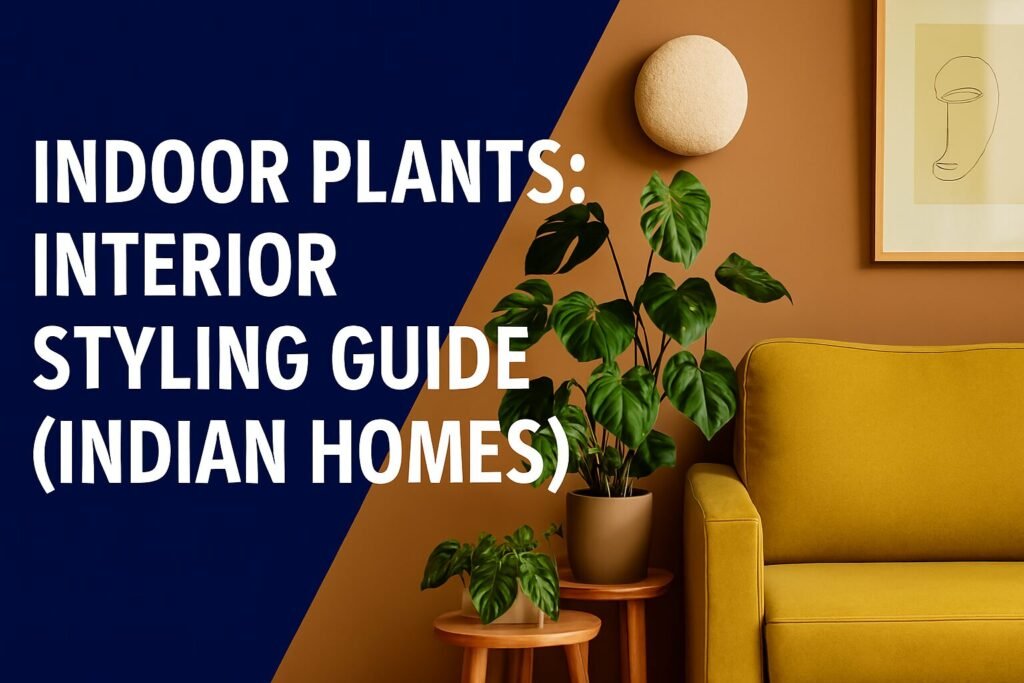
Indoor Plants Interior Styling Guide (Indian Homes)
Nature is being welcomed into Indian homes like never before. The concrete jungles of Delhi NCR find their balance with the greenery within living spaces. From aesthetically pleasing interior decor to becoming integral parts of modern home structure, indoor plants have emerged as a trend.
The transformation of Indian interiors with botanical elements requires knowledge and skill. However, when the work is entrusted to the Best Interior Designer in Delhi NCR, plant integration can be done without cluttering your living spaces. This all-inclusive guide looks at how to style Indian homes with indoor plants while striving for aesthetic balance and practical functionality.
Understanding Indian Home Architecture for Plant Placement
Indian homes have specific architectural features that allow for plant placement. More traditional designs boast courtyards, balconies, and verandas that are natural spots for greenery. Today’s apartments continue this idea on a smaller scale.
Large ceilings in older Delhi homes accommodate indoor trees that go up to the ceiling. For narrow corridors, vertical gardens are great. The large windows allow natural light, which many plants need to grow well.
Climate considerations make the front running role in the choice of flora in Indian homes. Being the national capital, Delhi has extreme temperatures, which range from very hot summers to chilly winters. The Best Interior Designer in Delhi NCR chooses plants that can tolerate such drastic changes in temperature while looking good through the seasons.
Humidity levels differ quite a bit between rooms. Kitchens and bathrooms will obviously maintain higher moisture levels. Living rooms and bedrooms lean toward the opposite end of the scale and are drier. Understanding the microclimates in your home points to appropriate plant choices for each space.
Selection of Plants for Various Indian Home Spaces
Living rooms are social hubs that require statement plants which will impress without overwhelming. Large specimens such as the fiddle leaf fig or a rubber plant anchor the seating arrangement, forming focal points that draw the eye to itself, complementing furniture styles.
The bedrooms require air-purifying plants that will improve sleeping. Snake plants release oxygen at night, so they’re a perfect bedtime companion. Peace lilies filter out the toxic things that are carried in the air while adding white blooms that are elegant to neutral bedroom colors.
The kitchens require herbs and short plants that may bear temperature fluctuations. Basil, mint, curry leaf plants help add freshness to cuisines and greenery. The Best Interior Designer in Delhi NCR integrates functional botanicals into Indian kitchens serving many purposes.
Bathrooms are naturally the most apt for ferns and varieties of pothos, which love moisture. Since there is usually very little natural light in bathrooms, shade-loving species work the best. Hanging planters ensure there is vertical utilization of space due to compact bathrooms that are a norm in most Indian homes.
Balconies act to connect indoor and outdoor environments. They also help carry a variety of plant collections, from flowering annuals to small fruit trees. Proper styling can turn balconies into personal open-air gardens that continue living areas.
Color Coordination Between Plants and Interior Palettes
Green can range from the deepest emerald to the softest sage. Plants have various colors to match existing color schemes, making interiors cohesive. Dark green foliage is used on neutral-colored walls with wooden furniture commonly found in Indian homes.
These plants, growing with white or yellow variegation, add brightness to the minimalist space. They add visual interest without conflicting colors. The Best Interior Designer in Delhi NCR uses this variegated variety strategically to make them fall on certain architectural features.
Flowering indoor plants add seasonal color splashes. Anthuriums produce red flowers that add vitality to the living room. Orchids provide a sense of drama with elegant purple or white flowers that create a showy view in the bedroom.
The color of the pot matters just as much as plant selection does. Terracotta pots go well with traditional Indian settings; white ceramic planters enhance a modern minimalist setup, while metallic finishes add the sparkle of glamour to a modern luxury apartment.
Coordinating multiple plant containers helps create intentional collections rather than random plantings. Disparate plants are pulled into unified displays by their matching materials or complementary colors.
Size and scale considerations for Indian living spaces
The proportion will make plants elevate or overpower the rooms. Giant plants overpower tiny apartments, making them feel cramped and choked. Undersized plants get lost in big villas and cannot create any impression.
The Best Interior Designer in Delhi NCR follows the rule of thirds while placing flora. Tall plants should reach to about two-thirds of the height of the ceiling. This proportion feels balanced, at the same time not creating oppressive effects.
Furniture scale drives plant sizing decisions. Large sectional sofas require large floor plants. Delicate accent tables call for small potted succulents or air plants.
Groupings of plants having different heights create depth and dimension. Tall plants are backgrounds, medium specimens are middle ground interest, and small plants detail foregrounds.
Most Indian homes have limited floor space but a lot of potential above. Wall-mounted planters and hanging baskets ensure optimum utilization of overhead space. Vertical gardens can turn stark blank walls into living art installations.
Traditional Indian Design Elements Meet Modern Plant Styling
Traditional Indian interiors are rich in color, intricate patterns, and ornate furniture. The incorporation of plants into space needs to respect these set design languages while introducing current botanical elements.
Brass planters respect traditional Indian metalwork while making for really stylish plant containers. They bridge heritage aesthetics with modern greenery trends. The Best Interior Designer in Delhi NCR sources authentic brass pieces that age beautifully with patina development.
Carved wooden plant stands are a nod to traditional Indian craftsmanship. They bring your plants up to eye level while showing off the craft of the woodwork. These work particularly well with heritage furniture collections.
Mandala-patterned pot covers merge spiritual symbolism with practical function. They protect the floors from water damage while adding cultural references that resonate with Indian homeowners.
Traditional jali screens adapted as plant dividers combine privacy with ventilation. They support climbing plants while filtering light beautifully. It is a fusion of old and new, uniquely Indian contemporary interiors.
Indoor Plant Success: Lighting Solutions
Of all the factors governing plant survival, natural light availability is the most important. In India, south-facing windows receive very intense direct sunlight. East and west windows receive medium light. North-facing windows have the least natural lighting.
The Best Interior Designer in Delhi NCR takes into consideration the light condition as a preliminary estimate of suggesting certain species. Sun-loving species develop themselves near bright windows. Shade-tolerant varieties suit the interior corners and north-facing rooms.
Supplemental grow lights expand the possibilities in darker spaces. Modern LED grow lights are in tune and blend in with interior lighting schemes, providing the required wavelengths sans harsh industrial looks.
Voile curtains filter harsh Delhi sunlight that could burn up delicate greenery. They cover the plants while allowing privacy and temperature maintenance. Light-filtering window treatments balance multiple functional requirements.
Seasonal light variations affect the strategy of plant placement. The strong sun in summer necessitates protective measures; weak winter light requires changing plants closer to windows or supplementation with artificial lighting.
Maintenance Considerations for Busy Indian Households
Indian people are busy with their lives and hardly have time to spend on plants. Choosing species that require low maintenance ensures that the greenery survives despite busy lifestyles. The Best Interior Designer in Delhi NCR recommends resilient plants that tolerate occasional neglect.
Self-watering planters greatly reduce the frequency of maintenance. They maintain constant moisture, yet eliminate overwatering. The systems are ideal for busy professionals who travel a great deal.
Succulents and cacti are drought-tolerant and suitable for water-conscious home owners, as they can store water in their leaves and stems, surviving periods of time between waterings. They add sculptural interest to the landscape beyond the typical leafy plant forms.
Grouping plants with similar care requirements simplifies maintenance routines. Clustering moisture-loving ferns together means watering one area rather than individual scattered plants throughout the home.
Professional plant maintenance services take care of intensive-care tasks. They deep clean, fertilize, prune, and treat for pests periodically. This way, homeowners can look at greenery without having to be expert gardeners.
Selection of Pet-Friendly Plants for Indian Families
Several homes in India have pets living amongst indoor plants. Common species like pothos and philodendrons prove toxic to cats and dogs. The Best Interior Designer in Delhi NCR focuses on pet-safe varieties for such families.
Spider plants will provide greenery that is safe for your pets when they get curious. They cascade down and add some great visual interest. Boston ferns are lush in texture but not toxic.
Another safety strategy is placing possibly toxic plants out of the reach of pets. This may be accomplished by utilizing wall-mounted planters and high shelves to keep toxic species out of reach of inquisitive animals.
The bitter flavors of deterrent sprays can be an effective discouragement to pets chewing plants. This can come in natural citrus-based formulas without any use of harsh chemicals. Training pets to avoid areas where there is greenery helps preserve the well-being of both the botanical and animal components.
The little research into toxicity beforehand could prevent an emergency veterinary visit. For every toxic species, there are beautiful alternatives. Safety does not have to mean the sacrifice of aesthetic goals.
Seasonal Rotation of Plants
The various seasons in Delhi bring very dramatic changes in the performance of indoor plants. Heat during summer may stress some species, while cold winters can injure tropical varieties. Rotation of plants during different seasons maintains beauty indoors throughout the year.
The Best Interior Designer in Delhi NCR develops seasonal transitions of plants that update and freshen the interiors while protecting the plants from harsh seasons. For summers, it is time to roll out the heat-tolerant species. In winter, the cold-hardy specimens are brought into view, while tropical plants are moved inside to warmer locations.
Flowering plants are rotated based on bloom cycles. Spring bulbs, such as amaryllis, offer winter color. Summer-blooming jasmine is pulled inside during the monsoons. This rotation will ensure that floral interest is supplied throughout the year.
During extreme weather conditions, plants on the balcony migrate indoors. Fragile ferns are brought in during summer’s intense heat. Frost-sensitive succulents hide away during cold winters. This requires planning and a suitable location inside the house.
Seasonal styling also moves outwards to the decorative elements around plants: light fabrics and bright accessories in summer displays, warm textures, and rich colours in winter arrangements-plants anchor these changing seasonal vignettes.
Vertical Gardens and Living Walls
The vertical gardening innovations in urban Indian apartments are driven by space constraints. A living wall converts a blank surface into a breathing garden. They provide drama to any focal point with minimal square footage.
While custom designing the living wall system to suit particular space, the Best Interior Designer in Delhi NCR does so. The modular panels allow for future reconfigurations. The integrated irrigation system makes life much easier when it comes to the maintenance of vertical installations.
Organic room dividers are formed by climbing plants trained on decorative trellises. A few money plants and pothos varieties grow quite vigorously on their vertical supports, separating the space while maintaining visual and air connectivity.
Pocket planters mounted on the wall can hold a variety of small plants. Succulents, herbs, and small ferns may be combined in living art compositions. These are particularly effective in kitchens and offices.
Feasibility mainly depends on structural considerations. Weight loads need anchoring, while moisture barriers are needed to protect walls from the potential damage of water. Skilled installations ensure successful and safe long-term operations.
Overview Plants have immense cultural significance in the Indian home.
Plants are ingrained in the culture through the various traditions of India. Tulsi plants have places of worship in Hindu homes, while money plants are believed to bring in prosperity. The Best Interior Designer in Delhi NCR incorporates culturally significant plants respectfully within modern designs.
Vastu Shastra principles direct the placement of plants in a manner such that the flow of positive energy is ensured. Different directional zones have different specific plants that suit them. Sacred tulsi usually occupies the northeast corners of most traditional homes. The southeast areas accommodate fire-element plants.
Festival decorations include traditional plants and flowers. Marigolds during Diwali invite auspicious energy into the space. During festivals, mango leaves are used to decorate doorways. Permanent plant installations accommodate temporary seasonal additions.
Gifting plants conveys wishes for growth and prosperity. The plants chosen for housewarming are usually propitious species. Knowledge of cultural contexts reinforces selecting plants appropriate for Indian homes.
There one needs to strike a balance between the traditional beliefs and contemporary aesthetics sensitively. Contemporary interpretations uphold the cultural significance, fitting current design trends. This combination generates interestingly relatable spaces to Indian heritage.
Budget-Friendly Plant Styling Solutions
Beautiful plant styling doesn’t have to involve unlimited budgets. Creative approaches come up with stunning results on a modest investment in the plants. The Best Interior Designer in Delhi NCR proves that it’s not the costlier buys but thoughtful design that creates the difference.
Propagate the plants from cuttings to build collections in an economical way. Several single purchased plants can become dozens through some simple techniques. It is also a good way to share with friends, building community with expanded plant varieties.
Repurposing household items as planters adds character without the cost. Vintage tins, ceramic bowls, and woven baskets become unique plant containers. Special touches like these are what can really give a space individuality not possible with mass-produced items.
Visits to the nursery yield better values than upscale plant boutiques. Local Delhi nurseries offer healthy specimens at reasonable prices. Building relationships with the nursery owners provides ongoing advice and special varieties.
DIY plant stands made from cheap materials enable savings of loads of money. Simple wooden platforms or repainted furniture work beautifully for plant display purposes. In plant styling projects, creativity substitutes for a small budget.
INTEGRATION OF PROFESSIONAL DESIGN
The complex projects of plant styling require professional expertise. The Best Interior Designer in Delhi NCR converts your vision into reality with a comprehensive design service. Their experience prevents costly mistakes and achieves superior results.
Initial consultations take into consideration things like space characteristics, lighting conditions, and lifestyle factors. Designers consider capabilities for maintenance, the presence of pets, and aesthetic preference. This deep understanding informs customized plant selection and placement strategies.
Detailed design plans spell out specific plant varieties, container style, and placement. They take into consideration growth habits and include future maintenance. Professional foresight eliminates problems that often plague the amateur enthusiast.
Implementation services take care of procurement, installation, and initial care instructions. Designers source healthy specimens from reliable suppliers. Proper installation ensures that plants get a good start.
Ongoing support helps homeowners get used to living with indoor gardens. Follow-up consultations address concerns and optimize plant performance. This comprehensive approach maximizes long-term satisfaction with interior greenery. Conclusion Indoor Oasis Created by Your Own Self Indoor plant styling converts Indian houses into refreshing havens. The journey from bare rooms to lush interiors involves a lot of planning, knowledge, and creativity. From the hard work to putting in an effort over DIY styling to engaging pros, it’s all worth the outcomes. They clean the air, take away our stress, and re-link us with nature despite living in cities. They make houses feel like homes through living beauty that is constantly changing. The **Best Interior Designer in Delhi NCR** helps realize these benefits through expert guidance tailored to Indian homes. Small beginnings with easy-to-care-for plants allow one to feel confident to pursue more ambitious projects. Success grows through experimentation and learning. Each additional plant teaches lessons about its needs and possibilities in styling. The Indian home has a peculiar marriage between tradition and modernity, becoming a perfect canvas for creative plant styling. These feel rooted to their cultural context yet fresh with the use of modern trends, and that is what truly defines successful Indian interior design. Your home also needs the vitality and beauty from indoor plants. Take the first step towards greener living spaces today. The transformation will await one, with improvement in well-being and aesthetic satisfaction for the future.