Interior Design for Homes with Flexible Room Usage
Modern living demands adaptable spaces that serve multiple purposes. Homes evolve as families grow and lifestyles change. Static room designs no longer meet contemporary needs effectively. Flexible interior design creates spaces that transform effortlessly.
The concept of single-purpose rooms feels outdated today. A dining room sits empty most days. Guest bedrooms remain unused for months at a time. Smart design makes every square foot work harder. Spaces should adapt to daily life seamlessly.
Understanding Multi-Functional Space Design
Flexibility means different things to different families. Some need home offices that convert to guest rooms. Others want playrooms that transform into entertainment spaces. The best Interior Designer in Delhi NCR understands these varied needs intimately.
Space constraints drive the need for flexibility often. Urban homes offer limited square footage typically. Every room must serve multiple functions efficiently. Creative design solutions maximize available space dramatically.
Lifestyle changes happen more frequently now than before. Remote work has become permanent for many professionals. Children grow up and require different spaces. Aging parents might move in unexpectedly sometimes. Flexible design accommodates these transitions smoothly.
The Evolution of Room Functionality
Traditional home design followed rigid conventions for decades. Living rooms were for entertaining guests only. Bedrooms existed solely for sleeping and dressing. Dining rooms hosted formal meals exclusively. These boundaries have dissolved completely today.
Contemporary families live more fluidly throughout their homes. Work happens in various locations daily. Entertainment moves from room to room easily. Meals occur wherever feels comfortable currently. Design must reflect this reality honestly.
The best Interior Designer in Delhi creates spaces that embrace modern lifestyles. They understand how people actually use their homes. Design decisions reflect real behavior patterns. Functionality takes priority over outdated conventions.
Planning for Multiple Uses
Successful flexible design starts with thorough planning always. Understanding current needs provides the foundation initially. Anticipating future requirements ensures lasting value. The planning phase determines project success ultimately.
Family interviews reveal how spaces get used currently. Daily routines expose patterns that inform design. Pain points highlight where improvements matter most. Future plans indicate what flexibility might be needed.
Space analysis identifies opportunities for multi-functionality naturally. Underused areas represent design opportunities waiting. Large rooms can be divided into zones. Small spaces can serve multiple purposes strategically.
Working with the best Interior Designer in Janakpuri ensures comprehensive planning. They ask the right questions from the beginning. Their experience prevents common mistakes that waste money. Professional guidance saves time and frustration significantly.
Furniture Selection for Adaptability
Furniture choices determine how flexible spaces truly become. Fixed pieces limit functionality over time inevitably. Adaptable furniture enables seamless room transformations. Selection requires thinking beyond immediate needs.
Modular furniture systems offer incredible versatility for changing needs. Sectional sofas reconfigure to suit different layouts. Storage units stack or separate as required. Tables extend or compact based on circumstances.
Multi-purpose furniture pieces maximize space efficiency dramatically. Murphy beds disappear when not needed currently. Ottoman storage provides seating plus hidden compartments. Desk units fold away to free floor space.
Moveable furniture allows for quick room reconfigurations easily. Lightweight pieces shift between spaces as needed. Wheels or glides enable effortless repositioning always. Flexibility increases when nothing feels permanently fixed.
Quality matters more for furniture that gets moved frequently. Durable construction withstands repeated reconfiguration without damage. Professional designers know which brands last longest. Investment in quality pays dividends over years.
Creating Defined Zones Within Open Spaces
Open floor plans dominate modern home design preferences. They create spacious feelings and improve light flow. However, completely open spaces lack definition sometimes. Zone creation provides structure without rigid walls.
Area rugs define distinct spaces within larger rooms effectively. They anchor furniture groupings visually and practically. Different rugs indicate different functional zones clearly. This simple technique works remarkably well.
Furniture placement creates natural room divisions without barriers. Sofas positioned perpendicular to walls separate areas. Bookcases function as permeable dividers elegantly. Strategic arrangement guides traffic flow intuitively.
Lighting helps distinguish between different functional zones. Pendant lights over dining areas define eating spaces. Task lighting indicates work or reading zones. Ambient lighting creates relaxation areas naturally.
Color and material changes signal zone transitions subtly. Accent walls indicate distinct areas without walls. Flooring material shifts mark functional boundaries. These visual cues help brains understand space organization.
Smart Storage Solutions
Flexible spaces require excellent storage by absolute necessity. Clutter destroys multi-functionality faster than anything else. Everything needs a designated home location. Hidden storage maintains clean aesthetics while providing functionality.
Built-in storage maximizes every available inch efficiently. Floor-to-ceiling cabinets use vertical space fully. Window seats incorporate hidden compartments below. Staircase storage transforms wasted space into assets.
Dual-purpose storage pieces contribute to room flexibility. Storage ottomans provide seating plus organization. Coffee tables with lift-tops reveal hidden compartments. Beds with drawers underneath maximize bedroom efficiency.
Closet systems adapt as needs change over time. Adjustable shelving and hanging rods reconfigure easily. Modular components add or remove as required. Professional closet design increases storage capacity dramatically.
Professional designers incorporate storage into every design element. They identify opportunities others overlook completely. Their experience ensures adequate storage from project beginning. This foresight prevents future frustration and clutter.
Color Strategies for Versatile Spaces
Color choices significantly impact room flexibility and mood. Neutral palettes provide the most versatility long-term. They accommodate changing décor styles effortlessly. Bold accents add personality without permanent commitment.
Light colors make small spaces feel larger always. Whites, beiges, and grays create airy feelings. They reflect natural light throughout rooms beautifully. These shades work with any functional purpose.
Accent colors can be changed easily over time. Throw pillows, artwork, and accessories add pops. They transform room moods without major renovations. Seasonal changes keep spaces feeling fresh constantly.
Color psychology influences how rooms feel and function. Blues promote calmness suitable for relaxation zones. Yellows energize spaces meant for activity. Understanding these effects helps create appropriate atmospheres.
Designers help clients select color schemes that work long-term. They consider natural lighting throughout different times. Their expertise prevents costly color mistakes later. Professional guidance ensures cohesive looks across spaces.
Lighting Design for Multiple Functions
Lighting flexibility enables true multi-functionality in any space. Different activities require different lighting levels and types. Layered lighting approaches provide maximum versatility always. Good design incorporates multiple lighting sources strategically.
Ambient lighting provides overall illumination for entire rooms. Ceiling fixtures and recessed lights create base lighting. Dimmers allow intensity adjustments based on needs. This foundational layer supports all other functions.
Task lighting focuses illumination where activities happen specifically. Desk lamps support work or reading activities. Under-cabinet lights assist kitchen meal preparation. Directed light enables functional precision always.
Accent lighting highlights architectural features or artwork beautifully. Wall sconces create visual interest and atmosphere. Picture lights draw attention to special pieces. This layer adds depth and character.
Smart lighting systems offer unprecedented control and flexibility. Scenes can be programmed for different uses. Voice commands or apps control everything remotely. Technology enhances convenience dramatically for modern families.
Flexible Workspace Integration
Remote work has made home offices essential recently. However, dedicated office rooms aren’t always possible. Flexible workspace solutions fit into existing living areas. Design allows work to happen without dominating homes.
Corner workspaces utilize otherwise wasted areas effectively. A small desk and chair fit into many corners. Good lighting and storage complete functional setups. These spaces work without requiring entire rooms.
Closet offices transform unused closets into work areas. Doors close to hide work when not needed. Everything stays organized and out of sight. This solution suits small homes particularly well.
Shared spaces accommodate work during business hours only. Dining tables double as desks throughout weekdays. Living rooms host video conferences when needed. Furniture and technology enable quick transitions.
Professional designers create workspaces that blend into homes. They select furniture that complements existing décor. Cable management keeps technology organized and hidden. The result feels intentional rather than makeshift.
Guest Room Flexibility
Traditional guest rooms sit empty most of the year. This represents wasted space and resources unnecessarily. Multi-functional guest spaces serve daily purposes too. Design allows quick conversions when visitors arrive.
Home offices convert to guest rooms with thoughtful planning. Murphy beds fold down when overnight guests come. Sleeper sofas provide seating daily and beds occasionally. Storage accommodates guest belongings temporarily easily.
Craft rooms or hobby spaces can host guests comfortably. Work surfaces clear away quickly when needed. Adequate storage keeps supplies organized and accessible. The room serves dual purposes beautifully.
Children’s playrooms transform into guest accommodations sometimes. Toy storage systems consolidate items efficiently. A quality sleeper sofa provides comfortable sleeping arrangements. The space serves growing families while accommodating visitors.
Designers ensure guest spaces feel welcoming despite dual purposes. They select quality sleep solutions for comfort. Privacy considerations get addressed through window treatments. Every detail contributes to positive guest experiences.
Family Room Evolution
Family rooms must adapt as children grow through stages. Toddler play areas become tween hangout spaces. Teen lounges transform into adult conversation areas. Flexible design accommodates these natural progressions smoothly.
Durable materials withstand active family use over years. Stain-resistant fabrics protect furniture from inevitable spills. Hardwood or tile flooring cleans easily always. Quality materials prove economical long-term despite higher initial costs.
Storage systems evolve with changing family needs continually. Toy storage becomes game storage eventually. Media equipment updates as technology advances. Flexible systems adapt without complete overhauls.
Seating arrangements adjust for different family sizes. Modular sofas reconfigure as needed regularly. Extra seating stores away when not required. Flexibility enables comfort for two people or ten.
Professional guidance helps plan for long-term family evolution. Designers understand typical progression patterns intimately. Their foresight creates spaces that grow with families. This prevents costly renovations every few years.
Kitchen and Dining Flexibility
Modern kitchens serve as family hubs beyond cooking. They host homework sessions and social gatherings. Work happens at kitchen islands increasingly often. Design must accommodate these varied activities.
Islands provide flexible workspace for multiple purposes daily. They offer food preparation surfaces during meals. They become work desks or craft tables otherwise. Seating options add casual dining functionality.
Dining areas flex between formal and casual uses. Tables extend to accommodate larger gatherings occasionally. They contract for intimate family dinners usually. Flexible furniture enables these transitions easily.
Open kitchen designs connect to living spaces naturally. This creates inclusive environments for entertaining guests. Cooks remain engaged with conversations while working. The layout supports modern entertaining preferences.
Professional designers optimize kitchen layouts for multiple functions. They ensure adequate storage for all purposes. Electrical outlets appear where actually needed most. Every detail enhances usability across activities.
Outdoor Space Integration
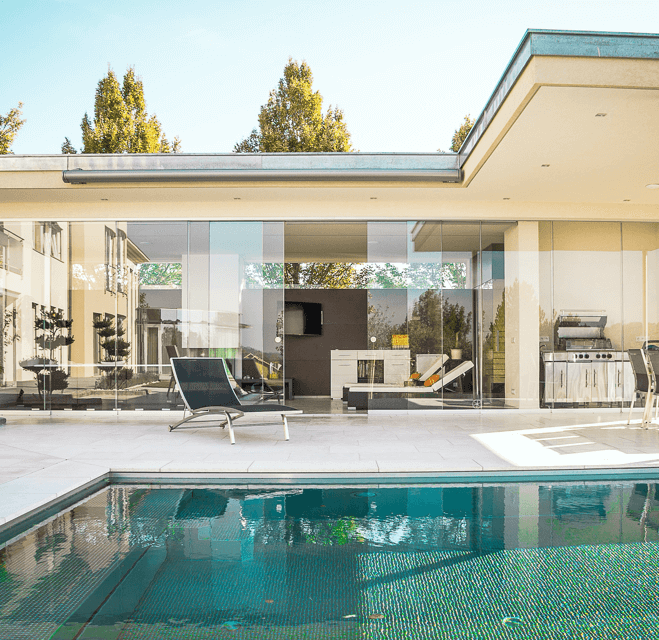
Indoor-outdoor living extends usable square footage significantly. Patios and balconies become additional flexible rooms. Design blurs boundaries between inside and outside. This integration feels particularly valuable in nice weather.
Large windows or glass doors create visual connections. Indoor spaces feel larger through outdoor views. Natural light floods interior areas generously. The psychological impact enhances wellbeing substantially.
Outdoor furniture mirrors indoor comfort and style. Weather-resistant pieces withstand elements while looking beautiful. Consistent design language unifies all spaces. The transition feels intentional and seamless.
Retractable screens or walls enable weather flexibility. Spaces close during inclement conditions easily. They open completely when weather permits. This adaptability extends usable seasons significantly.
Designers incorporate outdoor living into overall home plans. They select appropriate materials for local climates. Their experience ensures outdoor spaces get used regularly. Integration happens naturally rather than feeling forced.
Technology Integration for Flexibility
Smart home technology enhances space flexibility dramatically today. Automated systems adjust environments based on activities. Voice commands control multiple functions simultaneously. Technology simplifies transitions between room uses.
Motorized window treatments adjust privacy and lighting easily. They respond to voice commands or schedules. Natural light optimizes based on time and activity. This convenience enhances daily life quality.
Integrated audio systems support various room functions. Music creates ambiance for entertaining guests. White noise aids concentration during work hours. Audio adapts to whatever space requires.
Hidden charging stations keep devices powered without clutter. USB outlets integrate into furniture and walls. Wireless charging pads embed into surfaces. Technology stays accessible yet invisible aesthetically.
Professional designers incorporate technology seamlessly into plans. They future-proof installations for coming advancements. Wire management happens during construction phases. The result looks clean and functions flawlessly.
Budget Considerations for Flexible Design
Flexible design doesn’t necessarily cost more than traditional approaches. Smart planning actually saves money long-term typically. Initial investments in quality pay dividends over decades. The key lies in strategic decision-making.
Prioritizing quality in key pieces prevents future replacement costs. Durable furniture withstands years of reconfiguration and use. Quality craftsmanship maintains appearance despite heavy usage. These investments prove economical ultimately.
Phased implementation spreads costs over time manageably. Essential elements get completed first always. Additional features add as budgets allow. This approach makes flexibility accessible to more families.
DIY elements reduce costs where skills permit. Simple tasks like painting or installing curtains work. Complex work still requires professional expertise typically. Knowing when to hire professionals prevents expensive mistakes.
Working with experienced designers actually saves money overall. They prevent costly errors and poor decisions. Their vendor relationships often provide cost advantages. Professional guidance optimizes budget allocation effectively.
Cultural and Personal Style Integration
Flexible spaces must reflect inhabitants’ personalities and cultures. Adaptability shouldn’t mean sacrificing personal expression. Design accommodates practicality while honoring individual aesthetics. Both considerations receive equal importance.
Cultural elements incorporate meaningfully into flexible designs. Artwork and textiles display heritage beautifully. Furniture pieces reflect cultural traditions appropriately. These touches create authentic, personal spaces.
Personal collections display elegantly within flexible frameworks. Book collections integrate into room dividers. Travel souvenirs enhance without cluttering spaces. Everything has intentional placement and purpose.
Style preferences guide design decisions throughout projects. Contemporary, traditional, or eclectic aesthetics all work. Flexibility applies regardless of style choices. Function and beauty coexist harmoniously always.
Designers respect client preferences while offering expertise. They guide decisions without imposing personal tastes. The result reflects clients’ personalities authentically. Satisfaction comes from recognizing yourself in spaces.
Sustainable and Eco-Friendly Flexibility
Environmental consciousness influences modern design decisions increasingly. Flexible spaces can incorporate sustainable practices naturally. Eco-friendly choices benefit both planet and inhabitants. Responsibility and functionality align perfectly here.
Durable materials reduce replacement frequency and waste. Quality construction means furniture lasts decades. This longevity represents the ultimate sustainability. Less consumption equals less environmental impact.
Multi-functional spaces reduce overall home size requirements. Smaller homes consume fewer resources for construction. They require less energy for heating and cooling. Efficiency benefits both budgets and environment.
Natural and recycled materials create healthy indoor environments. Low-VOC paints improve air quality significantly. Sustainable wood sources protect forests responsibly. These choices create healthier homes for families.
Energy-efficient lighting and appliances reduce consumption continuously. LED bulbs last years while using minimal electricity. Smart thermostats optimize heating and cooling automatically. Technology enables sustainable living effortlessly.
Working with Professional Interior Designers
Professional expertise transforms flexible design visions into reality. Designers bring experience from countless previous projects. They anticipate challenges before they become problems. Their guidance proves invaluable throughout processes.
Initial consultations reveal possibilities clients haven’t considered. Designers see potential in spaces that seem limiting. Their creative solutions overcome apparent obstacles elegantly. Fresh perspectives unlock hidden opportunities always.
Project management ensures smooth execution from start to finish. Designers coordinate contractors and vendors efficiently. They handle details clients wouldn’t know to consider. This oversight prevents delays and complications.
Budget management protects clients from overspending unnecessarily. Designers allocate resources for maximum impact. They know where to invest and where to economize. This expertise optimizes every rupee spent.
The best Interior Designer in Delhi NCR delivers results that exceed expectations. They combine technical expertise with creative vision. Client satisfaction drives their every decision. The investment returns value for years ahead.
Conclusion: Embracing Flexible Living
Modern life demands spaces that adapt to changing needs. Flexible interior design creates homes that evolve gracefully. Every room works harder and serves better. Investment in adaptability pays dividends indefinitely.
Professional designers make flexibility achievable for every home. They understand how families actually live daily. Their expertise transforms constraints into opportunities. Beautiful, functional spaces result from collaboration.
The future of home design lies in adaptability. Static rooms no longer serve contemporary lifestyles. Flexible spaces enhance quality of life measurably. Embracing this approach creates homes that truly work.