Interior Design for Homes with Strong Sunlight
Abundant natural light seems desirable until you actually live with it. Strong sunlight creates glare that makes screens unreadable. It fades furniture and fabrics rapidly. It overheats rooms significantly. It creates harsh shadows and uncomfortable brightness. Homes facing south or west in sunny climates face these challenges daily. Indian cities with intense sun exposure require thoughtful design addressing these issues. Simply installing curtains isn’t enough. Comprehensive strategies manage light while maintaining the brightness benefits. This balanced approach creates comfortable, usable spaces despite intense sunlight. The Best Interior Designer in Delhi NCR understands how to harness natural light’s benefits while mitigating its problems through layered design solutions.
Understanding Sunlight Challenges
Strong sunlight creates multiple problems simultaneously. Excessive brightness causes visual discomfort and eye strain. Heat gain through windows significantly increases cooling loads.
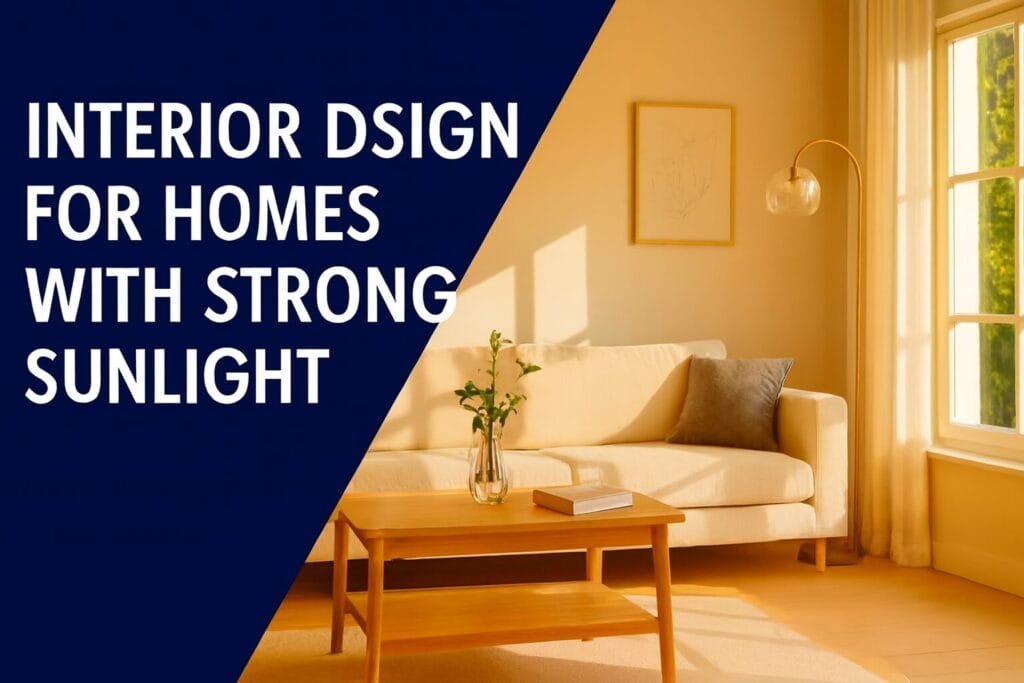
Interior Design for Homes with Strong Sunlight: Creating Comfort in Bright Environments
Abundant natural light seems desirable until you actually live with it. Strong sunlight creates glare that makes screens unreadable. It fades furniture and fabrics rapidly. It overheats rooms significantly. It creates harsh shadows and uncomfortable brightness. Homes facing south or west in sunny climates face these challenges daily. Indian cities with intense sun exposure require thoughtful design addressing these issues. Simply installing curtains isn’t enough. Comprehensive strategies manage light while maintaining the brightness benefits. This balanced approach creates comfortable, usable spaces despite intense sunlight. The Best Interior Designer in Delhi NCR understands how to harness natural light’s benefits while mitigating its problems through layered design solutions.
Understanding Sunlight Challenges
Strong sunlight creates multiple problems simultaneously. Excessive brightness causes visual discomfort and eye strain. Heat gain through windows significantly increases cooling loads. UV radiation fades colors in fabrics, artwork, and wood. Glare on screens makes digital work difficult. These issues compound throughout sunny days.
However, natural light also provides enormous benefits. It reduces artificial lighting needs. It supports circadian rhythms and mood. It makes spaces feel open and connected to outdoors. The design challenge isn’t eliminating sunlight but managing it intelligently.
Window Orientation and Sun Path
Understanding how sun moves through spaces guides design decisions. South-facing windows in the Northern Hemisphere receive intense direct sun. West-facing windows experience harsh afternoon heat. East-facing windows get morning sun. North-facing windows provide consistent indirect light.
Delhi’s latitude creates specific sun angle patterns. Summer sun sits higher in the sky. Winter sun penetrates deeper into spaces. The Best Interior Designer in Delhi considers these patterns when planning window treatments, furniture placement, and material selection.
Layered Window Treatment Strategies
No single window treatment handles all sunlight conditions perfectly. Layered approaches provide flexibility. Sheer curtains diffuse harsh direct sun. Blackout shades block light completely when needed. Adjustable blinds offer precise control. This layering enables appropriate light management throughout days and seasons.
Motorized systems simplify adjustment. They can program for optimal positions at different times. Remote control enables easy modification as sun positions change. These automated systems make light management convenient rather than burdensome.
Solar Control Glass and Glazing
Window glass technology significantly affects heat and light transmission. Standard clear glass allows maximum solar heat gain. Low-E coatings reflect infrared radiation while admitting visible light. Tinted glass reduces both light and heat. Selecting appropriate glazing is fundamental.
Retrofitting existing windows with solar control film provides benefits without replacement. These films block UV radiation and reduce heat gain. They preserve views while improving comfort. Rishabh Interior helps clients evaluate glass upgrade options balancing performance with budget.
Exterior Shading Solutions
Blocking sun before it reaches windows is most effective. Exterior awnings, louvers, and screens prevent heat gain. They reduce cooling loads more effectively than interior treatments. They also enable interior window access without sacrificing solar control.
Fixed overhangs can block high summer sun while admitting lower winter sun. Adjustable exterior shutters provide flexibility. Pergolas with climbing plants create beautiful natural shading. The Best Interior Designer in Janakpuri integrates architectural shading into comprehensive light management strategies.
Interior Shading Device Selection
When exterior solutions aren’t possible, interior treatments must work harder. Cellular shades trap air, providing insulation. Roman shades add elegance while blocking light. Roller shades offer clean functionality. Venetian blinds provide precise light angle control.
Material selection affects performance significantly. Reflective backing on shades bounces heat back outside. Blackout linings eliminate light transmission completely. Light-filtering fabrics diffuse while admitting glow. Each application requires appropriate material specification.
UV-Protective Window Film Applications
UV radiation causes most fading damage. Window films blocking UV rays protect furnishings without significantly reducing visible light. Clear films preserve views while preventing fading. These films extend the life of expensive furniture, artwork, and flooring.
Film application is relatively affordable compared to window replacement. Professional installation ensures bubble-free results. Films typically last ten to fifteen years before requiring replacement. This protection makes films excellent value for sun-exposed homes.
Heat-Reflective Paint and Coatings
Exterior wall coatings that reflect solar radiation reduce heat absorption. Light-colored walls naturally reflect more heat than dark ones. Special reflective paints enhance this effect. These coatings reduce cooling loads and improve interior comfort.
Roof coatings provide similar benefits. Reflective roof treatments significantly reduce attic and upper-floor temperatures. Combined with wall treatments, they create comprehensive solar heat reduction. Rishabh Interior coordinates these architectural interventions with interior design.
Furniture Placement Strategy
Strong sunlight dictates thoughtful furniture arrangement. Placing upholstered pieces in direct sun guarantees rapid fading. Leather particularly suffers sun damage. Work surfaces facing windows create glare problems. Strategic placement prevents these issues.
Seating areas position perpendicular to windows rather than facing them. This avoids direct glare while maintaining natural light benefits. Desks orient to receive light from the side. UV-protective treatments on furniture fabrics extend their lifespan. The Best Interior Designer in Delhi NCR plans layouts accounting for sun patterns throughout days.
Fade-Resistant Material Selection
Not all materials tolerate sun exposure equally. Natural fibers like cotton and silk fade quickly. Synthetic fabrics with UV inhibitors resist fading better. Solution-dyed acrylics perform excellently in bright conditions. Material selection should match sun exposure levels.
Wood finishes also vary in UV resistance. Oil-based finishes yellow in sunlight. Water-based finishes resist yellowing better. UV-protective clear coats extend wood furniture life in sunny spots. These material considerations prevent premature aging from sun exposure.
Floor Protection from Sunlight
Hardwood floors fade unevenly in sunlight. Area rugs protect portions, creating obvious color differences. Moving furniture periodically prevents permanent shadow patterns. UV window treatments prevent this damage at its source.
Alternative flooring materials handle sun better. Tile doesn’t fade. Quality vinyl resists sun damage. Concrete floors tolerate sun excellently. When wood is desired, species selection matters. Some woods naturally resist fading better than others.
Artwork and Photograph Protection
Valuable artwork shouldn’t display in direct sunlight ever. UV radiation damages irreplaceably. Even indirect bright light accelerates fading. Gallery lighting creates controlled illumination. UV-protective glazing on frames provides additional protection.
Photography particularly suffers sun damage. Digital prints fade faster than traditional chemical prints. Archival printing processes improve longevity. Display rotation prevents excessive exposure to any single piece. The Best Interior Designer in Delhi creates gallery walls in protected areas away from direct sun.
Plant Selection for Sunny Spaces
While many plants need light, intense direct sun can scorch foliage. Cacti and succulents tolerate full sun. Many tropical plants prefer bright indirect light. Understanding plant light requirements prevents disappointing results.
Sheer curtains create bright indirect light perfect for light-loving but sun-sensitive plants. Rotating plants between sunny and shaded spots balances their needs. Selecting sun-appropriate species ensures thriving indoor gardens despite intense light.
Cooling Integration with Light Management
Solar heat gain through windows significantly increases cooling loads. Every strategy reducing this gain improves cooling efficiency and comfort. Window treatments, films, and exterior shading all contribute to temperature management.
Ceiling fans enhance cooling effectiveness. They allow higher thermostat settings while maintaining comfort. Strategic ventilation exhausts hot air accumulating near ceilings. Rishabh Interior coordinates light management with mechanical cooling for comprehensive comfort.
Color Selection for Bright Spaces
Light colors reflect brightness potentially increasing glare. Dark colors absorb light reducing reflection. The balance depends on specific light conditions and preferences. No universal rule applies to all sunny spaces.
Matte finishes reduce glare compared to glossy surfaces. Textured walls scatter light softly. These finish considerations matter as much as color selection. Testing samples in actual lighting conditions prevents mistakes.
Lighting Design for Bright Spaces
Rooms with abundant natural light need minimal daytime artificial lighting. However, evenings require proper illumination. Dimmer switches provide flexibility. Layered lighting creates appropriate levels for different times and activities.
Task lighting supplements natural light for specific activities. Ambient lighting takes over at dusk. Accent lighting highlights features after dark. The Best Interior Designer in Janakpuri designs lighting systems that complement rather than fight natural light.
Glare Management for Work Spaces
Home offices in sunny rooms face significant glare challenges. Computer screens become unreadable. Video calls show blown-out backgrounds. Glare creates eye strain and headaches. Proper desk positioning and window treatments solve these problems.
Anti-glare screen filters help when positioning doesn’t eliminate problems. Adjustable task lighting supplements natural light appropriately. These workspace-specific interventions enable productive work despite strong sunlight.
Seasonal Adaptation Strategies
Sun patterns change dramatically between seasons. Summer sun sits high requiring horizontal shading. Winter sun penetrates deeper needing different control. Homes need seasonal adaptation capability.
Removable exterior screens install for summer. They store away in winter. Adjustable awnings change angles seasonally. Interior treatments adjust for changing light angles. This flexibility maintains comfort year-round despite changing conditions.
View Preservation While Managing Sun
Blocking sun shouldn’t mean losing views. Sheer fabrics diffuse light while maintaining transparency. Top-down bottom-up shades block high direct sun while preserving lower views. Exterior screens reduce sun without eliminating sightlines.
Strategic blocking covers only problematic window portions. Full-height treatments aren’t always necessary. Preserving views while managing light requires thoughtful design rather than blanket solutions.
Energy Efficiency Through Solar Control
Effective sun management significantly reduces cooling costs. Preventing solar heat gain is more efficient than removing it through air conditioning. Every degree of temperature reduction decreases energy consumption measurably.
Solar control investments pay back through reduced utility bills. They also improve comfort beyond financial savings. The Best Interior Designer in Delhi NCR quantifies these energy benefits helping clients understand value.
Architectural Modifications
Sometimes interior solutions aren’t sufficient. Architectural changes provide superior results. Adding overhangs blocks summer sun. Installing exterior shade structures creates protected outdoor rooms. These modifications address problems at their source.
While more expensive than interior treatments, architectural improvements add property value. They provide permanent solutions rather than requiring ongoing adjustment. They also often improve aesthetic appeal alongside functionality.
Smart Home Integration
Automated systems optimize light management continuously. Sensors detect sunlight intensity. Motorized shades adjust automatically. Smart glass changes tint electronically. These technologies make light management effortless.
Programming systems to respond to conditions maintains optimal light levels without manual intervention. Integration with home automation systems coordinates shading with cooling and lighting. While expensive, these systems provide superior comfort and efficiency.
Maintenance Considerations
Sun-exposed homes require more maintenance. Fabrics need more frequent cleaning. Window treatments accumulate dust more visibly. Faded finishes require earlier refresh. Planning for this increased maintenance prevents deterioration.
Selecting durable, cleanable materials reduces maintenance burden. Professional cleaning extends textile life. Regular rotation prevents uneven fading. These maintenance practices preserve investment value.
Professional Design Integration
Successfully managing strong sunlight requires comprehensive strategies. Multiple interventions work together synergistically. Professional design ensures solutions coordinate effectively rather than working at cross purposes.
Rishabh Interior brings expertise in solar control design. They understand how different strategies interact. They specify appropriate materials and systems. They create homes where abundant sunlight enhances rather than diminishes comfort and livability.
Conclusion: Harnessing Sun’s Benefits
Strong sunlight is mixed blessing requiring thoughtful design response. Unmanaged, it creates discomfort, damage, and excessive heat. Properly addressed, it provides beautiful natural light, warmth, and connection to outdoors. The difference lies in comprehensive, well-executed solar control strategies.
For homeowners throughout Delhi, Janakpuri, and the broader NCR region struggling with intense sunlight, professional design expertise transforms problem into asset. The Best Interior Designer in Delhi NCR creates light-filled homes that remain comfortable despite strong sun exposure. They layer window treatments appropriately. They select fade-resistant materials. They position furniture strategically. They integrate architectural and technological solutions. The result is homes that celebrate natural light while remaining livable, comfortable, and beautiful regardless of sun intensity—spaces where brightness enhances rather than overwhelms daily life.