Interior Design for the New Generation: Gen Z’s Influence on Indian Home Aesthetics
The face of interior design in India is undergoing a remarkable transformation. Generation Z, born between 1997 and 2012, truly epitomizes the definition of digital natives who are now redefining the way we conceptualize and live in spaces. Their preferences, values, and fluent digital language create a new aesthetic that reflects tradition with innovative twists. Thus, for those homeowners who aim to adapt to such fresh trends, taking the help of the Best Interior Designer in Delhi NCR becomes imperative to translate generational aspirations into functional beautiful spaces.
This means that understanding the demographic shift is important to interior designers. More than just a consumer segment, Gen Z is a cultural force that calls for authenticity, sustainability, and self-expression through their surroundings. Their influence extends beyond mere decoration into deeper values about how spaces should function, feel, and reflect their identities.
Understanding Gen Z’s Distinctive Design Philosophy
Generation Z thinks of interior design in a completely different way than any generation before. For them, their homes are both an extension of their digital personas and a physical sanctuary from an evermore connected world. That duality brings some interesting design challenges that warrant innovative solutions.
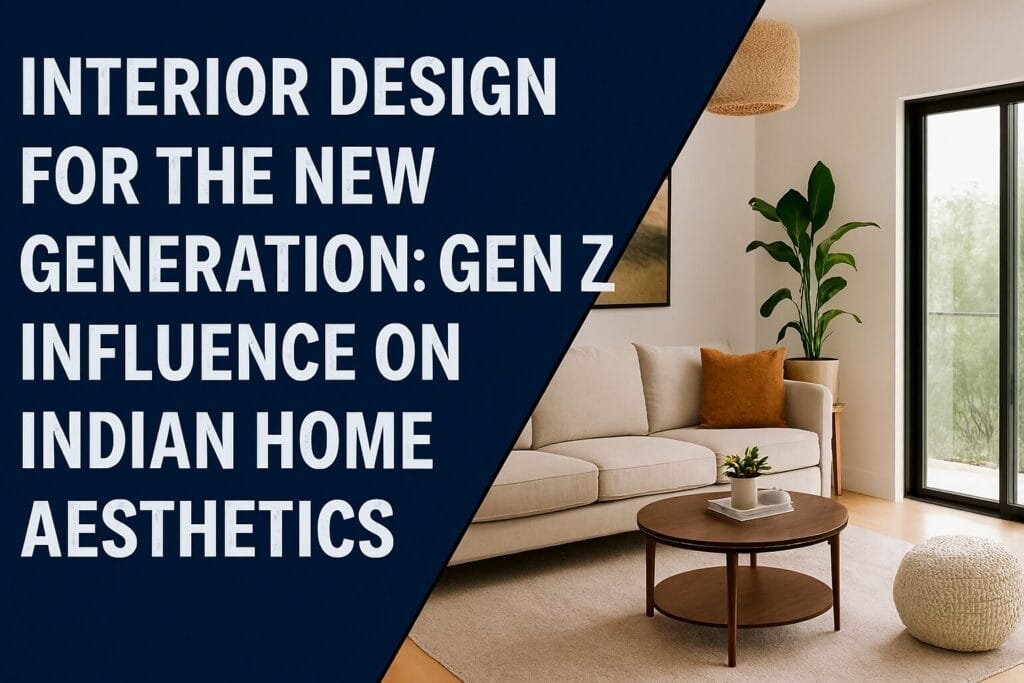
Unlike millennials, who embraced minimalism as a reaction against excess, Generation Z wants balance. They can appreciate clean lines and uncluttered spaces but reject stark minimalism to bring in warmth and personality. This generation intends to make sure their spaces tell stories with curated collections reflecting their travels, interests, and values. They are drawn to designs that spark joy while bringing functionality.
Planning Space for the Digital Native
Gen Z has grown up documenting and sharing their lives through visual platforms. This is the reality that influences how they conceptualize living spaces: every corner can be Instagram-worthy, yet they resist creating spaces that feel contrived or staged. The Best Interior Designer in Delhi NCR understands this paradox and creates rooms that photograph beautifully while remaining genuinely livable.
In this respect, natural lighting is the most important. Windows, skylights, and open floor plans are essential in maximizing daylight for Gen Z’. Knowing how it can affect mood and photography, lighting is an important consideration in every design decision. Complementing the natural light is a strategic artificial lighting solution to make the space workable and transition smoothly from daytime into nighttime.
Sustainability as a Non-Negotiable Design Element
Environmental awareness characterizes the consumption habits of Gen Z, including interior design. This generation is in search of sustainable materials, eco-friendly furniture, and energy-efficient solutions. They research brands, question sourcing, and prefer transparency in the design process.
Reclaimed woods, bamboo, recycled metals, and organic fabrics will play a large role in Gen Z-inspired interiors. These materials create environmental benefits but also boast unique textures and character that their mass-produced counterparts cannot match. Working with professionals who understand sustainable design becomes essential for implementing these values effectively.
Color Psychology and the Emotional Intelligence of Gen Z
Gen Z shows a sophisticated understanding of how color impacts mood and wellbeing. They move beyond trendy palettes to choose colors serving psychological purposes in different spaces. The bedrooms present soothing blues and soft greens that help one sleep calmly. Home offices then use energizing yellows and focused neutrals for enhanced productivity.
This generation isn’t afraid of bold color statements, but they strategically deploy them. Accent walls, colorful furniture pieces, and vibrant artwork provide personality without overwhelming. The Best Interior Designer in Delhi NCR helps balance these bold choices with neutral foundations for schemes that feel intentional rather than chaotic.
Multifunctional Spaces for Fluid Lifestyles
The work-leisure-social continuum for Gen Z dissolves boundaries. Home office, side hustle space, creative space, and space for entertaining blend into one space or, oftentimes, a single room. This reality necessitates flexible spaces that adapt throughout the day.
This is a need that transforming furniture serves beautifully. Murphy beds fold up to reveal home offices, dining tables double as workstations, living rooms become guest bedrooms, and smart storage solutions keep spaces organized despite their multiple purposes. These design strategies maximize limited square footage while accommodating diverse activities.
Technology Integration Without Visual Disruption
The tech-native Gen Z doesn’t like technology monopolizing their aesthetic experience. They seek smart homes where the integration is invisible: charging stations hidden in furniture, cables hidden, and entertainment centers that blend perfectly into the environment, keeping lines clean while facilitating full technological functionality.
Voice-activated systems, automated lighting, and climate control offer convenience without cluttering up the spaces with visible gadgets. The challenge is in making technology serve the design, not dictate it. Professional designers are the best at hiding what is necessary from a tech infrastructure standpoint but preserving easy access and functionality.
The Resurgence of Indian Craftsmanship with Contemporary Twists
Gen Z in India demonstrates fascinating appreciation for traditional craftsmanship reinterpreted through modern lenses. They value handmade textiles, artisan pottery, and traditional woodworking but prefer contemporary forms and applications. A traditional ikat fabric may upholster a sleek, modern sofa. Brass accents appear in minimalist fixtures rather than in ornate, traditional forms.
The approach respects cultural heritage without allowing itself to be bound by it. It is a delicate balance that the Best Interior Designer in Delhi NCR does skilfully-using genuine artisan work and placing it in new, relevant settings. That makes spaces feel both rooted and progressive, honoring the past while embracing the future.
Personalization by Curation of Sets
Mass production does not impress Gen Z. They want special pieces that have stories to narrate and reflect their personal journeys. Their spaces include flea market finds, family heirlooms, souvenirs from voyages, and independent artist creations.
This is not a rejection of new purchases but a thoughtful curation that blends old and new, expensive and thrifted, inherited, and discovered. Everything has earned its place based on meaning rather than being brought in to simply take up space. Professional designers curate these collections cohesively so that personal expression does not have to sacrifice visual harmony.
Biophilic Design and Connection to Nature
Among all urban ills and digital fatigue, Gen Z homeowners in the city use biophilic design principles to fight back. Indoor plants are not for mere decoration but serve as integral elements in improving air quality, reducing stress, and forming vital connections with nature. Vertical gardens, hanging planters, and plant nooks morph apartments into mini-urban oases.
Natural materials extend this connection: the use of stone countertops, wooden furniture, rattan accents, and natural fiber rugs brings organic textures inside. Large windows frame outdoor views, further blurring boundaries between interior and exterior. Such elements, taken together, have the effect of creating restorative environments supportive of mental health and well-being.
Return of Bold Patterns and Artistic Expression
After years of minimalist dominance, Gen Z is embracing pattern and artistic expression with gusto. Geometric wallpapers, patterned tile, printed textiles, and artistic murals inject visual interest and personality into spaces. But this maximalism feels curated rather than chaotic, as each pattern can serve a specific design purpose.
Mixing patterns requires an understanding of scale, color coordination, and visual balance. Professional designers guide these choices, ensuring bold elements enhance rather than overwhelm spaces. The result is confident and individual without descending into visual confusion.
Flexible Furniture and Adaptive Design Solutions
Gen Z knows that life is in constant flux. Career changes, relationship shifts, and changing interests all require their space to shift with them. They want furniture that is easy to move, multitasks, and can be reconfigured often.
Modular seating systems, rolling storage units, and lightweight furniture enable regular space reinvention without major renovations. This flexibility also appeals to their environmental values by maximizing utility and longevity of pieces rather than requiring constant replacement as needs change.
Social Spaces Designed for Authentic Connection
Even with digital connectivity, Gen Z yearns for face-to-face interaction. Houses are intentionally designed to have social zones. Open kitchens invite families to gather while meals are being prepared. Comfortable seating makes conversation pleasant. Game areas and entertainment rooms are used to spend time together.
These spaces balance intimacy with openness. They’re designed for small groups rather than large parties, reflecting Gen Z’s preference for meaningful connections over broad networks. The Best Interior Designer in Delhi NCR creates these welcoming environments that encourage presence and engagement.
Budget-Conscious Design Without Compromising Quality
Gen Z came into adulthood during economic uncertainty, so they are practical when it comes to spending. They look for value and longevity more than anything else-cheap solutions are not what this generation is after. This generation researches thoroughly, comparing quality and pricing before making design investments.
Working with professional designers maximizes limited budgets by strategic spending on the key pieces and saving on less important elements. Professional designers have trade discounts, know where to invest and economize, and help avoid costly mistakes amateur approaches often run into.
Global Design Trends
The exposure of social media provides access to global design inspiration for Generation Z. Scandinavian minimalism, Japanese wabi-sabi, Mediterranean warmth, and Mid-century modern are all influences on their aesthetic preferences. Instead, they synthesize a variety of influences into personalized aesthetics, without wholly adopting any one style.
The global perspective combined with the local contexts creates some exciting hybrid styles: Indian textiles meet Scandinavian furniture, while traditional architectural elements frame contemporary art. Professional designers navigate these complex influences to create cohesive expressions rather than confused amalgamations.
Mental Health Considerations in Space Design
Gen Z talks openly about mental health and designs spaces that support psychological wellbeing. Meditative corners, reading nooks, and quiet zones offer solace from daily stress. Color choices, lighting, and acoustic considerations are important in the creation of mentally restorative environments.
Clutter management is a serious affair since Gen Z knows that with physical organization comes mental organization. Smart storage solutions and periodic decluttering keep things in order without requiring much time and effort. These spaces serve as active tools for maintaining mental balance rather than mere backdrops to life.
The Role of Professional Interior Design Expertise
While Gen Z conducts extensive online research, they realize the worth of professional expertise. The Best Interior Designer in Delhi NCR brings technical knowledge in spatial planning, building codes, material properties, and vendor relationships that DIY approaches can’t reproduce.
Professional designers will take those vague inspirations and turn them into concrete plans, foresee problems before they happen, and manage complex projects efficiently. In that way, they save time, money, and stress, while the results are beyond amateur capabilities. Significant investments such as home design demand professional guidance to ensure satisfactory results.
Creating spaces that evolve with changing needs.
Gen Z homes need to mirror life’s unpredictability. The home office of today could be the nursery of tomorrow. Today’s entertainment spaces may morph into hobby studios. Designing for flexibility requires choosing colour palettes, furniture, and architectural elements that will work with several types of uses.
This forward-looking approach prevents expensive renovations at each life change. This also appeals to Gen Z’s values of sustainability by extending the life of your design investments. Professional designers are highly capable of establishing these adaptable frameworks that serve changing needs.
The Importance of Authenticity Over Perfection Gen Z will have nothing to do with the contrived perfection of design eras past. They want lived-in, authentic-feeling spaces. The minor imperfections in handmade pieces add character rather than detracting from value; vintage pieces show their age honestly, with no artificial distressing. This authenticity extends to the design process itself: Gen Z appreciates transparency about costs, materials, and processes. They want collaborative relationships with designers who respect their input rather than imposing preconceived visions. The best professional relationships balance expertise with true partnership. Conclusion: Partnering with the Best Interior Designer in Delhi NCR Generation Z’s impact on Indian house aesthetics is a remarkable leap forward in design thinking for living spaces. The values of sustainability, authenticity, flexibility, and self-expression open up whole new vistas and challenges in designing interiors. These young owners wanted their space to reflect who they were, yet be supportive of the complex, multi-dimensional life they lead. Translation of Gen Z aspirations into functional and beautiful spaces requires professional expertise. The Best Interior Designer in Delhi NCR understands these generational preferences while bringing technical knowledge, creative vision, and practical experience to every project. They balance bold self-expression with timelessness in design, budget consciousness with quality investment, and global inspiration with local context. With this generation making its mark on design trends, the focus on meaning over materialism, sustainability over status, and authenticity over perfection holds great promise for more conscious, purposeful living spaces. Working with experts ensures these values are delivered beautifully in spaces that truly serve the needs, preferences, and aspirations of their dwellers. The future of Indian home design is exciting, personal, and purposeful-representing the best qualities of this transformative generation.