Interior Design Inspired by Hospitality Psychology
Hotels make guests feel instantly welcome and comfortable. This doesn’t happen by accident or chance. Every design choice follows psychological principles carefully. Your home can create these same feelings.
Hospitality design focuses on creating emotional experiences. Guests should feel relaxed yet energized simultaneously. Comfort meets sophistication in perfect balance. These principles transform ordinary homes into extraordinary sanctuaries.
Understanding Hospitality Psychology Fundamentals
The hospitality industry invests millions studying guest psychology. They understand what makes people feel comfortable. Every detail gets tested and refined constantly. Homes benefit enormously from this research.
First impressions form within seconds of entering spaces. The entry experience sets emotional tone immediately. Lighting, colors, and spatial flow all matter. Getting this right creates lasting positive feelings.
The best Interior Designer in Delhi NCR applies hospitality principles. They create homes that welcome like luxury hotels. Every room tells a story of comfort. Professional expertise transforms ordinary spaces into experiences.
Creating Impactful Entry Experiences
Hotel lobbies greet guests with immediate visual impact. Homes deserve equally impressive entry moments. The foyer becomes your personal welcoming committee. Design this space with intentional care always.
Lighting creates the foundation for entry impressions. Warm illumination feels inviting and comfortable immediately. Layered lighting adds depth and interest. Adequate brightness ensures safety while maintaining ambiance.
Focal points draw eyes and create memorable moments. Statement lighting fixtures command attention elegantly. Artwork or mirrors provide visual anchors naturally. These elements guide perception from first steps.
Clutter destroys welcoming feelings faster than anything else. Entry storage keeps daily items organized perfectly. Shoes, coats, and bags disappear seamlessly. Clean spaces signal care and attention visually.
Professional designers understand entry psychology intimately today. They create transitions from outside chaos to inside sanctuary. This threshold moment matters more than people realize. Investment here pays emotional dividends daily.
The Psychology of Color in Hospitality Design
Hotels choose colors based on extensive research. Different hues trigger specific emotional responses predictably. Understanding these effects transforms home design dramatically. Color becomes a tool for emotional engineering.
Warm colors create intimacy and social connection naturally. Oranges and reds stimulate conversation and energy. They work beautifully in dining and social spaces. However, intensity requires careful balancing always.
Cool colors promote calmness and mental clarity effectively. Blues and greens reduce stress measurably in studies. Bedrooms and bathrooms benefit from these hues. Relaxation happens more easily in cool environments.
Neutral palettes provide sophisticated backdrops for living. Grays, beiges, and whites create timeless elegance. They allow accent colors to shine strategically. Flexibility increases with neutral foundations significantly.
The best Interior Designer in Delhi understands color psychology deeply. They select palettes that support desired feelings. Every room receives thoughtful color consideration. Professional expertise prevents common mistakes that undermine goals.
Layered Lighting for Emotional Impact
Hotels never rely on single overhead lighting alone. Multiple light sources create depth and flexibility. This layering principle transforms residential spaces completely. Good lighting design changes everything dramatically.
Ambient lighting provides overall illumination throughout rooms. Ceiling fixtures and recessed lights create foundations. Dimmers allow mood adjustments based on occasions. This base layer supports all other functions.
Task lighting focuses illumination where activities happen. Reading lamps beside beds serve functional purposes. Under-cabinet lights assist kitchen work efficiently. Directed light enables comfortable task completion.
Accent lighting highlights architectural features and artwork. Wall sconces add visual interest and dimension. Picture lights draw attention to special pieces. This layer creates sophistication and character naturally.
Natural light integration maximizes daylight benefits throughout homes. Large windows connect interior spaces with outdoors. Skylights bring illumination deep into floor plans. Sunlight provides psychological benefits beyond mere visibility.
Texture and Material Selection
Luxury hotels engage multiple senses simultaneously always. Touch matters as much as visual appearance. Material choices communicate quality and care immediately. Texture creates subconscious comfort and interest.
Soft textiles invite physical interaction and relaxation. Plush fabrics on furniture feel luxurious naturally. Quality linens and throws add comfort layers. These touches signal care and attention clearly.
Hard surfaces provide contrast and practical functionality. Wood, stone, and metal add sophistication visually. They create durability alongside aesthetic appeal. Balance between soft and hard feels optimal.
Natural materials connect spaces to the organic world. Wood grain brings warmth and authenticity naturally. Stone surfaces feel timeless and substantial. These elements ground spaces in reality pleasantly.
The best Interior Designer in Janakpuri selects materials thoughtfully. They understand how textures affect emotional responses. Every surface choice serves psychological purposes. Professional guidance ensures optimal material combinations always.
Spatial Flow and Circulation Patterns
Hotels guide guests through spaces intuitively without confusion. Clear pathways feel natural and effortless always. Residential design benefits from these same principles. Good flow enhances daily living experiences dramatically.
Entry points should lead naturally into living areas. Visual connections between spaces create cohesion naturally. Open sightlines make homes feel larger immediately. Strategic planning enables intuitive navigation throughout.
Traffic patterns should avoid furniture and conversation zones. Walking paths need adequate width for comfort. Bottlenecks create frustration and awkwardness unnecessarily. Smooth circulation enhances daily life quality significantly.
Transition zones between rooms need thoughtful consideration always. Doorways and hallways deserve design attention too. These spaces shouldn’t feel like afterthoughts ever. They connect experiences and maintain flow beautifully.
Professional designers map circulation patterns before selecting furniture. They ensure movement feels natural and easy. This planning prevents common layout mistakes later. Investment in proper flow planning pays forever.
The Role of Scent in Home Design
Luxury hotels have signature scents that guests remember. Smell triggers powerful emotional memories and responses. Homes can leverage this psychological phenomenon deliberately. Scent design creates lasting impressions subconsciously.
Natural fragrances feel more authentic than synthetic options. Essential oil diffusers provide subtle, pleasant aromas. Fresh flowers bring nature’s perfume indoors beautifully. These choices feel organic and welcoming always.
Kitchen and bathroom scents require special attention particularly. Good ventilation prevents unwanted odors from spreading. Fresh air circulation maintains pleasant environments constantly. Clean spaces simply smell better naturally.
Seasonal scents create variety and interest throughout years. Citrus feels refreshing during summer months especially. Cinnamon and vanilla suit winter seasons perfectly. These changes keep spaces feeling fresh always.
Designers recommend scent strategies as part of holistic plans. They understand how smell affects overall experiences. This often-overlooked detail matters more than realized. Complete sensory design includes fragrance considerations carefully.
Furniture Scale and Proportion
Hotel furniture suits room dimensions perfectly without overwhelming spaces. Proper scale creates harmony and comfort simultaneously. Residential furniture requires equally careful consideration always. Size relationships determine how spaces feel ultimately.
Oversized furniture makes rooms feel cramped and uncomfortable. Even large spaces suffer from proportion problems. Everything should relate to room dimensions appropriately. Balance creates visual and physical comfort naturally.
Furniture height affects how rooms feel psychologically. Low furniture makes ceilings appear higher visually. Tall pieces can make spaces feel cozy. Strategic height variation creates interest and balance.
Negative space around furniture matters as much as pieces themselves. Breathing room prevents crowded feelings from developing. Strategic spacing creates sophisticated, intentional looks. Less often truly means more aesthetically.
Professional designers understand scale and proportion instinctively through experience. They select furniture that suits spaces perfectly. This expertise prevents expensive purchasing mistakes later. Right-sized furniture makes all the difference visually.
Creating Zones Within Open Spaces
Modern hotels often feature open lobby areas with distinct zones. These spaces serve multiple functions without walls. Residential open plans benefit from similar zoning strategies. Definition without division creates flexible sophistication.
Area rugs anchor furniture groupings visually and practically. They define living, dining, and conversation areas clearly. Different rugs signal different functional zones instantly. This simple technique works remarkably effectively always.
Furniture arrangement creates natural room divisions without barriers. Sofas positioned strategically separate spaces gently. Bookcases and consoles function as permeable dividers. Visual boundaries emerge through thoughtful placement naturally.
Lighting changes indicate different zones within larger spaces. Pendant lights over dining tables define eating areas. Floor lamps create reading nooks within living rooms. Strategic illumination guides spatial understanding subconsciously.
The best Interior Designer in Delhi NCR excels at zone creation. They understand how to divide without separating spaces. Open plans maintain flow while gaining definition. Professional expertise optimizes both openness and function.
The Importance of Personalization
Hotels balance consistency with personalized touches carefully today. Guests appreciate generic comfort plus individual recognition. Homes should feel even more personally meaningful. Your space should tell your unique story.
Travel souvenirs and personal collections deserve prominent display. These items create conversation starters naturally always. They reveal personality and interests authentically. Generic spaces lack this emotional connection entirely.
Family photographs create emotional anchors throughout homes. Memories surround daily life in visible ways. These images remind us what matters most. Personal history deserves celebration in our spaces.
Hobby and interest areas showcase what makes you unique. Book collections reveal intellectual curiosities naturally. Musical instruments indicate creative passions clearly. Your interests should shape your environment intentionally.
Professional designers incorporate personal elements into cohesive designs. They prevent collections from creating clutter problems. Everything gets displayed beautifully and intentionally. Personal touches enhance rather than detract always.
Acoustic Design for Comfort
Luxury hotels control sound environments carefully and deliberately. Noise disrupts comfort and relaxation significantly. Residential acoustic design deserves equal attention always. Sound quality affects daily life quality profoundly.
Hard surfaces reflect sound and create echoes throughout spaces. Excessive reverberation feels uncomfortable subconsciously always. Soft furnishings absorb sound and create calmness. Balance between materials controls acoustic environments effectively.
Rugs and carpets reduce footstep noise transmission significantly. They create quieter environments instantly and easily. Upholstered furniture absorbs sound waves naturally too. Textile layers improve acoustic comfort measurably.
Window treatments provide sound dampening beyond light control. Heavy curtains reduce outside noise intrusion considerably. They create peaceful interior environments despite external chaos. This benefit often goes unrecognized initially.
Background sound masking can improve privacy and comfort. Gentle music or white noise covers disruptive sounds. Water features provide pleasant ambient sound naturally. Strategic audio design enhances living experiences substantially.
Biophilic Design Principles
Hotels increasingly incorporate nature into interior spaces deliberately. Humans feel calmer around natural elements instinctively. Biophilic design brings nature indoors systematically today. These principles benefit residential spaces enormously always.
Indoor plants improve air quality while adding visual interest. They create living, breathing design elements naturally. Green spaces within homes reduce stress measurably. This simple addition provides multiple benefits simultaneously.
Natural materials connect interior spaces to outdoor environments. Wood, stone, and natural fibers feel organic. These materials create warmth and authenticity instantly. Synthetic alternatives rarely achieve the same effect.
Water features provide visual and auditory natural elements. Fountains create soothing sounds that mask unwanted noise. Aquariums add movement and life to spaces. These features enhance environments psychologically significantly.
Natural light maximization remains crucial in biophilic design. Large windows dissolve boundaries between inside and outside. Skylights bring sunshine deep into home interiors. Sunlight provides health benefits beyond mere illumination.
Technology Integration Without Disruption
Modern hotels offer cutting-edge technology seamlessly integrated invisibly. Guests enjoy convenience without visual clutter problems. Residential technology integration requires similar thoughtful planning. Functionality shouldn’t compromise aesthetic beauty ever.
Smart home systems control lighting, temperature, and security. These systems operate invisibly behind design elements. Voice commands and apps eliminate visible controls. Technology serves without dominating spaces visually.
Hidden charging stations keep devices powered without clutter. USB outlets integrate into furniture and walls. Wireless charging pads embed into surfaces invisibly. Power stays accessible yet aesthetically invisible always.
Entertainment systems integrate into architecture rather than dominating it. Televisions conceal behind artwork or mirrors when off. Speakers embed into ceilings or hide within décor. Function exists without visual presence necessarily.
Professional designers incorporate technology from project beginnings always. They plan infrastructure during construction phases carefully. Wire management happens invisibly within walls properly. The result looks clean while functioning flawlessly.
The Luxury of Simplicity
Five-star hotels often feature surprisingly simple, uncluttered aesthetics. Luxury comes from quality and space, not quantity. This minimalist luxury principle transforms residential design completely. Less truly means more when executed properly.
Quality over quantity creates lasting satisfaction and beauty. Few perfect pieces outshine many mediocre items. Investment in excellence proves worthwhile long-term always. Every item should justify its presence daily.
Negative space provides visual rest and psychological breathing room. Empty surfaces feel intentional rather than bare. This restraint requires confidence and discipline initially. The result feels sophisticated and peaceful always.
Hidden storage maintains clean aesthetics while providing functionality. Built-in solutions conceal daily necessities completely. Clutter disappears behind beautiful facades effortlessly. Clean lines emerge when storage works properly.
The best Interior Designer in Delhi NCR embraces elegant simplicity. They understand how restraint creates impact powerfully. Every element receives careful consideration before inclusion. Professional discipline prevents unnecessary additions always.
Bathroom Design as Private Spa
Hotel bathrooms function as personal spa experiences deliberately. Luxury and functionality combine in compact spaces. Residential bathrooms deserve equal attention and investment. These private sanctuaries affect daily wellbeing significantly.
Quality fixtures communicate luxury through materials and design. Rainfall showerheads provide indulgent bathing experiences. Deep soaking tubs invite relaxation and stress relief. Investment here pays daily dividends in comfort.
Ambient lighting creates spa-like atmospheres instantly and easily. Dimmers allow adjustment from bright to romantic. Natural light through frosted windows adds dimension. Multiple light sources provide flexibility always.
Heated floors transform winter bathroom experiences completely today. Warm tiles feel luxurious against bare feet. This comfort detail makes significant psychological impact. Small luxuries create outsized satisfaction regularly.
Storage keeps bathrooms clutter-free and serene always necessarily. Medicine cabinets conceal daily necessities completely. Vanity storage organizes personal care items systematically. Clean counters signal care and luxury visually.
Kitchen Design for Gathering
Modern hotels feature demonstration kitchens and open chef’s tables. Cooking becomes entertainment and social activity simultaneously. Residential kitchens increasingly serve as family gathering spaces. Design should facilitate both work and connection.
Islands create natural gathering points within kitchen spaces. They provide workspace plus casual seating combinations. Family and guests congregate here naturally during gatherings. This central feature anchors social interactions beautifully.
Open layouts connect kitchens to living areas seamlessly. Cooks remain engaged with conversations while working. Isolation disappears as connectivity increases naturally. Modern living demands this integration strongly.
Quality appliances signal serious cooking commitment and capability. Professional-grade equipment elevates cooking experiences significantly. Stainless steel creates clean, sophisticated aesthetics. Function and beauty combine in modern kitchens.
Adequate task lighting ensures safety and precision during preparation. Under-cabinet lights illuminate work surfaces properly. Pendant lights over islands provide ambient illumination. Good lighting makes cooking more enjoyable always.
Bedroom Sanctuaries for Restorative Sleep
Hotels obsess over sleep quality because reviews depend on it. Every detail supports restful, restorative sleep intentionally. Bedrooms deserve this same careful attention always. Quality sleep affects every aspect of life.
Mattress quality determines sleep quality more than anything else. Investment here provides returns for years daily. Proper support prevents pain and discomfort naturally. This foundation cannot be compromised ever.
Bedding quality affects both comfort and temperature regulation. Natural fibers breathe better than synthetic alternatives. Thread count matters but fabric quality matters more. Luxury bedding transforms sleep experiences dramatically.
Blackout capabilities ensure darkness conducive to deep sleep. Light disrupts circadian rhythms and sleep cycles. Heavy curtains or blinds block unwanted illumination. Darkness signals sleep time to bodies naturally.
Temperature control maintains optimal sleeping conditions throughout nights. Cool environments promote better sleep measurably always. Programmable thermostats adjust automatically during sleep hours. Comfort extends beyond mattresses to environment entirely.
Dining Spaces for Connection
Fine dining restaurants engineer experiences, not just serve food. Ambiance affects how food tastes measurably in studies. Home dining spaces deserve similar thoughtful design. Meals become experiences through proper environment creation.
Chandelier or pendant lighting creates focal points above tables. Dimmers allow adjustment from bright to intimate settings. Proper illumination flatters faces during conversations naturally. Lighting sets mood more than realized.
Seating comfort encourages lingering after meals finish completely. Quality chairs support backs during extended conversations. Upholstered options add comfort and sound absorption. Comfort extends dining experiences naturally beyond eating.
Art and décor create conversation starters during gatherings. Interesting pieces give guests something to discuss. Visual interest enhances social experiences significantly always. Bare walls feel cold and uninviting unfortunately.
Music capability adds another dimension to dining experiences. Gentle background music enhances without overwhelming conversation. Smart speakers integrate invisibly into design schemes. Audio completes the sensory dining environment fully.
Outdoor Living Extensions
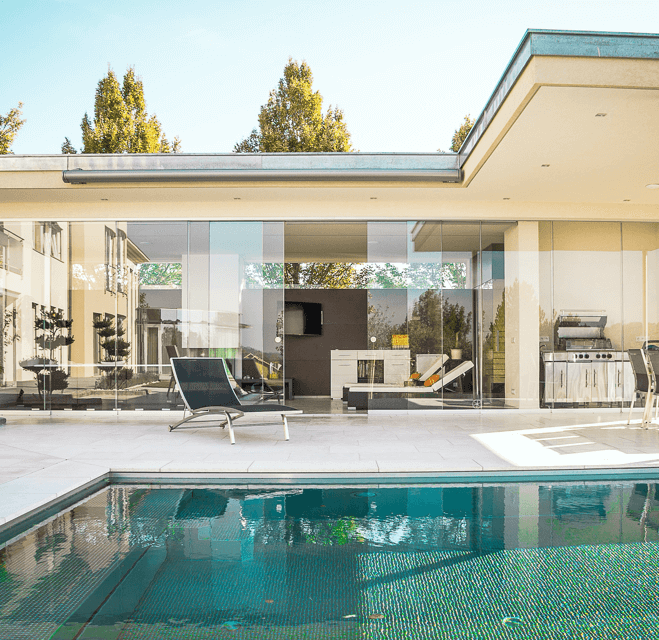
Resort properties blur indoor-outdoor boundaries intentionally and beautifully. Patios and terraces extend living spaces naturally. Residential outdoor areas deserve equal design consideration. These spaces expand homes significantly during good weather.
Quality outdoor furniture mirrors indoor comfort and style. Weather-resistant materials withstand elements while looking beautiful. Consistent design language unifies all spaces cohesively. Indoor-outdoor transition should feel seamless always.
Outdoor kitchens enable entertaining beyond indoor limitations. Grills and prep areas support alfresco dining naturally. These features increase property value alongside usability. Investment pays returns through enjoyment and equity.
Lighting extends outdoor usability into evening hours comfortably. String lights create magical ambiance after sunset. Landscape lighting highlights features while providing safety. Well-lit exteriors invite use beyond daylight hours.
Climate control options extend outdoor season lengths significantly. Heaters warm cool evenings pleasantly and effectively. Fans cool hot days while creating breezes. Technology enables outdoor comfort across weather conditions.
Conclusion: Bringing Hotel Luxury Home
Hospitality design principles transform ordinary homes into extraordinary sanctuaries. Every detail serves psychological purposes beyond mere function. The best Interior Designer in Janakpuri applies these principles expertly. Professional guidance ensures homes feel like five-star retreats.
Emotional experiences matter as much as physical comfort. Design shapes how we feel in our spaces. Investment in thoughtful design pays dividends in daily wellbeing. Your home should welcome like a luxury hotel.
Professional designers understand hospitality psychology intimately through training. They create environments that nurture and restore. This expertise transforms houses into true homes. The investment returns value in quality of life.