Interior Design Rules That No Longer Work
The world of interior design has transformed dramatically over the past decade. Many traditional rules that once governed how we decorated our homes and workplaces have become obsolete. Understanding which guidelines to break and which to keep is essential for creating spaces that feel contemporary and authentic.
The Evolution of Interior Design Thinking
Interior design has always been about creating beautiful, functional spaces. However, the rigid rules that dominated the industry for decades are no longer relevant. Today’s approach emphasizes personal expression over strict adherence to outdated principles. The Best Interior Designer in Delhi NCR understands this shift and helps clients navigate these changes effectively.
Design professionals now recognize that homes should reflect the people who live in them. Cookie-cutter approaches fail to capture individual personality and lifestyle needs. This evolution represents a fundamental change in how designers approach their craft.
The Myth of Matching Everything Perfectly
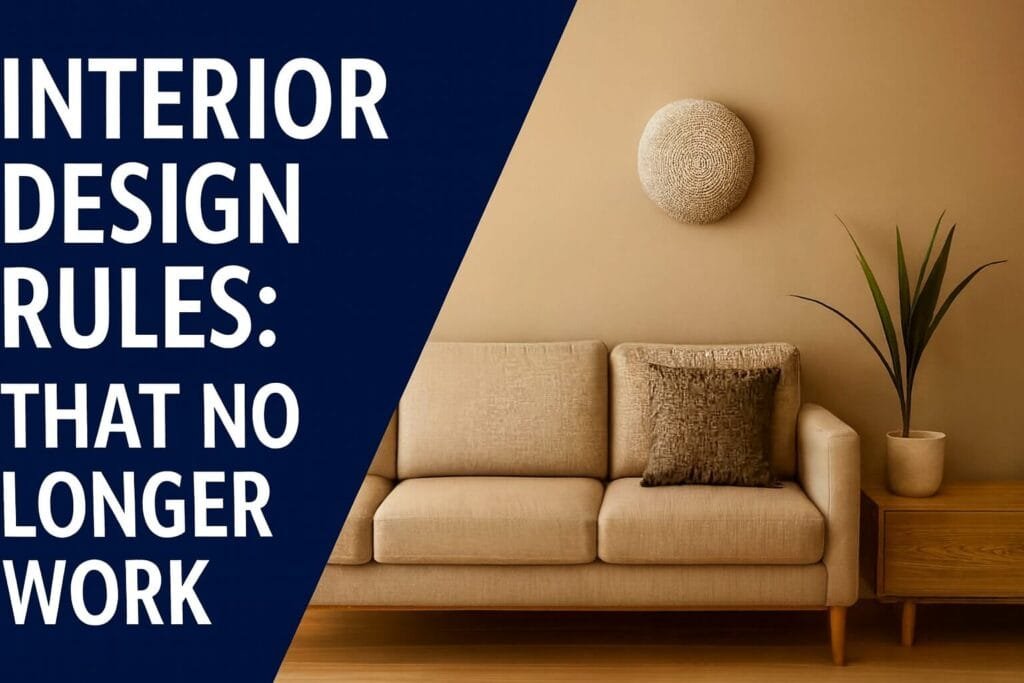
One of the most outdated rules suggests that everything in a room should match. This includes furniture sets, paint colors, and decorative accessories. The reality is that perfectly matched rooms often feel sterile and uninviting. They lack the character that makes a space feel like home.
Modern design celebrates mixing different styles, eras, and materials. A contemporary sofa can work beautifully with a vintage coffee table. Antique accessories can complement minimalist furnishings. The Best Interior Designer in Delhi knows how to blend contrasting elements to create cohesive, interesting spaces.
Breaking the Color Coordination Rules
Traditional design rules insisted on strict color coordination. Designers were told to select a color palette and stick to it rigidly. They avoided mixing warm and cool tones in the same space. These restrictions limited creativity and resulted in predictable interiors.
Today’s design philosophy embraces bold color choices and unexpected combinations. Jewel tones work alongside pastels. Neutrals get paired with vibrant accents. The key lies in understanding color balance rather than following rigid matching formulas.
Furniture Placement Freedom
Old rules dictated that furniture must be pushed against walls. This supposedly made rooms appear larger and more organized. Living rooms followed a specific formula with the sofa facing the television and chairs arranged symmetrically.
Contemporary design encourages floating furniture arrangements. Placing a sofa away from the wall creates intimate conversation areas. It also improves traffic flow in larger rooms. The Best Interior Designer in Janakpuri specializes in creating layouts that maximize both functionality and aesthetic appeal.
The End of Style Uniformity
Previous design principles suggested maintaining one consistent style throughout the home. A traditional home should be entirely traditional. A modern space should avoid any vintage elements. This approach created homes that felt more like museum displays than living spaces.
Today’s interiors successfully blend multiple design styles. Mid-century modern pieces coexist with industrial elements. Rustic accents enhance contemporary spaces. This eclectic approach creates depth and visual interest that single-style rooms cannot achieve.
Rethinking the Function of Every Room
Older design rules assigned specific functions to each room. Dining rooms were solely for eating. Home offices were separate, dedicated spaces. Bedrooms were only for sleeping. This rigid approach doesn’t align with how people actually live today.
Multi-functional spaces have become the norm. Dining areas serve as workspaces. Bedrooms incorporate reading nooks and exercise areas. Living rooms transform to accommodate various activities throughout the day. Professional designers now prioritize flexibility over traditional room designations.
Why Professional Guidance Matters More Than Ever
With so many rules being broken, knowing which changes work requires expertise. This is where consulting with the Best Interior Designer in Delhi NCR becomes invaluable. Professional designers understand the principles underlying both traditional and contemporary approaches.
They help clients avoid costly mistakes while experimenting with newer concepts. Their experience allows them to predict which combinations will work and which will fail. They balance personal preferences with practical considerations that amateur decorators often overlook.
The Truth About Scale and Proportion
Traditional wisdom suggested using small furniture in small rooms and large pieces in big spaces. While this makes intuitive sense, it’s not always the best approach. Sometimes, one oversized piece can make a small room feel more substantial and intentional.
The key is understanding visual weight distribution. A large sectional might work perfectly in a compact living room if balanced properly. Tiny furniture scattered throughout a spacious area can make it feel empty and disjointed. Expert designers evaluate each space individually rather than applying blanket rules.
Lighting Design Beyond Overhead Fixtures
Older homes relied heavily on single overhead light fixtures. Rooms typically had one central ceiling light supplemented by a table lamp or two. This approach created harsh shadows and uneven illumination.
Modern lighting design uses layered lighting techniques. Ambient, task, and accent lighting work together to create atmosphere and functionality. Dimmers allow for mood adjustment throughout the day. The Best Interior Designer in Delhi incorporates comprehensive lighting plans into every project.
Pattern Mixing in Contemporary Spaces
Traditional rules warned against mixing patterns in the same space. Designers were taught to use one patterned piece per room, paired with solid colors. This created safe but often boring interiors.
Today’s design celebrates pattern mixing when done thoughtfully. Stripes can coexist with florals. Geometric prints work alongside organic patterns. The secret lies in varying scale and maintaining a cohesive color story. Professional designers excel at creating these complex yet harmonious combinations.
The Flexibility of Open Floor Plans
Open floor plans became incredibly popular in recent years. They removed walls to create flowing spaces and better sightlines. However, completely open layouts aren’t perfect for everyone. Some people need defined spaces for concentration or privacy.
The newest trend involves creating zones within open areas. Room dividers, furniture arrangements, and strategic lighting define different areas without building walls. This provides flexibility while maintaining the benefits of open design. It represents a middle ground between traditional compartmentalized homes and completely open layouts.
Personalization Over Perfection
Perhaps the most important outdated rule is the pursuit of perfection. Traditional design aimed for magazine-worthy interiors that looked untouched by human presence. Homes became showcases rather than lived-in spaces.
Modern design embraces imperfection and personality. Collected items tell personal stories. Heirloom pieces mix with contemporary finds. Spaces evolve over time as residents’ needs and tastes change. This approach creates authenticity that staged perfection cannot match.
Technology Integration in Design
Older design rules didn’t account for our current technology needs. Homes had one television in a central location. Workspaces were separate from living areas. Charging stations didn’t exist in design plans.
Contemporary interiors must accommodate multiple devices and connectivity needs. Smart home systems require thoughtful integration. Cable management becomes a design consideration. The Best Interior Designer in Janakpuri creates spaces that seamlessly incorporate technology without compromising aesthetics.
Sustainable Design Considerations
Environmental consciousness has transformed interior design practices. The old approach focused solely on aesthetics and immediate cost. Sustainability wasn’t a primary consideration in material selection or long-term planning.
Today’s designers prioritize eco-friendly materials and energy efficiency. They source sustainable furnishings and recommend products with minimal environmental impact. This shift represents both ethical responsibility and practical long-term value. Green design is no longer a specialty niche but an industry standard.
The Reality of Budget Constraints
Traditional design advice suggested saving up for expensive, high-quality pieces. While investing in key items makes sense, this rule ignored the reality of budget constraints. It also didn’t account for how quickly tastes and needs can change.
Modern design embraces mixing investment pieces with affordable finds. High and low combinations create interesting, accessible interiors. Budget-friendly items allow for experimentation and regular updates. Professional designers help clients allocate resources effectively for maximum impact.
Cultural Influences and Global Inspiration
Older design rules often reflected Western aesthetics exclusively. They didn’t acknowledge the rich design traditions of other cultures. Homes followed predictable patterns based on limited references.
Contemporary design draws inspiration from global sources. Asian minimalism influences Western spaces. African textiles add vibrancy to neutral palettes. Middle Eastern patterns bring richness to modern interiors. The Best Interior Designer in Delhi NCR understands how to incorporate diverse cultural elements respectfully and beautifully.
The Importance of Negative Space
Traditional design filled every available surface and corner. Rooms contained as much furniture and decoration as possible. Empty space was viewed as wasted opportunity rather than intentional design.
Modern design values negative space as essential to visual rest. Unfilled areas allow the eye to focus on key elements. They create breathing room that prevents spaces from feeling cluttered. Strategic use of emptiness has become a hallmark of sophisticated design.
Custom Solutions Over Generic Rules
Perhaps the most important lesson is that generic rules cannot address individual circumstances. Every space has unique characteristics. Every client has specific needs and preferences. One-size-fits-all approaches inevitably fall short.
Working with the Best Interior Designer in Delhi means receiving solutions tailored to your specific situation. Professionals assess your lifestyle, budget, and goals before recommending approaches. They understand which principles to apply and which rules to break for optimal results.
Creating Timeless Spaces in Modern Ways
While many old rules no longer apply, the goal of creating beautiful, functional spaces remains constant. The difference lies in the methods and philosophies used to achieve this goal. Contemporary design offers more freedom, flexibility, and personalization than ever before.
Successful interiors balance current trends with timeless elements. They incorporate personal meaning while maintaining broad appeal. They function beautifully for daily life while looking visually stunning. Achieving this balance requires both expertise and creativity.
The Value of Professional Design Services
Navigating the changing landscape of interior design can be overwhelming. Knowing which rules to follow and which to discard requires experience and training. This is why partnering with the Best Interior Designer in Janakpuri makes such a significant difference.
Professional designers stay current with evolving trends and technologies. They understand architectural principles that transcend temporary fads. They bring technical knowledge about materials, construction, and spatial planning. Most importantly, they listen to clients and translate their vision into reality.
Conclusion: Embracing Design Freedom Responsibly
The breaking down of traditional interior design rules represents liberation rather than chaos. It allows for greater creativity, personalization, and authenticity in our living spaces. However, this freedom works best when guided by fundamental design principles and professional expertise.
Understanding which rules to break and how to do so effectively separates successful designs from failed experiments. The key lies in maintaining balance, proportion, and intentionality while allowing for personal expression and contemporary approaches.
For anyone embarking on a design project, consulting with experienced professionals provides invaluable guidance. The Best Interior Designer in Delhi NCR brings knowledge, creativity, and practical experience to every project. They help clients navigate the exciting possibilities of modern design while avoiding common pitfalls.
Your space should reflect who you are and how you live. It should function beautifully while expressing your unique personality. Breaking outdated rules in favor of approaches that truly work for you creates interiors that feel both current and timeless. With the right guidance, you can create spaces that enhance your daily life while standing up to the test of time.
For expert assistance in transforming your space using contemporary design approaches, visit https://rishabhinterior.com to discover how professional design services can bring your vision to life.