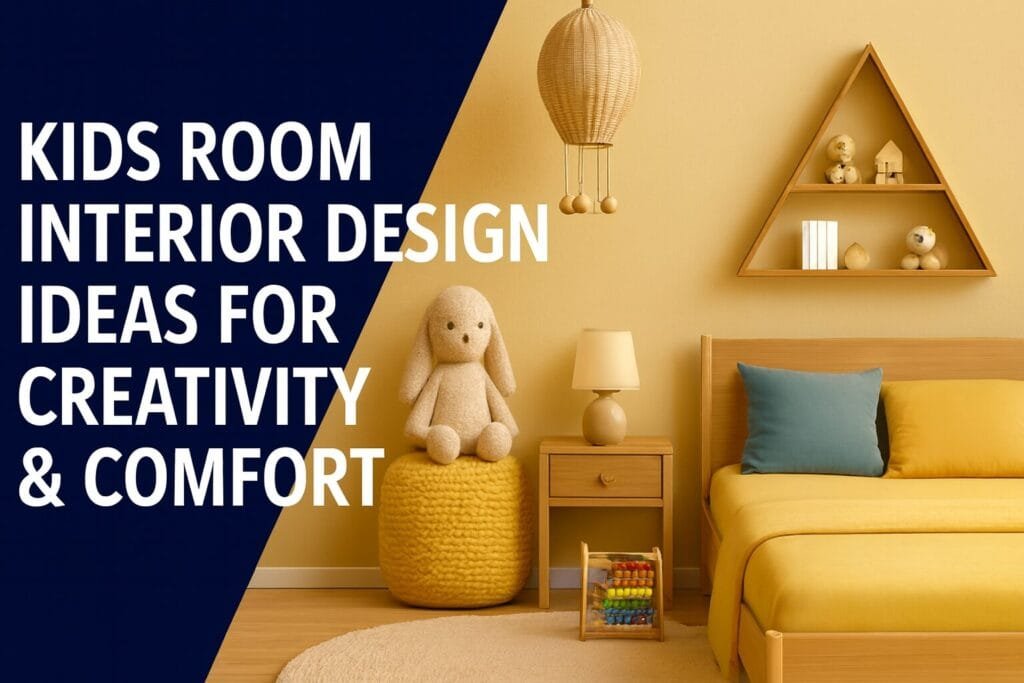
Kids Room Interior Design Ideas for Creativity & Comfort
Designing a child’s room requires much more than aesthetic appeal. The space should allow creativity to be cultivated within the child while providing comfort for healthy development. Parents in Delhi NCR are increasingly realizing that thoughtfully designed kids’ rooms have a great bearing on learning, imagination, and emotional wellbeing. This sets up a challenge: how to create environments that grow with children while balancing functionality with visual appeal.
Understanding the Importance of Thoughtful Kids Room Design
Children spend a lot of time in their bedrooms. The bedroom is a place to study, play, or retreat to oneself. A well-designed room supports multifunctions throughout the day. It encourages independent play, focused learning, and restful sleep.
The Best Interior Designer in Delhi NCR understands such multifaceted needs. Professional designers create rooms that stimulate young minds without overwhelming the senses. They balance vibrant colors with more ‘restrained’ elements so that rooms feel energetic at playtime and subdued when it’s time to go to bed.
Children’s developmental stages influence design requirements. Toddlers need safe, exploratory environments with accessible storage. School-age children require dedicated study areas and organized spaces for hobbies. Teenagers want individual personalized spaces reflecting evolving identities and interests.
Creating Flexible Spaces That Grow With Children
The best kids’ room designs adapt to changing needs over time. It is where investing in flexible furniture and neutral base elements reduces the need for complete renovations as children grow. This approach proves both practical and economical for Delhi families.
The modular furniture system allows for great versatility: From adjustable shelving that will hold everything from picture books to textbooks, beds with removable guardrails transition from toddler safety to teen independence, and desks with height adjustments serve children from early elementary to high school years.
Longevity can also be afforded through wall colors. Neutral base colors can allow personality to be expressed through accessories, which can easily be changed. Children can update their spaces with new bedding, artwork, and decorative items without needing to completely repaint. This approach empowers kids to personalize spaces while maintaining design coherence.
A Best Interior Designer in Delhi NCR specializes in designing these flexible environments. Professional expertise ensures the furniture choice and layout cater to future needs. This foresight helps you avoid pricey redesigns and maintains functionality during childhood phases.
Color Psychology in Children’s Spaces
Colors strongly relate to mood, energy, and cognitive performance. Knowing color psychology will help in designing rooms that support certain behaviors and emotional states. Strategic color choices enhance creativity and comfort in kids’ spaces.
Cool tones will create calmness and facilitate focus. Such colors work amazingly in study areas or for children who have problems with bedtime routines. Lighter blues create tranquil environments without feeling cold or sterile when balanced against warm accent colors.
Yellow inspires creativity and optimism. This happy hue activates play areas and craft corners. However, super-bright yellows can be over-stimulating. Muted and pastel yellows are energetic without being over-powering to young nervous systems.
Green associates children with nature and brings about balance. As a versatile color, it works in rooms- without causing overstimulation or sleepiness. Green is particularly the right choice for children who spend little time outdoors or are residing in cities.
These are the very basic principles that interior designers in Delhi NCR are always cognizant of. They mix colors suitably to create different zones within rooms for various activities. Thus, one finds blue colors being used in study areas to keep minds cool, while yellows or oranges dominate in playful corners.
Maximizing Storage Without Sacrificing Play Space
Most children’s rooms face the challenge of storage. The toys, books, clothes, and school supplies all add up incredibly fast. An effective storage solution to keep the place organized would be one that can maintain openness for playing and movement.
Built-in storage makes the most of vertical space without taking up floor area. Wall-mounted shelves keep books and collectibles at one’s fingertips, yet organized. Under-bed drawers utilize space that would otherwise go to waste for seasonal clothing or less frequently used toys.
Storage challenges are solved with creative multi-functional furniture. Ottomans hide blankets or stuffed animals inside their cushioned seats. Window seats with lift-up tops store games and puzzles. These solutions keep aesthetics clean and provide practical organization.
Open shelving invites children to keep things tidy. When storage feels accessible and not hidden, kids more willingly return items to home. Clear bins labeled with pictures help young children know where belongings go.
The Best Interior Designer in Delhi NCR designs custom storage solutions to fit the needs of the particular requirement. They first analyze a child’s toy collection, volumes of clothes, and hobby equipment a person utilizes; after which, they go ahead and design integrated storage systems. This is how customization allows everything to have a place.
Designing Spaces Dedicated to the Pursuit of Academic Excellence
Good learning environments contribute a great deal toward ensuring good academic performances. A well-set homework area with minimum distraction helps the kids in nurturing concentration and study habits. The areas don’t have to be big, but thoughtful designing is a must.
Natural lighting is very important in study areas. Near the window, desks reduce eyestrain and improve concentration. In areas where natural light is insufficient, multiple layers of artificial lighting offer adequate illumination for reading and writing tasks.
Ergonomically designed furniture promotes good posture that eases long study sessions. It has adjustable chairs that accommodate the body in growth and encourages correct spinal alignment. Appropriately heighted desks prevent neck and shoulder strain that discourages studying.
Systems for organization keep study materials accessible and neat. Desk organizers round up pens, pencils, and other small supplies. Filing systems teach organizational skills while preventing lost assignments. Bulletin boards display schedules, reminders, and achievements.
Professional interior designers will subtly integrate study areas into the room arrangement. They would locate desks to minimize distractions from play areas while allowing visual connection with the broader room. This helps children move smoothly between activities.
INCORPORATING CREATIVE ZONES FOR IMAGINATIVE PLAY
Creativity comes alive in an environment that is intuitively designed for exploration and expression. Specific creative zones invite children to make messes, try new things, and create art. These areas become sanctuaries for imagination and self-expression.
Art stations with easels and supply storage invite spontaneity in creativity. Easy-to-clean surfaces allow freedom without constant worry about damage. Display areas for finished artwork validate children’s efforts and build confidence in creative abilities.
Reading nooks are really cozy retreats for literary adventures. Comfortable seating, good lighting, and accessible book storage invite the kids to read. Adding cushions, blankets, and perhaps a small tent creates magical spaces that can make reading feel like a special thing.
Construction/building areas accommodate blocks, LEGO, and other building-type toys. Low tables supply work areas, while adjacent storage maintains building material organization. This area could help prevent a building project from dominating an entire room.
A Best Interior Designer in Delhi NCR understands how creative zones impact child development. They design these areas to feel special and inviting while maintaining practical functionality. The professional expertise will help ensure that creative spaces integrate in harmony into the overall room design.
Safety Considerations in Kids Room Design
Safety in design must underpin all decisions within children’s spaces. Beautiful rooms that compromise safety serve no one. Thoughtful designers will incorporate protective features without sacrificing aesthetic appeal or functionality.
Furniture anchoring prevents tip-over accidents. It helps to anchor heavy dressers, bookcases, and wardrobes to walls. Such caution becomes especially vital in homes with climbing toddlers or active children.
Soft edges provide injury protection during times of play. Rounded furniture corners eliminate sharp points that cause bumps and cuts in target areas. Edge guards protect further in areas where corners are unavoidable or furniture carries hard edges.
Window safety holds extra special attention. Cordless window treatments eliminate strangulation hazards. Window guards or stops prevent falls while continuing to offer ventilation options. These features provide added peace of mind without dramatically changing the aesthetics of a room.
Electrical safety includes covered outlets and secured cords. Hidden or elevated electrical outlets prevent curious fingers from exploring dangerous areas. Cord management systems keep electrical cords out of reach and sight.
Safety besides beauty is also a priority for every interior designer in Delhi NCR. They keep themselves updated on safety standards and inbuilt features in a non-obtrusive manner into the designs. Expertise assures rooms parents can trust and kids love.
Lighting Design for Different Activities and Moods
Lighting makes a big difference in both functionality and atmosphere in a room. Layered lighting approaches accommodate different activities and desired moods throughout the day. Proper illumination helps eye health and beautifies the room.
Ambient lighting provides illumination of a general nature. These lights afford the basic amount of illumination on the ceiling that allows safe navigation and basic activities. Dimmer switches enable evening wind-down routines by reducing brightness as bedtime approaches.
Task lighting puts illumination in needed areas for certain activities. Desk lamps provide adequate brightness for homework without shining lights into the whole room. Reading lights beside beds provide a means to read at bedtime without keeping sleeping siblings awake.
Ambiance lighting adds character and visual appeal. String lights create magical environments for imaginative play. Night-lights provide comfort and safety for nighttime bathroom visits. Color-changing LED strips allow children to adjust lighting to match moods or activities.
The maximization of natural light has positive impacts on health and mood. Light-control window treatments balance out the need for privacy with the need to access daylight. Sheer curtains provide daytime privacy, enabling bright, cheerful spaces.
The Best Interior Designer in Delhi NCR integrates a detailed lighting plan to accomplish all these needs. Professional designers pick lighting fixtures that not only complement the room’s aesthetics but also provide the right level of illumination. This all-inclusive approach leads to the right and versatile illumination of space.
Tailoring Spaces to Reflect Individual Personalities
Children develop closer relationships with spaces that reflect their passions and personalities. Personalization transforms generic rooms into treasured sanctuaries. The challenge will be to accommodate current passions while maintaining design flexibility.
Themed decorations allow the expression of personality without making a permanent commitment. Removable wall decals featuring favorite characters or interests transform walls for the time being. These decals peel off cleanly when tastes change, allowing easy updates without repainting.
The display systems show off collections and achievements. Floating shelves display favorite toys, trophies, or artwork. Rotation systems keep fresh displays while storing overflow items elsewhere. These displays validate children’s interests and accomplishments.
Personal touches give children ownership in design choices. From choosing the pattern on bedding to selecting the color of a throw pillow, even to deciding on artwork, children can feel ownership of their space. This becomes greater room appreciation and room care.
Accent walls of color provide bold personalization without overwhelming the spaces. Single walls in painted favorite colors make a statement, yet maintain overall design balance. The feature walls are also easier to repaint than entire rooms as preferences evolve.
Professional interior designers guide personalization processes expertly. They help children and parents balance current interests with long-term functionality. This guidance prevents design decisions that feel dated quickly or limit future adaptability.
Integrating Technology into Modern Kids Rooms Thoughtfully
Today’s children already live digital worlds. Room design must accommodate technology, but not be dominated by it. Thoughfully integrated, it supports learning and entertainment without promoting too much screen time.
Charging stations centralize device management. Designated areas for placing tablets, phones, and laptops keep technology organized and batteries charged. Placing these charging areas away from the bed discourages late-night use of devices that interferes with sleeping.
Cable management keeps the setting neat and serves a number of devices. Unsightly wires disappear into hidden conduits or charging drawers, often very important in rooms with gaming systems or computer setups.
Screen positioning considers functionality and health. Computer monitors should be positioned at eye level to avoid neck strains. Television viewing distances are done in ways that allow comfort when watching without causing fatigue to one’s eyes. These are some of the ergonomic considerations that support healthy use of technology.
Technology-free zones establish a balance in life. Designating areas for reading or other creative work as free from screens can stimulate different types of activities in them. Such a spatial division assists children in the task of self-regulation, regarding both technology use and multiple activities.
A Best Interior Designer in Delhi NCR integrates technology infrastructure while designing the initial structure. This foresight prevents awkward retrofitting and ensures seamless integration. Professional planning accommodates current technology needs while anticipating future development.
Sustainable and Healthy Material Choices
Indoor air quality in the home significantly affects the health of children. Selections of materials should be low-emitting and nontoxic. Sustainable choices are most beneficial for individual health and environmental wellbeing.
Low-VOC paints lessen the amount of harmful chemical fumes. These paints minimize odors and off-gassing that may cause respiratory issues or headaches. In most color ranges, there are many good low-VOC options.
Natural materials like wood and cotton prove safer than synthetic alternatives. Solid wood furniture avoids particle board adhesives that release formaldehyde. Natural fiber textiles reduce exposure to flame retardants and other chemical treatments.
Adequate ventilation removes the pollutants carried in the air and keeps the atmosphere fresh. Openable windows provide the natural way of ventilation. Air purifiers supplement it in high-pollution areas, commonly found throughout Delhi NCR.
Easy-clean surfaces facilitate hygiene without resorting to harsh chemicals. Washable wall paints allow for spot cleaning, whereas durable, wipeable flooring handles spills without harm. Such practical choices keep environments healthy with minimal use of chemicals.
More interior designers in Delhi NCR embrace the philosophy of healthy material selection. They source low-emission products and will specify natural materials wherever possible. This commitment to health is in line with growing parental awareness about indoor air quality.
Budget-Friendly Design Strategies for Delhi Families
Beautiful, functional kids’ rooms do not have to cost an arm and a leg. Strategic planning coupled with creative problem-solving creates incredible spaces at many different budget levels. Smart choices deliver maximum impact per rupee invested.
This allows costs to be phased over time. Projects can thus become manageable, starting with only the essential furniture, then gradually adding decorative elements. This also allows children to participate in ongoing personalization as they mature.
DIY projects keep costs down while bringing in that unique character. Hand-painted murals become custom focal points, while repurposed furniture gets a new lease on life with fresh paint or updated hardware. Often, these personal touches turn out to be the room’s highlights.
Quality investment pieces mixed with budget accessories balance durability with affordability. Spending more on beds and desks that last years makes sense; decorative items like bedding and artwork that would change more frequently can come from budget sources.
The local Delhi NCR artisans and manufacturers often give better value than imported furniture. Local businesses ensure less transportation cost besides having appropriate sizing for Indian homes. Custom work from local artisans usually has a lower price tag attached to it compared to mass-produced imported pieces.
The best interior designer in Delhi NCR helps the family to optimize the budget by making informed decisions. Professional designers know which elements to invest in and where savings are sensible. This, in turn, can avoid very costly mistakes and deliver superior value.
Working With Professional Interior Designers
Professional interior design services take those vague ideas and make them reality. They bring great insight, good connections within the industry, and creative solutions that DIYers simply can’t compete with. Understanding the design process will help families maximize such professional relationships.
Initial consultations establish the project scope and budget parameters. Designers assess existing spaces, discuss family lifestyles, and understand children’s needs and preferences. These conversations create the design foundations that will guide every subsequent decision.
Concept presentations include the visualization of proposed designs through drawing, mood boards, and material samples. Such presentations help the family to understand a designer’s vision and provide their own feedback in return before the implementation begins. Communication within this stage should be clear so that the designer’s intent and the expectation of the family align.
Project management oversees multiple vendors and tradespeople. Designers manage scheduling and quality control, problem-solving during implementation to ensure timely completion and a professional job.
Post-completion support addresses any issues and advises on space maintenance. Quality designers stand behind their work and assist clients in maximizing enjoyment of finished spaces. This ongoing relationship proves valuable as children grow and spaces need updating.
The service level that interior designers extend varies from one company to another in Delhi NCR, each matching different needs and budgets. Some provide full-service project management, while others consult only. Understanding available options helps the family in selecting the appropriate support level.
Current Trends in Delhi NCR Kids Room Design
Design trends are changing day in and day out, and with it changes in lifestyles and aesthetical sense. The current Delhi NCR trends reflect a judicious blend between global influences and local sensibilities. Understanding these trends helps to build contemporary spaces that won’t get outdated quickly.
Minimalist approaches attract the attention of families from Delhi; clean lines, uncluttered spaces, and thoughtfully using storage create calm environments. This aesthetic particularly appeals to parents seeking peaceful sanctuaries amid busy urban lifestyles.
Nature-inspired designs bring the outdoors in. Botanical prints featuring natural wood tones and green color palettes help to create a sense of cohesion with nature. These elements prove especially valuable in high-rise apartments with limited outdoor access.
Designs that are neutral avoid pink-and-blue stereotypes. Sophisticated color palettes and versatile themes accommodate all children regardless of gender. This approach also simplifies design for shared sibling rooms.
Sustainable design features positively reflect the growing environmental consciousness. Recycled materials, energy-efficient lighting, and durably-made furniture appeal to eco-aware families. These choices teach children about environmental stewardship through daily example.
Smart home integration provides ease and efficiency. The voice-controlled lighting, automated window treatments, and temperature controls create modern spaces with comfort. Of course, these technologies are more attractive for tech-savvy families in Delhi.
The Best Interior Designer in Delhi NCR keeps up to date with the trends, which are fast changing, but retains timelessness in design principles. Professional designers sift through what will be lasting movements and what’s a passing fad. This discerning taste creates rooms that feel current without becoming rapidly outdated.
Creating Shared Spaces for Multiple Children
Many families in Delhi have to adjust two or more children in one room. Shared rooms have their own design challenges and require creativity and planning. The balancing act between individual needs and collective functionality is pulled off well in successful shared rooms.
Bunk beds maximize floor space while providing separate sleeping areas. Modern bunk designs go further than the traditional basic functionality, with many newer designs including built-in storage or study areas that further optimize space usage.
Visual dividers create personal territories in the jointly used rooms. Room dividers with bookcases provide separation yet keep rooms open. Curtains provide flexible privacy that children can open or close depending on current needs.
Individual storage reduces territorial disputes. Designated drawers, shelves, and segments of closets give each child their personal area for things they store in the room. Color-coding storage helps younger children recognize their allocated areas.
Space for shared activities helps strengthen sibling bonding. Common areas of play or reading make them interact and cooperate. Such shared zones balance personal territories with collective values of the family. Decorating challenges in shared rooms require compromise and creativity. Each child can put his preference in bedding or wall art to show individuality. Thus, most of the time, neutral bottom design with personalized accents works best in a multi-child space. Professional interior designers specialized in balancing shared rooms, handle competing preferences and fluctuating age needs with diplomatic creativity. This skill is of utmost importance to families who are struggling to balance the dynamics between their shared spaces. Long-Term Value of Professional Kids Room Design Investing in professional interior design pays dividends that exceed simple aesthetics. Well-designed children’s rooms support development and promote positive behaviors while maintaining functionality through changing needs-a justification for investment in design. Good space planning maximizes room utility throughout childhood. Rooms that can accommodate more than one activity help the child avoid feelings of crowding and confinement. Such functionality encourages room use and minimizes conflicts over space within the household. Quality design decisions lower long-term expenses. Durable materials will better survive childhood wear and tear than cheap alternatives. Flexible layouts reduce the need for renovations as children grow. Such practical considerations return financial value over time. Increased property value is a direct result of professional children’s area designs. Appropriately completed kids’ rooms attract buyers when families eventually move out. Quality design within homes, including children’s areas, contributes to overall property marketability. Thoughtful design provides invaluable developmental support. Spaces promoting learning, creativity, and independence make critical differences in the development of a child in quantifiable ways. These effects actually extend well beyond childhood into lifelong habits and capabilities. Working with the **Best Interior Designer in Delhi NCR** will ensure that one gets the best possible results from investments in design. Professional expertise prevents expensive mistakes and ensures full functionality, coupled with aesthetic appeal. This partnership in building spaces serves families well during a child’s formative years by bringing value way beyond initial costs.