Meditation & Mindfulness Room Interior Design
Create Your Personal Sanctuary for Peace and Wellness
Modern life moves at an overwhelming pace. Stress accumulates throughout demanding workdays. Your home should offer respite from this constant pressure. A dedicated meditation and mindfulness room provides exactly that sanctuary. Working with the Best Interior Designer in Delhi NCR helps you create spaces that nurture mental wellness and spiritual growth.
Meditation rooms serve multiple wellness purposes. They offer quiet spaces for daily practice. They provide retreats during stressful moments. They create environments that signal your mind to relax and center. These dedicated spaces make mindfulness practices more consistent and effective.
Delhi NCR residents face particular challenges finding peaceful moments. Traffic noise penetrates homes constantly. High-density living means neighbor sounds intrude regularly. Creating internal sanctuaries becomes essential for maintaining mental health. The Best Interior Designer in Janakpuri understands these local challenges and designs solutions that work.
Understanding the Purpose of Mindfulness Spaces
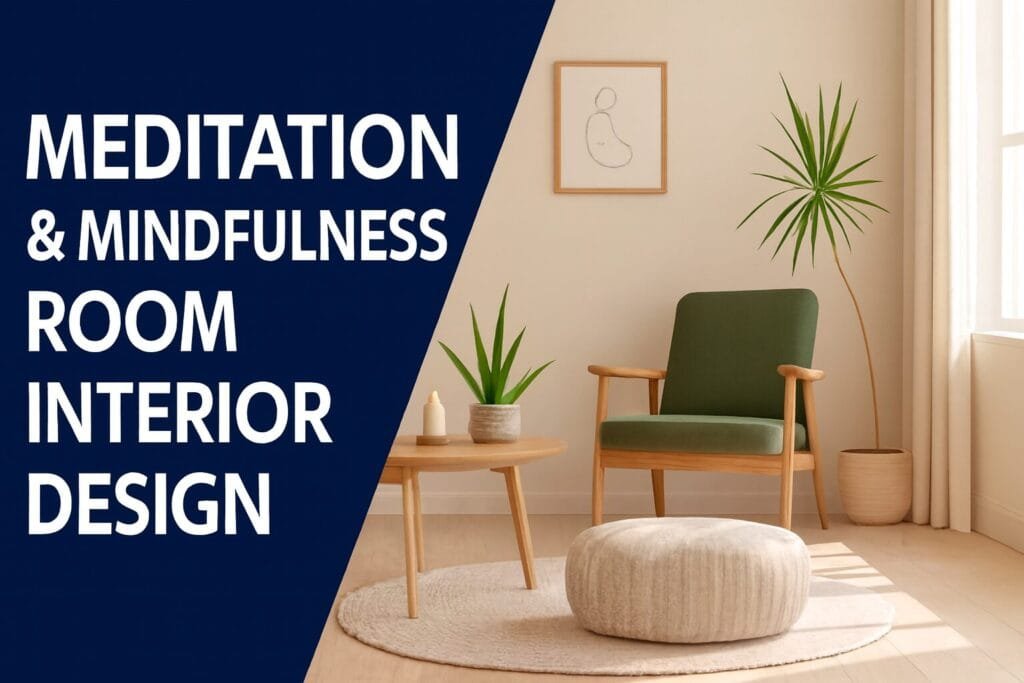
Meditation rooms differ from typical living areas significantly. They prioritize sensory calm over visual stimulation. They emphasize simplicity rather than decoration. They create environments conducive to inward focus rather than external entertainment. Understanding these distinctions guides effective design decisions.
Personal practice styles influence design requirements. Some people meditate sitting on floor cushions. Others prefer chairs or benches for physical comfort. Yoga practitioners need open floor space. Guided meditation users require device charging stations. The Best Interior Designer Near me asks detailed questions about your specific practices before designing spaces.
Multi-purpose mindfulness rooms serve several wellness activities. They accommodate meditation, yoga, and breathwork practices. They provide spaces for journaling or quiet reading. They offer retreats for stress relief or emotional processing. Flexible design allows these various uses within single spaces.
Location Selection Within Your Home
Corner spaces work particularly well for meditation rooms. They feel naturally enclosed and protected. Two walls provide inherent boundaries that enhance the sanctuary feeling. Corner locations also minimize foot traffic disruptions. This positioning creates psychological safety essential for deep practice.
Spaces with natural light offer significant advantages. Morning sun provides energizing illumination for beginning-day practices. Soft afternoon light creates warm, welcoming ambiance. Connection to natural light cycles supports circadian rhythm regulation. Windows also provide views of sky or greenery that enhance meditation experiences.
Quiet locations away from household activity prove essential. Avoid areas adjacent to kitchens or entertainment rooms. Distance from street-facing walls reduces traffic noise intrusion. Upper floors often provide better sound isolation than ground levels. The Best Interior Designer in Delhi NCR evaluates your home’s layout to identify optimal locations.
Color Psychology for Meditation Spaces
Neutral tones create calm, non-stimulating environments. Soft whites, warm beiges, and gentle grays work beautifully. These colors don’t demand attention or trigger emotional responses. They allow your mind to settle rather than process visual information. Neutral palettes serve as peaceful backdrops for practice.
Earth tones connect meditation spaces with nature. Soft browns, muted greens, and warm terracotta bring organic energy indoors. These colors feel grounding and stable. They create subtle warmth without overwhelming brightness. Earth tones particularly suit meditation practices focused on body awareness and grounding.
Cool blues promote mental clarity and calm. Pale blues suggest sky and water elements. They create spacious, airy feelings in smaller rooms. Blues naturally lower blood pressure and heart rate. These physiological effects support meditation’s relaxation goals. The Best Interior Designer in Janakpuri selects color temperatures that align with your practice intentions.
Flooring Choices for Comfort and Acoustics
Natural wood flooring provides warm, organic foundations. Bamboo or cork options offer sustainability benefits. Wood’s natural texture feels pleasant during barefoot practices. These materials also provide some acoustic absorption. Their maintenance simplicity suits meditation spaces well.
Tatami mats create authentic zen meditation environments. Traditional woven rush mats offer firm yet comfortable surfaces. Modern tatami alternatives provide easier care. These mats define dedicated practice areas clearly. Their cultural associations enhance mindfulness atmosphere.
Area rugs add softness and sound absorption. Natural fiber rugs in jute or wool feel pleasant underfoot. They reduce echo in rooms with hard surfaces. Rugs also define meditation zones within larger multipurpose spaces. Choose low-pile options that remain stable during movement practices.
Lighting Design for Mindfulness Practice
Layered lighting provides flexibility for different practices. Ambient lighting creates overall gentle illumination. Task lighting supports reading or journaling activities. Accent lighting highlights meaningful objects or artwork. This variety allows adjustment based on practice needs and time of day.
Dimmable fixtures offer essential control. Morning meditation might require brighter light. Evening practices benefit from dimmer, warmer tones. Gradual dimming helps transition from active to meditative states. Smart lighting systems provide convenient adjustment. The Best Interior Designer Near me specifies appropriate dimming technologies.
Natural light maximization requires thoughtful window treatment. Sheer curtains filter harsh direct sun while maintaining connection to outdoors. Cellular shades provide light control and sound absorption. Top-down bottom-up configurations offer privacy while admitting upper window light. These solutions balance openness with necessary privacy.
Selecting Meditation Seating Options
Floor cushions suit traditional meditation postures. Zafu cushions elevate hips for proper spinal alignment. Zabuton mats cushion knees and ankles. These traditional options work well for practitioners comfortable sitting cross-legged. Quality cushions use buckwheat hulls or kapok for firm support.
Meditation benches provide alternative seating for knee issues. These low benches allow kneeling positions without ankle pressure. They fold for easy storage when not in use. Wooden benches blend naturally with mindful aesthetics. Padded tops add comfort for extended practice sessions.
Supportive chairs accommodate physical limitations. High-quality meditation chairs provide back support while encouraging upright posture. Zero-gravity recliners suit body scan or relaxation practices. The Best Interior Designer in Delhi NCR sources ergonomic seating that supports rather than distracts from practice.
Wall Treatments and Visual Simplicity
Minimal wall decoration prevents visual distraction. Empty walls allow eyes to rest softly. This simplicity reduces mental stimulation during practice. If decoration feels necessary, one carefully chosen piece suffices. Quality matters more than quantity in mindfulness spaces.
Textured walls add subtle interest without busyness. Natural plaster finishes provide organic variation. Grass cloth wallcoverings introduce gentle texture. These treatments create visual interest that doesn’t demand focused attention. They feel sophisticated while maintaining necessary calm.
Acoustic wall panels improve sound quality discreetly. Modern fabric-wrapped panels look like intentional design elements. They absorb echo and external noise intrusion. Strategic panel placement significantly enhances acoustic comfort. The Best Interior Designer in Janakpuri integrates these functional elements seamlessly.
Creating Altar or Focal Point Spaces
Simple shelving provides display space for meaningful objects. Floating shelves maintain clean lines and minimize visual weight. Natural wood or simple white finishes blend with mindful aesthetics. These platforms hold candles, crystals, plants, or spiritual objects personal to your practice.
Built-in niches create intentional focal points. Recessed alcoves frame objects beautifully. Internal lighting highlights displayed items. These architectural features feel permanent and considered. They elevate everyday objects into sacred display worthy of contemplation.
Minimal styling maintains focus on practice rather than decoration. Choose few objects with deep personal meaning. Rotate items seasonally to maintain fresh energy. Quality craftsmanship matters more than quantity of objects. Each item should genuinely support your practice rather than merely decorate.
Natural Elements and Biophilic Design
Indoor plants purify air while connecting spaces with nature. Low-maintenance varieties suit meditation rooms best. Snake plants and pothos thrive with minimal attention. Their organic forms and gentle movement create living energy. Plants also improve air quality during breathing practices.
Natural materials throughout the space enhance connection to nature. Wood furniture, stone accents, and natural fiber textiles create organic ambiance. These materials age beautifully and feel authentic. Their imperfections align with wabi-sabi philosophy embracing natural beauty. The Best Interior Designer Near me sources sustainable natural materials.
Water features add soothing auditory elements. Small fountains provide gentle trickling sounds. These mask external noise while creating peaceful soundscapes. The sound of water naturally calms nervous systems. Fountains also add humidity to dry indoor environments.
Aromatherapy Integration
Essential oil diffusers create olfactory anchors for practice. Specific scents signal your mind to shift into meditative states. Lavender promotes relaxation and sleep. Frankincense enhances spiritual connection. Peppermint increases mental clarity. Consistent scent use builds powerful practice associations.
Natural incense offers traditional aromatherapy options. Japanese incense provides subtle, sophisticated fragrances. Stick or cone formats suit different preferences. Dedicated incense holders become beautiful functional objects. Their smoke’s visual quality adds another meditative focus element.
Ventilation considerations ensure fresh air circulation. Proper airflow prevents stuffiness during extended practices. Windows that open provide natural ventilation. Air purifiers with quiet operation maintain air quality. Fresh air supports alertness and comfortable breathing. The Best Interior Designer in Delhi NCR designs ventilation that operates silently.
Sound Management and Acoustic Design
Soundproofing reduces external noise intrusion. Acoustic insulation in walls blocks neighbor and street sounds. Door seals prevent hallway noise penetration. These investments significantly enhance meditation depth. External sounds become less disruptive to concentrated practice.
Sound masking systems generate ambient noise covering disruptions. White noise or nature sounds create consistent auditory environments. These systems prevent sudden sounds from breaking concentration. Volume adjustment allows customization to personal preferences. Technology integration supports rather than dominates spaces.
Strategic room placement minimizes noise naturally. Interior rooms away from exterior walls experience less street noise. Spaces distant from mechanical systems avoid HVAC sounds. Upper floors reduce ground-level activity noise. The Best Interior Designer in Janakpuri analyzes noise patterns throughout your home.
Storage Solutions for Practice Tools
Hidden storage maintains visual simplicity. Built-in cabinets conceal meditation cushions when not in use. Under-bench storage holds yoga mats and props. Concealed storage prevents clutter while keeping items accessible. This balance supports both aesthetics and functionality.
Open storage for frequently used items maintains convenience. Simple shelving holds meditation timer, journal, and books. Hooks mount on walls for hanging items like meditation shawls. These visible storage solutions look intentional when thoughtfully organized. They support practice consistency by removing access barriers.
Multi-functional furniture provides storage within seating. Meditation benches with internal storage hold cushions or blankets. Ottoman storage holds practice props. This space efficiency proves especially valuable in smaller rooms. The Best Interior Designer Near me designs furniture serving multiple purposes elegantly.
Technology Integration for Modern Practice
Concealed charging stations support guided meditation device use. Built-in USB ports eliminate visible cords. Wireless charging pads integrate into furniture surfaces. These conveniences accommodate technology while maintaining clean aesthetics. Modern practice often involves apps and digital content.
Sound systems for guided meditations require careful integration. Bluetooth speakers provide wireless connectivity. In-ceiling speakers offer invisible solutions. Quality audio enhances recorded meditation experiences. Volume control accessibility proves important for convenient adjustment during practice.
Smart home integration automates environment control. Voice commands adjust lighting without breaking meditation focus. Automated temperature regulation maintains comfort. Scheduled lighting changes support morning and evening practice routines. The Best Interior Designer in Delhi NCR implements technology that enhances rather than distracts.
Climate Control for Year-Round Comfort
Temperature regulation proves essential for comfortable practice. Cool rooms make sitting still uncomfortable. Overheated spaces cause drowsiness. Maintaining consistent comfortable temperature supports focus on practice rather than physical discomfort. Individual HVAC zones provide precise control.
Humidity management affects breathing comfort significantly. Dry air irritates respiratory passages during breathwork. Excessive humidity feels heavy and uncomfortable. Humidifiers or dehumidifiers maintain optimal moisture levels. This attention to air quality enhances practice quality.
Natural ventilation provides fresh air without mechanical noise. Operable windows offer control when outdoor temperatures permit. Cross-ventilation moves air effectively through spaces. Fresh air improves alertness and breathing practice quality. The Best Interior Designer in Janakpuri designs natural ventilation strategies.
Cultural and Spiritual Considerations
Personal spiritual traditions inform design appropriately. Buddhist-inspired spaces might include simple altars. Hindu practices may require specific deity representations. Secular mindfulness spaces emphasize nature over religious symbols. Your designer respects your spiritual orientation while creating beautiful spaces.
Cultural authenticity matters when borrowing design elements. Research meanings behind symbols and arrangements. Respectful incorporation honors traditions rather than appropriating them superficially. Consultation with cultural experts prevents unintentional disrespect. The Best Interior Designer Near me approaches cultural elements with appropriate sensitivity.
Contemporary interpretations blend tradition with modern life. Traditional elements adapt to current aesthetics and functions. Ancient wisdom meets contemporary design sensibilities. This fusion creates spaces that honor heritage while feeling relevant. Your meditation room reflects both timeless wisdom and current lifestyle.
Budget-Friendly Meditation Room Solutions
Repurposing existing spaces eliminates construction costs. Convert spare bedrooms or large closets into meditation rooms. Minimal renovation required keeps expenses manageable. Strategic furniture arrangement defines spaces without walls. This approach makes meditation rooms accessible on modest budgets.
DIY elements reduce costs while adding personal meaning. Paint walls yourself in calming colors. Sew floor cushions from beautiful fabrics. Create simple altars from found objects. This hands-on involvement deepens connection to your space. Personal effort makes rooms more meaningful than expensive purchases.
Gradual development spreads costs over time. Start with essential elements like seating and lighting. Add refinements as budget allows. This phased approach makes dream meditation rooms achievable. The Best Interior Designer in Delhi NCR creates implementation plans respecting budget realities.
Small Space Meditation Solutions
Corners transform into meditation nooks efficiently. A cushion, small shelf, and lamp create complete practice spaces. Corners feel naturally bounded and protected. This minimal footprint works even in studio apartments. Small dedicated spaces prove more effective than undefined multipurpose areas.
Portable meditation kits allow practice anywhere. Beautiful baskets hold cushions, candles, and small objects. These kits deploy quickly in any quiet space. They store neatly when not in use. This flexibility suits renters or those without dedicated rooms.
Vertical design maximizes limited floor space. Wall-mounted shelves and hooks keep floors clear. Tall narrow storage utilizes vertical dimensions. This approach creates functional spaces within compact footprints. The Best Interior Designer in Janakpuri specializes in small-space solutions common in Delhi NCR.
Maintaining Your Meditation Space
Regular cleaning maintains sacred space energy. Dust surfaces weekly to maintain freshness. Wash cushion covers monthly. This physical maintenance parallels mental clarity cultivation. Clean spaces support clear minds during practice.
Seasonal refreshing prevents staleness. Rotate displayed objects quarterly. Change cushion covers seasonally. Introduce new scents periodically. These updates maintain engagement with your space. Freshness encourages consistent practice commitment.
Energy clearing rituals mark space transitions. Burning sage or palo santo refreshes room energy. Opening windows circulates fresh air. These intentional actions reinforce your space’s special purpose. The Best Interior Designer Near me can suggest culturally appropriate clearing practices.
Professional Design Investment Benefits
Expert space planning maximizes limited square footage. Designers see possibilities invisible to untrained eyes. They create functional beauty within challenging dimensions. Professional expertise prevents costly mistakes. Their experience accelerates achieving your vision.
Access to trade resources expands material options. Designers source specialized products unavailable retail. They know which products deliver promised performance. This knowledge prevents wasted investment in disappointing purchases. Trade relationships also provide better pricing.
Holistic design integration ensures cohesive results. All elements work together harmoniously. Colors, materials, lighting, and furnishings coordinate beautifully. This professional orchestration creates spaces greater than their individual parts. The Best Interior Designer in Delhi NCR delivers this comprehensive expertise.
Health and Wellness Benefits
Dedicated practice spaces increase meditation consistency. Having a ready space removes practice barriers. You’re more likely to meditate when your space welcomes you. Consistency builds transformative long-term habits. Your space becomes partner in wellness journey.
Stress reduction affects overall health significantly. Regular meditation lowers blood pressure. It improves sleep quality. It reduces anxiety and depression symptoms. Your meditation room investment supports comprehensive health improvement. Physical space enables mental health transformation.
Enhanced focus benefits extend beyond meditation. Regular practice improves concentration at work. It increases emotional regulation capacity. It enhances relationship communication quality. The Best Interior Designer in Janakpuri helps create spaces supporting these life-improving outcomes.
Future-Proofing Your Meditation Space
Flexible design accommodates evolving practices. Your meditation style may change over years. Room design should adapt to these shifts. Movable furniture allows easy reconfiguration. This flexibility protects your initial investment.
Quality materials ensure lasting beauty and function. Well-built furniture survives decades of use. Natural materials age gracefully. These choices mean your space remains beautiful as you grow. Initial quality investment proves economical long-term.
Universal design principles serve changing physical needs. Today’s floor sitting might become tomorrow’s chair meditation. Spaces designed with future mobility in mind remain useful throughout life stages. The Best Interior Designer Near me considers your long-term needs.
Conclusion: Investing in Inner Peace
Creating meditation rooms represents profound self-care commitment. These spaces honor your mental health and spiritual growth. They demonstrate that your wellness deserves dedicated space and attention. This investment pays dividends throughout your life.
Professional design guidance ensures optimal results. Expert assistance helps avoid common mistakes. Designers create spaces that truly serve meditation practice. Their expertise transforms visions into reality. Working with the Best Interior Designer in Delhi NCR maximizes your meditation room investment.
Your peaceful sanctuary awaits creation. Whether converting existing space or building new, possibilities exist at every budget level. Begin your meditation room journey today. Transform your home and transform your life through dedicated mindfulness space. Contact the Best Interior Designer in Janakpuri or search for the Best Interior Designer Near me to start creating your personal wellness sanctuary.