Most Searched Interior Designers' Tricks in 2026
Interior design evolves rapidly with changing lifestyles and technological advances. The year 2026 brings fresh perspectives on creating beautiful, functional living spaces. Homeowners across Delhi NCR increasingly seek professional guidance to transform their houses into dream homes. Understanding the latest design tricks helps you make informed decisions when planning your next renovation or new construction project.
The Rising Demand for Professional Interior Design
Delhi’s real estate market continues expanding with new residential projects launching regularly. Apartment sizes vary widely, from compact studios to sprawling penthouses. Each space presents unique design challenges requiring expert solutions. Professional interior designers bring creativity and technical knowledge that transforms ordinary rooms into extraordinary experiences.
The Best Interior Designer in Delhi NCR understands local preferences while incorporating global trends. They balance traditional Indian aesthetics with contemporary minimalism. This fusion creates spaces that feel both familiar and fresh.
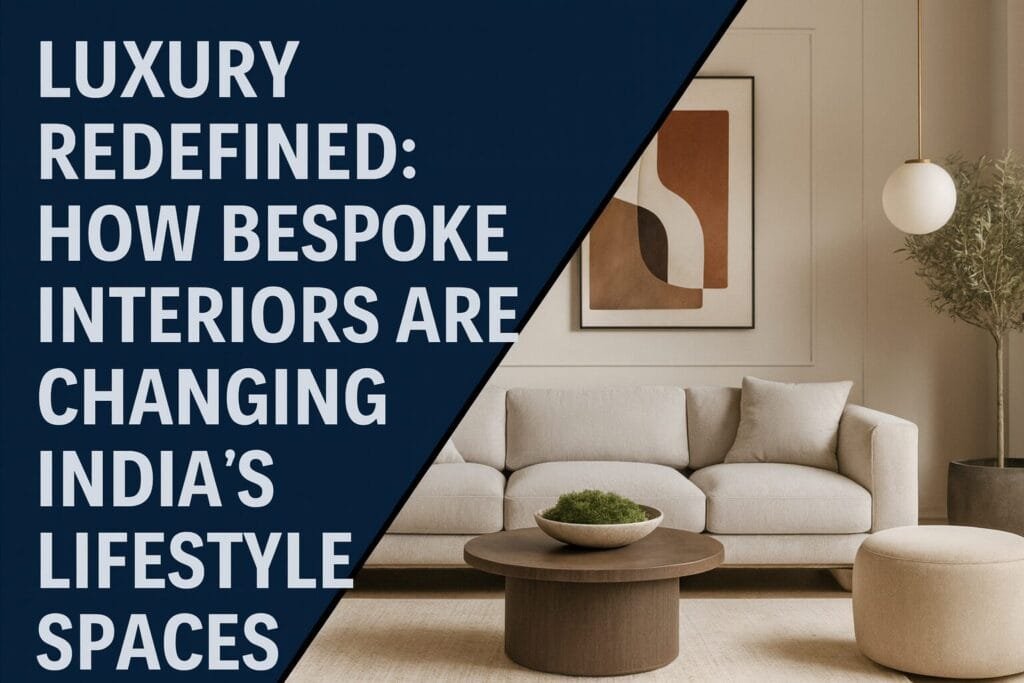
Clients appreciate designs that honor cultural roots while embracing modern convenience.
Rishabh Interior exemplifies this balanced approach through their diverse portfolio. Their projects showcase versatility across residential, commercial, and hospitality spaces. The firm’s commitment to quality craftsmanship and client satisfaction sets industry standards.
Multifunctional Spaces Dominate 2026 Design
Space optimization remains crucial, especially in urban apartments. Modern homes require rooms that serve multiple purposes seamlessly. Designers create living rooms that transform into guest bedrooms. Dining areas double as home offices. Kitchens incorporate breakfast nooks and study corners.
This multifunctionality requires clever planning and innovative furniture solutions. Murphy beds fold into walls, revealing spacious living areas during daytime. Dining tables extend or retract based on guest numbers. Storage ottomans provide seating while hiding household items.
The Best Interior Designer in Delhi implements these solutions with aesthetic finesse. Multifunctional elements blend invisibly into overall design schemes. Visitors cannot detect the hidden versatility until homeowners demonstrate transformation capabilities.
Smart Home Integration Becomes Standard
Technology integration defines contemporary interior design. Smart lighting systems adjust brightness and color temperature throughout the day. Automated blinds respond to sunlight intensity. Climate control systems maintain optimal temperatures in different zones.
Voice-activated controls eliminate wall switches, creating cleaner surfaces. Hidden speakers deliver immersive audio without visible equipment. Charging stations integrate into furniture, keeping devices powered without visible cables.
Designers must understand electrical requirements and network infrastructure. They coordinate with technology specialists during planning phases. This collaboration ensures seamless integration without compromising aesthetic vision.
Sustainable Materials Gain Prominence
Environmental consciousness influences material selection significantly. Homeowners prefer sustainable options that reduce ecological footprints. Bamboo flooring replaces traditional hardwoods. Recycled metal fixtures add industrial charm. Reclaimed wood creates accent walls with character and history.
Low-VOC paints improve indoor air quality. Natural fiber textiles reduce synthetic material dependence. Energy-efficient appliances lower utility costs while protecting the environment.
The Best Interior Designer in Janakpuri sources eco-friendly materials from reliable suppliers. They educate clients about sustainability benefits beyond environmental impact. Durable materials reduce replacement frequency, saving money long-term.
Biophilic Design Connects Homes with Nature
Bringing nature indoors improves mental well-being and air quality. Biophilic design incorporates natural elements throughout living spaces. Indoor plants purify air while adding vibrant green accents. Living walls create stunning focal points in lobbies and living rooms.
Natural light maximization remains paramount. Large windows, skylights, and glass doors flood interiors with sunshine. This reduces artificial lighting needs and creates healthier environments.
Water features add tranquil soundscapes. Tabletop fountains or wall-mounted cascades introduce calming water sounds. Natural materials like stone, wood, and clay reinforce connections with nature.
Color Psychology Drives Palette Selection
Color choices profoundly affect mood and perception. Designers leverage color psychology to create desired atmospheres. Bedrooms use calming blues and greens promoting relaxation. Home offices incorporate energizing yellows and oranges enhancing focus.
Neutral bases with bold accents remain popular. Beige, gray, and white walls provide versatile backgrounds. Colorful furniture, artwork, and accessories add personality without overwhelming spaces.
Accent walls create visual interest without complete room repainting. Deep jewel tones like emerald and sapphire add luxury. Earthy terracottas and ochres bring warmth.
Textural Layering Adds Depth and Interest
Mixing textures creates visual richness that flat surfaces cannot achieve. Smooth leather sofas pair with nubby wool throws. Glossy ceramic vases contrast with matte concrete planters. Velvet cushions complement linen curtains.
Wall treatments extend beyond paint. Textured wallpapers, wood paneling, and decorative plaster create tactile interest. These elements add dimension that photographs struggle to capture fully.
Floor treatments also embrace variety. Area rugs define zones within open-plan layouts. Different flooring materials delineate functional areas naturally.
Statement Lighting Serves Dual Purposes
Lighting functions as both utility and art. Sculptural chandeliers become room centerpieces. Pendant lights add personality over dining tables and kitchen islands. Floor lamps contribute ambient lighting while serving as decorative elements.
Layered lighting schemes provide flexibility. Ambient lighting ensures overall visibility. Task lighting illuminates specific work areas. Accent lighting highlights artwork and architectural features.
Dimmer switches allow mood adjustment throughout the day. Bright settings energize morning routines. Softer evening lighting promotes relaxation.
Rishabh Interior designs comprehensive lighting plans considering natural light patterns. They position fixtures strategically to eliminate shadows while creating ambiance.
Open-Plan Living Requires Thoughtful Zoning
Open layouts remain popular but require careful spatial organization. Designers create distinct zones without physical walls. Furniture arrangement defines different functional areas. Area rugs anchor seating groups. Bookcases serve as visual dividers.
Consistent flooring throughout maintains spatial flow. Color schemes unify different zones while allowing subtle variations. This creates cohesion without monotony.
Ceiling treatments also define zones. Coffered ceilings over dining areas distinguish them from adjacent living spaces. Varied ceiling heights add architectural interest.
Kitchen Design Prioritizes Functionality and Style
Kitchens serve as family gathering spaces beyond mere cooking areas. Designers create layouts that facilitate conversation while preparing meals. Islands provide additional workspace and casual dining options.
Storage solutions maximize every inch. Pull-out pantries utilize narrow gaps. Corner cabinets feature rotating carousels. Vertical dividers organize baking sheets and cutting boards.
Appliance garages hide small electronics, maintaining clean countertops. Integrated appliances blend seamlessly with cabinetry. This creates streamlined aesthetics without sacrificing functionality.
The Best Interior Designer in Delhi NCR selects durable materials for high-traffic kitchens. Quartz countertops resist staining and scratching. Porcelain tiles handle moisture and cleaning chemicals.
Bathroom Transformations Emphasize Spa-Like Luxury
Bathrooms evolve from purely functional spaces into personal retreats. Freestanding tubs create focal points for relaxation. Walk-in showers with multiple shower heads provide customized experiences. Heated floors add comfort during winter months.
Natural stone creates luxurious atmospheres. Marble, granite, and travertine elevate bathroom aesthetics. These materials require proper sealing and maintenance but reward owners with timeless beauty.
Adequate storage keeps bathrooms organized and clutter-free. Vanities with drawers organize cosmetics and toiletries. Medicine cabinets provide additional concealed storage. Floating vanities create illusions of more floor space.
Bedroom Sanctuaries Promote Rest and Rejuvenation
Bedrooms prioritize tranquility and comfort. Soft color palettes create calming environments. Blackout curtains ensure quality sleep by blocking external light. Soundproofing treatments reduce noise disturbances.
Upholstered headboards add comfort and style. They serve as soft backrests for reading in bed. Tufted, channeled, and nailhead-trimmed options suit different aesthetic preferences.
Closet organization systems maximize storage capacity. Custom shelving accommodates specific wardrobe needs. Dedicated shoe racks, accessory drawers, and hanging spaces create order.
Reading nooks in master bedrooms provide quiet retreat spaces. Comfortable chairs near windows with good natural light invite relaxation. Small side tables hold books and beverages.
Home Office Design Supports Productivity
Remote work normalization makes home offices essential. Dedicated workspaces separate professional and personal life. Proper ergonomics prevent physical strain during long working hours.
Adjustable desks accommodate sitting and standing positions. Ergonomic chairs support healthy posture. Monitor arms position screens at optimal heights and angles.
Adequate storage keeps paperwork organized and accessible. Filing cabinets, shelving units, and desk drawers prevent clutter accumulation. Cable management systems hide unsightly wires.
Natural light improves mood and reduces eye strain. Desks positioned near windows benefit from daylight. Task lighting supplements natural light during evening hours.
Maximizing Small Spaces Through Clever Design
Compact apartments challenge designers to maximize limited square footage. Vertical storage utilizes wall height effectively. Floor-to-ceiling shelving provides ample storage without consuming floor space.
Mirrors create illusions of expanded space. Large mirrors reflect light and views, making rooms feel more spacious. Mirrored closet doors serve dual purposes.
Light color schemes prevent small spaces from feeling cramped. White, cream, and pale gray walls reflect light effectively. Strategic accent colors add personality without overwhelming.
Furniture selection emphasizes proportionality. Oversized pieces overwhelm small rooms. Appropriately scaled furniture maintains comfortable circulation paths.
Incorporating Indian Cultural Elements
Indian design heritage offers rich inspiration. Traditional motifs appear in contemporary contexts. Paisley patterns adorn throw pillows. Mandala designs feature in wall art. Jaali screens provide privacy while allowing airflow.
Handcrafted elements add authenticity and character. Block-printed textiles, hand-woven rugs, and artisan pottery celebrate Indian craftsmanship. These pieces support local artisans while creating unique interiors.
Pooja rooms remain important in many homes. Designers create beautiful dedicated spaces for prayer and meditation. Carved wooden doors, brass fixtures, and marble flooring honor religious traditions.
Rishabh Interior respects cultural requirements while implementing modern design principles. They understand the importance of vastu considerations for many clients.
Customization Delivers Personalized Experiences
Mass-produced furniture cannot address every space and preference. Custom solutions ensure perfect fit and unique character. Built-in cabinetry maximizes awkward alcoves. Bespoke furniture accommodates specific dimensional requirements.
Personalization extends beyond dimensions. Clients select finishes, fabrics, and hardware. These choices ensure furniture reflects individual tastes perfectly.
Custom pieces often provide superior quality. Local craftsmen create furniture built to last generations. This contrasts with disposable mass-market alternatives.
Mixing Old and New Creates Character
Purely contemporary spaces sometimes feel sterile. Incorporating vintage or antique pieces adds warmth and history. An antique chest serves as a coffee table. Vintage mirrors add character to entryways.
Family heirlooms deserve prominent display. Restored furniture honors family history while serving practical purposes. These pieces become conversation starters with meaningful stories.
Mixing eras requires careful curation. Too many disparate elements create confusion rather than eclectic charm. Designers select pieces that complement rather than compete.
The Power of Negative Space
Overcrowding diminishes even beautiful pieces. Strategic empty space allows individual elements to shine. Sparse styling creates sophisticated, gallery-like atmospheres.
Negative space provides visual rest. It prevents sensory overload and maintains calm environments. This proves especially important in small apartments where clutter quickly overwhelms.
Minimalism doesn’t mean cold or unwelcoming. Thoughtfully selected pieces create impact through quality rather than quantity. Each item serves purpose or brings joy.
Art and Accessories Complete Designs
Artwork personalizes spaces and reflects owner personalities. Original paintings, photographs, and sculptures transform walls into galleries. Art selection considers color schemes, scale, and subject matter.
Accessories add finishing touches. Decorative bowls, candles, and books style surfaces. These smaller elements unite color schemes and reinforce design themes.
Seasonal rotation keeps spaces feeling fresh. Swapping throw pillows, artwork, and accessories accommodates changing moods without major renovations.
Flooring Choices Impact Overall Aesthetics
Flooring significantly influences room character. Hardwood creates warmth and elegance. Tiles offer durability and easy maintenance. Carpets provide comfort and sound absorption.
Pattern and color affect spatial perception. Light floors make spaces feel larger. Dark floors add drama and sophistication. Patterned tiles create visual interest.
Transition management between different flooring types requires planning. Thoughtful transitions maintain flow while distinguishing zones.
Window Treatments Balance Privacy and Light
Window treatments serve functional and aesthetic purposes. They control light, provide privacy, and soften architectural lines. Fabric selection impacts overall room character.
Layered treatments offer flexibility. Sheer curtains filter harsh sunlight while maintaining views. Blackout panels ensure darkness for sleeping.
Hardware selection completes the look. Decorative rods add style. Motorized tracks provide modern convenience.
Acoustic Considerations Improve Comfort
Sound management affects living quality. Hard surfaces reflect noise, creating echo. Soft furnishings absorb sound, reducing reverberation.
Area rugs dampen footstep sounds. Upholstered furniture absorbs conversation noise. Curtains reduce sound transmission through windows.
Strategic placement of sound-absorbing elements creates peaceful environments without sacrificing style.
Future-Proofing Through Timeless Design
Trends come and go, but quality design endures. Timeless elements prevent rapid obsolescence. Classic color schemes avoid dated appearances. Quality materials age gracefully.
Flexibility accommodates changing needs. Neutral bases accept different accent colors. Adaptable furniture arrangements suit evolving lifestyles.
Investment in quality over quantity proves wise. Well-made pieces serve decades. This approach proves more economical and sustainable long-term.
Working With Professional Designers
Professional designers bring expertise that prevents costly mistakes. They understand spatial planning, material properties, and construction processes. This knowledge ensures successful project outcomes.
Designers access trade resources unavailable to general consumers. They source unique pieces and negotiate favorable pricing. Their industry connections prove invaluable.
Rishabh Interior’s collaborative approach ensures client visions become reality. The firm listens carefully to preferences while offering professional guidance. This partnership creates spaces that clients love.
The Design Process From Concept to Completion
Successful projects follow structured processes. Initial consultations establish goals, budgets, and timelines. Designers present concepts through sketches, mood boards, and 3D renderings.
Refinement phases incorporate client feedback. Designs evolve until they perfectly match expectations. Detailed documentation prevents miscommunication during execution.
Project management ensures timely completion. Designers coordinate contractors, deliveries, and installations. This oversight prevents delays and quality issues.
Investment Considerations and Budget Management
Quality design requires appropriate investment. Understanding cost drivers helps establish realistic budgets. Custom work costs more than ready-made alternatives but delivers superior results.
Phased approaches allow budget spreading. Complete essential areas first. Additional phases follow as finances allow.
The Best Interior Designer in Delhi NCR provides transparent pricing. Clients understand exactly what they’re purchasing. No hidden costs surprise them during projects.
Transforming Your Space Today
Understanding current design trends empowers better decisions. Whether renovating existing spaces or designing new homes, professional guidance proves invaluable. The tricks and techniques popular in 2026 create beautiful, functional environments.
Delhi NCR residents benefit from abundant design talent. Firms like Rishabh Interior combine creativity, technical expertise, and client dedication. Their work transforms ordinary houses into extraordinary homes that reflect owner personalities while meeting practical needs.
Beginning your design journey starts with research and consultation. Explore portfolios, discuss visions, and establish realistic expectations. The investment in professional design services returns dividends through enhanced daily living quality and increased property values. Your dream home awaits creation through expert interior design.