
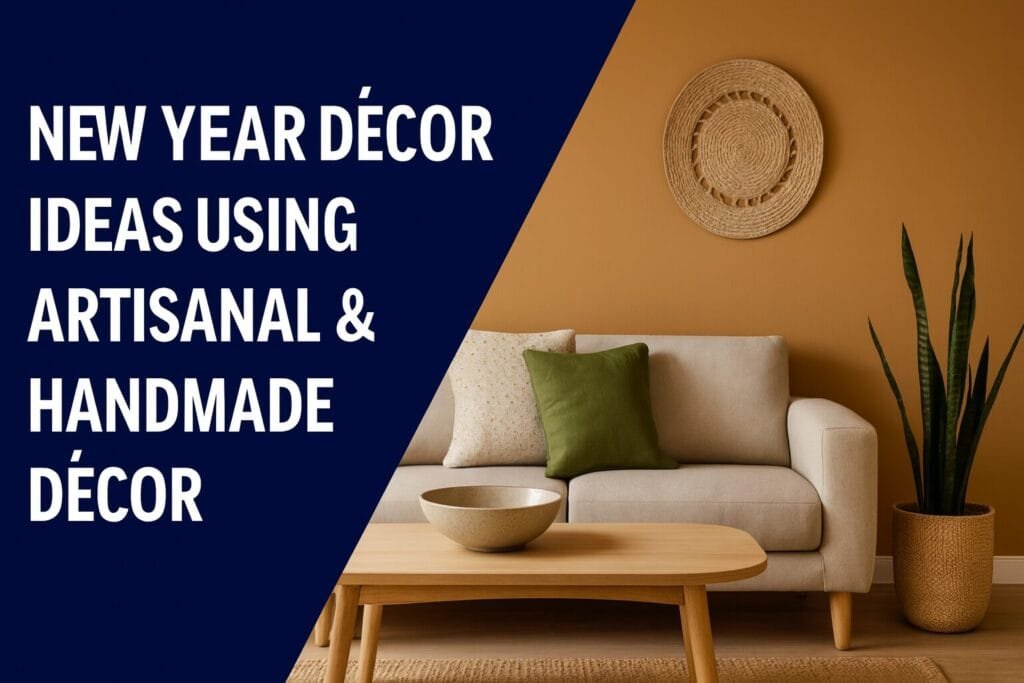
New Year Décor Ideas Using Artisanal & Handmade Décor
The arrival of a new year presents the perfect opportunity to refresh your living spaces with meaningful, authentic décor. While mass-produced items fill store shelves, discerning homeowners increasingly turn toward artisanal and handmade pieces that tell stories and bring soul into their homes. These unique creations transform ordinary spaces into extraordinary sanctuaries that reflect personal style and cultural appreciation.
Working with the Best Interior Designer in Delhi NCR ensures that your artisanal décor choices complement your overall design vision. Professional designers understand how to balance handcrafted elements with existing interiors, creating cohesive spaces that feel both curated and comfortable. They bring expertise in sourcing authentic pieces while avoiding the pitfalls of cluttered or mismatched aesthetics.
The trend toward handmade décor represents more than aesthetic preference. It reflects deeper values around sustainability, craftsmanship, and supporting local artisan communities. When you choose handcrafted items, you invest in pieces with longevity and character that mass-produced alternatives simply cannot match.
Understanding the Appeal of Artisanal Décor
Handmade décor carries inherent uniqueness that factory-produced items lack. Each piece bears the mark of its creator’s hands and vision. Slight variations in texture, color, and form make every item genuinely one-of-a-kind. This individuality allows homeowners to express personality through their spaces in ways that catalog furniture never could.
The craftsmanship behind artisanal pieces elevates their value beyond mere function. Skilled artisans spend years perfecting techniques passed down through generations. Their work embodies tradition, cultural heritage, and dedication to excellence. Displaying these pieces honors both the craft and the craftsperson.
Quality distinguishes handmade items from mass-market alternatives. Artisans select premium materials and employ construction methods prioritizing durability. A handwoven textile or hand-turned wooden bowl often outlasts cheaper equivalents by decades. This longevity makes artisanal décor surprisingly economical despite higher initial costs.
The emotional connection people feel toward handmade items creates lasting satisfaction. Knowing the story behind a piece deepens appreciation. Whether purchased directly from an artisan or discovered in a specialty shop, these items become conversation starters and cherished possessions rather than disposable decorations.
Creating Welcoming Entryways with Handcrafted Elements
First impressions matter enormously in home design. Your entryway sets the tone for everything that follows. Starting the new year with a refreshed entry creates positive energy that welcomes both residents and guests. Artisanal pieces excel in these high-impact spaces where character and quality immediately register.
Handwoven door hangings called torans bring traditional Indian charm to modern entryways. These decorative pieces, often featuring intricate beadwork, embroidery, or mirror work, frame doorways beautifully. Contemporary versions blend traditional techniques with modern color palettes, making them versatile across design styles.
Console tables crafted from reclaimed wood provide functional beauty in entry spaces. Artisans transform salvaged timber into stunning furniture pieces that showcase natural grain patterns and rich patinas. Each table carries history in its wood, creating instant character that new furniture cannot replicate.
Hand-thrown ceramic vessels make ideal accent pieces for entryway consoles. Fill them with fresh branches or let them stand alone as sculptural elements. The organic forms and glaze variations typical of pottery add warmth and texture to entries that might otherwise feel stark or cold.
Artisanal mirrors framed in hand-carved wood or adorned with metalwork become focal points in entry halls. These functional pieces serve practical purposes while adding substantial visual interest. The craftsmanship evident in frames elevates mirrors from basic necessities to design statements.
Transforming Living Spaces with Textile Artistry
Textiles offer perhaps the most accessible entry point into artisanal décor. Handwoven fabrics, embroidered cushions, and block-printed throws introduce color, pattern, and texture without requiring major renovations. These elements can be layered, mixed, and changed seasonally to keep spaces feeling fresh.
Block printing represents one of India’s most celebrated textile traditions. Artisans carve intricate designs into wooden blocks, then hand-stamp fabric with natural dyes. The slight imperfections inherent to this process create visual interest that machine-printed fabrics lack. Block-printed cushion covers, curtains, or table runners bring authentic artisanal character to living rooms.
Handwoven dhurries and carpets ground living spaces while showcasing textile craftsmanship. These flat-weave rugs feature geometric patterns created through skilled manipulation of warp and weft threads. Natural fibers like cotton, jute, and wool ensure durability while maintaining the organic aesthetic many homeowners seek.
Embroidered textiles add dimensional interest through raised stitchwork. From delicate chikankari to bold mirror-work embellishments, these handcrafted fabrics transform plain surfaces into textile art. Scatter cushions featuring various embroidery techniques create collected-over-time appeal even when purchased together.
Consulting the Best Interior Designer in Delhi NCR helps ensure textile choices work harmoniously. Designers understand color theory, pattern mixing, and proportion. They prevent common mistakes like overwhelming spaces with too much pattern or choosing textiles that clash with existing furnishings.
Illuminating Spaces with Handcrafted Lighting
Lighting shapes ambiance more than any other design element. Artisanal lighting fixtures combine functional illumination with sculptural beauty. These pieces often become room centerpieces, drawing eyes upward and creating dramatic focal points.
Hand-forged metal pendant lights showcase blacksmithing traditions. Artisans hammer and shape metal into organic forms or geometric patterns. When illuminated, these fixtures cast beautiful shadow patterns on walls and ceilings, adding another layer of visual interest beyond the fixture itself.
Terracotta lamp bases turned on potter’s wheels bring earthy warmth to table lamps. The natural color variations and textures of fired clay create depth that painted ceramic or glass bases cannot match. Paired with handwoven lampshades, these create cohesive artisanal lighting solutions.
Brass and copper lighting fixtures develop rich patinas over time, becoming more beautiful with age. Artisans craft these metals into traditional forms like diyas or contemporary designs. The warm glow these metals emit enhances the quality of light in ways that chrome or steel fixtures do not.
Paper lanterns and lampshades made using traditional techniques filter light softly. Whether made from handmade paper, banana fiber, or other natural materials, these shades create ambient lighting perfect for relaxation spaces. Their organic imperfections add character while diffusing light beautifully.
Enhancing Dining Spaces with Handmade Tableware
Dining experiences become memorable through attention to detail. Artisanal tableware elevates everyday meals and special occasions alike. Each handcrafted plate, bowl, or serving piece brings uniqueness to the table, making dining feel more intentional and celebratory.
Hand-thrown pottery creates tableware with soul. The subtle variations between pieces in a set add charm rather than feeling like manufacturing defects. Glazes applied by hand create unique color patterns that make each dish individual. Using these pieces daily connects you to craft traditions while serving practical purposes.
Wooden serving boards and platters showcase the natural beauty of timber. Artisans select woods for their grain patterns, then shape and finish them by hand. These pieces age gracefully, developing character through use. They’re equally at home in rustic farmhouse kitchens or sleek modern dining rooms.
Hand-hammered metalware brings texture and shine to table settings. Copper, brass, and bronze serving pieces feature hammer marks that catch light beautifully. These metals also offer practical benefits, with some possessing natural antimicrobial properties valued in traditional cooking and serving.
Textile table linens finished with hand embroidery or block printing make ordinary meals feel special. Tablecloths, runners, and napkins featuring artisanal details transform dining tables into showcases for craft. These linens also make entertaining more memorable, giving guests something beautiful to admire.
Designing Bedrooms as Personal Sanctuaries
Bedrooms deserve special attention as private retreats from daily stress. Starting the new year with bedroom refreshes promotes better rest and rejuvenation. Artisanal décor works particularly well in bedrooms, where handcrafted pieces create the intimate, personal atmosphere conducive to relaxation.
Handwoven bedspreads and quilts anchor bedroom design. Traditional techniques like kantha stitching create layered textiles with beautiful draping qualities. These pieces often feature running stitches that create subtle patterns and texture. Natural fibers breathe better than synthetics, contributing to more comfortable sleep.
Carved wooden headboards make striking focal points in bedrooms. Artisans create everything from minimalist geometric designs to elaborate traditional motifs. The craftsmanship evident in quality carving adds luxury that laminate or upholstered alternatives cannot match. These pieces often become family heirlooms passed down through generations.
Handmade pottery for bedside tables combines beauty with functionality. Ceramic cups for water, vases for fresh flowers, or simply decorative vessels add organic shapes to bedroom surfaces. The tactile quality of pottery makes these pieces particularly satisfying to interact with during quiet morning or evening moments.
Working with the Best Interior Designer in Delhi NCR ensures bedroom décor balances aesthetics with functionality. Professional designers consider factors like lighting, storage, and traffic flow alongside beauty. They create cohesive schemes where artisanal pieces enhance rather than clutter spaces.
Incorporating Traditional Wall Art and Decor
Walls provide expansive canvases for expressing style through artisanal pieces. The right wall décor transforms bland surfaces into focal points that define room character. Handcrafted wall art carries cultural significance and artistic value that mass-produced prints cannot replicate.
Madhubani paintings bring vibrant folk art traditions into contemporary homes. These detailed works originating from Bihar feature nature motifs, geometric patterns, and mythological scenes. Authentic Madhubani pieces painted on handmade paper or cloth connect your space to centuries-old artistic traditions while adding bold color and pattern.
Warli art offers minimalist elegance through its distinctive stick-figure compositions. Originally created by tribal communities in Maharashtra, these paintings use simple forms to depict daily life, celebrations, and nature. The earthy tones and uncomplicated aesthetic make Warli art surprisingly versatile across modern and traditional interiors.
Metal wall sculptures crafted through traditional techniques add three-dimensional interest. Artisans work copper, brass, or iron into decorative pieces ranging from abstract forms to representational designs. These pieces cast interesting shadows and catch light differently throughout the day, creating dynamic wall displays.
Textile wall hangings showcase weaving, embroidery, or appliqué techniques. These soft furnishings add warmth and acoustic dampening alongside visual beauty. Large-scale textile pieces make particularly effective statements in minimalist interiors where they provide necessary texture and color.
Carved wooden panels or screens partition spaces while serving as artistic focal points. Intricate jali work allows light and air to pass through while maintaining privacy. These traditional architectural elements adapt beautifully to contemporary spaces when incorporated thoughtfully.
Bringing Nature Indoors with Artisanal Planters
Plants improve air quality and bring life to interiors. The containers holding them deserve equal attention to the plants themselves. Artisanal planters elevate greenery from afterthought to design feature, turning houseplants into curated displays.
Terracotta pots handmade on potter’s wheels offer classic beauty and functionality. The porous nature of fired clay allows roots to breathe while wicking away excess moisture. Variations in color and texture between handmade pots add character that uniform machine-made alternatives lack.
Ceramic planters featuring hand-painted designs transform functional containers into art pieces. From traditional blue pottery patterns to contemporary abstract designs, decorated ceramics make plants stand out. Clustering planters of varying sizes creates dynamic tabletop or floor displays.
Woven baskets serve as natural plant containers, especially for larger specimens. Artisans create these from materials like jute, bamboo, or palm fronds using traditional techniques. The organic textures of woven planters complement plants’ natural forms while adding warmth to spaces.
Metal planters in brass, copper, or iron develop beautiful patinas over time. Hand-hammered or etched metalwork adds decorative detail while providing durable plant containers. These materials work particularly well in spaces with industrial or eclectic design schemes.
Macramé plant hangers showcase textile arts while maximizing vertical space. These knotted rope holders suspend plants at varying heights, creating visual interest and freeing up surface space. The bohemian aesthetic of macramé suits relaxed, organic interior styles particularly well.
Creating Cohesive Spaces Through Professional Design
Artisanal décor offers incredible variety and beauty, but integrating pieces successfully requires skill. Without proper planning, handcrafted items can create cluttered rather than curated spaces. Professional interior designers bring the expertise needed to balance artisanal elements within overall design schemes.
The Best Interior Designer in Delhi NCR understands how to source authentic artisanal pieces while avoiding common pitfalls. They have established relationships with craftspeople and specialty vendors. This access ensures clients receive genuine handmade items rather than mass-produced imitations masquerading as artisanal.
Designers also provide critical perspective on scale, proportion, and placement. A beautiful handwoven rug sized wrong for a room creates visual imbalance. An exquisite carved mirror hung incorrectly fails to achieve its potential impact. Professional designers ensure every piece works within the larger composition.
Color coordination becomes particularly important when mixing multiple artisanal elements. Handcrafted pieces often feature complex colors that can clash if combined carelessly. Designers create palettes that allow diverse pieces to coexist harmoniously, highlighting rather than competing with each other.
Budget management represents another area where professional guidance proves valuable. Artisanal pieces range dramatically in price based on materials, techniques, and artist reputation. Designers help clients invest wisely, prioritizing pieces that deliver maximum impact while working within financial constraints.
Understanding Quality and Authenticity in Artisanal Pieces
The growing demand for handmade décor has unfortunately spawned markets filled with fraudulent items. Mass-produced pieces marketed as handcrafted deceive unsuspecting buyers. Learning to recognize authentic artisanal work protects your investment while ensuring artisans receive fair compensation for their skills.
Genuine handcrafted items bear marks of human creation. Look for slight variations that indicate individual production rather than mechanical reproduction. In textiles, stitching irregularities signal hand embroidery. In pottery, subtle asymmetries reveal wheel throwing rather than molding.
Materials quality distinguishes authentic artisanal work from cheap imitations. Skilled craftspeople select premium materials worthy of their time and expertise. Natural fibers, solid woods, and quality clays feel different from synthetics and composites. Learning to assess material quality requires handling numerous examples.
Pricing provides important clues about authenticity. Genuine artisanal work commands appropriate prices reflecting material costs, skill level, and time investment. Items priced suspiciously low likely involve shortcuts, machine production, or exploitation of makers. Fair pricing ensures artisans earn sustainable livelihoods.
Provenance and maker information add value to artisanal purchases. Reputable sellers provide details about who created pieces and where. This transparency builds trust while connecting buyers to craft traditions and communities. Anonymous mass-produced items lack this meaningful context.
Working with the Best Interior Designer in Delhi NCR provides protection against inadvertently purchasing inauthentic pieces. Experienced designers recognize quality and have vetted sources for genuine artisanal décor. Their expertise saves clients from costly mistakes while supporting legitimate craftspeople.
Seasonal Flexibility and Long-Term Value
One concern about investing in quality artisanal décor involves flexibility for future changes. Homeowners worry that distinctive handcrafted pieces might limit design evolution. However, well-chosen artisanal items actually provide remarkable versatility across changing styles and seasons.
Neutral-toned artisanal pieces adapt easily to evolving color schemes. Natural materials like unfinished wood, undyed textiles, and simple ceramics complement virtually any palette. These foundational pieces provide consistency while allowing accent colors to change over time.
Quality craftsmanship transcends temporary trends. A beautifully made piece remains beautiful regardless of whether its specific style currently dominates design magazines. Timeless artisanal work gains rather than loses appeal over decades, unlike trendy items that quickly look dated.
Artisanal pieces also facilitate seasonal decorating without requiring storage of entirely separate décor collections. Swapping textiles provides the easiest seasonal refresh. Summer might feature light cotton block prints while winter brings heavier wool weaves. The same carved console or ceramic lamps work year-round.
The investment value of quality artisanal décor deserves consideration. While initial costs exceed mass-market alternatives, durability and timelessness provide superior long-term value. These pieces avoid landfills, reducing both financial and environmental costs of constantly replacing disposable décor.
Supporting Artisan Communities Through Conscious Purchasing
Choosing artisanal décor represents more than aesthetic preference. It constitutes economic support for skilled craftspeople and their communities. Understanding the broader impact of purchasing decisions adds meaning to the process of selecting items for your home.
Traditional crafts face extinction as younger generations pursue education and careers in other fields. When artisanal work provides insufficient income, ancient techniques disappear within one generation. Purchasing authentic handmade items at fair prices helps ensure craft traditions survive.
Many artisan communities face geographic or social barriers to accessing wider markets. Intermediaries and designers who champion their work create crucial market connections. These relationships allow remote craftspeople to earn sustainable incomes without relocating to urban centers.
Women artisans particularly benefit from fair-trade handcraft markets. In many communities, textile and craft work provides women’s primary income source. Supporting female artisans promotes economic independence and community development in measurable ways.
Environmental benefits accompany support for traditional crafts. Artisanal production typically involves minimal mechanization, small-scale operations, and local materials. This contrasts sharply with industrial manufacturing’s environmental footprint. Choosing handmade items aligns with sustainability values increasingly important to conscious consumers.
The Rishabh Interior Approach to Artisanal Design
Rishabh Interior exemplifies how the Best Interior Designer in Delhi NCR integrates artisanal elements into sophisticated, functional spaces. Their design philosophy recognizes that homes should reflect inhabitants’ values and personalities while maintaining aesthetic coherence and practical functionality.
The firm’s expertise spans residential and commercial projects, bringing versatility that ensures appropriate design solutions regardless of space type or scale. This breadth of experience means they understand how artisanal pieces work differently in various contexts, from intimate bedrooms to expansive commercial lobbies.
Client collaboration sits at the heart of Rishabh Interior’s process. Rather than imposing predetermined aesthetic visions, designers invest time understanding client preferences, lifestyles, and aspirations. This personalized approach ensures that artisanal pieces chosen reflect genuine individual taste rather than generic designer preferences.
The firm’s established network of artisans and specialty suppliers provides access to exceptional pieces that clients might never discover independently. These relationships ensure authenticity while often allowing for custom commissions that perfectly fit specific spaces and requirements.
Project management capabilities distinguish professional design firms like Rishabh Interior from amateur decorators. Complex renovations integrating artisanal elements require coordination between craftspeople, contractors, and suppliers. Professional management ensures projects proceed smoothly while protecting clients from common frustrations.
Future-Proofing Design with Timeless Artisanal Elements
Design trends cycle constantly, but certain elements possess enduring appeal that transcends fashion. Building interiors around timeless artisanal pieces creates stability that allows for surface-level updates without requiring complete overhauls. This approach proves both economically and environmentally sustainable.
Handcrafted furniture made from quality materials using traditional joinery techniques lasts generations. Unlike flat-pack furniture designed for obsolescence, artisanal pieces can be refinished, reupholstered, or refreshed multiple times. This longevity makes them surprisingly affordable when cost gets calculated per year of use.
Classic artisanal techniques remain relevant because they’re rooted in human needs and aesthetic preferences that don’t fundamentally change. Hand-weaving creates textiles people find beautiful today just as they did centuries ago. Pottery’s organic forms appeal to something deep in human psychology that trends cannot override.
Mixing artisanal pieces with contemporary elements creates interiors that feel both grounded and current. This layered approach allows spaces to evolve gradually rather than requiring periodic complete redesigns. New items refresh without negating existing pieces’ value.
The Best Interior Designer in Delhi NCR helps clients build these timeless foundations while incorporating current trends judiciously. Professional designers distinguish between passing fads and lasting design movements. This expertise prevents costly mistakes and creates spaces that remain relevant for years.
Conclusion: Welcoming the New Year with Meaningful Design
Starting the new year with refreshed interiors creates psychological benefits beyond aesthetic pleasure. Surrounding yourself with beautiful, meaningful objects elevates daily life. Artisanal décor provides this elevation through pieces carrying stories, tradition, and authentic craftsmanship.
The shift toward handmade items reflects broader cultural movements valuing sustainability, authenticity, and human connection. These aren’t merely decorating trends but fundamental changes in how people think about consumption and home environments. Artisanal décor aligns with these evolving values.
Professional design guidance maximizes the impact of artisanal pieces while avoiding common pitfalls. The Best Interior Designer in Delhi NCR brings expertise in sourcing, placement, and integration that ensures handcrafted elements enhance rather than clutter spaces. This professional touch transforms good intentions into beautiful realities.
Whether you’re planning minor refreshes or complete renovations, consider how artisanal elements might enrich your spaces this new year. The investment in quality craftsmanship pays dividends through daily enjoyment, long-term durability, and meaningful connection to artistic traditions. Your home deserves décor as unique and valuable as the life lived within it.