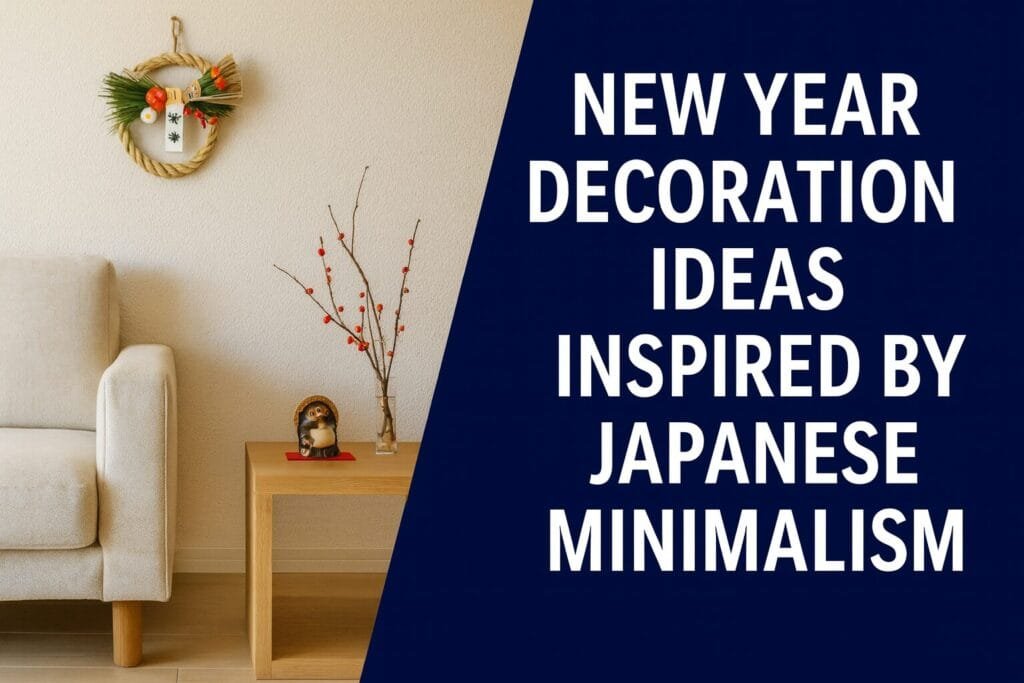
New Year Decoration Ideas Inspired by Japanese Minimalism
Embrace Simplicity and Serenity This New Year
Japanese minimalism offers a refreshing approach to New Year celebrations. This design philosophy emphasizes simplicity, functionality, and natural beauty. As we enter a new year, many homeowners seek calm, uncluttered spaces that promote peace and mindfulness. Working with the Best Interior Designer in Delhi NCR helps you achieve this aesthetic while honoring your personal style and cultural preferences.
The Japanese concept of “Ma” refers to negative space. This principle values emptiness as much as the objects within a room. Unlike Western décor that often fills every corner, Japanese minimalism allows spaces to breathe. This approach creates visual calm that feels especially welcome after busy holiday seasons.
Understanding Core Japanese Design Principles
Wabi-sabi celebrates imperfection and transience. This philosophy finds beauty in natural wear and aging materials. For New Year décor, this means choosing handcrafted items over mass-produced decorations. It values authenticity over perfection. Your celebration becomes more meaningful when objects tell stories rather than simply filling space.
Kanso represents simplicity and elimination of clutter. This principle encourages removing unnecessary elements until only essentials remain. Each item in your space should serve a purpose or bring genuine joy. The Best Interior Designer in Delhi NCR understands how to apply these principles while maintaining warmth and livability in modern homes.
Shizen emphasizes naturalness and absence of pretense. This concept guides material selection toward organic elements like wood, stone, and natural fibers. Your New Year decorations should feel effortless rather than contrived. Arrangements appear as though they naturally belong rather than being obviously staged for effect.
Color Palettes for Minimalist New Year Celebrations
Neutral foundations create peaceful atmospheres. White walls and natural wood tones form the base of Japanese-inspired spaces. These colors allow decorative elements to stand out without visual competition. They also reflect light beautifully, making rooms feel larger and more open. This approach works especially well in smaller Delhi NCR apartments where space feels precious.
Accent colors should be used sparingly and intentionally. Traditional Japanese interiors might include soft greens from plants or deep indigo from textiles. For New Year celebrations, consider adding touches of gold or red through carefully chosen accessories. One striking element creates more impact than many competing focal points.
Monochromatic schemes offer sophisticated simplicity. Various shades of one color create depth without chaos. Imagine cream, beige, and warm white working together harmoniously. This palette feels calm and cohesive. It also photographs beautifully for social media sharing after your celebrations.
Natural Materials and Textures
Wood serves as the foundation for Japanese-inspired spaces. Choose furniture with visible grain and natural finishes. Avoid heavily stained or painted pieces that hide wood’s inherent beauty. Simple wooden trays, bowls, and serving pieces make perfect New Year table settings. They feel substantial yet understated.
Stone elements ground your design with organic weight. River rocks arranged in glass containers become simple centerpieces. Stone vases hold single branches with elegant restraint. These materials connect indoor spaces with nature outside. They remind us of natural cycles as one year transitions to the next.
Natural textiles add warmth without visual noise. Linen table runners in neutral tones provide subtle texture. Cotton cushions in solid colors offer comfort without pattern overload. Bamboo placemats bring organic beauty to dining tables. The Best Interior Designer in Delhi NCR sources these materials from trusted suppliers who prioritize quality and sustainability.
Simplified Furniture Arrangements
Low-profile furniture creates horizontal emphasis characteristic of Japanese design. Floor cushions and low tables encourage relaxed gathering styles. This approach makes spaces feel more expansive because sightlines remain open. For New Year gatherings, consider creating conversation areas with floor seating supplemented by minimal back support.
Multi-functional pieces maximize space efficiency. A simple wooden bench serves as seating, display surface, or storage. Folding screens divide spaces temporarily without permanent walls. These versatile elements allow your home to adapt as celebration needs change throughout the evening.
Negative space between furniture pieces feels intentional rather than empty. Don’t crowd rooms with unnecessary items. Allow clear pathways and open areas where eyes can rest. This breathing room reduces visual stress and creates the calm atmosphere central to Japanese minimalism.
Lighting Strategies for Minimalist Spaces
Natural light takes priority in Japanese-inspired homes. Keep window treatments minimal or eliminate them entirely where privacy allows. Sheer panels filter light softly without blocking it completely. This connection to outdoor light cycles feels grounding and healthy. It also reduces reliance on artificial lighting during daylight hours.
Paper lanterns provide soft, diffused illumination. These traditional Japanese lighting elements cast gentle glows that feel warm and welcoming. Hang them at varying heights to create visual interest without clutter. Their simple forms complement minimalist aesthetics beautifully while providing functional task lighting.
Candles create intimate ambiance for evening celebrations. Group pillar candles on wooden trays for safe, attractive displays. Their flickering light adds movement and warmth to spaces. Unscented options work best so fragrance doesn’t compete with food aromas. This lighting choice feels both ancient and contemporary.
Incorporating Traditional Japanese Elements
Ikebana flower arrangements follow strict minimalist principles. Unlike Western bouquets bursting with blooms, ikebana uses few stems arranged with precision. A single branch with delicate flowers makes powerful statements. This art form emphasizes line, form, and negative space. Consider taking a workshop or working with the Best Interior Designer in Delhi NCR to learn these techniques.
Shoji screens add architectural interest while maintaining openness. These translucent panels filter light beautifully and create subtle room divisions. Modern versions use lightweight materials that install easily in rental spaces. They provide privacy without the heaviness of solid walls or doors.
Tatami mats define seating areas with natural texture. While traditional woven rush mats require special care, modern alternatives offer similar aesthetics with easier maintenance. Place them under low tables to create dedicated gathering spaces. Their neutral tones and natural materials align perfectly with minimalist principles.
Creating Contemplative Corners
Designated meditation spaces support mindful New Year intentions. A simple cushion placed near a window creates a retreat for quiet reflection. Add a small shelf holding a single object of personal significance. This dedicated area reminds you to pause and breathe amid celebration bustle.
Tokonoma alcoves traditionally display seasonal art or flowers. Create your own version with a simple shelf or cleared mantel surface. Rotate displayed items with the seasons. For New Year, consider showing calligraphy expressing your intentions or a carefully chosen natural element like an interesting piece of driftwood.
Reading nooks with minimal furnishings provide peaceful retreats. A comfortable floor cushion near a window needs nothing more than good light. Stack a few meaningful books nearby. This simple setup invites moments of solitude and contemplation that balance social celebration time.
Minimalist Table Settings for New Year Meals
Handcrafted ceramics showcase individual artisan work. Each piece carries the maker’s intention and skill. Mix and match pieces from different potters for interest while maintaining cohesive color palettes. The slight variations in handmade items add warmth that factory-perfect matching sets cannot achieve.
Simple wooden serving boards replace elaborate serving dishes. Present food on natural wood to highlight ingredients’ colors and textures. This approach puts focus on the food itself rather than fancy presentation props. It also simplifies cleanup after celebrations end.
Minimal centerpieces allow conversation across tables. A single branch in a simple vase creates elegant focal points. Three small stones grouped on a wooden tray provides visual interest without blocking views. These restrained arrangements let your guests and food become the real centerpieces of your celebration.
Decluttering Before Decorating
Pre-celebration organization sets the stage for minimalist success. Remove items you don’t use or love from visible spaces. Store them properly or consider donating them to others who need them. This process aligns with Japanese practice of removing old energy before welcoming new beginnings. The Best Interior Designer in Delhi NCR can guide you through thoughtful decluttering that respects your attachments while improving your space.
Surface clearing creates visual calm. Coffee tables, counters, and shelves should show mostly empty space with few carefully chosen objects displayed. This doesn’t mean sterile or cold. It means intentional and peaceful. Each visible item earns its place through beauty or function.
Hidden storage maintains clean appearances. Built-in cabinets, under-bed containers, and closet organizers keep necessary items accessible but unseen. This infrastructure allows you to live comfortably while maintaining minimalist aesthetics. Your space can be both functional and beautiful without contradiction.
Bringing Nature Indoors
Living plants connect interior spaces with natural rhythms. Choose varieties that thrive in your light conditions. Simple ceramic or concrete planters complement minimalist aesthetics better than decorative pots. Group plants in odd numbers for visual balance. Their organic forms soften architectural lines while purifying air.
Branches and dried grasses create seasonal interest. Visit parks or your own garden to gather natural materials. Arrange them in tall, simple vases as striking vertical elements. These change naturally over time, embodying wabi-sabi principles of impermanence and natural beauty in decay.
Water features add soothing sound elements. A simple bowl fountain or desktop water element provides gentle auditory texture. The sound of moving water creates calm that counterbalances celebration excitement. These features also increase humidity in winter-dry Delhi NCR homes.
Textile Choices for Japanese-Inspired Spaces
Natural fiber selections feel authentic to minimalist principles. Linen, cotton, and hemp textiles wear beautifully and improve with age. Avoid synthetic materials that don’t breathe or age gracefully. These natural choices also align with sustainable living practices increasingly important to conscious consumers.
Solid colors prevent visual fragmentation. Save patterned textiles for very occasional accent pieces. When you do use pattern, choose simple geometric designs or subtle organic motifs rather than busy prints. This restraint keeps spaces feeling calm and cohesive even as you add layers for comfort.
Textural variety adds interest without color chaos. Combine smooth silk with nubby linen or soft cotton with rougher hemp. These tactile differences create depth while maintaining color harmony. Your guests experience richness through touch as much as sight.
Celebrating Traditions with Modern Minimalism
Kadomatsu pine arrangements welcome the New Year traditionally. Modern interpretations might simplify traditional three-bamboo designs into single stems in beautiful containers. This honors cultural tradition while aligning with minimalist aesthetics. Your celebration acknowledges heritage without abandoning contemporary sensibilities.
Kagami mochi rice cake displays can be streamlined beautifully. Rather than elaborate presentations, place simple white mochi on clean wooden stands. The purity of form speaks powerfully. This approach respects symbolism while avoiding kitsch. The Best Interior Designer in Delhi NCR helps balance cultural elements with design principles.
New Year calligraphy becomes striking wall art. Commission or create a single character representing your intention for the coming year. Frame it simply and display it prominently. This practice combines artistic expression with personal meaning in characteristically Japanese fashion.
Sustainable Minimalism for Conscious Living
Quality over quantity guides purchasing decisions. Invest in well-made items that last years rather than cheap decorations used once. This approach reduces waste while creating more beautiful spaces. Your New Year decorations become lasting parts of your home rather than disposable seasonal clutter.
Natural materials biodegrade responsibly. When items reach their end of life, they return to earth without environmental harm. This consideration extends beyond immediate aesthetics to broader environmental stewardship. Choosing sustainable materials aligns personal values with design choices.
Secondhand and vintage finds add character and history. Antique markets often yield beautiful minimalist pieces at accessible prices. These items carry stories and patina that new purchases cannot replicate. They also reduce demand for new manufacturing with its environmental costs.
Small Space Solutions for Delhi NCR Homes
Vertical storage maximizes limited square footage. Tall, narrow shelving units use wall space efficiently. Keep displayed items minimal with most storage behind closed doors. This approach provides necessary functionality without visual clutter in compact rooms.
Folding and collapsible furniture adapts to changing needs. Tables that expand for dinner parties then fold away create flexibility. Stacking floor cushions store neatly but provide abundant seating when guests arrive. This versatility proves essential in smaller Delhi NCR apartments where single rooms serve multiple purposes.
Light colors expand perceived space significantly. White walls and pale wood floors make rooms feel larger than actual measurements. Strategic mirror placement amplifies this effect by reflecting light and creating depth illusions. These techniques help small spaces feel airy and open rather than cramped.
Budget-Conscious Minimalist Decorating
DIY projects reduce costs while adding personal touches. Create simple flower arrangements from grocery store stems. Craft origami decorations from beautiful paper. These handmade elements feel more meaningful than purchased decorations while costing significantly less.
Repurposing existing items requires only creativity. That stack of books becomes a side table with a tray on top. Mason jars transform into simple vases or candle holders. Before buying anything new, consider how current possessions might serve new purposes with fresh perspectives.
Prioritizing key investment pieces over numerous cheap items creates better results. Buy one beautiful handcrafted bowl rather than a set of mediocre factory pieces. That single quality item brings more joy and visual impact than multiple lesser purchases. This approach also aligns with minimalist principles of having fewer, better things.
Working with Professional Interior Designers
Expert guidance prevents costly mistakes. Professional designers understand proportions, color theory, and spatial relationships intuitively. They see potential problems before they occur and offer solutions based on extensive experience. The Best Interior Designer in Delhi NCR brings this expertise plus local market knowledge and supplier relationships.
Access to trade resources expands your options. Designers source materials unavailable to general consumers. They also negotiate better pricing through industry relationships. These advantages often offset design fees through savings on materials and avoided mistakes.
Time savings prove invaluable for busy professionals. Designers handle coordination, shopping, and installation scheduling. They transform your space while you focus on work and family. You enjoy beautiful results without the stress of managing every detail yourself.
Maintaining Minimalist Spaces Year-Round
Daily habits prevent clutter accumulation. Develop routines where items return to designated places immediately after use. This ongoing maintenance proves easier than periodic major clean-ups. Your space stays peaceful continuously rather than cycling between chaos and order.
Seasonal reviews keep possessions current with your needs. Every few months, reassess whether displayed items still bring joy or serve purposes. Remove anything that no longer fits. This practice prevents spaces from becoming cluttered museums of your past rather than functional homes for your present.
One-in-one-out rules limit accumulation. When acquiring something new, remove something old. This discipline maintains equilibrium in your possessions. It also encourages thoughtful purchasing because you know additions require corresponding removals.
Blending Japanese Minimalism with Indian Aesthetics
Cultural fusion creates unique personal style. Combine Japanese simplicity with Indian craftsmanship for spaces that feel authentic to your multicultural life in Delhi NCR. Hand-blocked textiles in muted colors honor both traditions. Simple wooden furniture with brass hardware bridges aesthetic approaches beautifully.
Respecting both traditions requires understanding their philosophies. Research the meanings behind design elements you incorporate. This knowledge ensures respectful implementation rather than superficial borrowing. Your space becomes a thoughtful conversation between cultures.
Modern interpretations feel fresh rather than derivative. Don’t create museum reproductions of traditional Japanese homes. Instead, extract core principles and apply them to contemporary Indian living situations. The Best Interior Designer in Delhi NCR excels at these cultural translations that honor heritage while embracing modernity.
Technology Integration in Minimalist Homes
Hidden cables and cords maintain clean appearances. Use cord management systems that conceal wiring behind furniture or within walls. Wireless charging stations eliminate visible charging cables. These practical solutions prevent technology from disrupting minimalist aesthetics.
Smart home systems reduce physical controls cluttering walls. Voice-activated lighting, temperature, and entertainment systems eliminate switches and remotes. This invisible technology layer maintains minimalist surfaces while providing modern convenience and functionality.
Minimalist device storage keeps technology accessible but unseen. Charging stations built into drawers or cabinets hide phones and tablets when not in use. This approach acknowledges technology’s role in modern life while preventing it from dominating your visual environment.
The Psychology of Minimalist Living
Reduced visual stimulus decreases mental stress. Cluttered environments require constant processing as your brain catalogs and ignores numerous objects. Simplified spaces allow your mind to rest. This mental calm proves especially valuable during New Year celebrations when stress often runs high.
Intentional possession fosters appreciation and gratitude. When you own fewer things, you value each item more deeply. This mindset shift improves life satisfaction beyond just physical space improvements. Your relationship with material goods becomes healthier and more sustainable.
Creating space for new experiences matters more than accumulating objects. An uncluttered home provides room for activities, relationships, and personal growth. This orientation toward experiences rather than possessions aligns with research showing experiences create longer-lasting happiness than material purchases.
Final Reflections on Minimalist New Year Celebrations
Japanese minimalism offers timeless wisdom for contemporary living. Its principles of simplicity, natural beauty, and intentionality resonate across cultures and time periods. Applying these concepts to New Year celebrations creates meaningful experiences focused on connection rather than consumption.
Starting the year with simplified, beautiful spaces sets positive intentions. Your physical environment influences thoughts, emotions, and behaviors more than most people realize. Creating calm, purposeful surroundings supports whatever goals you set for the coming year.
The Best Interior Designer in Delhi NCR brings professional expertise to your minimalist journey. Whether you need complete home transformation or guidance on specific elements, professional support accelerates progress while avoiding common pitfalls. This New Year, give yourself the gift of simplified beauty that enhances daily life for months and years to come.
Transform your home with Japanese minimalist principles this New Year. Create spaces that breathe, celebrate natural beauty, and promote peaceful living. Your celebration will feel more meaningful when surrounded by intentional simplicity that honors both aesthetic principles and practical daily needs.