Ocean-Plastic Furniture: New Wave of Recycling
Our oceans are facing an unprecedented crisis. Millions of tons of plastic pollute marine environments globally. The mass of plastic waste threatens ecosystems, wildlife, and eventually human health. However, innovative minds have been turning this environmental disaster into a design opportunity. Ocean-plastic furniture is a revolutionary approach to both waste management and interior design.
The Global Plastic Pollution Challenge
Plastic waste has become one of the greatest environmentally relevant problems on our planet. Every year, about eight million tons enter our oceans. This material takes hundreds of years to decompose naturally. Meanwhile, it breaks into smaller particles that infiltrate food chains. Marine animals mistake plastic fragments for food with devastating results.
The scale of this problem dictates creative solutions beyond traditional recycling. Conventional methods process only a fraction of plastic waste effectively. Much material proves too contaminated or degraded for standard recycling streams.
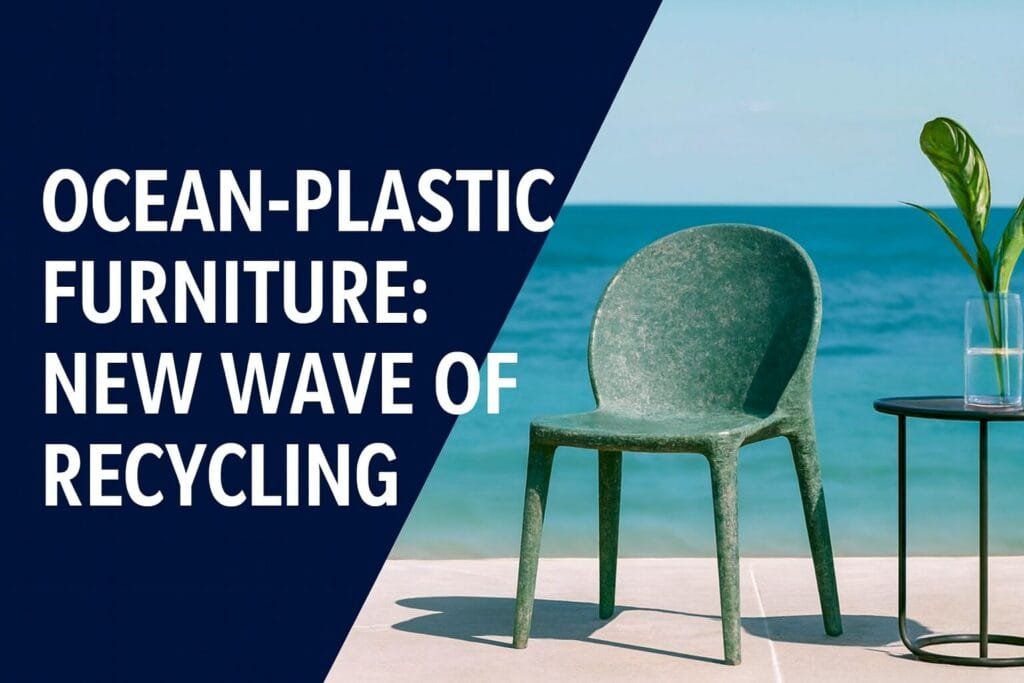
Ocean-recovered plastic presents additional challenges due to salt exposure and UV damage. These further challenges call for novel processing techniques and uses.
Design professionals increasingly recognize their role in addressing environmental challenges. Their choices have an effect on manufacturing, consumption, and disposal models. A Best Interior Designer in Delhi NCR now considers sustainability alongside aesthetics and functionality. This holistic approach reflects the growing awareness among consumers about their environmental footprint.
Understanding Ocean-Plastic Recovery and Processing
Recovering plastic from marine environments involves specialized operations. Collection vessels are deployed by organizations in areas with high concentration. Barriers used in some systems capture the floating debris while allowing the passage of marine life. Divers retrieve submerged materials from coastal areas manually. Beach cleanup initiatives gather the waste before it reaches deeper waters.
The whole processing of recovered ocean plastic is a rather complex process, comprising several steps: sorting of different polymer types, each in an appropriate treatment; washing to remove salt, organic material, and other contaminants; shredding by special equipment into flakes or pellets; in some instances, chemical treatment may be used to restore material properties. The end product is raw material ready for manufacturing applications.
Quality control ensures that recycled ocean plastic meets both safety and performance standards. Testing verifies that no toxic contaminants remain within the material. Strength assessments confirm the material will perform adequately in any intended applications. Color consistency is important for aesthetic products, such as furniture. With these quality measures, products from ocean plastic can certainly compete well against virgin alternatives.
Innovative Manufacturing Techniques for Furniture Creation
Traditional furniture manufacturing techniques adapt to accommodate recycled ocean plastic. Injection molding is a technique that creates complex shapes out of melted plastic material. This suits items like chair seats and decorative elements. Extrusion provides consistent profiles, useful for frames and structural components. Compression molding works well for larger flat surfaces like tabletops.
Advanced manufacturing methods open up further design possibilities. Three-dimensional printing allows individually tailored parts and generates minimal waste. This process is especially suitable for making items in small batches and for the development of prototypes. Computer-controlled cutting produces very accurate components out of plastic sheets. These new methods combine beautifully with traditional craftsmanship.
Hybrid constructions incorporate ocean plastic along with other sustainable materials. The wood frames can include elements of plastic joining. Metal structures could feature plastic panels or upholstery. Glass tabletops can rest on bases made of recycled material. Such mix-and-match applications make use of the strengths of each material while maximizing ocean-plastic use.
Design Aesthetics Meet Environmental Responsibility
Ocean-plastic furniture does not have to compromise on visual appeal for environmental virtue. Various modern processing techniques yield materials displaying attractive finishes. Colors range from natural ocean-inspired blues and greens to neutrals. Textures can be smooth and polished or deliberately retain character from marine origins. Such aesthetic options would suit diverse design preferences.
Transparent honesty regarding material origins brings a kind of authentic storytelling to the interior. Visible flecks and variations celebrate, rather than hide, the recycled content of a material. This aesthetic celebrates imperfection as proof of environmental purpose. This authenticity rings far more appealing to many consumers than does sterile perfection. The history of the material becomes part of its beauty.
Contemporary design movements embrace these sustainable materials with relish. Ocean plastic, therefore, meets the minimalist aesthetics with clean lines and simple forms. The material’s utilitarian character is in snug fit industrial styles, while the coastal themes find natural alignment with ocean-recovered materials. Best Interior Designer Delhi NCR-who are skilled in this art-integrate furniture made of ocean plastic seamlessly inside sophisticated interiors.
Durability and Performance Characteristics
Ocean-plastic furniture holds a surprisingly high performance versus its conventional alternatives. If recycled plastic is processed properly, it successfully resists moisture, insects, and rot. It turns out to be perfect for both indoors and outdoors. During processing, it is able to have UV stabilizers added to prevent damage from the sun. In return, the furniture can withstand years of regular use.
The maintenance needs are refreshingly minimal for pieces made of ocean plastic. Simple soap and water suffice to keep them clean routinely. The material does not need special treatments or protective coatings. Scratches and scuffs often can easily be buffed out. This low-maintenance characteristic appeals to busy households and commercial spaces.
The structural integrity meets or exceeds the requirements for furniture applications. Specific reinforcement techniques enhance strength in those areas where it is needed. Weight capacity testing ensures pieces can safely support intended loads. Joints and connections utilize designs proven effective with plastic materials. Professional design and manufacturing processes provide reliable, durable furniture.
Health and Safety Considerations
Consumer safety is key to manufacturing ocean-plastic furniture. Legitimate manufacturers test extensively for residue of harmful chemicals. Processing removes contaminants accumulated while at sea. Final products meet stern safety standards for residential furnishings. Recognized bodies’ certifications provide consumer confidence.
Attention is given to off-gassing concerns during development. High-quality processing ensures that volatile organic compound emissions remain low. Proper curing and finishing techniques further reduce any potential issues. Most ocean-plastic products are safer than conventional furniture containing formaldehyde. This health advantage complements the environmental benefits.
Allergen considerations are a factor for sensitive individuals. Ocean-plastic furniture is naturally hypoallergenic, unlike some traditional materials. It doesn’t harbor dust mites or mold like fabric upholstery might. Easy cleaning maintains hygienic surfaces over time. These characteristics are beneficial for households suffering from allergies or respiratory sensitivities.
Commercial Applications Beyond Residential Settings
More and more businesses adopt ocean-plastic furniture for the corporate environment. Office spaces begin to tell the story of environmental commitment through their sustainable furnishing choices. Reception areas make bold first impressions with distinctive pieces of ocean plastic. Breakrooms and cafeterias apply ocean-plastic tables and chairs that are durable and easy to clean. These applications help the corporation align its actions with sustainability messaging.
Hospitality venues are embracing ocean-plastic furniture as a design statement. Hotels are using ocean-recovered materials in their lobbies and guest rooms alike. Restaurants choose these pieces for their story and durability. Resorts especially appreciate materials sourced from the very oceans guests will enjoy. This thematic consistency enhances the guest experience meaningfully.
Ocean-plastic fixtures and displays find their best application in retail environments. Sustainable brands find alignment between products and presentation materials. The more authentic connection can be found in coastal boutiques and surf shops. Even mainstream retailers adopt these solutions to show environmental responsibility. The furniture itself becomes part of the brand story.
The Role of Professional Interior Designers
Professional designers, therefore, play important roles in the mainstreaming of ocean-plastic furniture. Their expertise helps clients navigate unfamiliar material territory. They know which applications best fit recycled ocean plastic. The design professionals source quality products from reputable manufacturers, and such guidance avoids disappointing experiences that may discourage adoption.
Different integration challenges need thoughtful design solutions. The pieces of ocean plastic must complement the existing furnishings and architectural elements. Color coordination ensures cohesion instead of jarring aesthetics. Scale and proportion are as important as material selection. Successful designers create spaces that are harmonious, where sustainable choices enhance, rather than compromise, beauty.
Leading design firms educate clients about ocean-plastic furniture benefits. They present options during initial consultations and at the planning stages of a project. Visual mockups help clients envision these materials in their spaces. Such professional advocacy significantly accelerates market acceptance. In addition, firms such as Rishabh Interior champion innovative sustainable solutions for forward-thinking clients.
Cost Considerations and Value Propositions
Pricing for ocean-plastic furniture varies widely, depending both on design complexity and on manufacturing methods. Simpler pieces can be comparably priced with conventional furniture. Highly designed, custom items command premium prices, reflecting their uniqueness. In general, ocean-plastic furniture falls within mainstream pricing ranges. This accessibility removes financial barriers to adoption.
Long-term value often exceeds that of cheaper conventional alternatives. Durability means replacement happens less frequently. Low maintenance reduces lifetime ownership costs. Environmental benefits provide intangible value many consumers appreciate deeply. These factors justify initial investment from practical and philosophical perspectives.
The market dynamics thus favor increasing affordability over time: growing demand fuels manufacturing scale and efficiency, technology improvements reduce processing costs, and competition among manufacturers serves to benefiting consumers through better pricing. These developments make ocean-plastic furniture increasingly accessible to broader markets.
Environmental Impact and Carbon Footprint
Life cycle assessments from the industry show the environmental benefits of ocean-plastic furniture. Removing plastic from oceans stops further ecological damage. Recycling reduces demand for virgin plastic production. Manufacturing with recycled content usually requires less energy than making new plastic. The impacts from transportation vary but are often comparable to conventional furniture.
Carbon footprint calculations show favorable comparisons in most scenarios. The environmental cost of leaving plastic in oceans far outreaches collection and processing impacts. Some manufacturers offset remaining emissions with verified carbon credits. Others use renewable energy in production facilities. These efforts further improve already positive environmental profiles.
Circular economy principles are guiding progressive companies in the sector of ocean-plastic furniture. Designs facilitate eventual recycling at the end of the useful life. Take-back programs ensure materials re-enter manufacturing streams. This closed-loop approach prevents materials from returning to waste streams. Systems like these are the future of sustainable manufacturing.
Standards for Certification and Verification
Third-party certification assures credibility within the ocean-plastic furniture market. The ocean-bound plastic certifications assure that the materials are sourced as claimed. These programs audit the collection operations and chain of custody. Consumers are assured that products actually contain recovered ocean plastic. Such verification prevents greenwashing and maintains market integrity.
Environmental product declarations provide impact information in great detail. These standardized reports compare products and materials. Transparency aids consumers and designers in informed decision-making. A set of rigorous standards prohibits misleading claims from diluting efforts made legitimately. Industrywide adoption of these practices strengthens the entire sector.
Safety certifications ensure that the products meet established standards. Testing laboratories verify strength, durability, and chemical safety. Compliance with regional regulations protects both the manufacturer and consumers. International standards facilitate global trade in ocean-plastic furniture. This helps spur market growth while protecting stakeholders.
Design Innovation: Pushing the Boundaries
Experimental design makes the most of ocean plastic. Avant-garde pieces dispel preconceived notions about the use of recycled materials. Limited edition collections by popular designers stir publicity and demand. These high-profile projects move ocean-plastic furniture from a niche to an aspirational product. The pace of cultural acceptance quickens when leading creatives adopt innovations.
Technological advances continue to expand the possibilities of design. New processing techniques are improving material properties, while computer modeling optimizes structural efficiency. Advanced finishing methods extend aesthetic options. Such developments keep ocean-plastic furniture at the very edge of sustainability. Progressive designers stay abreast of emerging capabilities.
Collaborative projects bring designers, manufacturers, and environmental organizations together. These partnerships take advantage of complementary expertise. Knowledge sharing hastens innovation throughout the sector. Combined marketing increases consumer awareness. This works even better than solo efforts.
Regional Considerations for Delhi NCR
Delhi NCR’s design fraternity is increasingly opening up to sustainable innovations. The rich, educated hub of Delhi NCR respects the call for environmental responsibility. Increasing awareness of global environmental challenges stirs the demand for eco-friendly alternatives. Local designers respond to that by incorporating ocean-plastic furniture into projects. This trend positions Delhi NCR as a leader in sustainability in Indian design.
Material selection here is based on climatic considerations. Temperature in Delhi also ranges to the extreme, testing the durability of furniture. Weather resistance is an advantageous property of ocean plastic in this respect. Climate control systems indoors, on the other hand, maintain conditions suitable at all times of the year. Applications in residences and commercial establishments alike make good use of these material properties.
A Best Interior Designer in Delhi NCR understands regional preferences and requirements. They source appropriate ocean-plastic furniture for local conditions. Their expertise ensures pieces suit Delhi NCR’s distinct design sensibilities. Knowledge of local suppliers and import options facilitates project execution. This regional expertise is invaluable for successful implementation.
Consumer Education and Market Development
Broad public adoption requires them to understand ocean-plastic furniture. Educational initiatives explain clear environmental benefits. Demonstrations showcase the quality and performance characteristics. Storytelling connects consumers emotionally with ocean conservation. These efforts transform abstract environmental concerns into tangible purchasing decisions.
Direct product experiences are provided through showrooms and exhibitions. Ocean-plastic furniture is believed when visibly and tactilely seen. Informed staff answer questions and alleviate concerns. Design professionals who attend such events create specifications for products to be used in client projects. Physical spaces accelerate market acceptance more effectively than online promotion alone.
Media coverage amplifies awareness and interest. Feature articles in design publications reach influential audiences. Social media campaigns engage younger, environmentally conscious consumers. Celebrity endorsements generate mainstream attention. Television segments introduce concepts to broader populations. Multichannel communication strategies achieve maximum reach and impact. The Future of Ocean-Plastic Interior Design Market projections are very positive for this ocean-plastic furniture. Environmental awareness increases worldwide. Younger generations want sustainability in their buying. Regulatory pressures may sooner or later favor recycled content. All these factors press the ground for the eventual expansion of the market. Innovation will be the driver in continued product development. New manufacturing techniques will allow for more complex designs. Material science advances will enhance performance characteristics. Cost reductions will increase market accessibility. The product category will mature from novelty to mainstream option. Smart home technology integration is an emerging opportunity. Technology-savvy consumers appreciate furniture that embeds sensors and connectivity features. Ocean plastic can form a casing for the electronic components. This system creates a fusion of sustainability and technology, addressing more than one consumer priority at once. Design firms committed to sustainability leadership will thrive. They position themselves advantageously as market demand grows. Expertise in ocean-plastic furniture becomes a competitive differentiator, and early adopters build reputations as environmental innovators. That positioning ultimately attracts like-minded clients and premium projects. The transformation of ocean plastic from environmental disaster to design opportunity shows the power of human creativity and determination. This new wave of recycling caters to urgent environmental needs with beautifully functional furniture pieces. Professional interior designers act as crucial bridges between innovative materials and consumer acceptance. Their expertise ensures that ocean-plastic furniture realizes its full potential to change both our oceans and our living spaces for the better.