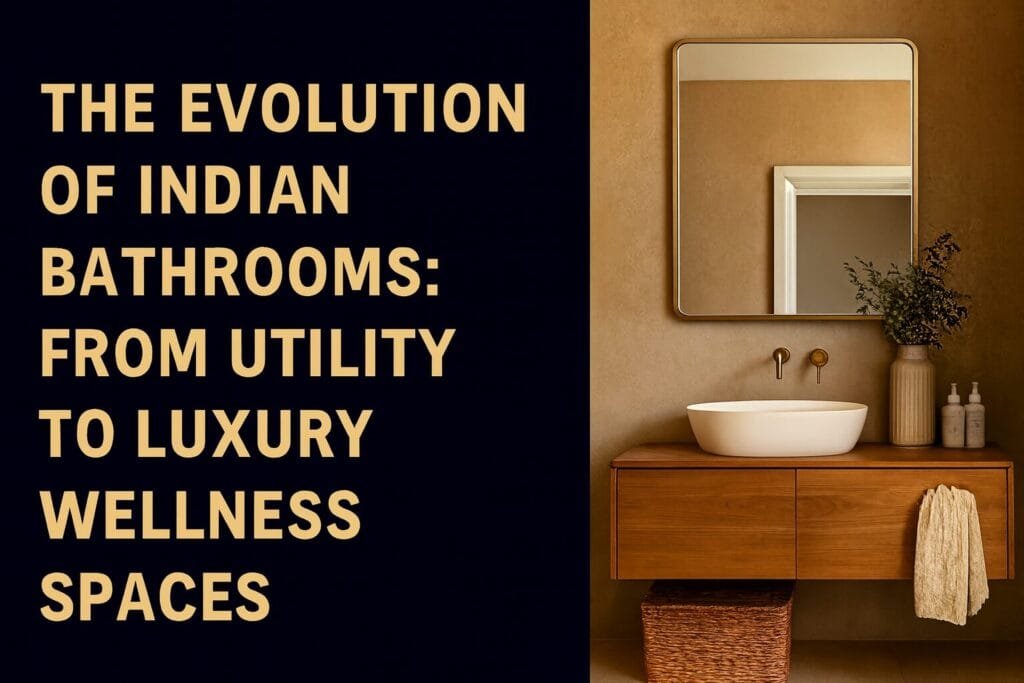
The Evolution of Indian Bathrooms: From Utility to Luxury Wellness Spaces
A Journey Through Time and Design
The bathroom in Indian homes has transformed considerably over the last couple of decades from what essentially used to be just functional spaces. Emerging as a personal sanctuary, today’s bathrooms represent changing lifestyles, rising prosperity, and increased awareness of self-care. This transformation brings new frontiers that allow homeowners to reimagine the most private of areas.
This evolution reflects the broader changes in Indian society: greater urbanization, exposure to global design trends, and an increased disposable income have reshaped expectations. The modern homeowner no longer tolerates basic facilities; they aspire to spaces that bring functionality together with aesthetics and wellness. This transformation has made professional design expertise more valuable than ever.
The Traditional Indian Bathroom Experience
Indian bathrooms have traditionally been designed for functionality rather than comfort. Small compact areas with necessary fixtures serve the purpose adequately. Wet bathrooms with floor drains were the norm across most households. Storage was at a minimum and natural ventilation came through small windows. These spaces prioritize hygiene and practicality above all else.
The materials were simple and durable: ceramic tiles on walls and floors, basic white sanitaryware that dominated the market, and functional lighting, often just one overhead fixture. Apparently, the idea of spending leisure time in bathrooms seemed to belong to another world. These rooms had been designed for a quick, efficient use rather than for leisure or rest.
The Middle-Class Revolution of the 1990s
Economic liberalization in the 1990s ushered in bathroom design changes in India. With rising incomes, middle-class families could now invest in home improvements. Colored tiles and coordinated sanitaryware found their way into most homes. Bathrooms were now becoming a little larger, with separate dry areas appearing in some urban homes. This era marked the beginning of aesthetic consciousness in bathroom design.
This was the period when international brands entered the Indian market. The homeowners now could get better quality fixtures and fittings. Geysers became commonplace in northern cities, changing the way one bathed. The thought of a bathroom being more than a utility area began to take root. Yet, true luxury remained the domain of the select few who could afford superior materials and fixtures.
## The Rise of Attached Bathrooms
Attached or en-suite bathrooms became aspirational features in Indian homes. Earlier, it was common bathrooms that served the entire family or household. A shift to personal bathroom space reflected a growth in emphasis on privacy and comfort. New residential projects started offering multiple bathrooms as standard features. This fundamentally changed how Indians thought about personal space and hygiene.
Builders realized that bathrooms were a key factor in swaying buyers’ decisions. A master bedroom with a bathroom was no longer a luxury but a necessity. Powder rooms for guests provided convenience and status. The multiplication of bathrooms in homes created opportunities for variation in design approach. Each could serve different needs and reflect distinct aesthetic choices.
Modernization and Global Design Influences
The year 2000 brought exposure to international design trends that was unprecedented. Travel, media, and access to the internet showed Indians how bathrooms could be beautiful. Hotel bathrooms, particularly, have started influencing residential design expectations. Features such as rain showers, bathtubs, and ambient lighting make their way from luxury hotels into private homes. Homeowners began asking for similar experiences in their personal spaces.
During this period, the bathroom became a design statement. Coordinated fixtures, designer tiles, and decorative elements became important considerations. The Best Interior Designer in Delhi NCR started receiving requests to make the bathroom spa-like. Natural stone, frameless glass, and contemporary fixtures replace the older styles. The bathroom evolved from hidden necessity to showcased amenity.
Technology Transforms the Bathing Experience
With smart technology, the bathroom experience of Indians has entirely changed. Digital shower controls enable precise temperature regulation. Motion-sensor faucets introduce touchless hygiene. LED mirrors with their integrated lighting and defogging functions are a blend of functionality and style. These innovations have made bathrooms much comfortable and efficient.
Luxury bathrooms boast underfloor heating, chromotherapy lighting, and music systems. Smart toilets feature bidet functions, heated seats, and self-cleaning functions. Water-saving fixtures with sensor technology alleviate environmental concerns without sacrifice in performance. These kinds of technological add-ons require specialized planning and installation to function seamlessly within the overall design scheme.
The Wellness Bathroom Movement
Contemporary Indian bathrooms focus on wellness and self-care. Steam rooms and saunas are mainly seen in upscale residences. Sauna facilities, aromatherapy systems, and chromotherapy lighting create a spa-like atmosphere. Free-standing bathtubs placed near windows offer relaxation with good views. All these touches turn bathrooms into personal wellness retreats.
The pandemic accelerated the interest in home wellness spaces. Bathrooms have become sanctuaries for the relief of stress and mental health. Homeowners invested in upgrading daily bathing rituals. Working with a Best Interior Designer in Delhi NCR helps create bathrooms that support physical and emotional wellbeing. Thoughtful design incorporates lighting, ventilation, and the use of materials to maximize therapeutic benefits alongside spatial flow.
Material Innovation and Aesthetic Diversity
The bathrooms nowadays are really something in terms of material diversity. Natural stone, such as marble and granite, speaks of timelessness, while engineered materials offer durability combined with flexibility in design. Wood-look tiles provide warmth without the maintenance concerns. Glass, metal, and concrete introduce contemporary industrial aesthetics. This variety enables extremely personalized bathroom design.
Textured tiles add visual and tactile interest to both walls and floors, while large-format ones create seamless, spacious appearances. Decorative patterns and mosaic work inject personality and color. Material selection will greatly affect not just aesthetics but also maintenance requirements. Professional designers understand how different materials perform in the humid bathroom environment and guide clients accordingly.
Layout Planning for Maximum Functionality
Effective bathroom design is all about intelligent space planning. Proper zoning effectively separates the wet and dry areas. Comfortable movement and use are ensured by the strategic placement of fixtures. Storage solutions keep surfaces clutter-free and organized. Even small bathrooms can feel spacious with clever design approaches.
Master bathrooms are often designed to incorporate separate bathing, grooming, and dressing zones. Double vanities accommodate couples in comfort and style. Walk-in showers with multiple spray systems offer luxurious bathing. Adequate lighting at the vanities provides proper grooming conditions. These functional considerations require professional expertise to execute correctly within available space and budget constraints.
Lighting Design Creates Ambiance and Functionality
Lighting greatly influences the atmosphere and usability of a bathroom. Layered lighting schemes include ambient, task, and accent lights. Bright lights near mirrors promote easy grooming. Dimmable fixtures can adjust the mood for relaxation. Natural light from windows and skylights also creates healthy, energizing environments.
Sleek and modern designs boast incorporation of LED strips, pendant lights, and decorative fixtures. Lighting emphasizes architectural features and material textures. Waterproof ratings guarantee safety in humid conditions. Smart controls enable customization throughout the day. The expertise of a Best Interior Designer in Delhi NCR ensures lighting plans that balance aesthetics with practical needs.
Storage Solutions for Organized Spaces
Sufficient storage inhibits cluttered bathrooms as well as keeps aesthetics clean. Inset niches provide shower storage without protrusive fixtures. Vanity cabinets store toiletries and personal items accordingly. Medicine cabinets with mirrors provide dual functions. Floating shelves offer supplementary storage while allowing more openness.
With custom cabinetry, the available space is put to good use. The organizers in drawers keep small items both accessible and neat. Tall storage towers are effective in using vertical space. Hidden storage behind mirrors or within walls maintains streamlined appearances. Professional designers thus create storage solutions that anticipate client needs while complementing the overall design aesthetics.
Ventilation and Moisture Management
Proper ventilation is indispensable in the bathroom for reasons of durability and hygiene. Exhaust fans clear the moisture and prevent mold. When possible, natural ventilation is provided by windows. Air circulation protects materials and sustains air quality. Long-term performance of the bathroom depends on these technical considerations.
Waterproofing during construction prevents water damage to surrounding structures. Quality sealants around fixtures prevent leaks. Proper drainage ensures water doesn’t pool on floors. Moisture-resistant materials withstand humid conditions better. Addressing these technical aspects at the design stage helps one avoid costly repairs later.
Color Psychology in Bathroom Design
Color choices strongly influence the atmosphere and perceived size of a bathroom: White and light colors can evoke a clean, spacious feeling. In contrast, bold colors make dramatic design statements. Earth tones are a good choice to bring warmth and connections to nature. The right palette effectively sets the intended mood.
Monochromatic schemes provide sophisticated elegance. Contrasting colors add interest to the visual and bring in energy. Accent walls or colorful tiles prevent monotony in a space. Color affects how spaces feel throughout the day. Professional designers understand color psychology and help their clients in selecting palettes that achieve the wanted atmospheres, retaining timeless appeal.
Sustainable and Eco-Friendly Bathroom Design
The environmental consciousness of today’s world has influenced bathroom design. Water-saving bathroom fixtures decrease consumption without ever reducing performance. LED lighting minimizes energy usage. Sustainable materials, including bamboo and recycled tiles, further the options for making it even more environmentally friendly. These choices are not only good for the environment but also for utility bills.
Proper insulation maintains comfortable temperatures efficiently. Solar water heaters provide sustainable hot water solutions. Low-VOC paints and sealants improve indoor air quality. Greywater recycling systems appeal to environmentally conscious homeowners. Best Interior Designer in Delhi NCR makes sure that green practice inclusion will not affect design aesthetics, focusing on the purposes that the clients are trying to achieve.
The Role of Sanitaryware in Overall Design
Sanitaryware selection plays a leading role in modern bathroom aesthetics and functionality. Wall-hung toilets create modern, space-saving installations while designer wash basins turn into sculptural focal points and bathtubs come in everything from classic clawfoot designs to contemporary geometric forms; each element contributes to the overall design narrative.
Quality sanitaryware ensures durability and reliable performance. Water-efficient models reduce environmental impact. Easy-to-clean surfaces minimize maintenance requirements. Coordinated collections create cohesive aesthetics. Professional designers source appropriate products that balance style, functionality, budget, and maintenance considerations.
Accessorizing for Personality and Function
Thoughful accessories complete bathroom design and add personality. Towel warmers offer an added touch of luxury and convenience. Soap dispensers, toilet paper holders, and robe hooks should be chosen in accordance with the overall aesthetic. Decorative elements-plants, artwork, or candles-are used to personalize spaces. These accents change functional bathrooms into relaxing retreats.
Quality over quantity works for bathroom accessories. Too many can only overcrowd and lose their effect. Each element should either serve a purpose or bring joy. Coordinated finishes can maintain visual harmony. Finally, let professionals guide you in selecting accessories that enhance rather than overwhelm bathroom designs.
Budget Considerations and Strategic Investment
Creating luxury bathrooms requires strategic financial planning. Understand where to invest and where to economize in order to maximize value. Quality fixtures and waterproofing should be significant budget items. These elements have a long-term effect on performance and satisfaction. Decorative elements can be more flexible depending on the budget constraints.
Working with experienced professionals prevents costly mistakes. They understand product quality, appropriate applications, and realistic pricing. Their industry connections often provide access to better pricing. Well-planned bathroom renovations prove to be very good return on investment. Expertise provided by the Best Interior Designer in Delhi NCR will go a long way in stretching budgets effectively to achieve desired results.
Small Bathroom Design Challenges and Solutions
Limited space does not have to imply limited bathroom luxury and functionality. Innovative layouts maximize every square inch. Corner fixtures make use of what would otherwise be lost space. Glass shower enclosures keep sightlines open. Light colors and mirrors create illusions of spaciousness. Small bathrooms can feel luxurious with proper design approaches.
Wall-mounted fixtures free floor space and ease cleaning. Pocket doors save space compared to swinging doors. Vertical storage employs height when floor space is at a premium. Similar flooring throughout eliminates visual breaks that make spaces feel smaller. Professional designers are masters at solving spatial challenges both creatively and functionally.
Luxury Features to Think About
Comforting bathroom features drastically raise the bar on bathroom experiences: Heated floors make cold mornings much more tolerable. Steam showers bring spa experiences to the home. Soaking tubs allow ample time for relaxation. These are investments that greatly pay off in everyday life. Not all luxury features suit every household, and professional guidance can be very effective.
Smart mirrors with television capabilities entertain during grooming routines. Towel warmers ensure comfort after bathing, while sound systems provide ambient music. Automatic night lights ensure no disruption during nighttime use. The Best Interior Designer in Delhi NCR helps prioritize those features that better suit lifestyle needs and available budget.
Maintenance and Longevity Considerations
Design decisions have implications for maintenance over a facility’s lifetime. Materials of quality can support daily use without needing extensive maintenance, unlike cheaper options. Tile grout joints need regular maintenance. Sealing appropriately protects from water damage. Informed design decisions can be made by understanding the maintenance implications.
Smooth, cleanable surfaces reduce cleaning time. Durable finishes resist scratches and discoloration. Quality installation prevents early repairs. Regular maintenance preserves bathroom beauty and functionality. Professional designers make recommendations for materials and finishes that balance looks with practical realities of maintenance.
The Professional Design Advantage
It takes a professional to create truly outstanding bathrooms-visions that call for expertise in spatial relationships, properties of materials, and technical prerequisites. Designers coordinate multiple contractors and manage complex timelines. Their experience prevents common mistakes that cost time and money. Professional involvement ensures bathrooms function beautifully for years. Designers provide access to exclusive products and trade discounts. They create cohesive designs that enhance home value. Their technical knowledge addresses plumbing, electrical, and ventilation requirements. Most importantly, they translate client visions into functional realities. Returns on the investment made in professional design come in the form of superior results and avoided problems. Future Trends Shaping Bathroom Design The bathroom design continues to evolve at a very fast pace. Sustainability will be increasingly the driver of choices for materials and technology. Wellness features will become the norm rather than the exception. Customization and personalization will deepen as mass production fades. Smart technology will be integrated more seamlessly and intuitively. Being up-to-date on emerging trends allows designers and constructors to create bathrooms relevant for longer. For many, design decisions will be predicated on aging-in-place considerations. Universal design principles create accessibility without sacrificing aesthetics. Flexible spaces adapt to changing needs over time. The best interior designer in Delhi NCR achieves the right balance of current preferences with forward planning. This approach maximizes long-term satisfaction and value. Conclusion Embracing the Bathroom Revolution Indian bathrooms have come a long way from being purely utilitarian to luxurious wellness areas. This metamorphosis is reflective of the changing lifestyles, rising prosperity, and increased emphasis on personal wellbeing. Bathrooms today have become private domains that help people maintain good physical health and mental peace. They represent one of the major investments in daily quality of life. Well-designed bathrooms take vision, skill, and attention to detail. Professional designers bring knowledge, creativity, and resources to make the ordinary into something extraordinary. As bathrooms continue to evolve, the benefits of expert guidance will only continue to grow. From renovation of existing spaces to new design, skilled collaboration leads to results that will delight today and endure for years to come.