The Next Interior Design Revolution Nobody Sees Coming
Interior design typically creates static environments. Rooms serve fixed purposes. Layouts remain unchanged for years. Renovations happen only when styles feel dated or needs dramatically change. This permanent approach assumes lives remain stable. However, modern life is increasingly fluid. Careers change frequently. Family structures evolve. Hobbies emerge and fade. Technology transforms how we live. The next revolution in interior design embraces this fluidity. Adaptive spaces will transform throughout the day and over years. Living environments will respond to changing needs automatically. This dynamic approach will redefine what homes can be. The Best Interior Designer in Delhi NCR is already preparing for this revolution that will transform how we think about residential spaces.
The Problem with Static Design
Traditional design creates permanent solutions for temporary situations. A nursery becomes useless when children age. Dedicated offices sit empty when careers change. Guest rooms occupy space despite rare use. This static approach wastes resources and limits flexibility.
Lives change constantly but homes resist adaptation. Major renovations are expensive and disruptive. Most people tolerate suboptimal spaces rather than undertaking renovations. This mismatch between fluid lives and fixed spaces creates ongoing frustration.
The Shift Toward Adaptive Architecture
Forward-thinking designers now create inherently adaptable spaces. Rooms serve multiple purposes. Furniture transforms easily. Storage systems adjust. Technology enables rapid reconfiguration. These adaptive approaches accommodate change without renovation.
Rishabh Interior explores adaptive design principles actively. They create flexibility through thoughtful initial planning. They incorporate transformable elements. They design for change rather than assuming permanence. This future-focused approach serves clients through life transitions.
Transformable Furniture Systems
Furniture has become increasingly adaptable. Beds fold into walls revealing living space. Tables extend for gatherings then compact for daily use. Sofas convert into guest beds. Storage units reconfigure easily. These transformable pieces enable single spaces to serve multiple purposes.
The Best Interior Designer in Delhi selects high-quality transformable furniture that operates smoothly for years. They integrate these systems into cohesive designs rather than treating them as temporary compromises. They create spaces that transform elegantly throughout the day.
Movable Wall Systems
Walls don’t have to be permanent. Sliding partitions create privacy when needed. They disappear when openness is desired. Track-mounted walls reconfigure room sizes. These movable systems allow dramatic space reconfigurations without construction.
Glass walls maintain sightlines while providing acoustic separation. Opaque partitions create complete privacy. Partial-height walls define zones without total separation. The Best Interior Designer in Janakpuri incorporates these flexible systems enabling homes to adapt to changing needs easily.
Multi-Function Room Design
Single-purpose rooms waste space in smaller homes. Multi-function design creates versatility. Guest rooms double as offices. Dining areas transform into workspaces. Living rooms accommodate exercise. This functional flexibility maximizes limited square footage.
Strategic furniture selection enables multiple uses. Proper storage contains different activity equipment. Thoughtful lighting supports varied functions. Design ensures transitions between uses happen smoothly rather than requiring extensive setup.
Technology-Enabled Adaptation
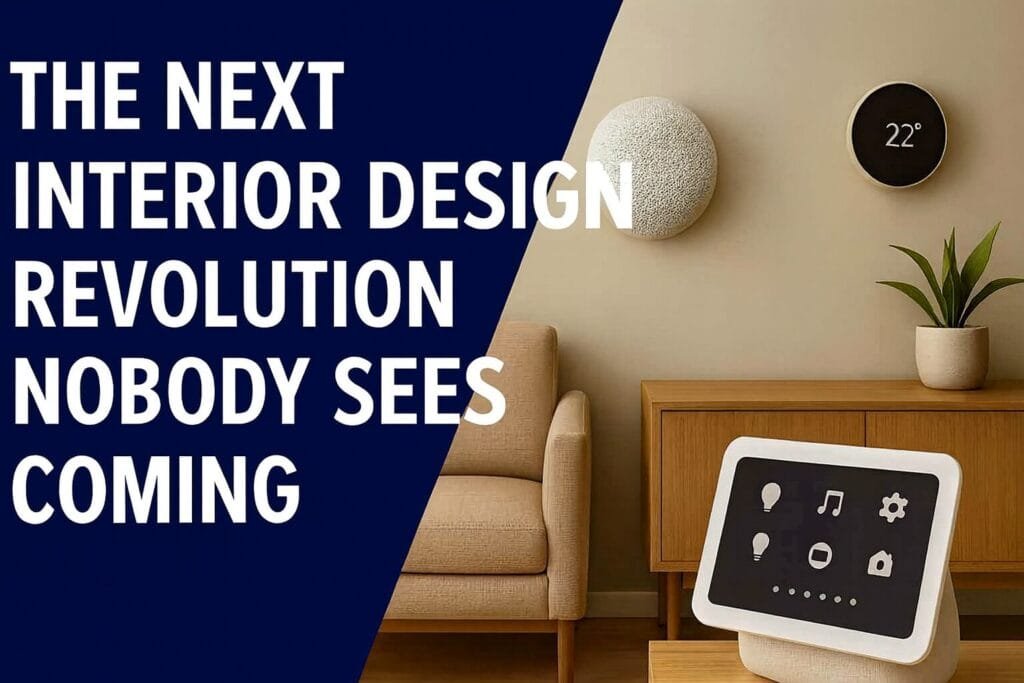
Smart home technology enables unprecedented spatial flexibility. Lighting scenes transform room atmospheres instantly. Motorized furniture reconfigures at button presses. Automated systems adjust environments for different activities. This technology makes adaptation effortless.
Automated shading controls light and privacy. Climate systems adjust for different uses. Entertainment systems appear and disappear. Rishabh Interior integrates these technologies creating spaces that transform seamlessly as needs change throughout days and years.
Circadian Lighting Systems
Lighting affects human biology profoundly. Circadian-aligned lighting adjusts color temperature and intensity throughout the day. Morning light energizes. Evening light promotes relaxation. Nighttime lighting supports sleep preparation. These dynamic systems support health rather than providing static illumination.
The Best Interior Designer in Delhi NCR specifies circadian lighting increasingly. These systems adjust automatically based on time. They can customize for individual schedules. They transform how spaces feel throughout the day supporting biological rhythms.
Acoustic Adaptability
Acoustic needs vary by activity and time. Morning quiet supports concentration. Evening liveliness accommodates socializing. Adaptive acoustic systems modify sound environments. Sound-absorbing panels adjust. White noise systems mask distractions. Smart systems optimize acoustics automatically.
Automated acoustic panels reveal or conceal based on usage. Sound masking activates during focus time. Entertainment systems optimize for content type. These adaptive acoustic approaches create appropriate sound environments for different activities.
Climate Micro-Zoning
Different spaces and times require different temperatures. Sleeping areas need coolness. Active spaces can be warmer. Occupied rooms receive priority. Unoccupied spaces save energy. Smart climate systems create these micro-zones automatically.
Motion sensors detect occupation. Learning algorithms understand patterns. Zoned HVAC delivers targeted comfort. The Best Interior Designer in Delhi works with advanced climate systems creating adaptive temperature environments that maximize comfort while minimizing energy waste.
Augmented Reality Integration
Augmented reality will transform how we experience spaces. Virtual art can change daily. Wall colors can shift seasonally. Furniture can appear different through AR glasses. This technology allows endless visual transformation without physical changes.
While still emerging, AR will revolutionize interior flexibility. Spaces will look completely different to different family members. Seasonal decoration becomes virtual. Trendy styles update digitally without renovation. Forward-thinking designers prepare for this AR integration.
Modular Storage Evolution
Storage needs change constantly. Modular systems adapt easily. Shelving reconfigures for different items. Drawer inserts accommodate new possessions. Closet systems adjust as wardrobes change. This storage flexibility prevents the built-in obsolescence of fixed systems.
High-quality modular systems last decades while adapting continuously. They accommodate changing collections. They adjust as family sizes shift. Rishabh Interior specifies adaptable storage ensuring systems serve clients through multiple life phases.
Convertible Space for Life Stages
Families evolve through predictable stages. Nurseries become children’s rooms then teen spaces then offices. Guest rooms become nurseries then return to guest use. Adaptive design plans for these transitions from the beginning.
Built-in cribs convert to desks. Play storage transforms to book shelving. Height-adjustable elements grow with children. The Best Interior Designer in Janakpuri designs with life stage transitions in mind ensuring spaces adapt gracefully as families evolve.
Outdoor-Indoor Flexibility
Connecting indoor and outdoor spaces creates flexibility. Folding walls open spaces to gardens. Covered outdoor areas extend living space seasonally. These indoor-outdoor connections allow spaces to expand and contract with weather and seasons.
Outdoor kitchens extend entertaining capacity. Covered terraces provide additional living area. Transitional spaces adapt to various weather conditions. This flexible indoor-outdoor integration maximizes usable space throughout the year.
Furniture on Demand
Future furniture may not be owned but summoned as needed. Rental and subscription models provide access without commitment. Furniture swaps refresh spaces regularly. This ownership flexibility allows constant adaptation without storage burdens.
While still emerging, these models suit urban living increasingly. Spaces can transform completely as furniture changes. Trends can be followed affordably. The Best Interior Designer in Delhi NCR anticipates these changing ownership models in planning flexible spaces.
AI-Personalized Environments
Artificial intelligence will enable spaces that learn and adapt automatically. Systems will recognize occupants. Preferences will load automatically. Environments will optimize for current activities. This AI-powered adaptation will happen invisibly and effortlessly.
Lighting will adjust to individual preferences. Temperature will optimize for specific people. Music will reflect moods. Smart homes will become genuinely intelligent spaces that adapt proactively rather than requiring manual control.
Biophilic Adaptability
Bringing nature indoors creates wellbeing. However, plant care can be challenging. Automated irrigation systems simplify maintenance. Smart growing systems ensure plant health. Seasonal changes can happen automatically as plant selections rotate.
Living walls adapt through automated systems. Indoor gardens thrive with smart care. Seasonal plantings change automatically. Rishabh Interior integrates these adaptive biophilic systems creating living environments that change naturally throughout years.
Energy Harvesting Materials
Future materials may generate energy. Solar-integrated surfaces power homes. Kinetic floors capture movement energy. These energy-positive materials transform passive surfaces into active building systems.
While still emerging, these technologies will revolutionize sustainable design. Surfaces will serve multiple functions. Homes will generate significant energy. Forward-thinking designers prepare for these material innovations.
Phase-Change Materials
Phase-change materials absorb and release heat automatically. They moderate temperatures passively. Walls stay cool in summer and warm in winter. These materials create dynamic thermal performance without active systems.
Integration of phase-change materials reduces HVAC dependence. Spaces maintain comfort naturally. Energy consumption decreases dramatically. The Best Interior Designer in Delhi explores these advanced materials for climate-responsive design.
Color-Changing Surfaces
Technology enables surfaces that change color. Thermochromic materials shift with temperature. Photochromic surfaces respond to light. Future surfaces may change color on command. This capability allows visual transformation without repainting.
Accent walls could change seasonally. Rooms could shift mood through color changes. Children’s rooms could evolve without redecoration. These emerging technologies will enable unprecedented visual flexibility.
Responsive Textiles
Smart textiles adjust to environmental conditions. Fabrics warm or cool actively. They change texture and even color. Curtains adjust opacity automatically. These responsive textiles create dynamic rather than static environments.
Furniture upholstery could regulate temperature. Window treatments could optimize light automatically. Bedding could adjust for sleep stages. The Best Interior Designer in Janakpuri anticipates these textile innovations in future-focused design.
Sound-Absorbing Adaptation
Acoustic needs change throughout the day. Future acoustic panels may adjust absorption automatically. Surfaces could become reflective for music or absorptive for conversation. This acoustic adaptability would optimize sound for current activities.
Smart materials responding to sound frequencies could transform acoustic environments. Spaces would sound optimal for any use. Acoustic design would become dynamic rather than static.
Scent Technology Integration
Scent profoundly affects mood and perception. Programmable scent systems could adapt throughout the day. Morning scents could energize. Evening fragrances could relax. Seasonal scents could shift automatically.
Integration of scent technology adds another adaptive dimension. Spaces would smell different for different activities. Unpleasant odors could be neutralized automatically. This often-overlooked sensory dimension will become designable and adaptive.
Health Monitoring Integration
Future homes may monitor occupant health. Air quality systems could detect illness. Sleep monitoring could optimize bedroom environments. Stress detection could trigger calming responses. These health-focused adaptations would support wellbeing proactively.
Surfaces might detect vital signs. Lighting could adjust for detected stress. Environments could optimize for recovery when illness is detected. Rishabh Interior explores health-responsive design as wellness becomes architectural priority.
Cultural and Personal Adaptation
Spaces might adapt to different cultural contexts automatically. Visitors from different backgrounds could experience culturally appropriate environments. Religious accommodations could appear when needed. This cultural adaptability would make spaces welcoming to diverse users.
Personal profiles could load individual preferences automatically. Each family member could experience optimized personal environments. Shared spaces could balance preferences intelligently. This personalization at scale will redefine domestic experience.
The Designer’s Evolving Role
These revolutions will transform the designer’s role. Rather than creating static solutions, designers will create adaptive frameworks. They’ll specify systems rather than fixed elements. They’ll program behaviors rather than just selecting finishes.
The Best Interior Designer in Delhi NCR prepares for this evolution. They develop technical expertise in smart systems. They think in terms of flexibility and adaptation. They design for unknown future needs rather than just current requirements.
Accessibility Through Adaptation
Adaptive spaces dramatically improve accessibility. Environments can adjust for different abilities automatically. Heights adjust for wheelchair users. Lighting optimizes for vision impairments. Acoustic environments adapt for hearing differences.
Universal design becomes truly universal when spaces adapt to individual needs. Aging in place becomes more feasible. Temporary disabilities are accommodated easily. This accessibility revolution makes homes serve everyone better.
Environmental Responsiveness
Beyond user adaptation, spaces will respond to environmental conditions. Air quality changes trigger ventilation adjustments. Weather shifts modify indoor-outdoor connections. Seasonal changes trigger automatic adaptations. This environmental responsiveness optimizes comfort and efficiency.
Homes become living organisms responding to conditions. They protect occupants from environmental stresses. They optimize resource usage automatically. This environmental intelligence makes homes simultaneously more comfortable and sustainable.
Conclusion: Embracing the Adaptive Future
The interior design revolution ahead moves from static permanence to dynamic adaptation. Spaces will transform throughout days and over years. Technology will enable effortless reconfiguration. Materials will become responsive and intelligent. Homes will learn and adapt to occupants automatically. This transformation will redefine what residential spaces can be.
For homeowners throughout Delhi, Janakpuri, and the broader NCR region planning new homes or renovations, considering adaptability is increasingly essential. The Best Interior Designer in Delhi NCR brings forward-thinking expertise in creating flexible, future-ready spaces. They understand that today’s design decisions should accommodate tomorrow’s unknown needs. The investment in adaptive design principles delivers spaces that remain relevant and functional through life’s inevitable changes, creating homes that genuinely serve their inhabitants not just today but throughout decades of evolving needs, technologies, and lifestyles.