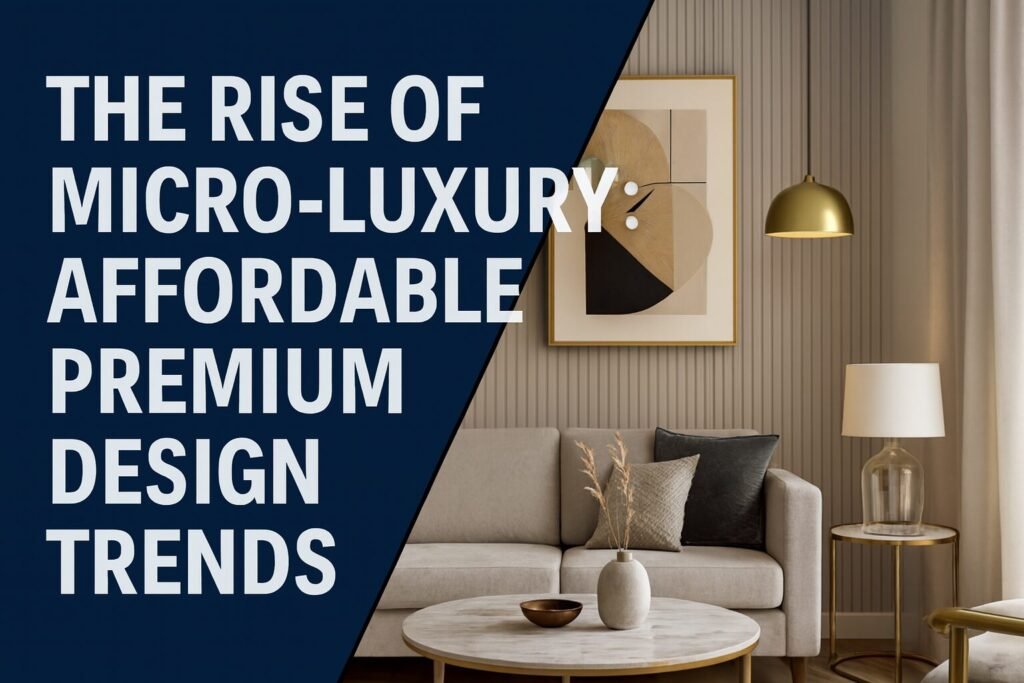
The Rise of Micro-Luxury: Affordable Premium Design Trends
Why Brand Identity Matters in Commercial Interior Design
Your space speaks before you do. It tells customers who you are. It shows them what you value. Every design choice communicates your brand message.
A strong brand identity is what sets apart successful businesses from forgettable ones. Your interior should reinforce that identity. Colors, textures, lighting, and layout all work in harmony to create experiences your customer will remember.
Think of the most iconic brands you can name. Their spaces are instantly recognizable. You walk in and immediately understand what they’re about. It doesn’t happen by accident. Strategic design thinking is required.
Understanding Your Brand Before Designing Your Space
Design begins with clarity about your brand: what sets you apart from your competitors, the feelings you want your customers to experience, and the story you want to convey through your business.
It’s a step that many businesses overlook, jumping out the gate by selecting colors and furniture instead. The result is pretty space without purpose. Your design must link directly to your brand strategy.
Working with the Best Interior Designer in Delhi NCR ensures this foundation is solid. Professionals ask the right questions upfront. They dig deep into your brand values and vision. They translate abstract concepts into concrete design elements.
Color Psychology in Brand-Aligned Interiors
Colors create an emotional response instantly. Red generates energy and excitement. Blue builds trust and calm. Yellow sparks optimism and creativity. Your color choices must align with your brand personality.
Red and yellow are deliberately used by fast-food restaurants. Redness and yellow increase appetite and promote quick turnover. Black, gold, and deep jewel tones are favored by luxury brands. These communicate exclusivity and sophistication.
Your brand colors should dominate the space strategically. They show up in accent walls, furniture, and decorative elements. But color balance matters enormously. Too much overwhelms visitors. Too little barely makes an impact.
Creating Consistent Visual Language Across Touchpoints
Your interior needs to be connected with other expressions of the brand: business cards, websites, and packaging all share design DNA with your physical space. This kind of consistency reinforces brand recognition and creates trust.
Fonts and typography are carriers of brand personality. Modern sans-serif fonts evoke innovation and efficiency, while classic serif fonts reflect tradition and dependability. Your interior signage should reflect these typographic choices.
Patterns and textures add another layer of brand expression. Geometric patterns give a contemporary and structured feel, while organic patterns relate to natural, authentic values. The Best Interior Designer in Delhi NCR knows exactly how to weave these elements cohesively throughout your space.
Brand Experience Strategic Layout
Your floor plan guides customer journey and experience. It determines how people move through your space. It controls what they see first and where their attention focuses. Layout directly affects brand perception.
Luxury brands use spacious layouts and fewer displays. This creates an atmosphere of exclusivity and premium quality. Mass-market retail displays merchandise tightly. This conveys value and abundant choice.
Your reception area sets immediate brand expectations. For corporate offices, it may be sleek minimalism; for creative agencies, it may be bold and unconventional designs. This needs to align perfectly with your brand promise.
Lighting Design to Reinforce Brand Personality
Lighting changes the way people experience your space. Bright, even lighting feels energetic and transparent. Warm, focused lighting creates intimacy and comfort. Your lighting strategy has to reinforce your brand personality.
Retail stores use lighting to highlight products strategically. Restaurants create ambiance with layered lighting schemes. Offices balance productivity needs with comfort. Each industry has its very unique light requirements.
Natural light speaks to openness and honesty. It links interior spaces to the outdoors. Brands positioned on sustainability and wellness focus on natural lighting. But managed artificial lighting allows for more design possibilities.
Material Selection That Communicates Brand Values
Materials carry powerful symbolic meanings. Natural wood suggests authenticity and warmth, polished metal communicates modernity and precision, concrete feels industrial and raw. Your material choices need to be congruent with brand values.
Sustainable brands make sure that the eco-friendly materials used are front and center. Reclaimed wood, recycled metal, low-VOC finishes-all of it shows real concern for the environment. These are not only design statements but also branding statements that appeal to a conscious consumer.
Luxury brands invest in premium materials such as marble, brass, and fine woods. Inherent value in these materials communicates quality and exclusivity. More budget brands might use engineered materials that appear expensive but cost less.
Working with the Best Interior Designer in Delhi NCR ensures that material selection is aimed at accomplishing many tasks: they must look nice, fulfill their functions, and convey brand values simultaneously.
Furniture Selection as Brand Expression
Choices of furniture reveal the brand personality at once. Sleek modern pieces speak of innovation and efficiency, while vintage finds evoke history and character. Plush upholstery invites one to linger around and connect with others.
The tech companies often go for furniture with a minimalistic feel and clean lines, which reinforces the focus on simplicity and functionality. Creative agencies might combine eclectic pieces for visual interest. It showcases their unconventional thinking.
Furniture setup reflects branding, as well. Collaborative workspaces inspire openness and collaboration. Private offices convey hierarchy and formality. Your furniture plan should be an honest representation of your organizational culture.
Incorporating Brand Storytelling via Design Elements
Great spaces tell compelling brand stories visually. They don’t require explanation. Through thoughtful design choices, visitors understand your journey and values. This creates emotional connections in storytelling.
Heritage brands might show historical artifacts and photos. These features are what link past success to current achievements. New brands might want to highlight innovation and progressiveness. Your story will define which elements to use.
Local businesses can focus on community ties. Maps, local materials, and neighborhood references create more personal relationships. National brands may want to highlight consistency and dependability. Your design should be reflective of your market position.
Cultural Sensitivity in Delhi NCR Commercial Spaces
Delhi NCR epitomizes incredible cultural diversity. Your interior design must make respect for and reflect this a reality. Understanding local preferences and sensibilities ensures your brand resonates authentically.
Color meanings differ between cultures: white denotes purity in some societies, but in others, it suggests mourning; red is an auspicious color in Indian culture. This impacts how your brand will be perceived in local markets.
Religious and cultural festivals are influencing factors on commercial design timings. Most businesses renovate their interiors during major celebrations. The Best Interior Designer in Delhi NCR understands the nuances. They will make your brand feel locally relevant and yet keep its global appeal intact.
Technology Integration in Modern Brand Spaces
Technology is increasingly defining the customer’s experience of brands. Digital displays, interactive elements, and smart systems all need to be integrated. They should support, not overpower, your design.
Retail spaces use screens to display products and promotions. Restaurants use digital menus and ordering systems. Offices use video conferencing technology. And every application should feel natural in your branded environment.
Behind the scenes, cable management and infrastructure planning take place. Exposed wiring and visible technology destroy brand perception. A professional designer hides these elements while considering functionality and future flexibility.
Intentional Creation of Instagrammable Moments
Social media exponentially amplifies brand reach. Consumers share visually interesting spaces. Strategic design intentionally creates these shareable moments. They extend the reach of your brand far beyond physical visitors.
Branded feature walls turn into photo backdrops. Special lighting installations command camera attention. Statement furniture pieces beg to be shared. Each of them should feel organic, not contrived.
But Instagram-worthy design has to support real business function. Beautiful spaces that don’t work operationally fail regardless of social media appeal. Balance aesthetic impact with practical functionality always.
## Flexibility and Adaptability in Commercial Interiors
Brands are ever-changing. Your space needs to change and adapt, but not through complete redesigns. Modular systems of flexible elements easily accept updates that keep pace with brand evolution.
Display systems that can be easily reconfigured meet changing merchandise needs. The movable partitions adapt spaces to different uses. Neutral backgrounds accept changing accent colors painlessly. This flexibility protects your design investment.
Seasonal updates keep spaces feeling fresh. Simple changes, like cushions, artwork, or accessories, can shift brand mood. The Best Interior Designer in Delhi NCR plans for this flexibility from the beginning.
Sustainability as Brand Differentiator
Environmental consciousness is increasingly driving consumer choices. Sustainable interior design showcases brand commitment to broader values, which resonates with like-minded customers.
Energy-efficient lighting saves money and is better for the environment. Sustainable materials reduce ecological footprints. Indoor plants purify the air while adding a touch of natural beauty. Such choices convey responsible business practices.
Programs such as LEED serve to validate sustainability claims. They offer third-party verification that engenders customer trust. Many businesses prominently call out such certifications in their spaces.
Acoustic Design for Brand-Appropriate Atmosphere
Sound shapes space experience as powerfully as visuals. Appropriate acoustics support your brand personality: quiet spaces suggest professionalism and focus, lively environments feel energetic and social.
Hard surfaces reflect sound and create energy. Soft materials absorb sound and promote calm. Your acoustic strategy needs to align with brand positioning. Libraries need quiet. Cafes want buzz. Each requires different acoustic treatment.
Music selection and volume control create brand atmosphere. Classical music suggests sophistication. Contemporary pop feels current and accessible. Even silence makes a statement. These decisions need to be intentional and aligned with the brand.
Scent Marketing in Interior Design
Smell can powerfully trigger memory and emotion. Strategic scent design enhances brand experience subtly: hotels use signature fragrances that guests remember, while retail stores create olfactory brand identities.
Natural scents of materials create ambiance: fresh wood, leather, and plants all have distinct smells. Those should be appropriate for your brand personality. Synthetic fragrances need to be carefully selected to not overwhelm any spaces.
The fragrance must support, not overwhelm the design. Subtle background fragrances evoke positive stimuli. Blinding odors repel customers. Professionals know how to maintain this balance.
Budget Conscious Brand Expression
Strong brand identity doesn’t have to mean unlimited budgets. Strategic investment in a few key elements creates impact. It’s all about understanding where to splurge and where to save.
Invest heavily in customer-facing areas. The reception areas and primary spaces need to be of high quality. Utilize back-of-house areas on cheaper solutions. This prioritization maximizes the brand impact per rupee spent.
The Best Interior Designer in Delhi NCR knows how to stretch budgets effectively. They identify affordable alternatives that maintain design integrity. They prevent costly mistakes that waste limited resources.
Brand Consistency in an Expanding Business
Growing businesses face design consistency challenges: multiple locations need to feel cohesively branded. However, each one has its own set of constraints and opportunities. It can be a balancing act to blend consistency with local adaptation.
Provide clear brand guidelines on interior design. Document the color specifications, material choices, and layout principles. These create consistency from location to location and designer to designer. They become your brand’s design constitution.
Allow for flexibility within these guidelines. Local materials and cultural considerations keep spaces relevant. Your brand feels familiar, yet it’s respectful of the local context. This balance strengthens rather than dilutes brand identity.
## Working With Professional Interior Designers
Rarely does DIY commercial design achieve professional results. There are often hidden complexities in the implementation. Permit requirements, building codes, and technical specifications all require expertise. A professional designer navigates these with ease.
Experienced designers ask questions you haven’t considered. They see potential problems before they occur. They know reliable vendors and contractors. This expertise saves time, money, and frustration.
The Best Interior Designer in Delhi NCR brings local market knowledge: they understand the regional suppliers and cost structures, navigate the local regulations efficiently, and deliver projects on time and within budget.
Measuring Design Success Through Business Metrics
Beautiful design should drive business outcomes. Measure the metrics that mean something to your business. Sales per square foot, customer dwell time, and conversion rate-all of these are indicators of effective design.
Customer feedback on the brand perception shows how design impacts consumers. Mention of space atmosphere in surveys and reviews is very frequent, while social media engagement showcases whether or not spaces resonate on an emotional level. These insights guide future design decisions.
Employee satisfaction metrics are important in the office environment. The productive workspace attracts and retains talent. Design impacts recruiting and retention directly, therefore these benefits justify design investments quite clearly.
Case Studies: Brand Identity Through Design Excellence
Leading brands show the power of design in building brands. Apple stores reflect minimalism and innovation with global consistency. Starbucks builds comfort that feels local everywhere. These are successes driven by strategic design thinking.
Indian brands excel in identity-driven design, too. FabIndia articulates Indian craftsmanship honestly. Cafe Coffee Day designed its spaces with a distinct signature of comfort. Needless to say, their success proves that effective design is not about the budget and scale.
Your business can have the same brand clarity through design. The Best Interior Designer in Delhi NCR will help you articulate your unique story. They’ll transform brand strategy into physical reality that customers experience and remember.
Brand Environments That Are Future Proof
Design trends are ever-changing. Your space shouldn’t feel outdated within a short period of time. Timeless design principles ensure longevity. They let you update details without complete overhauls. Classic proportions and quality materials age gracefully. Trendy details can refresh periodically through accessories. In this way, design investments are protected and the spaces remain current. Strategic planning makes it possible. Technology infrastructure requires future-thinking: plan for capabilities you don’t need yet. Conduits and wiring allow for easy upgrades. This flexibility will prevent expensive retrofits later. Conclusion: Your Space, Your Brand Interior design is brand strategy manifested. Every element speaks to your values and vision. Thoughtful design is what separates memorable brands from forgettable ones. Invest in strategic interior design, and the dividends pay on forever. Success requires deep understanding of your brand. It demands translation of abstract values into concrete design, balancing aesthetics with functionality-a task where professional expertise becomes invaluable. Partnering with the Best Interior Designer in Delhi NCR helps turn brand vision into reality. These specialists bring together creative talent and technical knowledge. They give shape to spaces that are not just beautiful to look at, but create your brand day in and day out. Your interior is your most powerful marketing tool, telling your story to everybody who enters.