What Makes a Home Feel Emotionally Safe
Home should be more than walls and furniture. It should be a sanctuary where you feel protected, calm, and genuinely yourself. Emotional safety in your living space goes beyond physical security. It encompasses the subtle ways your environment supports mental well-being, nurtures relationships, and allows authentic self-expression. This deep connection between interior design and emotional health has transformed how the Best Interior Designer in Delhi approaches residential projects today.
Understanding Emotional Safety in Your Living Environment
Emotional safety means feeling secure enough to relax completely. When you walk through your door, stress should melt away. Your shoulders drop. Your breathing deepens. This physiological response happens when your space aligns with your deepest needs. The Best Interior Designer in Delhi NCR understands this connection intimately and designs spaces that actively promote well-being rather than simply looking attractive.
Your brain constantly processes environmental cues. Colors affect mood. Lighting influences energy levels. Spatial arrangements impact how you interact with loved ones. Every design choice either supports or undermines your sense of security. Professional designers recognize these psychological dimensions and create environments that nurture rather than drain emotional resources.
The Role of Personalization in Creating Safe Spaces
Generic spaces rarely feel safe. Cookie-cutter designs fail to reflect who you truly are. Emotional safety requires personalization that honors your unique story, preferences, and lifestyle patterns. The Best Interior Designer in Janakpuri specializes in discovering what makes each client feel genuinely at home, then translating those insights into tangible design elements.
Personalization starts with deep listening. Skilled designers ask about your daily routines, favorite memories, and things that bring you joy. They notice what makes you comfortable. These observations inform every subsequent decision, from furniture selection to color palettes. When your space reflects your authentic self, you naturally feel more emotionally grounded within it.
Family photographs tell your story. Artwork that resonates with your values creates visual anchors. Furniture arranged to support your actual living patterns rather than magazine layouts makes daily life flow smoothly. These personalized touches transform a house into a home. Working with professionals who understand this distinction makes the difference between spaces that merely function and spaces that truly nurture.
Color Psychology and Its Impact on Emotional Well-being
Colors profoundly affect your emotional state. Blue tones promote calm and reduce anxiety. Warm yellows create feelings of optimism and energy. Soft greens connect you with nature and encourage relaxation. Understanding color psychology allows the Best Interior Designer in Delhi NCR to craft spaces that actively support your emotional needs throughout different areas of your home.
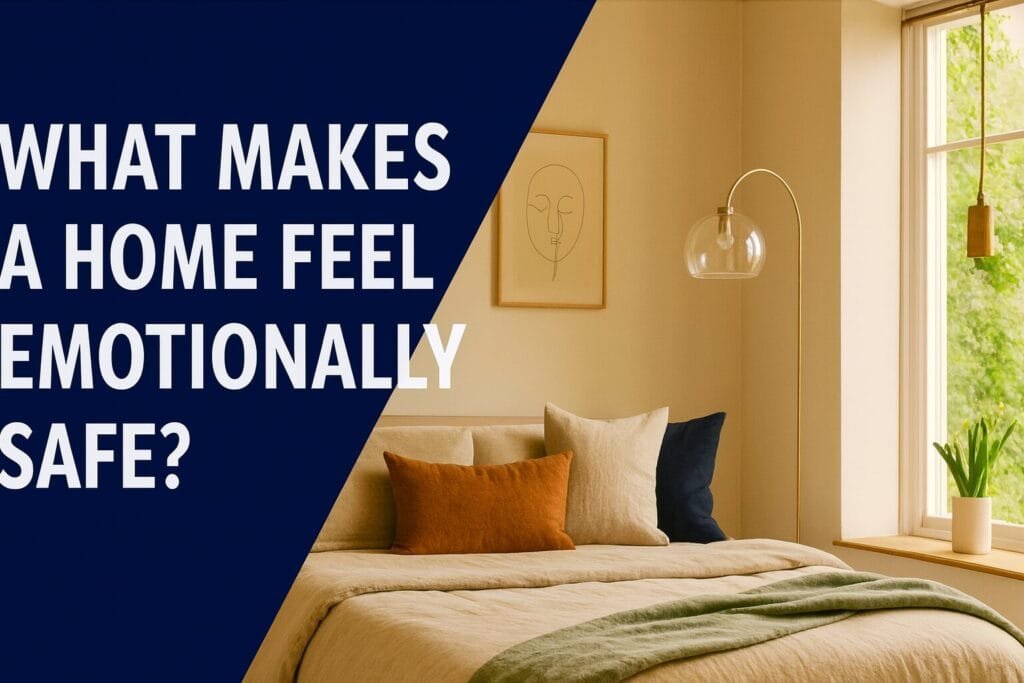
Bedrooms benefit from soothing palettes that signal to your nervous system that it’s time to unwind. Deeper blues, soft grays, and muted lavenders create restful environments conducive to quality sleep. Living areas might incorporate warmer tones that encourage social connection and conversation. Home offices could use energizing yet focused colors that support concentration without causing overstimulation.
Color intensity matters as much as hue selection. Highly saturated colors can feel overwhelming in large doses. Softer, more muted versions of your preferred colors often create more emotionally comfortable environments. Professional designers balance these elements skillfully, creating visual interest without emotional overwhelm. This expertise proves invaluable when you want spaces that feel both beautiful and psychologically supportive.
Lighting Design That Supports Emotional Rhythms
Harsh overhead lighting rarely creates emotional safety. Cold fluorescent tubes can trigger stress responses. In contrast, layered lighting that mimics natural patterns supports your body’s circadian rhythms and creates environments where you can genuinely relax. The Best Interior Designer in Delhi prioritizes lighting schemes that adapt to different times of day and varied emotional needs.
Natural light remains the gold standard for emotional well-being. Strategic window placement and thoughtful use of reflective surfaces maximize daylight penetration throughout your space. When artificial lighting becomes necessary, warm color temperatures create more inviting atmospheres than cool white alternatives. Dimmer switches allow you to adjust intensity based on your current emotional state and activity requirements.
Task lighting for specific activities reduces eye strain and frustration. Ambient lighting creates overall mood. Accent lighting highlights meaningful objects and creates visual interest. This three-layer approach gives you control over your environment’s emotional tone. You can create bright, energizing mornings and soft, peaceful evenings simply by adjusting your lighting scheme.
Spatial Organization That Reduces Anxiety
Clutter creates mental noise. Disorganization triggers stress hormones. When you cannot find what you need or feel overwhelmed by visual chaos, your home undermines rather than supports emotional safety. Thoughtful spatial organization addresses these challenges through strategic storage solutions and intentional furniture placement. Professionals like the Best Interior Designer in Janakpuri excel at creating order without sacrificing warmth or personality.
Everything needs a designated home. When objects have specific storage locations, maintaining order becomes effortless rather than exhausting. Built-in solutions often work better than freestanding furniture because they maximize space efficiency while creating cleaner visual lines. Closed storage conceals everyday items that would otherwise create visual clutter, allowing displayed items to truly shine.
Traffic flow matters enormously for emotional comfort. Furniture arrangements should facilitate easy movement rather than creating obstacles. Open pathways reduce frustration and allow energy to circulate freely throughout your space. The Best Interior Designer in Delhi NCR pays careful attention to these spatial relationships, ensuring your home supports rather than hinders your daily activities.
Creating Boundaries Within Open Spaces
Modern homes often feature open floor plans. While these create visual spaciousness, they can also blur important emotional boundaries between different life activities. Effective design creates subtle separations that allow you to mentally shift between different roles and activities throughout your day. This becomes particularly important for families or individuals working from home.
Visual dividers need not be solid walls. Area rugs define distinct zones within larger rooms. Furniture placement creates implied boundaries. Partial walls or decorative screens provide separation while maintaining openness. These design strategies allow you to compartmentalize different aspects of your life, supporting healthier work-life balance and clearer mental transitions between activities.
Acoustic separation matters as much as visual division. Sound travels freely in open spaces, potentially creating tension when different family members have competing needs. Strategic placement of sound-absorbing materials, thoughtful furniture arrangements, and sometimes architectural interventions help create acoustic privacy. The Best Interior Designer in Delhi understands how these elements work together to create truly functional, emotionally supportive environments.
Materials and Textures That Invite Touch and Comfort
Emotional safety has a tactile dimension. Materials you encounter daily should feel pleasant and inviting. Cold, hard surfaces throughout your home can create emotional distance and discomfort. In contrast, varied textures that include soft, warm, and natural elements create sensory richness that supports emotional well-being. Professional designers carefully balance aesthetic considerations with tactile comfort.
Natural materials generally feel more emotionally grounding than synthetic alternatives. Wood brings warmth and organic beauty. Stone connects you to earth elements. Natural fibers in textiles feel more comfortable against skin than many synthetic options. These materials also age gracefully, developing character over time rather than simply deteriorating. This quality contributes to long-term emotional satisfaction with your space.
Layering different textures creates visual and tactile interest. Smooth leather contrasts beautifully with nubby linen. Polished wood pairs well with soft wool. These combinations engage your senses and create environments that feel rich and nurturing. The Best Interior Designer in Delhi NCR skillfully orchestrates these elements, creating homes that delight at every sensory level while maintaining cohesive visual narratives.
Incorporating Nature for Grounding and Calm
Biophilic design recognizes humans’ innate connection to nature. Bringing natural elements into your home reduces stress, improves mood, and creates deeper feelings of emotional safety. This can happen through actual plants, natural materials, nature-inspired patterns, or visual connections to outdoor environments. Each approach offers unique benefits for emotional well-being.
Indoor plants do more than look attractive. They improve air quality, reduce noise, and provide living elements that many people find emotionally soothing. Even small spaces can accommodate greenery through vertical gardens, hanging planters, or windowsill collections. Caring for plants also creates gentle routines that ground you in the present moment and provide a sense of nurturing accomplishment.
Views of nature through windows create psychological benefits even when you’re not actively looking outside. Your peripheral awareness of natural elements reduces stress and improves focus. When direct nature views aren’t available, nature-inspired artwork or patterns can provide similar benefits. Water features create soothing sounds that mask jarring noise and promote relaxation. The Best Interior Designer in Janakpuri integrates these biophilic elements thoughtfully, creating homes that feel connected to the natural world.
Furniture Selection That Supports Connection and Solitude
Your furniture should accommodate both social connection and private retreat. Comfortable seating arranged to encourage conversation strengthens relationships. Personal spaces where you can withdraw and recharge support individual well-being. Both elements contribute to emotional safety by honoring different aspects of human needs. Skilled designers create homes that balance these sometimes competing requirements.
Conversation areas work best when seating faces inward rather than toward entertainment devices. This arrangement prioritizes human connection over passive consumption. Comfortable chairs at appropriate distances allow eye contact without feeling crowded. Side tables and good lighting support extended conversations by providing places for drinks and creating flattering illumination.
Personal retreat spaces require different considerations. A reading nook needs excellent lighting, comfortable seating, and some sense of enclosure that creates psychological separation from household activity. Window seats overlooking gardens provide peaceful contemplation spaces. Even small homes can incorporate these elements through thoughtful furniture selection and placement. The Best Interior Designer in Delhi helps clients identify opportunities for both connection and solitude within their available square footage.
Memory and Meaning Through Display and Arrangement
Objects that hold personal meaning create emotional anchors throughout your home. Family heirlooms connect you to your history. Travel souvenirs remind you of meaningful experiences. Children’s artwork celebrates relationships and growth. Displaying these items thoughtfully honors their significance while maintaining visual harmony. This balance requires thoughtful curation and skilled design.
Too many meaningful objects create visual chaos that undermines their emotional impact. Rotating displays keep things fresh while preventing overwhelm. Gallery walls tell visual stories when thoughtfully arranged. Dedicated spaces for treasured items give them prominence while containing their visual impact. Professional designers excel at creating display solutions that honor sentiment without sacrificing aesthetics.
The placement of meaningful objects matters significantly. Items you see frequently upon entering your home greet you and reinforce belonging. Objects placed in private spaces support personal reflection. Shared family items in common areas strengthen collective identity. The Best Interior Designer in Delhi NCR understands these psychological dimensions and creates placement strategies that maximize emotional resonance.
Sensory Comfort Beyond Visual Aesthetics
Beautiful spaces that assault other senses ultimately feel unsafe. Temperature extremes create discomfort. Harsh sounds trigger stress. Unpleasant odors undermine relaxation. Emotionally safe homes address all sensory dimensions, not just visual appearance. This holistic approach requires attention to systems and materials that many people overlook when focusing solely on aesthetics.
Temperature regulation significantly affects emotional comfort. Consistent, comfortable temperatures allow you to relax without constant awareness of physical discomfort. Proper insulation, efficient climate control systems, and thoughtful material selection all contribute. Natural materials often regulate temperature better than synthetic alternatives, staying cooler in summer and warmer in winter through their inherent properties.
Acoustic comfort requires careful material selection and spatial planning. Hard surfaces reflect sound, creating echo and noise amplification. Soft furnishings, carpets, and acoustic panels absorb sound, creating quieter environments. Background noise levels affect stress and concentration. Addressing these acoustic concerns creates spaces where you can truly relax. The Best Interior Designer in Janakpuri considers these often-overlooked elements when creating comprehensive design solutions.
Flexibility and Adaptation for Life’s Changes
Life constantly evolves. Children grow. Careers shift. Relationships transform. Emotionally safe homes accommodate these changes without requiring complete redesign. Flexible spaces that adapt to new needs create security by remaining relevant through life’s transitions. This forward-thinking approach prevents the stress and expense of frequent major renovations.
Modular furniture systems offer exceptional adaptability. Pieces can be reconfigured as needs change. Rooms can shift purposes when designed with this flexibility in mind. Guest rooms that function as home offices require thoughtful dual-purpose solutions. Children’s rooms that grow with them from toddler to teenager need adaptable storage and furniture systems. Professional designers anticipate these transitions and create solutions that evolve gracefully.
Universal design principles ensure your home remains accessible regardless of physical capabilities. Wider doorways accommodate different mobility needs. Lever handles prove easier than knobs for many people. Curbless showers prevent tripping hazards while remaining stylish. These considerations create homes that feel safe across different life stages and circumstances. The Best Interior Designer in Delhi incorporates these principles without compromising aesthetic vision.
Why Professional Expertise Matters for Emotional Safety
Creating emotionally safe spaces requires expertise that extends beyond visual design. Understanding psychological responses to environments, anticipating practical needs, and balancing multiple competing priorities demands professional knowledge and experience. The Best Interior Designer in Delhi NCR brings this comprehensive understanding to every project, creating homes that nurture residents at every level.
Professional designers save you from costly mistakes that undermine emotional comfort. They recognize potential issues before implementation and offer solutions you might not have considered. Their relationships with quality suppliers ensure appropriate materials and furnishings. Their project management skills reduce stress during the renovation process itself, which significantly impacts your overall experience and satisfaction.
Rishabh Interior exemplifies this professional approach through their commitment to understanding each client’s unique emotional needs alongside practical requirements. Their portfolio spanning residential, commercial, and hospitality projects demonstrates versatility and deep expertise. With over fifteen years of experience and more than two hundred completed projects, they bring proven capabilities to creating spaces that truly feel like home. Their budget-conscious approach starting at reasonable price points makes professional design accessible to more families throughout Delhi NCR.
The Integration of Safety and Beauty
Emotional safety and aesthetic beauty need not conflict. The most successful homes integrate both seamlessly. Beautiful environments that also support well-being create joy that superficial prettiness cannot match. This integration requires understanding that true beauty serves human needs rather than existing solely for visual impact. Skilled designers navigate this balance expertly.
Functionality forms the foundation. Spaces must work efficiently for your actual lifestyle before decorative concerns. Once functional requirements are met, aesthetic enhancement amplifies your enjoyment and emotional connection. This approach prevents the common disappointment of beautiful spaces that prove frustrating in daily use. Beauty that supports your life creates lasting satisfaction.
The Best Interior Designer in Janakpuri builds emotional safety into every project from initial planning. They don’t treat psychological comfort as an afterthought to be addressed after aesthetic decisions. This integrated approach creates homes that feel right at both conscious and subconscious levels. You may not immediately identify why a space feels so comfortable, but you’ll definitely notice the difference compared to spaces designed without this comprehensive consideration.
Creating Your Emotionally Safe Haven
Your home profoundly impacts your emotional well-being. Thoughtful design that addresses psychological needs alongside practical requirements creates spaces where you can truly thrive. From color psychology and lighting design to spatial organization and sensory comfort, every element contributes to how safe and supported you feel within your space. This understanding transforms interior design from a purely aesthetic pursuit into a powerful tool for enhancing quality of life.
Professional guidance makes the difference between spaces that merely function and spaces that actively nurture. The Best Interior Designer in Delhi NCR brings expertise that encompasses technical knowledge, psychological understanding, and creative vision. They help you articulate needs you might not have consciously recognized and translate those needs into beautiful, functional realities. This partnership creates homes that reflect who you truly are while supporting who you’re becoming.
Rishabh Interior stands ready to partner with you in creating your emotionally safe haven. Their comprehensive approach addresses every dimension of comfort and well-being while respecting your budget and timeline. With services spanning modular kitchens, complete home interiors, and turnkey solutions, they provide the expertise and support needed to transform your living space into a true sanctuary. Contact them to begin your journey toward a home that doesn’t just house you but genuinely nurtures your well-being every single day.