Why Personalization Is the Future of Home Interiors in India
Designing a timeless home means understanding those design principles that will remain beautiful for decades. Trends come and go, but there are some fundamentals that don’t budge. These principles create spaces that feel fresh year after year.
The modern Indian homes have their own set of design challenges. For one, they need to skillfully balance the traditional values with contemporary lifestyles. The best interior designer in Delhi NCR will ensure your home achieves just the right balance.
Understanding Timeless Design Philosophy
Timeless design surpasses the bounds of temporary trends to focus on quality, proportion, and enduring aesthetics, allowing spaces to age gracefully rather than feeling dated.
Good design serves both beauty and function equally. Spaces must function practically for daily living. A pretty environment that does not function is a frustrating one.
Investment in timeless design will pay long-term dividends, with no need for renovations to keep up with the times. Quality choices stay valuable and in style indefinitely.
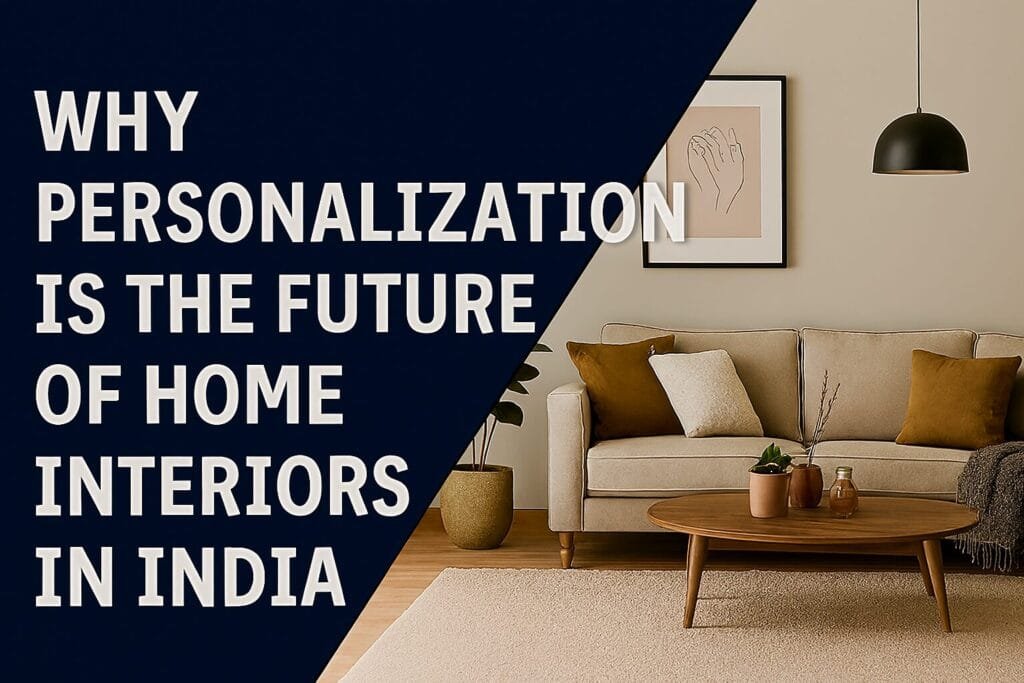
The Foundation of Balanced Proportions
The proper scale and proportion create visual harmony. Furniture should fit room dimensions appropriately. Large pieces overwhelm small spaces, while tiny furniture disappears in large rooms.
Ceiling height influences choices of furniture and fixture. Tall ceilings allow for tall pieces of furniture and dramatic lighting; low ceilings demand lower-profile selections.
Visual balance of weight avoids unbalanced areas. Heavy furniture should not be crowded on one side. Spread heavy pieces around the room.
An ideal interior designer intuitively understands proportional relationships. The trained eye catches imbalances that others will miss. This prevents costly mistakes.
Quality Over Quantity Always
A few good pieces are better than many mediocre ones. With proper care, good furniture can last throughout generations. Cheaper ones need to be replaced more often.
Natural materials age well. Wood develops rich patinas, and leather softens and becomes more lustrous with time; these changes add character.
Quality of construction dictates furniture life. Solid wood frames far outlive particle board. Proper joinery withstands daily use indefinitely.
Investment pieces deserve bigger budgets. Sofas, beds, and dining tables are used all the time. It makes economic sense to spend more on such items.
Foundations in Neutral Colors
Neutral base colors provide timeless backdrops. Whites, grays, beiges, and taupes never go out of style. They create sophisticated, versatile foundations.
Neutrals offer flexibility in accent colors. Change throw pillows, artwork, or accessories to refresh the looks. The base remains constant while the details evolve.
Natural light greatly affects color appearance. Test paint colors in actual lighting conditions. What looks perfect in the store may disappoint at home.
Warm neutrals suit Indian homes particularly well. They complement skin tones and create warm environments. Cool grays may make spaces seem cold unless carefully balanced.
Natural Light as a Priority
Maximizing natural light dramatically improves any space. Sunlight enriches colors, lifts moods, and reduces energy costs. Design must be done with maximum access to light in mind.
Window treatments should frame the views, not block them. Sheer curtains let in light and provide privacy. Heavy drapes work for bedrooms that require darkness.
Placing mirrors increases the available light. Strategically placed, mirrors will bounce light throughout a room. This easy trick significantly brightens areas.
The best interior designer in Delhi NCR has lighting planned comprehensively. They consider the natural light pattern throughout the day. Artificial lighting supplements rather than replaces daylight.
Functional Floor Plans
Room layouts should support actual patterns of living. Traffic flow should feel natural and unimpeded, and furniture placement shouldn’t necessitate awkward navigation.
It is important to have appropriate seating in each conversation area. Chairs and sofas are generally placed to face one another but at distances comfortable for conversations. Too far apart impedes easy conversation.
Zoning should be distinct. Distinguishing between dining, workspace, and places of rest is a must. Careful zoning is required in open plans.
Flexibility accommodates changing needs over time. Young families need different configurations than empty nesters. Adaptable layouts serve various life stages.
Mix the Old with the New
It brings depth to combine vintage and contemporary pieces. Completely new furnishings can sometimes feel sterile and impersonal. Older items add character and stories.
Inherited pieces meanfully link generations. Grandmother’s chest or grandfather’s chair carry emotional value. Incorporation of heirlooms salutes family history.
Contrast avoids the monotony of repetition. Disparate eras, styles, and materials create visual interest. The trick is to find common threads that tie unlike elements together.
The best interior designer in Delhi NCR excels at eclectic mixing. They see the connection of things that others can’t. Their curation creates cohesive diversity.
Investment in Good Lighting
Layered lighting performs many functions at the same time. Ambient provides general illumination, task lighting supports activities, and accent lighting highlights features.
Dimmer switches give flexibility to fixed fixtures. Changing brightness according to time and even mood helps in lighting’s versatility, even with just this simple addition.
Statement light fixtures become room focal points. Chandeliers, pendants and unique lamps show personality. They’re functional sculpture.
Artificial lighting needs vary by natural light cycles. Different approaches will be required for mornings and evenings; smart design accommodates these changing requirements.
Texture Creates Visual Interest
Varied textures prevent flat, boring spaces. Smooth and rough, shiny and matte create engaging contrasts. These differences add depth without color.
Textiles present the easiest way to vary texture. Different qualities are added by velvet, linen, wool, and cotton. Layering different fabrics creates richness.
Natural materials are inherently textured: the grain of wood, the pattern in stone, and the weave in textiles. These organic textures feel grounding.
Wall treatments beyond paint introduce texture too. Wallpaper, wood panels, or exposed brick create interest. These surfaces themselves then become design features.
Defining Spaces Through Area Rugs
Rugs anchor furniture groupings visually. They define conversation areas in open floor plans. Proper sizing is key to their effectiveness.
Rug scale should accommodate furniture appropriately: Front furniture legs are to rest on the rug. This will ground the arrangement properly.
Quality rugs are valuable investments. Well-cared-for, hand-knotted pieces can last for decades. They actually develop character as time goes by.
Pattern and color choices also have an impact on longevity: Subtle designs remain appealing longer than bold ones. But personality does matter.
Art as Personal Expression
Artwork makes spaces uniquely yours. Mass-produced prints lack soul and distinction. Original pieces or meaningful reproductions tell your story.
Scale matters enormously in wall art: tiny pieces disappear on large walls; oversized art overwhelms small spaces.
Grouping smaller pieces creates impact. Gallery walls display collections cohesively. Arrangements should feel intentional, not random.
Top interior designers in Delhi NCR assist in sourcing and placing art. They understand visual weight and composition, guiding you through the process and preventing common mistakes.
Storage Solutions to Avoid Clutter
Adequate storage maintains visual calm. Clutter destroys even beautiful design. Every item needs a designated home.
Built-in storage maximizes space efficiency. Awkward areas are utilized effectively by custom cabinetry. It adds value to the property.
Furniture with concealed storage serves a dual purpose. Ottoman storage, drawers in the bed, and hollow benches hide things. Function blends with form.
Displayed storage showcases beautiful objects. Open shelving exposes collections and treasured items, becoming design features in its own right.
Kitchen Design for Longevity
Classic kitchen styles tend to outlast trendy ones. Shaker cabinets and simple profiles remain appealing forever. Ornate details date quickly.
Quality appliances justify higher initial costs. Reliable brands reduce replacement frequency. Poor appliances are a source of constant frustration.
Work triangle principles improve functionality. The sink, stove, and refrigerator should all form efficient triangles. This placement eliminates unnecessary movements.
Durable materials withstand kitchen demands: granite, quartz, quality tile resist damage. Cheap materials show wear quickly.
Bathroom Timeless Elegance
White fixtures never go out of style. Colored sinks and toilets immediately date spaces. Classic white works with any design direction.
Quality fixtures in plumbing last for decades. Cheap faucets leak and break. Investment in good hardware prevents frequent replacements.
Longevity is greatly affected by tile choices. Classic subway tiles and natural stones remain appealing while trendy patterns date quickly.
Proper ventilation avoids moisture damage. Sufficient ventilation is maintained through fans and windows to keep the bathroom healthy. Poor ventilation leads to expensive problems.
Bedroom Sanctuary Principles
The bedroom is meant for sleep. It should have a range of colors and textiles that are soothing. Too much stimulation in the room leads to disturbed sleep.
Quality mattresses greatly influence sleep and health, while cheap mattresses wear quickly and cause pain. It is an investment that will affect daily well-being.
Window treatments bring about needed darkness. Blackout capabilities mean significant improvement with sleeping. Especially for light sleepers.
Storage prevents cluttered bedrooms. Enough closet space and dressers will keep things organized. Clothing piles will destroy any peaceful atmosphere.
Living Room Versatility
The living room has multiple uses: entertaining, relaxing, and spending time with the family. The design should reflect this.
Seating should be comfortable and durable. Living room furniture sees heavy use; quality construction prevents sagging and breakdown.
Focal points organize rooms. Fireplaces, windows, or televisions anchor the arrangements. A clearly defined focal point avoids confusion.
Conversation-friendly layouts bring people together. U-shaped seating arrangements work wonderfully. Everybody can see and hear one another rather easily.
Dining Spaces for Connection
Dining tables accommodate your usual gatherings. Too large is a waste of space, too small excludes. Right sizing is everything.
Expandable tables offer flexibility. They handle both daily use and special occasions. This adaptability proves invaluable.
The height of lighting impacts dining comfort. Chandeliers must hang appropriate distances above tables. Too high or low creates problems.
Comfortable chairs let people linger. Hard seats rush meals. Quality dining chairs elevate experiences.
INTEGRATION WITH OUTDOOR SPACE
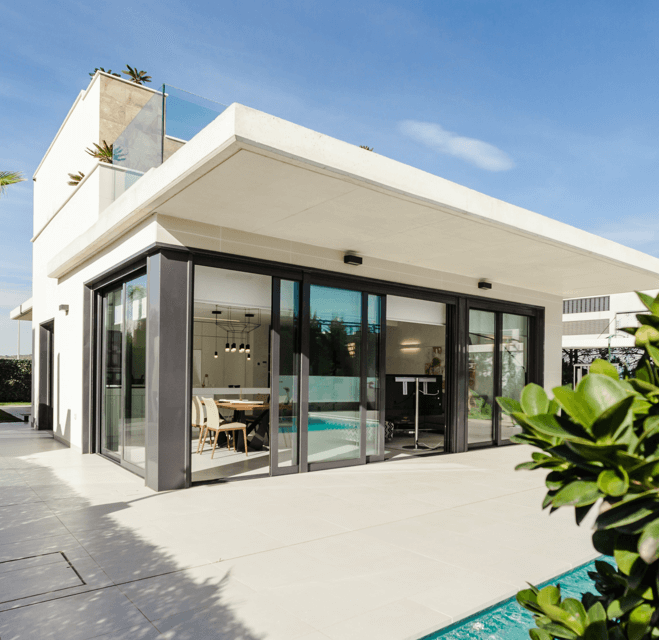
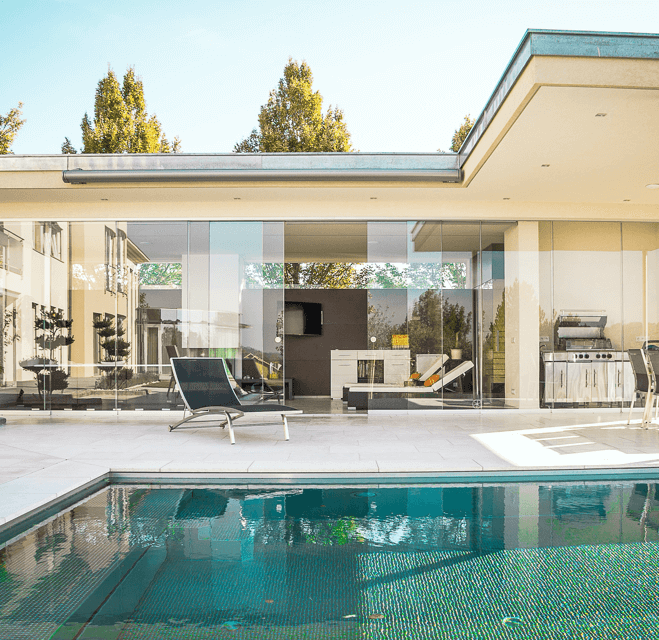
Linking interior and exterior spaces together creates expanded living areas. Large windows and doors blur demarcation lines. The openness works well in Indian climates.
Covered outdoor areas extend their usability. Patios and verandas protect from the sun and precipitation. They may also be living spaces year-round.
Outdoor furniture has to stand up to the elements. Good-quality materials can resist sun and moisture damage. More affordable options for outdoor furniture break down a lot more quickly.
Landscaping frames architectural features beautifully. Plants soften hard surfaces and add life. Gardens require ongoing maintenance commitment.
Sustainability of Materials Used
Sustainable materials benefit both the environment and health. Low-VOC paints improve indoor air quality. These choices protect family wellbeing.
Locally sourced materials reduce environmental impact. They support local economies, too. This is a consideration that matters increasingly.
Durable materials reduce replacement needs; longevity is about sustainability, too. Quality choices prevent landfill waste.
The best interior designer in Delhi NCR would opt for sustainable options. They will know all about eco-friendly sources and products. This expertise benefits clients and the planet.
Personal Touches Making Houses Homes
Generic design has no soul or warmth. It’s personal things and memories that give places character. Your home needs to tell your story.
Family photographs document the journey of life. Showcase them prominently and proudly. These images make houses feel like homes.
Collections showcase passions and interests. Books, art, or objects tell who you are. Well-curated collections are great conversation pieces.
Travel keepsakes connect residences to adventures. Souvenirs from meaningful journeys evoke memories. These items are irreplaceably sentimental.
Tech Integration Thoughtfully
Modern homes demand technology infrastructures. But equipment mustn’t dominate the spaces. Thoughtful integration maintains the aesthetic integrity.
Cable management prevents visual chaos. Inbuilt channels and strategic furniture hide wires. Clean appearances require planning.
Smart home systems offer convenience through controlling lights, climate, and security from devices. Technology is really supposed to simplify life, not make it more complicated.
Entertainment systems require appropriate accommodation; the placement of televisions often influences the furniture configuration. Their size and placement have to be selected with care.
Planning of Maintenance and Care
Designing must consider maintenance requirements realistically. High-maintenance choices lead to continued frustration. Practical selections work for real lifestyles.
Durable finishes can withstand daily wear. Families with children need especially tough materials. Delicate finishes work for formal spaces only.
Cleaning accessibility is of utmost importance. Places that are not easy to access collect a lot of dust and dirt. Designing a unit should be in a manner that makes maintenance easy.
Upkeep schedules preserve investment value. Regular care prevents deterioration. Neglect causes expensive repairs eventually.
Working with Design Professionals
Professional guidance averts expensive mistakes. Experienced designers see pitfalls amateurs miss. In the end, their expertise saves money.
Portfolio review shows design sensibility. Look for timeless work, not trendy projects. This means that the designers understand enduring principles.
Communication style is important for any successful partnership. Find designers who listen carefully and let your vision guide their expertise.
The best interior designer in Delhi NCR brings comprehensive knowledge. They know the local conditions and resources. This familiarity helps streamline processes significantly. Concluding Remarks Timeless design principles create homes that are beautiful forever. They set aside the temporary trends through quality and thoughtfulness in planning, serving well through the changing decades. These enduring approaches go a long way in Indian homes. They blend contemporary needs with the values that come so naturally. The result is modern yet rooted. Partnership with the best interior designer in Delhi NCR means guaranteed successful implementation. Such professional expertise shall help in translating the principles into practical reality. This investment creates homes that truly stand the test of time. Launch your next project with these timeless principles. Strive for quality, proportion, and personal meaning. The reward will be a home that provides lasting beauty and comfort.