Interior Design Tips for Indian Homes: A Practical Guide from the Best Interior Designer in Delhi NCR
If you’ve ever stepped into a home that instantly feels calm, spacious, and beautifully “put together,” you’ve experienced the quiet power of good interior design. In Delhi NCR, where living is rapid and space is at a premium, considerate design can turn an average apartment or huge family residence into a home that accommodates your lifestyle, reflects your individuality, and invites the folks you care about. Parents in neighborhoods like Sagarpur know this well: a home has to be many things at once—peaceful in the morning before school, practical during homework time, festive for family gatherings, and resilient enough for Delhi’s dust, summer heat, and monsoon swings. It’s precisely in this context that collaborating with the Best Interior Designer in Delhi NCR becomes no longer an indulgence but a wise, long-term investment in the manner in which your family lives.
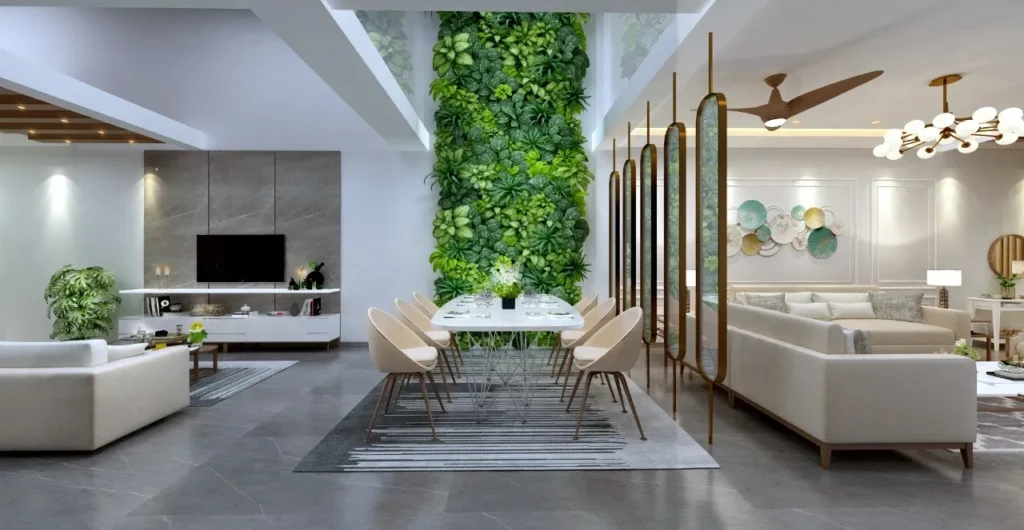
Each great project starts with clarity. Prior to selecting paint colors or scouring furniture bargains, the most skilled designers begin by listening. How does your household utilize each space? Which corners are perpetually cluttered? Do you host parties frequently? Where do the children deposit school bags? What are your storage nightmares? The responses chart your daily life and indicate what the house needs to fix. A designer’s duty is to add beauty on top of function, not function on top of beauty. Which is why the initial design stage—needs analysis—silently influences everything thereafter, from the positioning of a shoe rack close to the entrance door to study light heights in a kid’s room.
Delhi NCR residences have a unique set of challenges. Sagarpur, Janakpuri, Dwarka, or Gurugram apartments tend to have small rooms, deep balconies, and service shafts underutilized. Instead of resisting the architecture, an experienced crew welcomes it. A compact living room, for example, is spacious when circulation is designed around a single event—a tufted wall with hidden storage, a media stand that’s slightly raised off the floor to reveal more skirting, or a long console that serves as a family drop zone.”. When the Best Interior Designer in Delhi NCR sees a space like that, they don’t say, “How do we cram more in?
” They say, “How do we make this lighter, simpler, and easier to navigate? ” Light is your best friend. Delhi’s sun, though brutal in May and June, is forgiving for most of the year. Sheer curtains with blackout blinds allow you the luxury of controlling brightness without blacking out the house. Mirrors assist, but the trick is where you put them: a mirror flung opposite a window will double the depth illusion, and two mirrored shutters on a wardrobe can make a bedroom look nearly a metre deeper. Glossy covers light but reflect dust; matte finishes look sophisticated but can absorb light.
The perfect balance is a matter of orientation and lifestyle. In houses with tots who touch everything, a low-sheen laminate that can withstand rough handling or a paint with wipe-clean technology is sometimes more practical than high-gloss glamour requiring round-the-clock maintenance. Colour is where Indian homes can really shine. Instead of defaulting to an all-white palette, consider tones that complement Delhi’s light—creamy ivories, warm beiges, muted terracotta, and soft sage green. These shades hide dust better, feel grounded, and create a calm backdrop for richer accents: indigo cushions, a brass lamp, a hand-woven dhurrie, or a carved wooden side table handed down by grandparents.
In kids’ bedrooms, you don’t need to go splattering primary colours all over the walls; one wall of a happy pastel colour, offset by neutral furniture and a fun art print, makes the room lively but won’t overwhelm it. Good designers understand that restraint doesn’t mean austere—it means letting a few gorgeous things be the centre of attention. Storage is the unobtrusive backbone of a serene home. In Delhi NCR, homes usually require room for seasonal clothes, wedding clothes, school books, toys, guest bedding, and festival decor. The urge is to add storage everywhere, but a boxy home seems smaller. The trick is to make storage appear invisible. A fluted panel behind the sofa can hide a shallow cabinet for board games. A lift-up hydraulic bed storage engulfs bulky quilts. A floating TV console conceals router cords and chargers.
An entry bench swings open to expose shoe storage, while a narrow overhead cabinet close to the kitchen stores the pressure cooker and additional jars from view. When the Best Interior Designer in Delhi NCR designs storage, you will see how smooth your daily routine is: you no longer lose chargers, children understand where crayons reside, and the dinner table is not a war zone of loose items. Indian kitchens have the most workload. The configuration—L-shaped, U-shaped, or parallel—must correspond to your cooking style. If two individuals frequently work together, parallel counters with sufficient aisle space avoid bumping. A designer will take the measurement of the triangle formed by the cooktop, sink, and refrigerator and position drawers such that daily use items are precisely where your hand places them. In Delhi, materials count: quartz or high-quality granite counters don’t stain; high-grade laminates or acrylic shutters wipe clean; soft-close channels withstand daily usage.
A small, ventilated utility with a counter for drying and washing becomes a savior in monsoons. And don’t overlook lighting: warm under-cabinet LEDs are comfortable to chop to and prevent shadows on the cutting board, while a soft ceiling grid throws general light evenly. Bedrooms compensate for the lack of subtlety. In small rooms, the headboard can be a style savior—upholstered in textured fabric, grooved in wood veneer, or softly backlit for a hotel-like ambiance. Wardrobe doors may be mirrored or panelled to create interest without volume. If you are a home office worker, a fold-down desk in the bedroom wall or a narrow side console can accommodate concentrated work without breaking up the room with a bulky study table.
Good designers focus on haptic comfort here: cotton bedding that breathes, a comfortable mattress, blackout curtains for sound sleep, and dimmers so your environment can transition from stimulating morning light to cozy evening serenity. In children’s bedrooms, flexibility rules; drawers in the bed frame, pin-up boards for artwork, flexible shelves, and rounded edges allow the room to expand with the child. Bathrooms in Delhi NCR tend to be small; design makes them feel like indulgences. A glass shower enclosure confines water without visually halving the area. Large tiles minimize grout lines and deceive the eye into thinking that the room is larger. Niches built into the wall store shampoos without intruding shelves that bruise elbows. A broad mirror with built-in lighting provides clearness without severity.
Even a small powder room can feel luxurious with a stone countertop, wall-hung vanity, and a piece of art framed against a textured wall. Ventilation matters as much as prettiness; good exhausts, a tiny window where possible, and moisture-resistant finishes keep the space fresh through Delhi’s humid spells. Balconies are the urbanism’s best-kept secret, particularly in Sagarpur and other such areas where a handful of open-square feet does wonders. Rather than fill them up with furniture, opt for lightweight and airy: a collapsible café table, floor-space-maximizing vertical planters, and canopy lights that makeover the space during the evening.
Synthetic grass can be bright, but natural textures like terracotta pots, bamboo blinds, stone planters mature with time and exude a sense of timelessness. During winter mornings, a sun-kissed balcony becomes the family breakfast spot; on summer evenings, it is a shady, cozy lounge. Culture has a place at the center of Indian homes, and Delhi NCR’s cosmopolitan culture welcomes an assured blend. A puja alcove can be cut into a living room wall with a filigreed jaali panel glowing softly from inside. A corridor may be used as a family photo gallery and travel art. Brass things accumulated over the years—an udaan patang light, a hand-hammered urli, a little bell—can coexist with modern sculpture without appearing out of place.
The Best Interior Designer in Delhi NCR doesn’t dictate a trend; they curate your story. The house succeeds when it feels like you, not like a showroom. Design also must be respectful of the city’s climate and dust. Ventilation and indoor air quality are enhanced with smart zoning: place shoes close to the entry point, include a narrow hand-wash or sanitizer niche next to the dining space, detail door sweeps that restrict dust entry, and select fabric weaves that shed dust effortlessly when vacuumed. Indoor plants such as areca palm, rubber plant, and sansevieria not only purify the air but also contribute biophilic serenity to compact urban designs.
As fuel prices increase, LED lighting, ceiling fans with energy-efficient motors, and intelligent control recoup rapidly. A designer who makes sustainability integral to the job—solar-ready wiring on the patio, low-flow fixtures, and low-VOC paints on the materials—saves you money while living better. Parents wonder how much design will cost. A reasonable response is: it varies by scope, but intelligent phasing always benefits. Start with the areas that moor family living: kitchen, living room, and master bedrooms. Spend on what you use every day—hardware, hinges, lights, a decent mattress, soft sofas—because excellence is evident every day.
You can always add an area rug or a painting later, but you can’t retro-fit solid cabinetry or improved electrics without inconvenience. The Best Interior Designer in Delhi NCR will walk you through these choices unmistakably, presenting many material choices and unfailingly honest comparisons so every rupee knows where it belongs. Possibly the most unsung aspect of design is circulation—the manner in which you get around your house. Picture a typical weekday evening in Sagarpur. The children enter, leave shoes on the entry bench, hook bags on a hidden hook behind a groove panel, and hand wash at a modern wash corner next to dining. Homework gets underway at a small study ledge that folds away after it’s done. Dinner comes from a thoughtfully designed kitchen pass, and following the meal, one basket scrapes plates for an easy carryback to the sink. A board game for the family rolls out of a living-room cabinet, and then the TV wall is softly aglow while phones are charging in a well-ventilated drawer. Nothing is by chance.
Everything has its home. That is what design is. When you employ the Best Interior Designer in Delhi NCR, you are not just paying for nice drawings or fun lights.
You are purchasing a process: discovery sessions, measurements of the site, concept work, 3D renderings that allow you to “walk” through your house before one nail is driven, technical drawings upon which electricians and carpenters can work without mistake, procurement that monitors quality and schedule, and on-site supervision that keeps it all on the up-and-up. A good studio will assist you in obtaining permissions where necessary, schedule vendors, and have one point of accountability so that you are not dealing with a dozen phone calls in addition to fitting in your job, your children’s schedules, and your own well-being. Design also involves empathy for life stages. If you have older parents, a non-slip bathroom floor, a grab bar beside the WC, a night light to illuminate the path from bed to loo, and lever door handles are a must. If your children are toddlers, rounded edges on furniture, washable wall finishes, and lockable medicine cabinets are necessities.
If either you or your partner is working from home, a well-padded, acoustically designed study area with proper screen height and directed task light avoids fatigue. The Best Interior Designer in Delhi NCR will inquire about the things that make you feel noticed—how late in the day you get up, at what hour you cook, whether you do laundry folding on the bed or require a separate counter—because those little details determine whether a home functions stunningly or simply appears stunning. Let’s discuss texture, the frequently unseen ingredient that makes rooms rich. In a flat in Delhi, a living area could begin with a tranquil envelope—painted walls, a solid floor, a neutral sofa. Depth comes from materials that work well together: a rough stone centre table and a smooth wooden console, a linen curtain that stirs softly in the breeze, a woven cane panel on a cabinet door, a hand-knotted rug that anchors the seating, a warm-glowing ceramic lamp.
Light plays over these surfaces, and the room acquires personality without yelling. For Sagarpur families, whose homes must withstand the messiness of daily life, texture also conceals the small scuffs and fingerprints of real life. Lighting warrants a chapter of its own. Think in layers: soft, even lighting for overall comfort; bright lighting where you read, cook, or study; and accent lighting that highlights a stone wall, a painting, or the puja niche. The wrong of many houses is to count on one harsh tube or grid of downlights. It’s much easier on the eyes—and much more luxurious—to allow pools of light create zones.
A floor lamp alongside the sofa, a twin of pendants hanging above the dining table, a profile light with a sleek profile beneath the headboard of the bed, and warm under-cabinet strips in the kitchen all combine to create a house which can be changed from weekday functional to weekend snug. The Best Delhi NCR Interior Designer will adjust the colour temperature so that mornings are invigorating and evenings are relaxing, through the application of dimmers and smart controls where appropriate. In homes where entertaining is enjoyed, the dining and living spaces perform best if they are choreographed to bend. An extendable dining table for visitors, a narrow bar inserted in a recess, additional pouffes that push under the console until required, and a media wall covering up messiness—these touches maintain the home refined even when visitor numbers double.
For festivals, ornamental lighting and customary fabrics can be added to the foundation design without contrasting, as the base color scheme is soothing and permissive. That is why Indians tend to prefer warm neutrals and natural woods: they are the background on which shifting festivities are still in harmony. If your house is old or a conventional DDA plan in Sagarpur, you may think that design adjustments are restricted. In practice, even modest civil adjustments—opening a doorway slightly wider, lifting a kitchen window to provide extra counter space, shaving an inch from a partition to match cabinetry modules, or combining two narrow niches into one functional storage wall—can release surprising roominess.
A reliable studio will recommend where to spend money on structural modification and where to live with the limitations to prevent unnecessary expense. Fantastic designers reverence what is already present in unveiling potentialities you never noticed. One of the pleasures of collaborating with the Best Interior Designer in Delhi NCR is the faith you develop in material choices. If your living room is full sun, they may guide you away from fading-fusible fabrics; if you’ve got pets, they’ll suggest tightly woven, snag-resistant upholstery; if you’re chemically sensitive, they’ll specify low-VOC paints and solid woods with safer topcoats. They’ll guide you away from the false economy of cheap hardware that will break in a year, too.
Each hinge, each channel, each slider is a little machine you will operate thousands of times. Purchasing correctly the first time saves you money compared to replacing incorrectly twice. When it comes to style, Delhi NCR is eclectic—and so can be your house. There is space here for a mid-century armchair next to a Kashmiri carpet, for an Italian sleek light over a hand-crafted console, for a modern sofa flanked by a Madhubani painting.
The trick is cohesion: a repeating palette of woods and metals, use of a motif repeated from room to room, or a common tonal family that ties spaces together. Sagarpur families commonly reside near markets where a treasure lies in plain sight; a designer’s trained eye can find an antique mirror that finishes off your foyer or a local craftsman to make a custom bench that seamlessly fills an odd nook. And then, of course, there is time. Life is hectic; the thought of coordinating carpenters, electricians, painters, and delivery, with afternoon reviews after work, can be daunting. A full-service studio takes that pressure off. They construct schedules, phase trades, monitor milestones, and keep you informed with precision.
They safeguard your budget from scope creep and your home from concessions. And when the last cushion is fluffed and the last light is dimmed, you will walk into a space that supports your mornings, welcomes your evenings, and stands ready for everything in between. If you’re a parent in Sagarpur who wants a more serene, more intelligent home—or a homeowner in Delhi NCR who desires beauty rooted in function—then talk to a studio that knows the city, the climate, the culture, and the small truths of domestic life. Look for the Best Interior Designer in Delhi NCR not to follow a trend but to create a house that feels very much yours.
The appropriate partner will first listen, secondly design, and thirdly deliver with care. And long after the dust has settled and the paint smell has faded, you’ll notice it in a hundred small ways: the way the afternoon light drifts across a textured wall, the way every switch sits exactly where your hand expects it, the way the house stays tidy without a daily battle, and the way guests pause at the door and smile, “It feels so good in here.” It is not coincidence. It is design—quiet, considerate, and crafted for the way you actually live. And when you see it, you know why the finest homes in Delhi NCR bear the touch of a professional with the ability to take a family’s life and turn it into a space that works, shines, and holds up.