Designing a Home That Ages With You: Future-Proof Interiors
Your home should evolve with your life stages. It must adapt to changing mobility needs. Yet, it should accommodate shifting lifestyle demands. But most homes are designed for one moment in time, not a lifetime of change.
Future-proof interior design plans for these changing needs. It develops spaces that remain functional across decades. It avoids barriers well before they may become problems. This approach saves money on future renovations while ensuring lifelong comfort.
It’s more than accessibility features. It’s about flexible layouts, adaptable storage, and timeless aesthetics. It’s about how families grow and change. It’s preparing the home for technologies we still can’t fathom.
Understanding Universal Design Principles
Universal design means a space that anyone can use comfortably. Children move through them with ease. Elderly family members travel through them in safety. People who have temporary injuries find them accessible. These principles benefit all ages and abilities simultaneously.
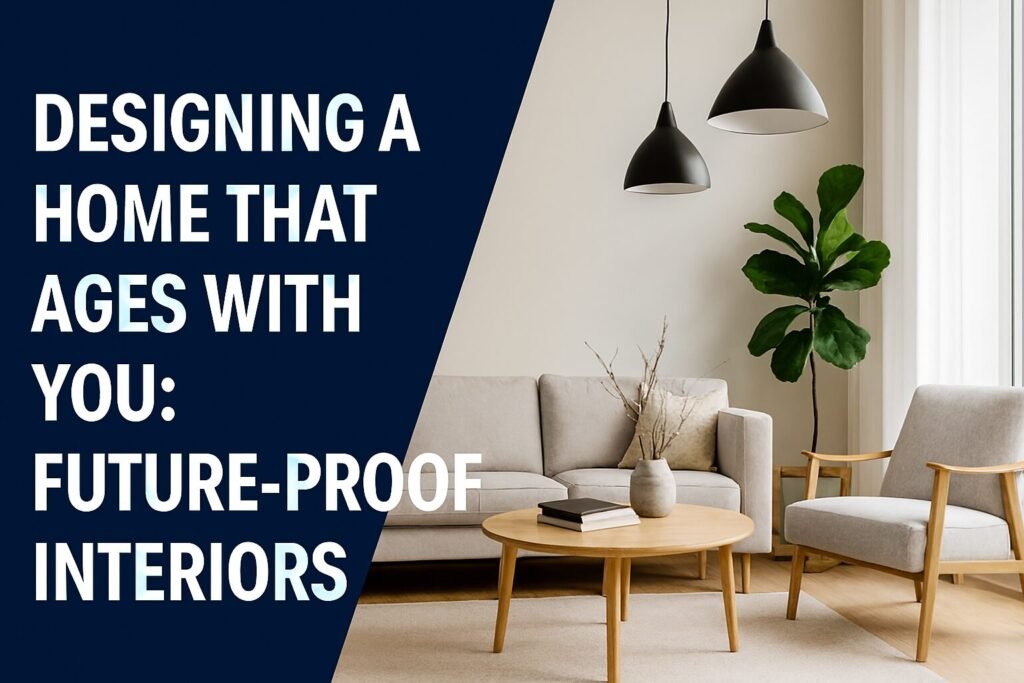
The beauty of universal design is that it remains invisible. Features blend unobtrusively into beautiful interior spaces. Wider doorways appear elegant rather than institutional. Lever handles feel modern and sophisticated. Zero-threshold showers seem luxurious and spa-like.
Working with the Best Interior Designer in Delhi NCR ensures these principles are integrated beautifully. Experts understand how to balance aesthetics with functionality and create homes that feel stylish while remaining practical for decades.
Planning Flexible Living Spaces
Rigid definitions of rooms decrease the adaptability of the house. Today’s nursery is tomorrow’s home office. Yesterday’s formal dining room becomes a study area. Spaces should transition smoothly between changing purposes.
Open floor plans offer maximum flexibility. They permit changing furniture configurations, as nothing structural gets in the way. They adapt to different uses throughout the day: morning yoga becomes afternoon work sessions, becomes evening entertainment.
Yet, total openness is not a perfect situation. Intelligent design incorporates mobile partitions and flexible boundaries. Sliding doors provide temporary privacy where required. Curtains define zones without permanent walls. Such solutions allow openness and adaptability.
Creating Multi-Generational Living Environments
The modern family often spans three generations under one roof. Grandparents may need ground-floor accessibility. Small children require safe play areas. Teenagers want private places. Every generation has its unique demands that must share space in harmony.
Designing for multiple generations requires thoughtful space planning. Separate entries offer a sense of independence while maintaining connection. Soundproofing between zones provides privacy. Accessible bathrooms serve multiple users in comfort. Such considerations will prevent friction and costly modifications down the line.
The Best Interior Designer in Delhi NCR specializes in creating harmonious multi-generational homes. They understand cultural preferences and family dynamics. They design spaces where families can spend quality time together and respect individual needs.
Accessibility Features That Don’t Look Institutional
Traditional accessible design can feel clinical and cold. Modern approaches integrate accessibility perfectly into aesthetics within the home. Features serve practical purposes while adding to, rather than detracting from, visual appeal. Function and beauty work together, not in competition.
Wide hallways feel spacious and luxurious. They don’t announce their accessibility purpose. Curbless showers resemble high-end spa features. They just happen to also accommodate wheelchairs and walkers. It’s this duality in design thinking that defines future-proof interiors.
Grab bars are no longer necessarily medical-looking. Modern designs have decorative towel bars that double as support. Strategically placed furniture provides natural handholds. Subtle touches keep independence intact without sacrificing style.
## Smart Home Integration for Aging in Place
Technology increasingly supports independent living at all ages: voice-activated controls eliminate the need to use physical switches; automated lighting adjusts to changing vision needs; smart thermostats maintain comfortable temperatures without requiring manual adjustments.
These systems are constantly evolving with new technologies. Wiring infrastructure should be designed for the innovations to come. Electrical panels should have capacity for additional circuits. Network cabling enables seamless connectivity throughout the home.
Professional designers understand these technical requirements. They future-proof homes for technologies that don’t yet exist. They create flexible systems that can adapt to innovation. It is this foresight that prevents expensive retrofitting later on.
Lighting Design for Changing Vision Needs
Vision naturally changes with age. Their lighting needs also change with it. Young adults work in dimmer settings; older eyes need three times more light to see the same thing. Your lighting design needs to allow for this spectrum.
Layered lighting offers maximum flexibility. Ambient lighting provides overall brightness. Task lighting focuses attention on specific activities. Accent lighting draws the eye and adds depth visually. This combination serves diverse needs simultaneously.
Natural light is important at any age. Large windows minimize the need for artificial lighting. Large windows enhance mood and maintain circadian rhythm. Designing them at strategic places maximizes daylight throughout the day. The Best Interior Designer in Delhi NCR knows how to optimize natural light in any space.
Color and Contrast for Long-Term Visibility
Colour choices are not only a matter of aesthetics. They are related to visibility and safety. Strong contrasts clearly define spaces. They prevent accidents by making transitions obvious. These considerations become much more important as vision changes.
Transitions in the floor must be clearly defined visually. Changes in level should be denoted by a different material or color. Doorways are easier to navigate with contrasting trim, and light switches should provide contrast to the color of the surrounding wall. These little details help promote safety without an institutional look or feel.
Color selection should also take into consideration timeless appeal. Trendy color palettes date quickly and need updating often. Classic color schemes age well. They accommodate changing tastes through updates in accessories rather than major renovations.
Flooring Choices for Safety and Longevity
Flooring is a big investment and requires careful consideration. Materials must balance beauty with practicality. They should remain slip-resistant when wet. They need to accommodate future mobility aids without damage.
Generally, hard surfaces prove most versatile. They don’t trap allergens like carpet. They accommodate wheelchairs and walkers easily. They clean simply and maintain well. However, they require careful selection for slip resistance and comfort.
Transitions between types of flooring result in tripping hazards. The fewer these transitions are, the safer it will be. When changes are necessary, they should be smooth and well-marked. The professional designer will know how to make transitions seamless, enhancing safety rather than compromising it.
Kitchen Design Adapting to Physical Changes
Kitchens have special needs when future-proofing a design. The kitchens are high-traffic areas that concern safety. They must enable different physical abilities. They need to be practical when both mobility and muscle strength are altered.
Variable-height countertops serve a number of users comfortably. They allow both standing and seated food preparation. Pull-out work surfaces provide additional flexibility. These features are beneficial to all users, not just those with mobility limitations.
Storage accessibility determines kitchen usability. Lower cabinets with pull-out drawers eliminate bending. Items that are within reach are made possible through motorized lifts inside wall cabinets. Lazy susans maximize corner accessibility. Working with the Best Interior Designer in Delhi NCR ensures kitchens stay functional for decades.
Bathroom Safety Without Sacrificing Style
Bathrooms pose distinctive aging-in-place challenges. They are slip-prone environments with tight spaces. They require frequent navigation and multiple position changes. Yet, they need not resemble institutional facilities.
Curbless showers provide luxury spa aesthetics while enhancing accessibility. They eliminate stepping hazards, accommodate walkers and wheelchairs easily, and even make cleaning easier for everyone.
Comfort-height toilets benefit users of all ages. They are easier for children learning independence. They reduce strain for adults. They assist those with mobility limitations. These features represent smart design, rather than specialized accommodation.
Storage Solutions for Changing Needs
Storage needs change with life. A young family needs toy storage, while working professionals require office space, and retirees require hobby areas. Flexible storage systems can adapt to these changing demands.
Adjustable shelving systems provide maximum versatility. They reconfigure easily as needs change. They accommodate different item sizes. They grow with collections and shift with interests.
Accessible storage precludes frustration at any age. Items pulled out regularly should reside at comfortable heights. Heavier items reside on lower and more accessible shelves; seasonal items can be placed higher. Thoughtful organization like this means daily life is easier regardless of physical ability.
Selection of Furniture to Provide Flexibility and Function
Furniture choices greatly affect space adaptability. Modular pieces can be reconfigured for other uses. Multi-functional items serve more than one need. Investment pieces should endure physical wear and style evolution.
Seating height affects usability across age ranges: furniture that is too low becomes hard to get out of, while too-high seating is not supportive. The best height balances comfort and functionality for a wide range of users.
Furniture arrangement impacts traffic and access. Unobstructed pathways promote safety. Conversely, planned obstructions can create intuitive wayfinding. A professional designer will consider daily function and long-term adaptability in furniture placement.
Outdoor Spaces that Remain Accessible
Outdoor living expands functional living space. Gardens, patios, and balconies bring fresh air and a direct link with nature. These areas need to remain accessible as physical abilities change.
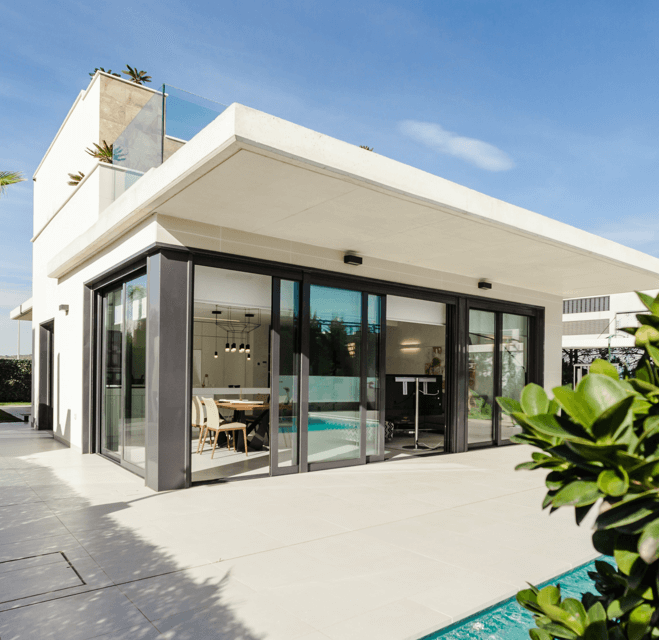
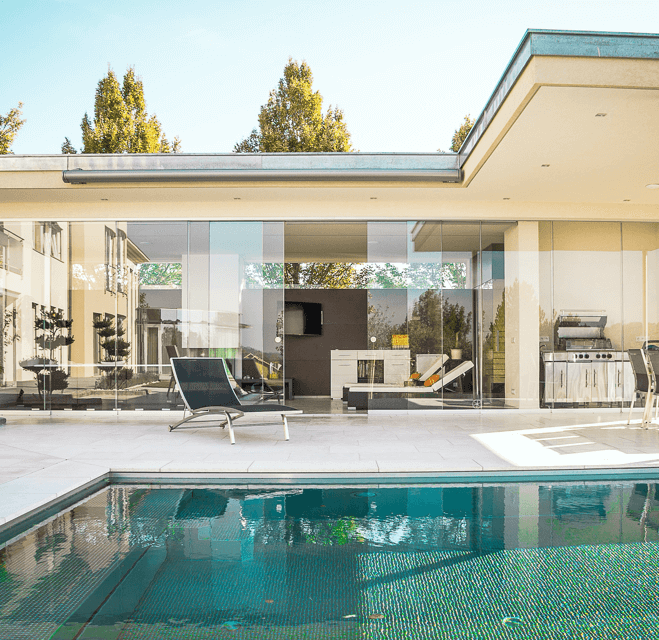
Level transitions that smoothly connect indoor to outdoor spaces eliminate barriers. Sliding doors provide easy access. Wide openings accommodate mobility aids. These features benefit everybody while future-proofing the enjoyment of outdoors.
The pathways should be correctly designed considering long-term usability. The smooth and non-slippery surface reduces the chances of falling. Sufficient width accommodates wheelchairs and walkers. Proper lighting ensures safety during evening use. Best Interior Designer in Delhi NCR creates beautiful outdoors which remains functional throughout life.
Material Selection for Durability and Maintenance
Material choices have implications for longevity and maintenance. Durable materials can withstand the rigors of decades of use. Low-maintenance finishes reduce cleaning burden when physical abilities start to change. These practical considerations need not compromise aesthetics.
Stain-resistant fabrics maintain appearance longer because they handle daily life with less frequent professional cleaning. Durable finishes resist scratches and impacts. They age gracefully rather than showing wear.
Timeless materials avoid dated looks. Natural stone remains classic decade after decade. Quality hardwoods never go out of style. They pay in dividends over time with longevity and enduring beauty.
Technology Infrastructure for Future Innovations
Today’s smart home becomes tomorrow’s standard feature. Your infrastructure needs to support rapid technological advancement. Enough electrical capacity for the devices of the future: with robust networking, be connected everywhere in your home.
Conduit systems allow for easy cable updates. Accessible junction boxes make future modifications simpler. Behind-the-scenes considerations like these prevent expensive retrofits. It’s positioning homes for technologies yet to come.
Professional designers are knowledgeable regarding technology trends. They anticipate needs well into the future. They design flexible systems that evolve with innovation. Such forward thinking differentiates a truly future-proof home from one that will require updates for years to come.
Financial Planning for Long-Term Investment
Future-proof design represents significant upfront investment. However, it prevents far more expensive future modifications. It maintains home value better than trend-focused designs. It reduces long-term maintenance and renovation costs.
Quality materials and considered design demand premium pricing upfront. They are economical over decades of use. They do not participate in the cycle of updating. They offer satisfaction over time that cannot be obtained from cheaper options.
Working with the Best Interior Designer in Delhi NCR ensures that money is rightly invested. Experienced designers know where to prioritize spending. They balance immediate budget constraints with long-term value. They create homes that serve families for generations.
Common Future-Proofing Mistakes to Avoid
Many owners make expensive assumptions about future-proof design, focusing solely on accessibility features while ignoring aesthetic integration and failing to plan for multiple types of changes.
Another mistake people make is to follow trends, not timeless principles. What appears modern today will look dated tomorrow. Future-proof design transcends temporary fashion, creating spaces that stay relevant across decades.
Inadequate professional guidance leads to incomplete solutions. DIY approaches miss crucial details. They create attractive spaces that lack functional longevity. Professional expertise ensures comprehensive future-proofing.
Cultural Considerations in Indian Homes
The Indian family has some very unique needs that inform future-proof design. Multi-generational living is common and celebrated. Spatial planning must accommodate these joint families. Cultural practices and traditions play an important role throughout the life stages.
Prayers and meditation spaces need access for all ages. Kitchen designs must accommodate traditional ways of cooking. Storage space must accommodate cultural items and extended family visits. This list requires deep cultural understanding.
The Best Interior Designer in Delhi NCR brings forth the essential local knowledge. They understand regional preferences and family dynamics, and create spaces which are culturally appropriate and functional for the changes in life.
Climate Adaptation for Indian Regions
The varied climate zones of India have a great bearing on future-proof design. For Delhi, the extreme temperatures pose special challenges: hot summers require cooling solutions; cold winters require heating strategies. Such systems must also remain usable when physical abilities change.
It impacts comfort and health across all ages. Natural airflow minimizes energy costs. It enhances indoor air quality. It has to be sufficiently effective for occupants with limited mobility. Strategic window placement and design serve these multiple purposes.
Materials need to be able to withstand local climate conditions, whether heat, humidity, or cold as appropriate. They have to perform properly through decades of exposure. Regional expertise ensures the appropriate selection of materials.
Balancing Tradition with Modern Functionality
Indian homes most often blend the traditional with the modern and the needs for contemporary living. This becomes an essential balance that is required in ‘future-proof’ design. Traditional elements provide cultural continuity, while modern features ensure practical functionality.
Architectural features can respect the past and yet still apply to modern needs. High ceilings promote both old-fashioned grandeur and better ventilation. The courtyards are both classically beautiful and provide readily available outdoor spaces. These are examples of site features that can address several needs with a single solution.
Interior styling goes hand in hand with tradition and modernity. Traditional art and crafts personalize the space, while contemporary furniture provides for comfortable, accessible seating. The result is homes that feel authentically Indian yet thoroughly practical.
Professional Expertise Makes the Difference
Future-proof interior design requires specific knowledge. It requires the understanding of the aging processes. It requires awareness of principles ensuring accessibility. One needs to anticipate changes in lifestyles. Few homeowners possess this all-inclusive knowledge.
Professional designers bring years of experience with diverse clients. They have seen what works and what fails. They understand subtle details that make a big difference. They create solutions that homeowners could never envision on their own.
This much-needed expertise comes from the Best Interior Designer in Delhi NCR. They have designed for several generations and various needs. They understand both the global principles and the requirements of the locality. They make houses into lifetime homes.
Starting Your Future-Proof Design Journey The beginning of a future-proof design project involves some honest self-assessment. Consider your present needs but also the changes that might be coming in the future: family evolution, physical limitations, or the ideal life in 20 or 30 years. Research professionals with relevant experience. Look at their portfolios for similar projects, and schedule a consultation to discuss your vision. Ask them about their approach to long-term adaptability and universal design principles. Budget realistically for high-quality implementation. Futureproof design costs more in the beginning, but saves profoundly over time. Prioritize essential features, but plan for phased improvement. Professional designers help optimize spending for maximum long-term value. Conclusion: Invest in Lifelong Comfort Designing a home to age with you is one of the smartest life investments. It ensures comfort, safety, and independence at each stage of your life. It eliminates stress and future adaptation expenses. It creates spaces that actually serve their inhabitants. Future-proof design is all about striking a balance. Accessibility needs to seamlessly merge with aesthetics. Current needs need to be in step with future requirements. Cultural preferences must fall in line with functional practicality. This is where the complexity calls for professionalism. Partnering with the Best Interior Designer in Delhi NCR will make this vision a reality. These professionals bring in much-needed insight, experience, and creativity. They design homes that look beautiful, not just today but for decades, ensuring functionality and comfort. Ultimately, the aim is to have a home that genuinely ages with you, providing independence and quality of life in every phase of your life.