Interior Design Beyond Aesthetics
Interior design has evolved far beyond selecting beautiful furniture and matching color palettes. Today’s approach encompasses psychology, functionality, and human experience. Spaces must serve purposes that extend well beyond visual appeal. They shape how we feel, work, and interact with our environment.
The best interior designers understand this fundamental truth. They create environments that enhance daily life while reflecting personal or brand identity. This holistic approach separates truly exceptional design from superficial decoration.
The Evolution of Interior Design Philosophy
Decades ago, interior design focused primarily on appearance. Designers prioritized trends and visual impact above all else. Clients received beautiful spaces that often failed to meet practical needs.
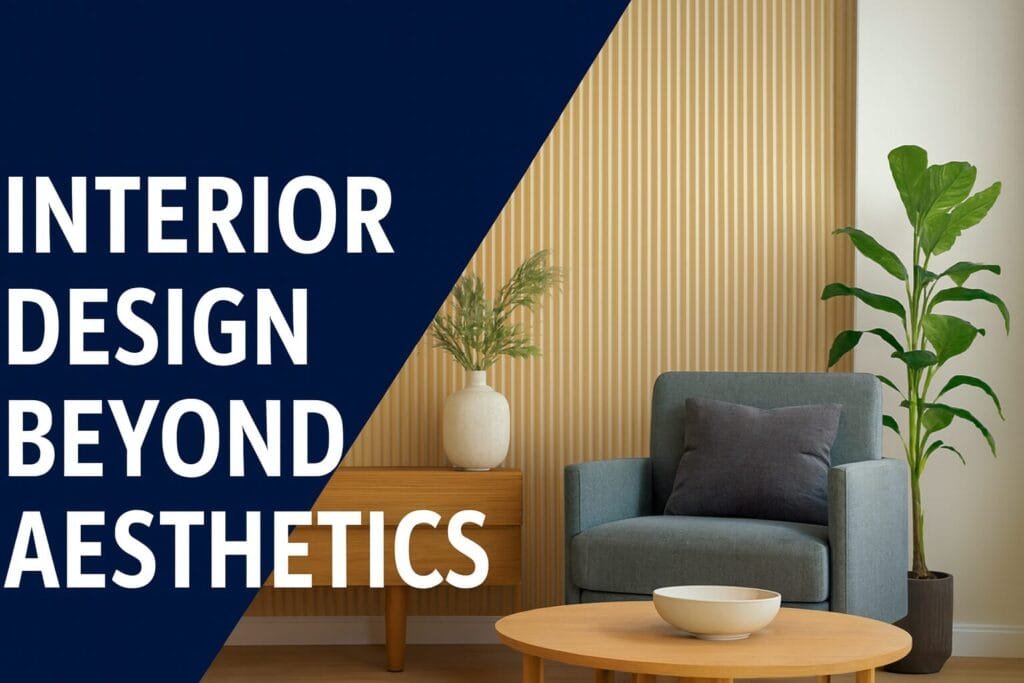
Interior Design Beyond Aesthetics: Creating Spaces That Transform Lives
Interior design has evolved far beyond selecting beautiful furniture and matching color palettes. Today’s approach encompasses psychology, functionality, and human experience. Spaces must serve purposes that extend well beyond visual appeal. They shape how we feel, work, and interact with our environment.
The best interior designers understand this fundamental truth. They create environments that enhance daily life while reflecting personal or brand identity. This holistic approach separates truly exceptional design from superficial decoration.
The Evolution of Interior Design Philosophy
Decades ago, interior design focused primarily on appearance. Designers prioritized trends and visual impact above all else. Clients received beautiful spaces that often failed to meet practical needs.
Modern design philosophy embraces a different approach. Function and form must coexist harmoniously. Every design decision serves multiple purposes. Beauty remains important, but it must enhance rather than compromise usability.
This shift reflects our deeper understanding of how environments affect human behavior. Research reveals that thoughtfully designed spaces improve productivity, reduce stress, and enhance well-being. These benefits make interior design an investment rather than an expense.
Understanding the Psychology of Space
Colors influence mood and energy levels. Warm tones create intimacy and comfort. Cool colors promote calm and concentration. The Best Interior Designer in Delhi NCR leverages this knowledge strategically.
Lighting shapes how we perceive and experience spaces. Natural light boosts mood and regulates circadian rhythms. Layered artificial lighting creates ambiance while serving functional needs. Proper illumination transforms ordinary rooms into extraordinary environments.
Spatial flow affects how people move and interact within environments. Open layouts encourage collaboration and communication. Defined zones provide privacy and focus when needed. Thoughtful spatial planning balances these competing needs.
Why Functionality Must Drive Design Decisions
Beautiful spaces that don’t serve their intended purpose represent design failures. A stunning kitchen that lacks adequate storage frustrates daily use. An impressive office that hampers productivity wastes resources.
Functional design begins with understanding how spaces will be used. Who will occupy the space? What activities will occur there? How do these activities relate to each other? Answers to these questions inform every design choice.
Storage solutions exemplify the marriage of function and aesthetics. Well-designed storage systems keep spaces organized without sacrificing visual appeal. They maximize available space while maintaining clean lines and attractive finishes.
Designing for Daily Life
Residential spaces must accommodate the rhythms of daily living. Morning routines, meal preparation, work-from-home demands, and evening relaxation each require specific design considerations. Spaces must flex to meet these varying needs.
Traffic patterns determine furniture placement and room configuration. High-traffic areas need durable materials and clear pathways. Quiet zones require separation from busy household areas. The Best Interior Designer in Delhi understands these nuances intimately.
Maintenance considerations influence material and finish selections. High-traffic areas benefit from stain-resistant fabrics and easy-to-clean surfaces. Busy families need practical solutions that maintain their beauty over time.
Commercial Spaces: Where Design Meets Business Strategy
Commercial interior design serves business objectives beyond creating attractive environments. Retail spaces must encourage browsing and purchasing. Office designs should boost productivity and employee satisfaction. Restaurants need atmospheres that enhance dining experiences.
Brand identity must permeate commercial interiors. Every design element should reinforce brand values and market positioning. Colors, materials, and spatial configurations communicate brand personality to customers and employees.
Customer journey mapping informs commercial design decisions. How do clients move through the space? What should they notice first? Where should their attention focus? Strategic design guides customers toward desired actions.
Creating Productive Work Environments
Modern office design acknowledges that different tasks require different settings. Collaborative work needs open, flexible spaces. Focused work demands quiet, private areas. Successful offices provide diverse environments supporting various work modes.
Employee well-being directly impacts business performance. Access to natural light, comfortable temperatures, and good air quality improve health and productivity. Ergonomic furniture reduces fatigue and prevents injuries. These investments deliver measurable returns.
The Best Interior Designer in Janakpuri recognizes that office design influences talent recruitment and retention. Attractive, functional workspaces signal that companies value their employees. This message resonates strongly in competitive job markets.
Material Selection: Balancing Beauty, Durability, and Sustainability
Material choices profoundly impact both aesthetics and functionality. Beautiful materials that wear poorly create disappointment and expense. Durable materials that clash with design visions compromise aesthetic goals.
Sustainability considerations increasingly influence material selection. Environmentally conscious clients seek materials with minimal environmental impact. Recycled, reclaimed, and renewable materials offer both ethical and aesthetic appeal.
Local sourcing provides multiple benefits. It supports regional economies and reduces transportation environmental impact. Local materials often better suit regional climates and cultural contexts. They create authentic connections to place.
Understanding Material Properties
Different materials suit different applications. Natural stone brings timeless elegance but requires specific maintenance. Engineered materials offer consistency and durability with lower maintenance demands. Selection depends on project requirements and client preferences.
Texture adds depth and interest to spaces. Smooth surfaces create sleek, modern aesthetics. Rough textures introduce warmth and character. Combining varied textures creates rich, layered environments.
Acoustic properties matter more than many realize. Hard surfaces reflect sound, creating echoes and noise. Soft materials absorb sound, improving acoustic comfort. Balancing these properties creates pleasant auditory environments.
The Role of Technology in Modern Interior Design
Technology has transformed both design processes and finished spaces. Advanced software enables designers to create realistic visualizations before construction begins. Clients can virtually experience proposed designs and request changes early in the process.
Smart home integration represents another technological frontier. Lighting, climate control, security, and entertainment systems increasingly connect through integrated networks. Design must accommodate these systems while keeping technology unobtrusive.
Virtual reality tools allow clients to walk through proposed designs. This immersive experience reveals spatial relationships that drawings and renderings cannot fully convey. It improves communication between designers and clients.
Incorporating Smart Solutions
Automated systems enhance convenience and efficiency. Smart thermostats optimize energy use. Automated lighting adjusts to natural light levels and occupancy. These technologies improve comfort while reducing environmental impact.
Hidden technology maintains clean aesthetics. Recessed speakers, concealed charging stations, and integrated displays preserve visual harmony. Technology serves occupants without dominating spaces.
Future-proofing designs accommodates evolving technology. Flexible infrastructure allows easy updates as technology advances. This forward-thinking approach extends design relevance and value.
Cultural Sensitivity and Regional Design Excellence
Great design respects and reflects cultural context. What works beautifully in one culture may feel inappropriate in another. Understanding regional preferences, traditions, and values informs culturally appropriate design.
Delhi NCR’s rich cultural heritage influences local design sensibilities. Traditional elements can be reinterpreted through contemporary lenses. This fusion creates spaces that honor heritage while embracing modernity.
Climate considerations shape regional design approaches. Delhi’s extreme temperatures demand specific design responses. Proper insulation, strategic window placement, and material selection help manage heat and cold naturally.
Blending Traditional and Contemporary Elements
Modern interpretations of traditional design elements create timeless spaces. Classic patterns can be simplified and updated. Traditional materials can be used in unexpected ways. This approach creates familiar yet fresh environments.
Handcrafted elements bring authenticity and character. Local artisans create custom pieces that mass production cannot replicate. Supporting traditional crafts preserves cultural heritage while creating unique spaces.
The best designers balance innovation with respect for tradition. They introduce contemporary ideas without dismissing cultural values. This sensitivity creates designs that resonate deeply with occupants.
Space Planning: Maximizing Every Square Foot
Effective space planning makes small areas feel spacious and large areas feel intimate. It requires understanding spatial proportions, traffic flow, and functional requirements. Every square foot should serve a purpose.
Multi-functional spaces address modern living demands. Guest rooms double as home offices. Dining areas transform into workspaces. Furniture and storage solutions enable these flexible uses.
Vertical space often goes underutilized. Floor-to-ceiling storage maximizes capacity. Tall shelving draws the eye upward, creating perceived height. Strategic vertical design expands usable space significantly.
Creating Flow Between Spaces
Transitions between rooms should feel natural and intuitive. Consistent flooring materials create visual continuity. Coordinated color palettes tie spaces together. These elements create cohesive environments.
Sightlines influence how we experience spaces. Strategic furniture placement frames attractive views. Careful planning conceals less attractive elements. These considerations shape spatial perception.
Open-plan designs require thoughtful zoning. Furniture arrangement, lighting, and flooring changes can define areas without walls. These subtle boundaries maintain openness while providing functional separation.
Lighting Design: The Foundation of Ambiance
Lighting represents perhaps the most powerful design tool available. It affects how we perceive colors, spaces, and even time. Poor lighting ruins otherwise excellent design. Exceptional lighting elevates modest spaces.
Natural light should be maximized wherever possible. It provides health benefits and reduces energy consumption. Window placement, size, and treatments all impact natural light penetration.
Artificial lighting requires careful layering. Ambient lighting provides overall illumination. Task lighting serves specific functional needs. Accent lighting highlights architectural features and artwork. These layers create flexible, adaptable environments.
Strategic Lighting Placement
Different activities demand different lighting levels and qualities. Reading requires bright, focused light. Relaxing benefits from soft, diffused illumination. Dining spaces need adjustable lighting that sets appropriate moods.
Color temperature influences atmosphere. Warm light creates cozy, intimate feelings. Cool light promotes alertness and concentration. Selecting appropriate color temperatures enhances intended spatial uses.
Dimmers add flexibility to lighting schemes. They allow adjustment based on time of day, activity, and mood. This adaptability makes spaces more versatile and user-friendly.
The Client-Designer Relationship
Successful projects depend on effective collaboration between designers and clients. Open communication ensures designs meet client needs and preferences. Regular check-ins prevent misunderstandings and keep projects on track.
The best designers listen more than they talk initially. They ask probing questions to understand client lifestyles, preferences, and pain points. This foundation enables truly personalized design solutions.
Budget transparency builds trust and prevents disappointment. Clear discussions about costs, priorities, and trade-offs help clients make informed decisions. Honest communication about budget constraints leads to better outcomes.
Understanding Client Vision
Some clients articulate their vision clearly. Others struggle to express preferences beyond knowing what they dislike. Skilled designers use visual tools, questions, and conversation to clarify client desires.
Mood boards, sample materials, and reference images help communicate design directions. These tangible elements ensure client and designer share the same vision before committing to specific choices.
The best designers educate clients about design principles and possibilities. This knowledge empowers clients to participate meaningfully in the design process. It also helps them appreciate why certain recommendations make sense.
Sustainable Design: Responsibility Meets Beauty
Sustainability has moved from niche concern to mainstream expectation. Clients increasingly prioritize environmental responsibility. Fortunately, sustainable design often aligns with aesthetic and functional excellence.
Energy-efficient design reduces both environmental impact and operating costs. Proper insulation, strategic window placement, and efficient mechanical systems pay dividends over time. These investments benefit both planet and pocketbook.
Low-VOC materials improve indoor air quality while reducing environmental harm. Natural and recycled materials often outlast synthetic alternatives. Durability itself represents an important sustainability factor.
Long-Term Thinking
Timeless design resists fleeting trends. It remains relevant and attractive for years or decades. This longevity reduces the need for frequent renovations, conserving resources and money.
Quality materials and construction extend lifespan. Initial investments in superior products often cost less over time than repeatedly replacing inferior alternatives. This long-term perspective guides sustainable choices.
Adaptable designs accommodate changing needs without requiring major renovations. Flexible layouts and neutral foundations allow updates through accessories and accents. This approach supports both sustainability and practicality.
Why Rishabh Interior Exemplifies Design Excellence
Rishabh Interior demonstrates the comprehensive approach modern interior design demands. Their portfolio showcases projects that balance beauty with functionality. Each space reflects client personality while serving practical needs.
Their design process emphasizes collaboration and communication. They invest time understanding client lifestyles and aspirations. This foundation enables truly customized solutions rather than cookie-cutter approaches.
Attention to detail distinguishes exceptional design from merely good design. Rishabh Interior’s work reveals meticulous care in every element. From material selection to final styling, quality remains paramount.
Comprehensive Service Offerings
Successful projects require coordinating multiple disciplines. Rishabh Interior provides end-to-end services from concept through installation. This comprehensive approach ensures consistency and accountability.
Their experience spans residential and commercial projects. Understanding both domains enables them to bring insights from each to the other. Corporate efficiency techniques enhance residential projects. Residential warmth humanizes commercial spaces.
Project management expertise keeps timelines and budgets on track. Coordinating contractors, suppliers, and installers requires skill and experience. Professional management prevents costly delays and mistakes.
Choosing the Right Interior Designer
Selecting an interior designer represents an important decision. The right partnership produces spaces that enhance life for years. The wrong choice leads to frustration and disappointment.
Portfolio review reveals designer style and capabilities. Look for versatility and quality rather than just personal aesthetic preference. The best designers adapt to client tastes rather than imposing their own.
Client testimonials provide valuable insights. They reveal how designers handle challenges, communicate, and deliver on promises. Speaking directly with past clients offers even deeper understanding.
Questions to Ask Potential Designers
Understanding a designer’s process helps predict working relationship dynamics. How do they gather client input? How often do they communicate during projects? What happens if you’re unhappy with proposed designs?
Budget discussions should happen early. How do designers charge for services? What’s included in their fees? What additional costs should you anticipate? Clear answers prevent unpleasant surprises.
Timeline expectations need alignment. How long will design development take? When will construction begin? What factors might cause delays? Realistic timelines reduce stress and manage expectations.
The Future of Interior Design
Interior design continues evolving as technology advances and priorities shift. Wellness-focused design will likely grow in importance. Spaces that actively support physical and mental health will become standard rather than exceptional.
Sustainability will continue driving innovation in materials and methods. New eco-friendly materials will emerge. Installation techniques will reduce waste and environmental impact.
Personalization through technology will enable mass customization. Digital fabrication tools will make custom elements more accessible and affordable. Unique, personalized spaces will become achievable at various price points.
Preparing for Tomorrow’s Spaces
Flexible design accommodates uncertain futures. Spaces that adapt easily to changing needs remain relevant longer. This flexibility represents smart long-term thinking.
Biophilic design connects indoor spaces with nature. Natural materials, plants, and nature-inspired patterns improve well-being. This trend recognizes our innate connection to the natural world.
The best designers stay current with emerging trends while maintaining focus on timeless principles. They adopt innovations that genuinely improve outcomes. They resist trends that prioritize novelty over substance.
Making Your Interior Design Investment
Quality interior design represents a significant investment. However, the returns extend far beyond financial metrics. Well-designed spaces improve daily life, enhance productivity, and bring lasting satisfaction.
Starting with clear goals and priorities focuses the design process. What matters most to you? Which problems need solving? What feelings should spaces evoke? Clarity on these points guides effective design.
Working with experienced professionals ensures your investment delivers desired results. The Best Interior Designer in Delhi NCR brings knowledge, skills, and resources that DIY approaches cannot match. Their expertise prevents costly mistakes while achieving superior outcomes.
Your space shapes your life more than you might realize. It deserves thoughtful, professional attention that goes far beyond surface aesthetics. True interior design excellence creates environments that enrich every aspect of daily experience.