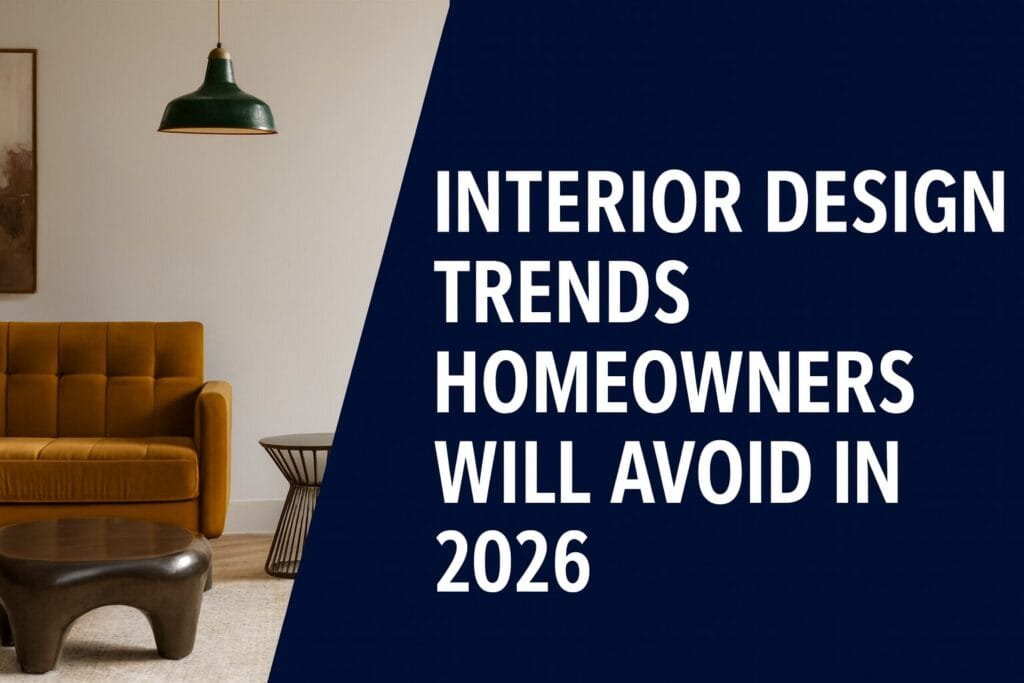
Interior design trends homeowners will avoid in 2026
Design trends come and go with surprising speed. What feels fresh and exciting today can look tired and dated tomorrow. As we move through 2026, certain trends that dominated recent years are losing their appeal. Homeowners increasingly seek timeless designs over fleeting fads. Understanding which trends to avoid helps create spaces with lasting beauty and relevance. The Best Interior Designer in Delhi NCR guides clients away from passing trends toward enduring style.
The Shift Away from All-Gray Everything
Gray dominated interiors for over a decade. It appeared on walls, furniture, and accessories everywhere. This neutral was marketed as sophisticated and versatile. However, excessive gray creates cold, lifeless spaces. Homeowners now crave warmth and personality.
The monochromatic gray trend made too many homes feel identical. It lacked the character that makes spaces feel personal. Warm neutrals like beige, cream, and taupe are replacing cool grays. These colors create inviting environments without sacrificing versatility.
Extreme minimalism promised peace through emptiness. Bare walls, sparse furniture, and absence of decoration defined this aesthetic. While decluttering benefits everyone, taking minimalism too far creates uncomfortable, unwelcoming spaces.
Homes should feel lived-in and loved, not like showrooms. People are embracing comfortable maximalism instead. This approach celebrates personal collections and meaningful objects. It creates warmth while avoiding clutter. The Best Interior Designer in Delhi balances simplicity with personality.
Abandoning Industrial Chic Overload
Industrial style brought exposed brick, metal fixtures, and concrete surfaces into homes. Used sparingly, these elements add character. However, full industrial conversions often feel cold and impersonal. The aesthetic works better in commercial spaces than homes.
Homeowners are softening industrial elements with warm materials. They’re adding wood, textiles, and greenery to harsh spaces. The goal is balance rather than complete industrial immersion. Comfort now takes priority over raw aesthetic statements.
Stepping Away from Open Concept Extremes
Open floor plans dominated home design for years. Removing walls created spacious, flowing interiors. However, completely open layouts have significant drawbacks. They lack privacy, amplify noise, and offer no retreat spaces.
The pandemic highlighted needs for dedicated, separate spaces. Work-from-home requirements demand quiet zones. Families need escape from constant togetherness. Strategic walls and partitions are returning. The Best Interior Designer in Janakpuri creates balanced layouts with both openness and definition.
Rejecting Overly Trendy Accent Walls
Accent walls promised easy room transformation. Bold colors or patterns on single walls created focal points. However, many accent walls feel arbitrary and dated quickly. They often clash rather than enhance overall design.
Homeowners prefer cohesive color schemes throughout spaces. If walls need interest, architectural details work better than color blocks. Crown molding, wainscoting, or textured finishes add depth subtly. These elements age gracefully unlike trendy paint choices.
Moving Past Farmhouse Fixation
Farmhouse style exploded in popularity through social media. Shiplap, barn doors, and rustic signs appeared everywhere. This aesthetic worked initially but became oversaturated quickly. Every home looking identical removes individual character.
Modern farmhouse evolved into caricature through overuse. Authentic farmhouse style requires actual farmhouse architecture. Applied to suburban homes, it often feels forced. Homeowners now seek styles reflecting their actual lives and locations.
Avoiding Hair-Thin Furniture Legs
Mid-century modern revival brought tapered, thin furniture legs. These delicate supports looked elegant initially. However, they often appear flimsy and insubstantial. Furniture seems ready to tip over or collapse.
Substantial, sturdy furniture is regaining appreciation. Pieces with presence and weight feel more permanent. They also withstand daily use better than fragile-appearing alternatives. The Best Interior Designer in Delhi NCR selects furniture with visual and actual stability.
Departing from Live-Laugh-Love Decor
Inspirational word art dominated walls for years. Generic motivational phrases appeared in every home. These mass-produced sentiments lack personal meaning. They’ve become visual clichés that date spaces immediately.
Homeowners want meaningful art reflecting actual interests. Original artwork, family photos, or collected pieces tell real stories. Personal touches create authentic character that generic signs cannot achieve.
Moving Beyond All-White Kitchens
All-white kitchens promised timeless elegance. They dominated design magazines and home shows. However, maintaining pure white proves exhausting. Every mark and stain shows immediately. The clinical appearance can feel cold and sterile.
Warmer tones and natural materials are replacing stark white. Wood tones add warmth and character. Colored cabinets create personality without overwhelming. These choices balance beauty with practicality better than all-white schemes.
Rejecting Excessive Open Shelving
Open kitchen shelving looked fresh and airy initially. It promised accessible storage and display opportunities. However, open shelves require constant organization. Dust accumulates constantly. Dishes become decoration rather than functional items.
Closed storage returns as homeowners prioritize practicality. Glass-front cabinets offer compromise between display and protection. They show beautiful items while keeping them dust-free. The Best Interior Designer in Delhi balances storage aesthetics with function.
Avoiding Overscaled Lighting Fixtures
Oversized pendant lights and chandeliers made bold statements. Dramatic lighting became room focal points. However, excessively large fixtures overwhelm spaces. They obstruct views and dominate inappropriately.
Properly scaled lighting serves spaces without demanding attention. Fixtures should enhance rather than overpower rooms. Multiple moderate fixtures often work better than single oversized pieces.
Moving Past Subway Tile Saturation
Subway tile became the default backsplash choice. Its simple, classic look worked initially. However, ubiquity made it boring and predictable. Every kitchen and bathroom looking identical removes character.
Interesting tile patterns and materials create uniqueness. Zellige, terrazzo, and patterned tiles add personality. These choices distinguish homes without sacrificing sophistication. The Best Interior Designer in Janakpuri introduces fresh tile alternatives.
Departing from Barn Door Overuse
Sliding barn doors appeared everywhere as space-saving solutions. They worked well in specific applications. However, they became overused regardless of appropriateness. Barn doors lack the privacy and sound blocking of traditional doors.
Standard doors often function better in homes. Where sliding doors make sense, modern tracks replace rustic barn hardware. Function should drive door choices, not trend following.
Avoiding Faux Finishes and Artificial Materials
Faux marble, fake wood, and synthetic stone promised affordable luxury. However, these materials often look cheap upon close inspection. They lack the depth and variation of genuine materials.
Real materials in modest applications surpass extensive fake alternatives. A small area of genuine marble outshines large expanses of imitation. Quality over quantity creates more sophisticated results.
Moving Beyond Gallery Wall Chaos
Gallery walls became standard solutions for empty walls. However, many implementations feel chaotic and overwhelming. Random arrangements lack cohesion. Excessive frames create visual clutter.
Curated, intentional art displays replace arbitrary collections. Fewer, larger pieces often create more impact. Negative space around art allows appreciation. The Best Interior Designer in Delhi NCR creates balanced wall compositions.
Rejecting Overly Themed Rooms
Themed rooms promised cohesive design. However, literal themes often feel juvenile. Nautical bathrooms with anchors everywhere become tiresome. Overly coordinated spaces lack sophistication.
Subtle nods to interests work better than theme park approaches. Color palettes and textures can suggest themes without screaming them. Mature design implies rather than declares.
Avoiding Mismatched Metal Finishes
Mixing metal finishes added visual interest initially. Chrome, brass, and black metals appeared together intentionally. However, too much mixing creates confusion rather than interest.
Limiting metal finishes to two or three creates cohesion. This provides variety without chaos. Consistency throughout homes feels more thoughtful and deliberate.
Moving Past Overly Matchy-Matchy Sets
Furniture sets promised coordinated rooms easily. However, matching everything creates showroom blandness. Real homes develop character through collected pieces over time.
Mixing furniture styles and periods creates depth and interest. Complementary rather than identical pieces feel more personal. This approach tells stories that uniform sets cannot.
Departing from Cool-Toned Everything
Cool color palettes dominated recent design. Blues, grays, and silvers appeared everywhere. While sometimes appropriate, exclusively cool tones feel uninviting. Homes should welcome rather than chill.
Warm tones create coziness and comfort. Earthy colors connect to nature. Balanced palettes incorporating both warm and cool feel most livable. The Best Interior Designer in Delhi creates temperature-balanced color schemes.
Avoiding Trendy Geometric Patterns
Bold geometric patterns decorated walls, fabrics, and accessories. They created instant visual interest. However, aggressive patterns fatigue eyes quickly. They also date spaces obviously.
Subtle patterns with longevity replace bold geometrics. Organic, nature-inspired patterns feel timeless. Classical patterns withstand trend cycles better than contemporary geometrics.
Moving Beyond Excessive Mirrors
Mirrors promised to expand spaces visually. Entire mirrored walls appeared in homes. However, excessive mirrors create disorienting, impersonal environments. They also show every fingerprint and smudge.
Strategic mirror placement serves specific purposes. Opposite windows, they amplify light effectively. Used sparingly, they remain functional rather than gimmicky.
Rejecting Fast Furniture Culture
Inexpensive, disposable furniture enabled frequent redesigns. However, this approach creates waste and lacks quality. Cheap furniture looks cheap and fails quickly.
Investment in quality pieces proves economical long-term. Well-made furniture lasts decades and develops character. This sustainable approach also reduces environmental impact. The Best Interior Designer in Janakpuri recommends quality over quantity.
Avoiding Overly Curated Spaces
Perfectly styled spaces looked beautiful in photos. However, they felt untouchable in reality. Homes should support actual living, not just photograph well.
Comfortable, lived-in spaces are embracing imperfection. Homes should accommodate real life messiness. Functionality and comfort trump Instagram-worthiness.
Moving Past Single Statement Pieces
Design advice often suggested one statement piece per room. However, this approach can feel forced. Rooms need cohesive design, not isolated focal points.
Layered design creates interest throughout spaces. Multiple elements work together rather than competing. This approach feels more sophisticated and intentional.
Departing from Overly Rustic Touches
Distressed finishes and weathered looks had their moment. However, excessive rusticity feels affected in modern homes. Authentically aged pieces differ from artificially distressed new items.
Clean, well-maintained finishes are regaining appreciation. Quality craftsmanship shows better than artificial aging. Genuine antiques add character that faux patina cannot.
The Return to Timeless Design Principles
Moving beyond trends doesn’t mean boring design. Classic principles create beautiful, lasting spaces. Quality materials, proper proportions, and thoughtful details never go out of style.
Timeless design accommodates changing accessories and accents. Solid foundations allow evolution without complete renovation. The Best Interior Designer in Delhi NCR builds enduring rather than trendy designs.
Working With Design Professionals
Navigating trend cycles requires expertise and perspective. Professional designers distinguish passing fads from lasting styles. They create spaces that remain beautiful for years.
The Best Interior Designer in Delhi NCR, serving Delhi and Janakpuri, brings this crucial perspective. They understand which trends have staying power. Their guidance prevents expensive mistakes that quickly look dated.
Conclusion: Designing for Longevity
Avoiding fleeting trends creates homes with lasting beauty. Classic design withstands time’s passage gracefully. While trends come and go, quality and thoughtfulness remain constant.
The Best Interior Designer in Delhi NCR, Delhi, and Janakpuri helps clients create enduring spaces. They balance current style with timeless principles. Their expertise ensures homes feel fresh without feeling trendy. Invest in design that transcends momentary fashions. Create spaces you’ll love not just today, but for years to come. Timeless design proves the wisest investment, delivering beauty and satisfaction long after trends have faded into irrelevance.